Everything You Need to
Know About Prenatal Vitamins
Published on October 22, 2026
Written by Kathleen Morrison
Medically Reviewed by Andrea Sleeth WHNP-BC, MSCP, a healthcare provider affiliated with Wisp
Key takeaways
- Prenatal vitamins may be taken by people who aren't pregnant, but they aren't necessary.
- Prenatal vitamins are designed around pregnancy, so they often contain higher amounts of specific vitamins and minerals than a multivitamin.
- If you're planning to become pregnant, starting a prenatal at least a month ahead may help build up key nutrients before a pregnancy begins.
- Many providers suggest you continue taking a prenatal while you breastfeed, since nutrient stores often need to stay high.
- The extra iron in prenatal vitamins can cause constipation, nausea, or stomach upset, and you may not need that much iron if you're not pregnant.
- Evidence is limited that prenatal vitamins do much for hair and nail growth in people who aren't deficient to begin with.
You're holding a bottle that says PRENATAL in big friendly letters, and you are not pregnant. Maybe a friend swears it transformed her hair. Maybe kids are a someday thing you haven't put a date on. Either way, you're wondering whether this bottle is for you.
So, can you take prenatal vitamins without being pregnant? Generally yes! Whether you should is the more interesting question, because prenatals are formulated for one specific job (yes, you guessed it!).
So, if there's any chance you could become pregnant, a daily prenatal vitamin may be worth starting now rather than later. If pregnancy isn't on your radar or you're not breastfeeding, a standard multivitamin may cover what your nutrient needs actually call for.
Here's what prenatal vitamins contain, who may benefit from taking prenatal vitamins when not pregnant, and where a provider fits in.
These statements have not been evaluated by the Food and Drug Administration. This product is not intended to diagnose, treat, cure, or prevent any disease. Individual results may vary.
What prenatal vitamins contain, and why the doses look different
A prenatal supplement isn't a multivitamin wearing a cute label. It's built around the nutrients pregnancy demands more of, which is why some of the numbers look bigger than you'd expect.
Here's what's usually doing the heavy lifting:
Folic acid
Folic acid is the synthetic form of folate, also known as vitamin B9, and it's one of the main reasons prenatals exist at all.
It can help support healthy neural tube development (the structure that forms the brain and spine), which happens in the first few weeks, often before anyone knows they're pregnant.
That timing is why the Centers for Disease Control and Prevention (CDC) recommends that women of childbearing age get 400 mcg of folic acid daily. Plenty of pregnancies aren’t planned, so it’s worth getting ahead of this even if you’re not actively trying.
American College of Obstetricians and Gynecologists (ACOG)’s guidance lines up here too. Both focus on folic acid because it helps prevent neural tube defects, which are serious birth defects of the baby’s brain and spine.
If you’re at higher risk, like if you’ve had a previous pregnancy affected by a neural tube defect or other medical conditions, your provider may recommend a much higher dose.
Iron
Most prenatal vitamins contain about 27 mg of iron, which may help support healthy iron levels and oxygen delivery to the fetus while blood volume is rising. Women who aren't pregnant generally need less, about 18 mg a day.
If your levels are already where they should be, the extra amount may not be doing much beyond giving your digestive system a new personality.
Calcium and vitamin D
These two work as a pair, since vitamin D is involved in calcium absorption, and together they may help support healthy bones and teeth. A prenatal usually carries only part of a day's calcium, partly because calcium can interfere with iron absorption (and a full dose would make for one very large pill).
Other ingredients
Beyond those, a prenatal supplement may also include other vitamins and minerals in supporting roles such as vitamins C, E, A, B6 and B12, zinc, thiamin, riboflavin, niacin, etc.
Formulas vary, so the specific vitamins and minerals on your bottle may differ from the one beside it.
Who might take prenatal vitamins when not pregnant?
Not everyone taking a prenatal multivitamin is pregnant, and in a few situations that's completely reasonable.
Two come up most often:
If you're trying to conceive
This is the clearest case of the two. The American College of Obstetricians and Gynecologists (ACOG) recommends a daily supplement containing folic acid for anyone who could become pregnant.
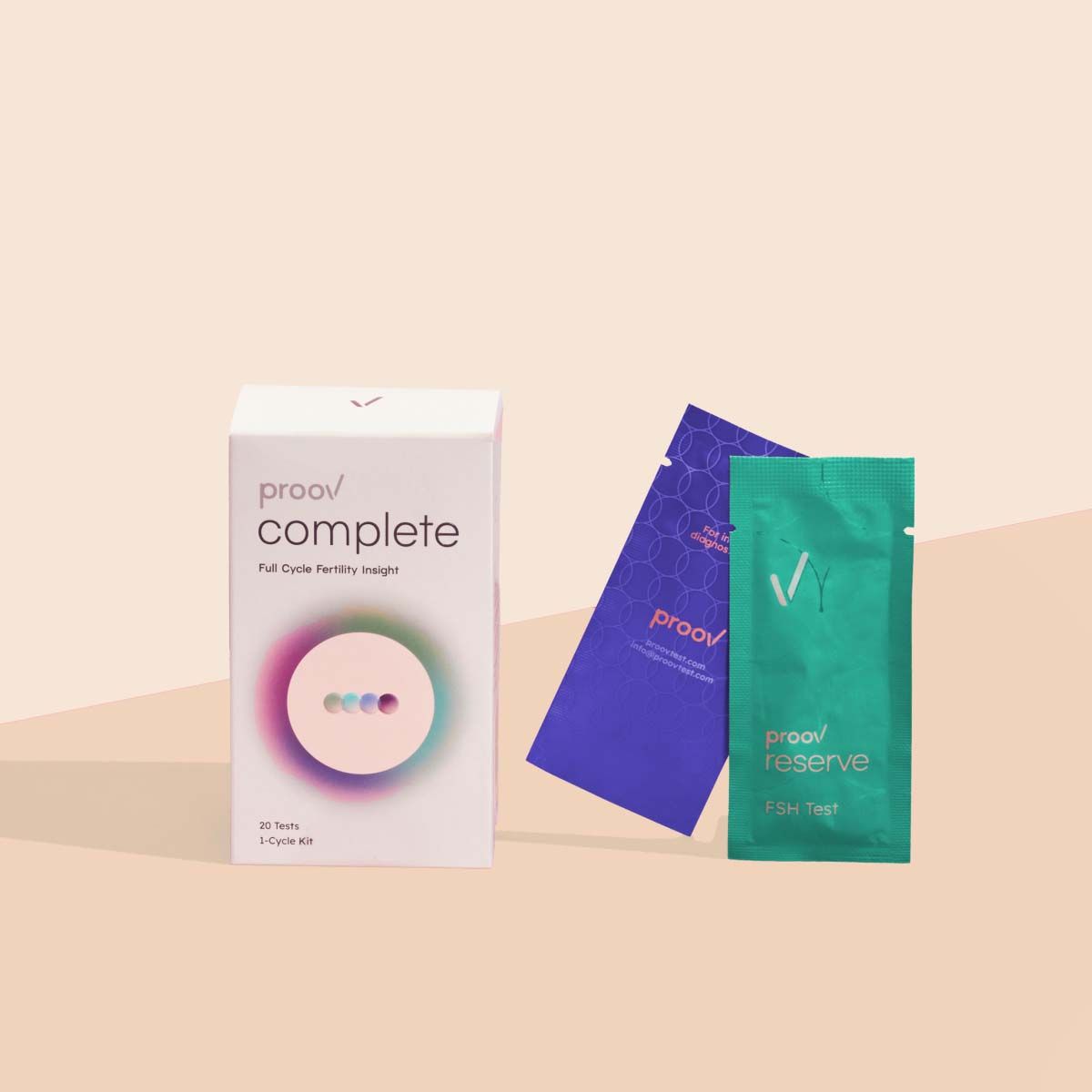
If you're actively trying to get pregnant, one to three months ahead is the usual window, and it pairs well with at-home fertility testing if you're also tracking your cycle.
These statements have not been evaluated by the Food and Drug Administration. This product is not intended to diagnose, treat, cure, or prevent any disease. Individual results may vary.
If you're breastfeeding
Breastfeeding can keep nutrient demands elevated. Many providers suggest continuing a prenatal through this period rather than switching to a standard multivitamin; ask your provider how long to take it rather than guessing.
What are the benefits of prenatal vitamins while not pregnant?
So if you're NOT pregnant BUT trying to conceive or breastfeeding, there are certain benefits of taking prenatal vitamins, including:
- Folate already on board. The early weeks don't wait for a positive test, so having folate in place ahead of time is the entire point rather than a nice extra.
- Not starting from zero. Building nutrient stores takes time, so a head start may help you feel more prepared when demand shifts.
- One bottle instead of a shelf. A prenatal bundles key nutrients in this window, which can help you skip the part where you assemble a supplement routine from strangers on the internet.
- Cover through the after, too. Nutrient needs stay elevated while you're breastfeeding, so continuing may help support you through a stretch when your own meals are, let's say, theoretical.
But what about the hair and nail growth thing?
We're going to be honest with you here, because half of the internet won't be.
While many people believe prenatal vitamins boost hair and nail growth, no evidence supports this claim for individuals who already get sufficient nutrients. If your nutrient levels are already normal, a prenatal is unlikely to change what's happening.
Shedding hair and brittle nails can also point to thyroid issues, iron status, stress, or hormonal shifts, none of which a supplement sorts out on its own. Asking a provider to look at the cause beats swallowing a horse-sized capsule and hoping.
So here's the more useful split. If a provider does find a gap, bridging that specific gap is the move, rather than covering it with a formula built for a pregnancy you're not having.
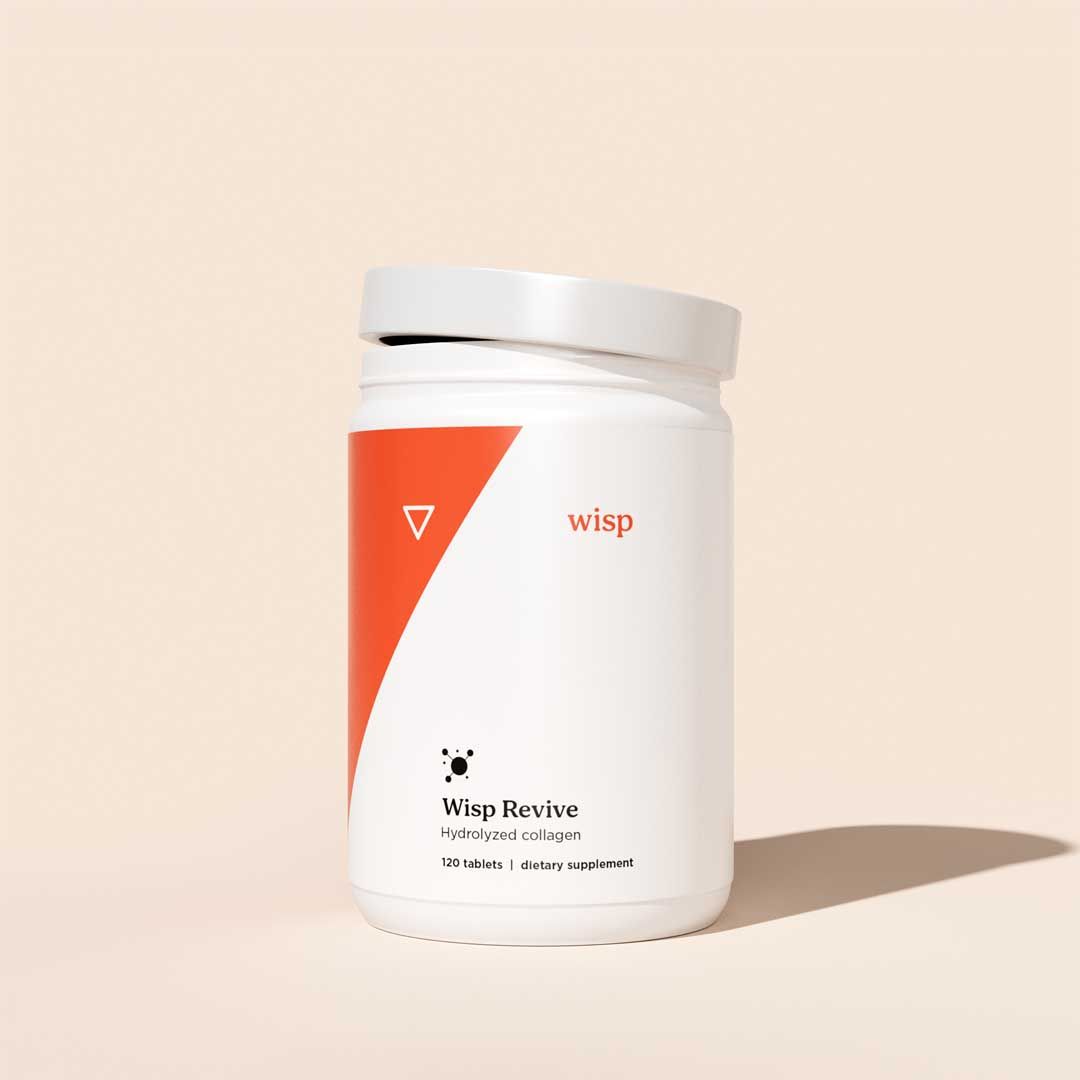
And if there's nothing to find, a prenatal isn't the tool; something aimed at skin, hair, and nails might make more sense, which is where a hydrolyzed collagen supplement may be worth considering as part of your routine.
These statements have not been evaluated by the Food and Drug Administration. This product is not intended to diagnose, treat, cure, or prevent any disease. Individual results may vary.
Side effects of taking prenatal vitamins when not pregnant
Here’s the unglamorous part, and most of it comes down to iron. When your body already has enough iron, it may absorb less of the extra. The unabsorbed iron continues through your digestive tract, where it can cause irritation and lead to side effects like constipation, nausea, or stomach discomfort.
Prenatal vitamins are formulated to meet the higher nutritional needs of pregnancy. If you’re not pregnant, trying to conceive (TTC), or breastfeeding, your body may not need those extra amounts.
In other words, you’re taking in more of certain nutrients than your body is currently asking for, and your gut may be the first place to complain.
Common side effects of prenatal multivitamins can include:
- Stomach pain or upset
- Constipation
- Nausea or vomiting
- Diarrhea
- Black or tarry stools
- Headache or drowsiness
This is not a complete list of risks and side effects, and others may occur. If symptoms worsen or you notice signs of an allergic reaction, contact a provider right away.
You are encouraged to report negative side effects of prescription drugs to the FDA. Visit www.fda.gov/medwatch or call 1-800-FDA-1088.
Can you take prenatal vitamins while on birth control?
Yes. Prenatal vitamins don't contain hormones, so they aren't known to interact with birth control methods, and taking one isn't expected to change how your method works.
Plenty of people do both on purpose. If you're planning to stop contraception in the next few months, building folate levels in advance is well-timed rather than contradictory; your body isn't reading the mixed signals you think it is.
The practical question is the iron again: if getting pregnant isn't the plan soon, a standard multivitamin may cover your nutrient needs without it.
This is not a complete list of potential drug interactions. You should disclose all current, recent, and ongoing medications, including prescription drugs, to your healthcare provider for a comprehensive interaction assessment.
Wisp treatment options are available only after consultation with a licensed medical professional, if medically appropriate. You should consult with your healthcare provider before starting a new supplement or treatment regimen. Individual results may vary. Must be 18 or older. For medication details and risks, see site for details.
Match the vitamin to the chapter you're actually in
So, can you take prenatal vitamins without being pregnant? Yes, and if you're trying to conceive, breastfeeding, or working around a nutrient gap your provider has identified, it earns its place in your routine.
If none of those apply, dietary supplements built for pregnancy aren't the obvious pick, and a regular multivitamin may be what works for you.
Looking for daily nutrient support while you're TTC, growing a whole human, or running on three hours of sleep with a newborn? Wisp Prenatal Vitamins are formulated to help support your daily nutrient needs before, during, and after pregnancy, with free discreet delivery.
This blog post is for informational and educational purposes only and should not be taken as professional advice. Always consult with a qualified professional before making any decisions based on the information provided here.
Prenatal Support

Wisp Prenatal Vitamins
Starting at $14
Prepare for & support a healthy pregnancy with essential nutrients for you and baby.
Wisp Revive Collagen Tablets
Starting at $22/ month
Support healthy hair, skin, and nails with hydrolyzed collagen.