Azelaic Acid for Rosacea: What to Expect, Benefits,
and Side Effects
Published on August 17, 2026
Written by Kathleen Morrison
Medically Reviewed by Dr. Shannon Chatham, DO: a healthcare provider affiliated with Wisp
Key takeaways:
- Azelaic Acid is a naturally occurring dicarboxylic acid used to treat mild to moderate rosacea, primarily the inflammatory bumps (papulopustular rosacea) rather than redness alone.
- Prescription-strength 15% Azelaic Acid gel is FDA-approved specifically for rosacea.
- Azelaic Acid works by helping calm inflammation, supporting clearer pores, and inhibiting excess melanin production that can leave marks behind after flares.
- There is no cure for rosacea, but consistent topical treatment, a gentle skin care routine, and SPF can help manage flare-ups over time.
- Results are gradual. Most people notice changes over several weeks of consistent use, paired with gentle skin care and daily SPF.
- Common side effects can include mild tingling or redness, dryness, and irritation, especially when starting out.
How many times has your skin flared up right before something important? You wake up, glance in the mirror, and… yep, your cheeks are doing the thing again.
Welcome to the rosacea life!
Rosacea is a chronic inflammatory skin condition that affects millions of people, and finding a topical treatment that actually calms things down without making reactive skin angrier can feel like a quest.
15% Azelaic Acid Gel is a solid option that can help address inflammatory bumps and uneven texture associated with mild to moderate rosacea.
Here's what to know about how Azelaic Acid works, who it's for, and what realistic results look like.
Wisp treatment options are available only after consultation with a licensed medical professional, if medically appropriate. You should consult with your healthcare provider before starting a new supplement or treatment regimen. Individual results may vary. Must be 18 or older. For medication details and risks, see site for details.
How Azelaic Acid works for rosacea
Azelaic Acid is a naturally occurring dicarboxylic acid that can be a bit of a multitasker when it comes to rosacea-prone skin.
In fact, 15% Azelaic Acid is FDA-approved for papulopustular rosacea (a type of rosacea marked by red, inflamed bumps and pus-filled pimples), making it one of the few topical ingredients specifically approved to treat the condition.
Its mechanism of action includes:
- Anti-inflammatory action: It may help calm the inflammatory pathways that drive redness and bumps, particularly in papulopustular rosacea.
- Pore support: It has mild keratolytic properties, meaning it may help turn over dead skin cells that can clog pores; useful when acne or rosacea overlap.
- Tone evening: Azelaic Acid is believed to help inhibit tyrosinase, an enzyme involved in melanin production, which may help fade marks left behind after bumps heal.
- Antimicrobial activity: It can help target certain bacteria to help keep pores clearer.
What makes this acid appealing for sensitive skin is that it may achieve these effects with less potential for the dryness that can occur with options like benzoyl peroxide, salicylic acid, or lactic acid.
Most people tolerate it well once their skin adjusts in the first few weeks.
What Azelaic Acid can help with for rosacea
At prescription strength, 15% Azelaic Acid for rosacea can help address certain rosacea-related concerns instead of layering five different products (because your skin doesn't need a ten-step intervention right now). Here's what it targets:
Calms inflammation triggered by rosacea
Those angry, tender bumps and the inflamed skin around them? That's the inflammatory component of rosacea doing its thing. Azelaic Acid helps calm that inflammation and the overall "my face feels like it's on fire" sensation that comes with active flares.
Helps clear breakout-like bumps
Papules (small, raised, red bumps) and pustules (bumps with a visible white or yellow head) are hallmarks of papulopustular rosacea. They can feel sore and look a lot like acne.
Azelaic Acid helps by targeting the bacteria involved and supporting healthier skin cell turnover to keep pores clearer, which may reduce how often these show up and how dramatic they get.
Helps reduce excess melanin production to fade dark spots
After rosacea bumps heal, they can leave behind post-inflammatory marks. Thanks to its effect on melanin production, 15% Azelaic Acid may help fade those marks over time so your skin tone looks more even.
Evens skin tone over time, including post-flare marks
Between the inflammation, the bumps, and the marks they leave behind, rosacea can do a number on your overall skin tone.
Consistent use may help support a more balanced, even-looking complexion as these individual concerns improve.
Helps calm swelling
That puffy, slightly thickened feeling around active lesions, where your skin feels a little tight or "full." Azelaic Acid may help ease that localized swelling as inflammation settles.
What Azelaic Acid isn't really meant for
Here's the part that often gets glossed over: As Azelaic Acid helps calm inflammation, some people may find that redness around their rosacea bumps improves, too.
Because, well, less inflammation = less localized redness.
But persistent facial redness, often linked to rosacea, known as erythema, is a different story, and one that Azelaic Acid isn't specifically designed to address.
So if your main concern is:
- That overall pink-to-red base tone that hangs around even on calm days
- Sudden flushing that makes your skin feel turned up to 11, even when nothing is touching it
- Visible blood vessels (telangiectasia)
…Azelaic Acid probably isn't the hero you're looking for.
Those concerns are typically managed with different approaches, and an in-person provider can help map out what makes sense for your specific situation.
Can Azelaic Acid for rosacea be used on skin that flushes or burns easily?
Generally, yes! Azelaic Acid is considered safe for sensitive skin, and many providers reach for it specifically because it tends to be better tolerated than other actives.
That said, "gentle" doesn't mean " comfortable" on day one.
A few tips for getting started:
- Apply a thin layer to affected areas of the face twice daily (morning and evening) after cleansing
- Start every other day for the first week or two if your skin runs very reactive, then work up to twice daily
- Avoid contact with eyes, mouth, and mucous membranes
- Do not use if sensitive to Azelaic Acid or any component of the formulation
- Always use daily sunscreen to help protect against sun damage
If burning or irritation sticks around past the adjustment window, that's your cue to scale back or check in with your provider.
Choosing the best Azelaic Acid product for rosacea
When it comes to calming inflammatory rosacea lesions, formulation strength matters, but so does what else is (and isn't) in the formula.
A good Azelaic Acid product for rosacea should be:
- Prescription strength (15%): This is the concentration with FDA approval specifically for rosacea. Lower concentrations aren't approved for treating rosacea and may not deliver meaningful results for moderate symptoms.
- Gel-based: Gel formulations tend to absorb well, sit comfortably under moisturizer and sunscreen, and feel lighter on reactive skin compared to heavier cream bases.
- Free from unnecessary irritants: Fragrance, alcohol, and harsh exfoliants have no business being in a formula meant for rosacea-prone skin. Look for something straightforward that lets the active ingredient do its job.
- Easy to stick with: Consistency is everything with rosacea management. A product that fits into your routine without fuss, whether that's delivered to your door or picked up same-day, makes it more likely you'll actually use it long enough to see results.
If your rosacea symptoms are moderate or you've tried lower-strength options without much luck, a prescription 15% Azelaic Acid gel is worth exploring with your provider.
Side effects of topical Azelaic Acid
Azelaic Acid is generally well-tolerated, but side effects can occur, especially during the first few weeks.
Common side effects of topical Azelaic Acid may include:
- Pain, burning, or stinging sensation
- Tingling
- Dry or scaly skin
- Itching or other irritation
This is not a complete list of risks and side effects, and others may occur. If symptoms worsen or you notice signs of an allergic reaction, contact a provider right away.
Treat your skin on your terms
There's no cure for rosacea, but with the right treatment plan, many people see real, lasting changes in how their skin looks and feels.
Azelaic Acid is a reliable topical option for treating mild to moderate rosacea bumps, without the aggressive side effects of harsher treatments.
And now? You don't have to sit in an in-person waiting room to get it. Our 15% Azelaic Acid Gel is prescription-strength rosacea care that can help calm inflammation, clear bumps, and fade the marks they leave behind.
Your skin's been through enough. Time to give it something that actually helps.
Start your visit at Wisp today!
This blog post is for informational and educational purposes only and should not be taken as professional advice. Always consult with a qualified professional before making any decisions based on the information provided here.
Trusted Treatment
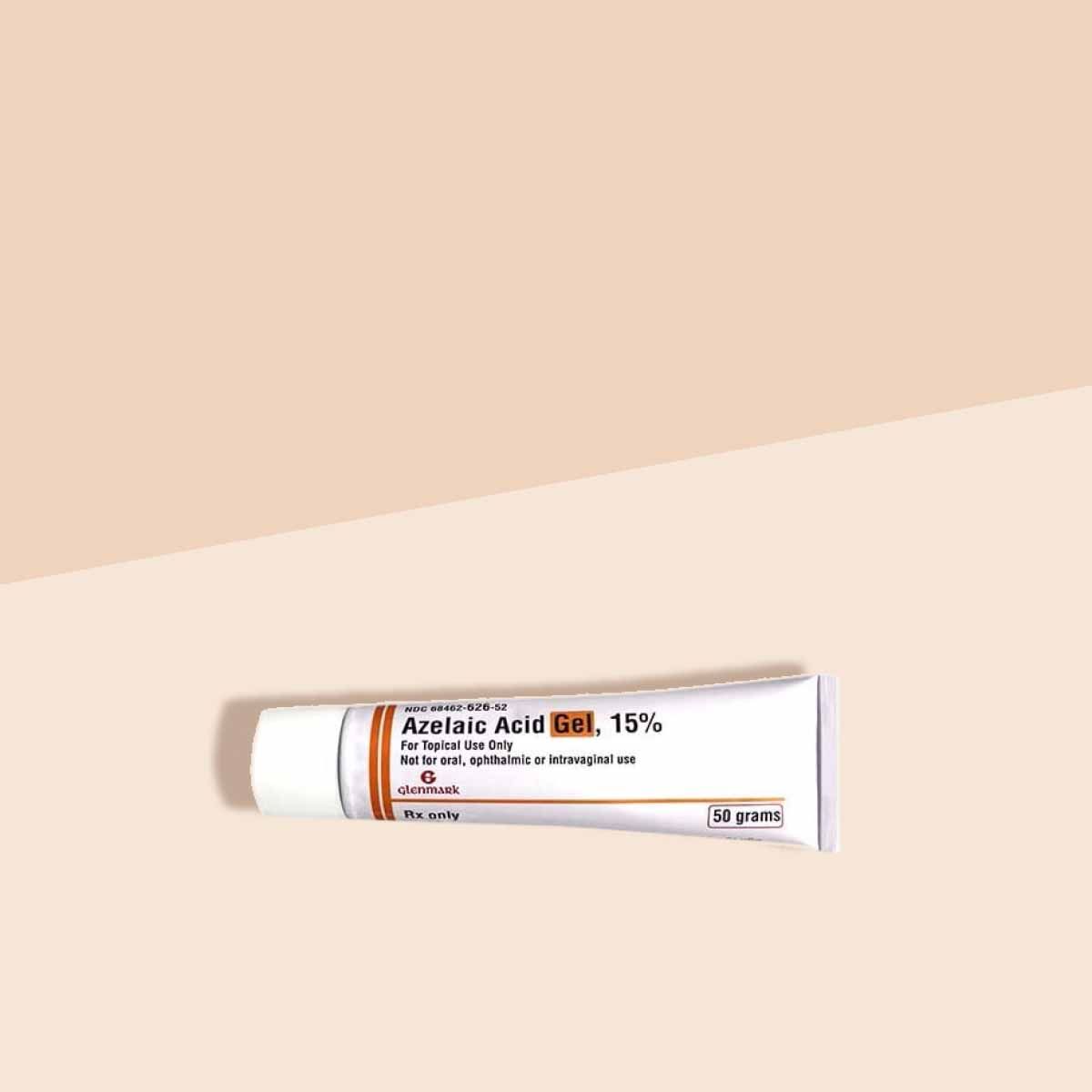
Azelaic Acid Gel (15%)
Starting at $19
An effective prescription active gentle enough for sensitive skin, pregnancy, and breastfeeding.