Hypothyroidism Treatment:
Diagnosis, Medications & When to Start
Published July 22, 2026
Written by Kathleen Morrison
Medically Reviewed by Andrea Sleeth WHNP-BC, MSCP
Key takeaways:
- Hypothyroidism happens when your thyroid gland doesn't produce enough thyroid hormone, which can cause fatigue, weight gain, brain fog, and more.
- Levothyroxine therapy is the first-line treatment for most types of hypothyroidism and works by restoring T4 levels that your body converts to the active T3 form.
- Liothyronine, combination therapy, and natural desiccated thyroid (NDT) are second-line options sometimes considered when Levothyroxine isn’t appropriate.
- TSH levels guide treatment decisions and dose adjustments; your provider will recheck labs every 6–8 weeks when you start or change medication.
- Subclinical hypothyroidism may or may not require treatment depending on your TSH level, symptoms, age, pregnancy status, and other medical conditions, such as heart disease.
- Lifestyle changes such as balanced nutrition, regular movement, and sleep can help support thyroid health alongside medication for hypothyroidism.
Feeling wiped out even after sleeping eight hours? Gaining weight without changing a thing? Constantly cold when everyone else is perfectly comfortable? Your body might be waving a little red flag, and that flag could indicate an underactive thyroid (hypothyroidism).
The good thing is, hypothyroidism treatment has come a long way with options like Levothyroxine, along with others.
That means most people who have hypothyroidism can help manage their symptoms well with the right care plan and ongoing thyroid medication refills.
Here's what to know about the different types of treatment options available, what the symptoms look like, and how treatment actually works.
Wisp treatment options are available only after consultation with a licensed medical professional, if medically appropriate. You should consult with your healthcare provider before starting a new supplement or treatment regimen. Individual results may vary. For medication details and risks, see site for details.
What is hypothyroidism?
So, what is hypothyroidism exactly? Your thyroid gland (that butterfly-shaped gland at the base of your neck) isn't producing enough thyroid hormone to keep your metabolism running at its usual pace.
Since thyroid hormones touch everything from heart rate to body temperature to digestion, when production slows down, you feel it everywhere.
Hypothyroidism occurs most commonly as primary hypothyroidism, meaning the thyroid gland itself underperforms.
A very common cause is an autoimmune condition called Hashimoto's thyroiditis. In this condition, the immune system gradually affects the thyroid over time, which can reduce how well it functions.
Getting familiar with thyroid speak
Before you get any further, let's quickly gloss over a few lab terms that often come up during thyroid conversations:
- TSH (Thyroid-Stimulating Hormone): A hormone made by the pituitary gland that tells your thyroid how hard to work. Think of it like your body's "hey, make more thyroid hormone!" signal.
- Free T4 (Free Thyroxine): One of the main thyroid hormones your thyroid produces. The “free” part means the amount available for your body to use.
- T3 (Triiodothyronine): The more active thyroid hormone that helps your body use energy and supports many body functions.
You might also hear about subclinical hypothyroidism, which is considered a milder form. In lab testing, TSH may be higher than expected while free T4 remains within the normal range, and some people may have few symptoms or none at all.
Hypothyroidism symptoms in women
The symptoms of hypothyroidism tend to develop slowly, which is part of why they're so easy to brush off as stress or "just getting older."
Common symptoms of hypothyroidism include:
- Persistent fatigue and low energy that doesn't improve with rest
- Unexplained weight gain
- Feeling cold, especially in the hands and feet
- Constipation
- Dry skin, brittle nails, and dry or coarse hair
- Hair thinning or hair loss
- Brain fog, slowed thinking, or difficulty concentrating
- Low mood or depression
- Heavier or irregular periods
- Puffy face, particularly around the eyes
- Slowed heart rate
- Muscle weakness or aches
How hypothyroidism is typically diagnosed
Diagnosis is confirmed by an in-person provider through blood work. The typical process looks something like this:
- A TSH blood test is ordered first; it's the most sensitive marker for thyroid function
- If TSH is elevated, free T4 is checked to confirm the diagnosis and assess severity
- Thyroid antibody testing may be added to identify autoimmune hypothyroidism as the underlying cause
- Thyroid function tests may be repeated within 6–8 weeks for borderline results, since levels can fluctuate
When treatment of hypothyroidism typically begins
Not everyone needs to start medication right away. The decision depends on your TSH level, symptoms, age, and overall health picture.
For most adults younger than 70, it's generally recommended to start treatment when TSH rises above 10 mIU/L, even without clear symptoms.
The treatment of subclinical hypothyroidism between 4.0 and 10.0 mU/l is more nuanced, and individualized care is what matters here.
Note: Untreated hypothyroidism can worsen over time. Severe hypothyroidism may cause myxedema, a serious condition. In extreme cases, hypothyroidism can cause myxedema coma, a rare but life-threatening medical emergency that requires immediate in-person care.
Common hypothyroidism treatment approaches
For most people who are diagnosed with hypothyroidism, thyroid hormone replacement is the foundation of care.
Here's how the main options break down.
Levothyroxine (first-line)
Levothyroxine is the first-line treatment for patients with primary hypothyroidism and most other types, and has been the standard for decades.
It's a synthetic form of T4 (the primary hormone your thyroid gland produces naturally), and your body converts it to the active T3 form as needed.
Levothyroxine works by replacing the thyroid hormone your body isn't making enough of on its own.
After starting Levothyroxine treatment or adjusting the thyroid hormone dose, TSH is typically rechecked in 6–8 weeks.
Once hormone levels stabilize, thyroid function tests are usually done annually, unless symptoms change or circumstances shift. This could mean anything from pregnancy to new medications and/or significant weight changes.
Side effects of Levothyroxine are most commonly associated with taking too high or too low a dose of levothyroxine rather than the medication itself.
Signs of taking too high a dose may include:
- Heart palpitations or increased heart rate
- Tremors, nervousness, or irritability
- Headache
- Sleep problems or insomnia
- Diarrhea
- Changes in menstrual periods
- Headache
Signs of taking too low a dose may include:
- Persistent fatigue or sluggishness
- Hair loss (often temporary when starting treatment)
- Continued weight gain
- Cold intolerance
- Changes in weight or appetite
This is not a complete list of risks and side effects, and others may occur. If symptoms worsen or you notice signs of an allergic reaction, contact a provider right away.
Other second-line options for hypothyroidism treatment
If standard Levothyroxine therapy isn't fully addressing symptoms, an in-person provider may discuss additional options:
Liothyronine (second-line)
Liothyronine is a man-made form of T3 (the active thyroid hormone your body uses directly).
It is a second-line option and is not considered a first-line treatment for hypothyroidism.
It may be considered in select cases, such as when someone doesn't convert T4 to T3 well, or when persistent symptoms of hypothyroidism remain despite well-optimized Levothyroxine therapy.
An in-person provider will assess whether it may be appropriate based on your specific situation.
Unlike Levothyroxine, Liothyronine has a shorter half-life, which means hormone levels may fluctuate more throughout the day. It also requires closer monitoring.
Most side effects of liothyronine occur when your dosage is too high or too low, not because of the medication itself.
Side effects of a high dose may include:
- Headache
- Tremors (shakiness)
- Feeling nervous or irritable
- Increased appetite with unintended weight loss
- Diarrhea
- Menstrual irregularities
Side effects of a low dose may include:
- Persistent fatigue or sluggishness
- Cold intolerance
- Constipation
- Dry skin or hair loss
- Weight gain
This is not a complete list of risks and side effects, and others may occur. If symptoms worsen or you notice signs of an allergic reaction, contact a provider right away.
Combination therapy (T4 + T3)
Taking Levothyroxine and Liothyronine together aims to more closely mimic what a healthy thyroid naturally produces.
It isn't routinely recommended, but it may be considered in select patients since it requires more complex dosing and closer follow-up.
Side effects overlap with those of each individual medication and may be compounded.
Natural desiccated thyroid (NDT)
This medication is derived from animal thyroid glands and contains both T4 and T3. NDT is not considered a first-line option by major medical organizations.
It's also not FDA-approved, though it's regulated and available by prescription. Besides, potency can vary between batches, which may make it more challenging to maintain stable thyroid hormone levels, and insurance coverage is often inconsistent.
Side effects of NDT are most commonly associated with taking too high or too low a dose of NDT.
Signs of taking too high a dose may include:
- Heart palpitations or increased heart rate
- Tremors, nervousness, or irritability
- Headache
- Sleep problems or insomnia
- Diarrhea
- Changes in menstrual periods
- Headache
Signs of taking too low a dose may include:
- Persistent fatigue or sluggishness
- Hair loss (often temporary when starting treatment)
- Continued weight gain
- Cold intolerance
- Changes in weight or appetite
This is not a complete list of risks and side effects, and others may occur. If symptoms worsen or you notice signs of an allergic reaction, contact a provider right away.
Wisp does not prescribe or manage Liothyronine, Combination therapy (T4 + T3), or Natural desiccated thyroid (NDT) therapy. If you believe either of these may be appropriate for your situation, please consult an in-person provider for evaluation, treatment recommendations, and ongoing monitoring.
Lifestyle approaches that can help support thyroid health
Medication is the foundation for hypothyroidism treatment, but daily habits may help support how you feel alongside your treatment.
- Iodine balance: Your thyroid needs iodine to produce hormones, though too much may worsen autoimmune thyroid conditions. Balance matters, folks!
- Nutrient support: Selenium-rich foods (Brazil nuts, fish, eggs) may help support thyroid function.
- Medication timing: If taking Levothyroxine, give it space from high-fiber foods, soy, and iron and calcium-rich meals to help support absorption.
- Gentle movement: Regular activity may help support energy and mood, particularly as hormone levels stabilize with treatment.
- Sleep consistency: Prioritizing regular sleep schedules can help with the tiredness associated with thyroid disorders.
- Stress management: Chronic stress can compound hypothyroidism symptoms. Finding sustainable ways to support your mental health can make a real difference.
- Regular check-ins: Routine monitoring helps your provider guide treatment adjustments over time.
Getting thyroid care without the in-person wait
Staying on top of your thyroid medication matters because lapses can bring symptoms roaring back fast.
Whether you're between providers, navigating an endocrinology waitlist, or dealing with an insurance gap, Wisp's Pill Bridge (Thyroid Medication Refill) is built for exactly that moment.
If you have an existing hypothyroid diagnosis, a current prescription, and recent labs, Pill Bridge offers a one-time 90-day supply of your existing hormone replacement medication (Levothyroxine).
Because when life gets messy, your care plan shouldn’t have to.
Most prescriptions are sent to your pharmacy within 3 hours of completing your patient intake form and secure chat or video call when necessary. Pending retail pharmacy hours.
This blog post is for informational and educational purposes only and should not be taken as professional advice. Always consult with a qualified professional before making any decisions based on the information provided here.
Trusted Treatments
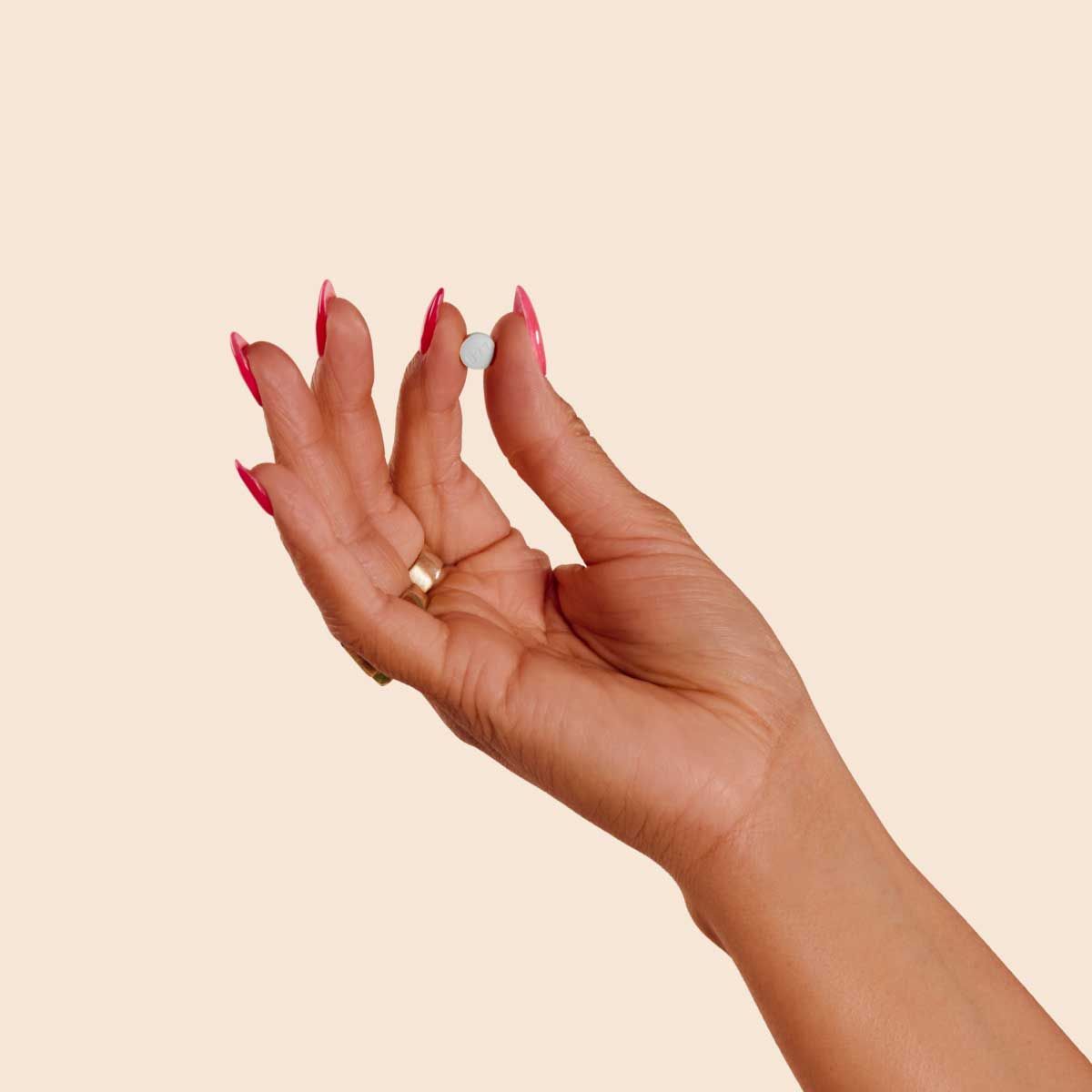
Thyroid Medication Refill
$39
Hypothyroid medication refills for those with a pre-existing prescription.