Written by Kathleen Morrison
Medically Reviewed by Andrea Sleeth WHNP-BC, MSCP
Key takeaways
- Chronic stress can disrupt multiple hormones, including cortisol, thyroid hormones, and sex hormones like estrogen and progesterone.
- Physical signs of hormonal imbalance include weight changes, fatigue, sleep problems, hot flashes, and hair or skin changes.
- Emotional symptoms like mood swings, anxiety, low libido, and brain fog can be linked to stress-driven hormone shifts.
- Supporting your body with sleep, nutrition, gentle exercise, and mindfulness can help support or maintain hormone balance over time.
- Early testing and professional guidance—through at-home hormone tests or telehealth consults—can pinpoint imbalances and guide effective treatment.
Totally. Stress can throw your hormones off in a big way, and it happens more often than you’d think. When you’re juggling deadlines, life changes, relationship stuff, or just trying to keep your head above water, your body shifts into “survival mode.” That shift sends your endocrine system into overdrive, and suddenly, the hormones that keep everything running smoothly aren’t playing nice with each other anymore.
When that balance gets shaken up, you might notice all kinds of things—changes in your cycle, mood swings that feel out of nowhere, stubborn weight changes, or sleep that just will not cooperate. It’s not “in your head,” it’s literally your hormones responding to the stress you’re carrying.
But once you understand how stress shows up in your body, you can start paying attention to the patterns and take steps to get your hormones back on your side. It’s all about tuning into what your body’s been trying to tell you.
How does stress affect your hormones?
When life gets overwhelming, your adrenal glands (the tiny but mighty glands above your kidneys) start pumping out cortisol to help you push through. That’s helpful short-term, but when stress sticks around, your cortisol levels stay high for longer than your body actually wants.
What your adrenal glands do when you're stressed
Your adrenal glands produce cortisol and other hormones that help you handle challenges. But when you’re juggling deadlines, emotions, and everyday chaos, they have to work overtime. Constant stress means the pituitary gland is calling for constant cortisol, and that can throw off the balance of other hormones that control your cycle, sleep, energy, and sexual health.
How the fight-or-flight response works
Your body reacts to everyday stress the same way it would if you were in real danger. Within seconds, your heart starts racing, your breathing shifts, your blood pressure rises, and your nervous system floods your body with adrenaline. Then your brain signals your adrenals to release even more cortisol. Great.
Why modern stress confuses your body
Your body can’t tell the difference between “I’m unsafe” and “I have a million things to do.” So the stress response stays switched on way too often.
Over time, that constant hormonal rollercoaster can leave you feeling wired, exhausted, moody, or just not like yourself, and it can throw your whole hormonal balance off track.
Common signs of a hormonal imbalance
When your hormones start doing their own thing, the signs aren’t always obvious at first. They usually creep in slowly, so it’s easy to blame them on stress, a busy schedule, or just “getting older.” But once you know what to look for, you can spot the shifts early and actually do something about them.
Physical changes
Your body is usually the first one to spill the tea. A few common signs include:
- Weight settling around your midsection, even when your habits haven’t changed
- Energy levels that bounce between “I could nap forever” and “why am I wide awake at midnight?”
- Menstrual cycles that suddenly go irregular, heavier, or more painful
- Skin acting like it’s going through puberty 2.0 (especially jawline breakouts)
- Hair thinning in places you want it and popping up randomly where you don’t
- Hot flashes or night sweats showing up long before you expected them
These shifts happen because stress and hormones are connected, and when one gets messy, the rest tend to join the party.
Emotional changes
Your mood is just as sensitive to hormonal changes as your body. But can anxiety cause a hormonal imbalance? Unfortunately, yes, kind of. The anxiety–hormone relationship goes both ways: hormonal imbalances can stir up anxiety, and anxiety can make hormonal symptoms louder.
You might notice:
- Mood swings that feel totally random
- Anxiety showing up out of nowhere
- Mental health issues like low moods or depression that make everything feel heavier
- Brain fog that makes focusing or remembering simple things a challenge
- Low libido that leaves you feeling disconnected from yourself or your partner
- Irritability that turns tiny things into big reactions
If any of this sounds familiar, you’re not imagining it. These symptoms are common, valid, and worth paying attention to, especially if they’re disrupting your daily life or your relationships. A quick and simple at-home hormone test could be the right first step and give you an idea of what might be going on, and, if and if safe and medically appropriate, get you prescriptions fast—either for pickup at a pharmacy or delivered straight to your door.
Wisp treatment options are available only after consultation with a licensed medical professional. You should consult with your healthcare provider before starting a new supplement or treatment regimen. Individual results may vary.
How stress affects your sex hormones
Can stress cause low estrogen? When your body is constantly on high alert, it prioritizes survival over reproduction. So, yes, that means production of sex hormones like estrogen, progesterone, and testosterone can take a hit.
For women, chronic stress can throw cycles out of whack. You might notice:
- Skipped periods or wildly inconsistent cycles
- Irregular ovulation that makes conception tricky
- Vaginal dryness that makes sex uncomfortable
- Shifts in vaginal pH that make infections more likely
- Changes in metabolism, weight gain, or reduced insulin sensitivity
Low progesterone also sneaks in with anxiety, insomnia, and a feeling of estrogen taking the spotlight. This combo can lead to heavier periods, breast tenderness, or flare-ups of conditions like endometriosis.
How stress disrupts your thyroid
Your thyroid gland might be small, but it’s a powerhouse for metabolism. Stress can throw it off, messing with how your body makes and uses thyroid hormones. High cortisol from ongoing stress can block the conversion of inactive T4 into the active T3 your body actually needs, which can leave you feeling sluggish—even if your thyroid-stimulating hormone (TSH) numbers look “normal.”
How your metabolism changes
When thyroid hormones dip, your metabolism can hit the brakes. You might notice:
- Weight that won’t budge, no matter what you try
- Feeling cold all the time, especially in your hands and feet
- Slower digestion leading to bloating or constipation
Visible changes
Thyroid disruption can show up on the outside, too:
- Hair thinning or falling out in chunks
- Dry, rough, or thickened skin
These shifts can be frustrating and even affect your confidence, piling on extra stress. At-home testing can help you catch imbalances early, giving you some insight into what’s going on with your thyroid and how it’s affecting your body.
How to work on managing your stress
Balancing your hormones isn’t just about popping a pill, it’s about giving your body the TLC it needs to get back in sync. Stress plays a huge role in keeping your hormones out of whack, so tackling it head-on can make a noticeable difference. While full balance might take a few months, you’ll often notice small wins within weeks of making simple changes.
Lifestyle shifts
Sleep is your hormone MVP, and a consistent schedule can help give your body the chance to produce and regulate many hormones naturally. Plus, gentle movement and nutrition can help support hormone balance without overtaxing your system.
Try including:
- Daily gentle movement: walking, yoga, or light strength training
- A healthy diet: protein for hormone production, healthy fats for messaging, and plenty of veggies for estrogen metabolism
- Stress-busting habits: meditation, deep breathing, or mindfulness exercises to help calm stress hormone levels.
- Consistent sleep schedule: aim for a regular bedtime and wake-up time to reset your circadian rhythm
Get professional hormone support
Sometimes lifestyle tweaks aren’t enough, and that’s totally okay. Telehealth makes it easy to connect with a provider who really gets you and your hormones. At-home hormone tests can also give you a snapshot of your body’s levels, helping you and your provider choose the next steps.
Consider:
- Online hormone consults: get personalized guidance and prescriptions delivered to your door
- At-home hormone tests: monitor your estrogen, progesterone, and other key hormones without leaving home
- Targeted treatment options: from birth control adjustments to specific medications for hormonal balance
Stress less, feel more
Stress messes with your hormones more than most people realize—but knowing this gives you the upper hand. Chronic stress can throw your reproductive, thyroid, and metabolic hormones out of whack, but you don’t have to just live with it. Small changes in your lifestyle for managing stress, paired with the right professional support, can help you get back on track and start feeling like yourself again.
Want a clearer picture of your hormones? Wisp makes it easy to check in on your body from home. With at-home hormone tests and telehealth support, you can get the insights and guidance you need—plus same-day prescriptions* if necessary—so you can tackle symptoms and stress head-on without skipping a beat.
Take your first step today: explore Wisp’s at-home hormone tests and chat to a provider for personalized support.
*Most prescriptions are sent to your pharmacy within 3 hours of completing your medical intake form and phone call or video chat when necessary.
This blog post is for informational and educational purposes only and should not be taken as professional advice. Always consult with a qualified professional before making any decisions based on the information provided here.
Trusted Treatments
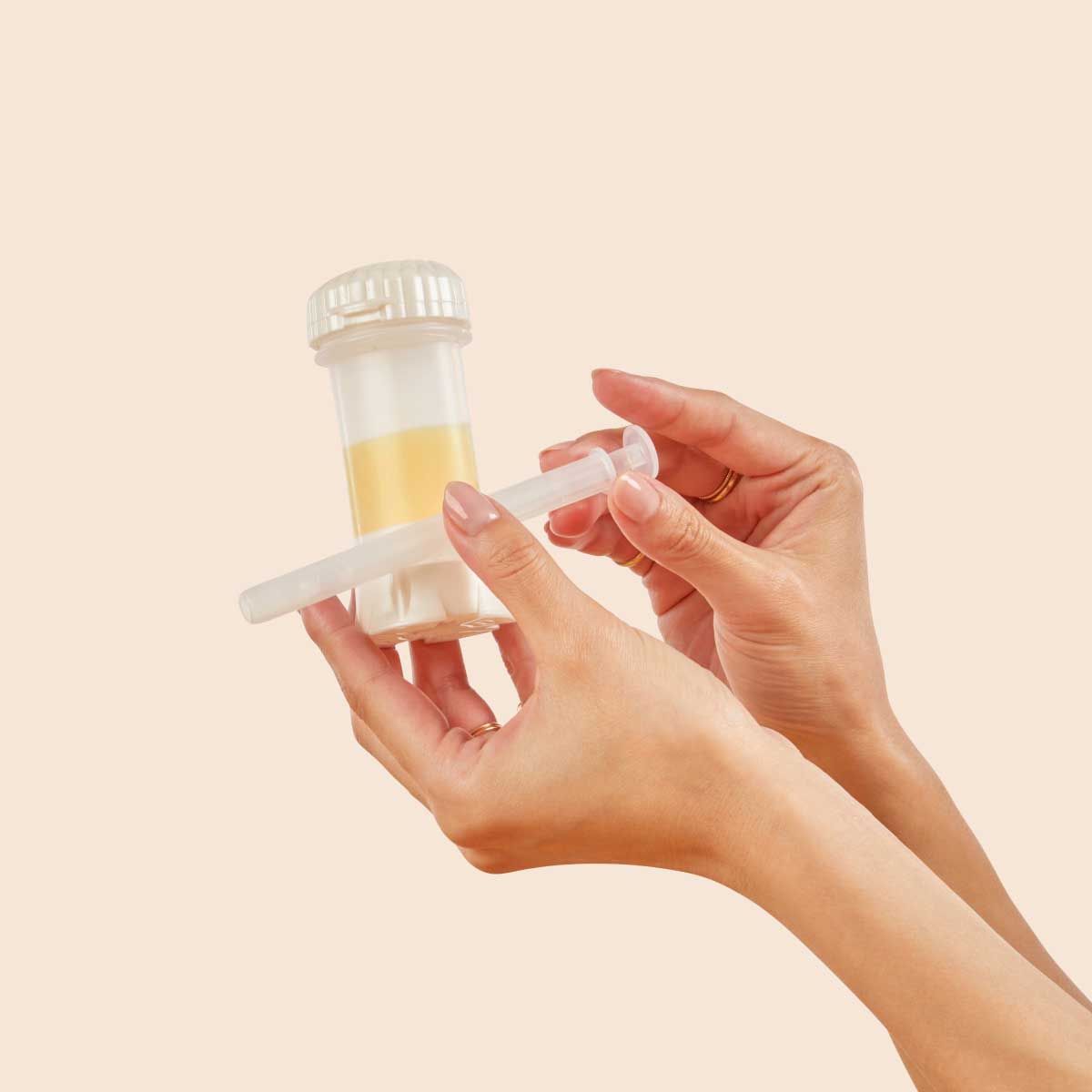
Non-Hormonal Vaginal Moisturizer
Starting at $60
Hormone-free moisture for all life stages, including breastfeeding, postpartum, and menopause.