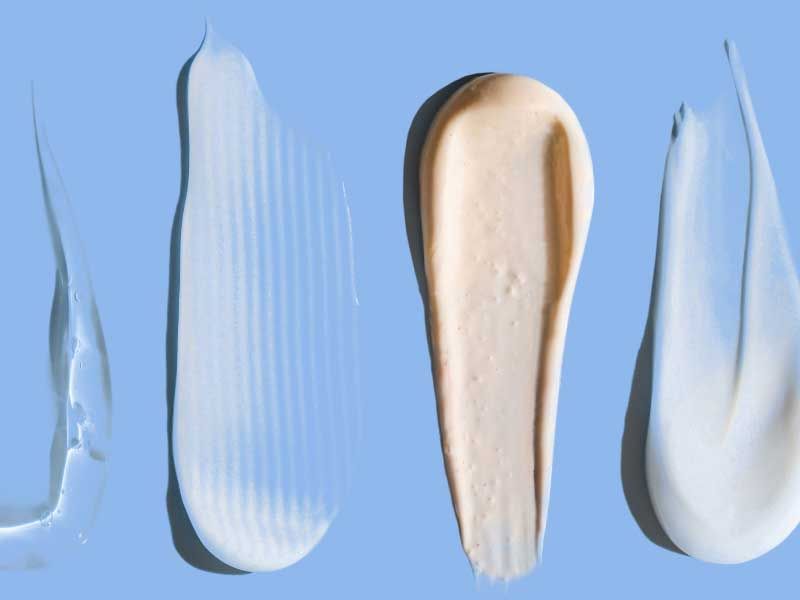
Azelaic Acid for Skin:
Benefits, Uses, and Side
Effects Explained
Published on August 17, 2026
Written by Kathleen Morrison
Medically Reviewed by Dr. Shannon Chatham, DO, a healthcare provider affiliated with Wisp
Key takeaways
- Azelaic Acid is a naturally occurring dicarboxylic acid (found in grains like wheat and barley) used in topical skin care to help address acne, redness, and uneven skin tone.
- Over-the-counter Azelaic Acid products come in up to 10% concentrations.
- Prescription-strength Azelaic Acid 15% gel is FDA-approved for mild-to-moderate rosacea and is also used *off-label to help clear acne, calm redness, and even skin tone over time.
- Prescription-strength Azelaic Acid 20% cream is available through in-person providers and is FDA-approved for acne.
- This gentle skin care ingredient works for most skin types, including sensitive skin and melanated skin, and is generally considered safe for those who are pregnant or breastfeeding (though you should always consult with your OB provider first).
- Results take consistency. Expect a few weeks of treatment before seeing noticeable improvement.
- Side effects are typically mild: pain, burning, stinging, or tingling, itching, irritation, and dry or scaly skin that usually resolves as your skin adjusts.
*This specific use of this prescription medication is not approved by the U.S. Food and Drug Administration (FDA). Such use, known as “off-label” use, may be prescribed by a licensed healthcare provider based on their clinical judgment. The safety and effectiveness of medications for off-label uses may not be established by the FDA. This information is for educational purposes only and is not medical advice. Always consult your healthcare provider regarding treatment decisions.
If your skin's juggling breakouts, redness, or those stubborn dark marks that stick around way too long (you know, the ones that outlast the pimple by months), Azelaic Acid might be the quiet MVP your skin care routine has been missing.
This topical treatment comes in different strengths — from over-the-counter formulas at up to 10% to prescription-strength options at 15–20%.
At prescription concentrations, Azelaic Acid can help with mild to moderate rosacea, clear acne, and support even skin tone over time.
The best part? It plays nicely with most skin types.
Let's break down the different formulations, what this ingredient actually does, who it's for, and how to make it work in your routine.
Wisp treatment options are available only after consultation with a licensed medical professional, if medically appropriate. You should consult with your healthcare provider before starting a new supplement or treatment regimen. Individual results may vary. Must be 18 or older. For medication details and risks, see site for details.
Azelaic Acid concentrations and formulations
Not all Azelaic Acid products are created equal, and the concentration you choose can help make a real difference.
OTC formulations (up to 10%)
Available as serums, creams, and suspensions, these are a reasonable starting point for general skin care concerns like mild uneven skin tone or occasional breakouts.
However, OTC concentrations are not FDA-approved for any specific skin condition, and the lower strength means results may take longer or fall short altogether.
Wisp does not offer OTC Azelaic Acid formulations. For over-the-counter options, explore your options at your local pharmacy.
Prescription 15% Azelaic Acid gel
This is where Azelaic Acid really earns its reputation. At 15%, you're getting a prescription-strength formula that's FDA-approved for the inflammatory papules and pustules of mild to moderate rosacea.
It's the concentration most commonly recommended by providers for addressing redness, acne, and dark spots together.
The gel formulation at this strength tends to absorb well, layers easily under moisturizer and sunscreen, and delivers a meaningful step up from OTC without the intensity of stronger prescription actives like retinoids.
If you've been stuck in the OTC aisle, wondering why nothing's really moving the needle, a prescription-strength 15% Azelaic Acid gel may be the next step worth exploring.
Prescription 20% Azelaic Acid cream
Approved for mild to moderate acne, 20% Azelaic Acid cream is another prescription option. It's a higher concentration, but the cream base can feel heavier than gel formulations and may not suit all skin types.
Wisp does not offer 20% Azelaic Acid cream. For this formulation, consult an in-person provider for evaluation and treatment recommendations.
Key benefits of Azelaic Acid you should know
Most actives are one-trick ponies. Azelaic Acid is more of a multitasker, which is part of why a dermatologist might suggest it for people dealing with multiple skin conditions.
At prescription strengths, Azelaic Acid is FDA-approved to address specific concerns. Here's what it can help with:
1. Helping with acne lesions
Prescription 15% Azelaic Acid Gel is FDA-approved for mild-to-moderate rosacea, and 20% Azelaic Acid cream is FDA-approved for mild-to-moderate acne.
The 15% gel is also used off-label to help improve acne and support an even skin tone over time.
Azelaic Acid works on both comedonal (clogged pores) and inflammatory acne. Many people also find it easier to stick with long-term than harsher acne treatments, especially if their skin tends to be sensitive or easily irritated.
2. Fading dark spots and uneven skin texture
Post-inflammatory hyperpigmentation, the dark marks left behind after a breakout heals, tends to respond well to consistent off-label use of Azelaic Acid at prescription strengths.
For stubborn spots, off-label pairing of Azelaic Acid with niacinamide may offer extra brightening support. (More on layering below.)
As for skin texture, it can help keep pores clearer and support a more balanced skin cell turnover process.
It's not the kind of ingredient that delivers dramatic overnight results, but with consistent use, many people notice their skin starts to look a little more refined and even.
How long does Azelaic Acid take to visibly reduce dark spots and texture?
Azelaic Acid isn't an overnight fix (spoiler: nothing is). Your symptoms may not improve for the first couple of weeks, and for dark spots and textural changes, consistency over the next few weeks is required to see noticeable results.
3. Soothing redness
Prescription 15% Azelaic Acid gel is FDA-approved for the treatment of mild to moderate rosacea.
Rosacea-prone skin often reacts badly to common skin care actives, but Azelaic Acid can help with the visible redness, bumps, and irritation associated with this condition.
Even if you don't have diagnosed rosacea but deal with general facial redness or sensitivity, the calming properties of Azelaic Acid may help.
4. A good fit for sensitive skin
Some active ingredients seem to demand a trade-off: clearer skin, but with plenty of irritation along the way.
Azelaic Acid tends to be different. While it can still cause mild tingling or redness when you first start using it, it's generally considered one of the more sensitive-skin-friendly actives.
That's part of why it's often recommended for people who find stronger exfoliants, retinoids, or acne treatments difficult to tolerate.
The "secret" behind the benefits: How Azelaic Acid works
Understanding what Azelaic Acid actually does inside your skin helps explain why it's so versatile.
Unlike single-purpose actives, this ingredient can help tackle multiple concerns at once through four distinct mechanisms.
That's why providers often recommend it for people dealing with both rosacea and acne, or breakouts alongside discoloration at the same time.
- Antibacterial action:
Azelaic Acid creates an environment that's less hospitable to bacteria that contribute to inflammatory breakouts.
- Anti-inflammatory properties:
Beyond addressing bacteria, Azelaic Acid has anti-inflammatory properties.
It may help reduce the production of reactive oxygen species (free radicals) that contribute to redness and swelling in acne lesions and rosacea flares.
- Tyrosinase inhibition:
Here's where Azelaic Acid really shines for hyperpigmentation. It is believed to inhibit tyrosinase, the enzyme responsible for melanin production. Slowing this process may gradually help brighten dark spots and support a more even skin tone.
- Keratolytic effect:
"Keratolytic" is a fancy way of saying Azelaic Acid helps remove the buildup of dead skin cells that can get trapped inside pores.
Azelaic Acid supports a more normal shedding process, which may reduce the mix of dead skin cells and oil that can lead to clogged pores and breakouts.
How to layer Azelaic Acid in your skin care routine
- Cleanse with a gentle cleanser and pat your skin dry.
- Apply a pea-sized amount of Azelaic Acid evenly over your face twice a day (morning and evening).
- Follow with a moisturizer.
- In the morning, always finish with a broad-spectrum sunscreen (SPF 30 or higher).
A few tips:
- Azelaic Acid pairs well with ingredients like niacinamide and hyaluronic acid.
- If you're also using retinol, alternate between the two on different nights.
- Azelaic Acid can be combined with salicylic acid or AHAs like glycolic acid, but introduce them one at a time and watch how your skin responds.
- If you're new to combining actives, start by alternating them on different days or splitting them AM/PM, and scale up only if your skin tolerates it well.
- Avoid contact with eyes, mouth, and mucous membranes.
Side effects of Azelaic Acid and how to manage them
Most people tolerate Azelaic Acid well, but knowing what to expect helps you stick with it through the adjustment period.
Common side effects of topical Azelaic Acid may include:
- Pain, burning, stinging, or tingling
- Dry or scaly skin
- Itching
- Irritation
These reactions typically decrease as your skin adjusts. If you're experiencing significant irritation, scale back to every other day and make sure you're using a solid moisturizer and sunscreen; a gentle, fragrance-free formula works best.
Serious side effects that require immediate in-person medical attention:
- Severe burning, stinging, or warmth
- Severe itching or tingling
- Facial swelling
- Severe redness, dryness, peeling, or other irritation
- Changes in skin color
- New or worsening breathing problems (especially if you have asthma)
Although Azelaic Acid is considered safe for most skin types, individual reactions vary. If you have eczema or very compromised skin, patch test first and introduce the product slowly.
If irritation persists beyond the first few weeks of treatment or becomes severe, stop use and consult your provider.
This is not a complete list of risks and side effects, and others may occur. If symptoms worsen or you notice signs of an allergic reaction, contact a provider right away.
Who should (and shouldn't) reach for Azelaic Acid
Azelaic Acid is a safe and gentle option for many skin types, and you might be a good candidate if you're dealing with:
- Mild to moderate acne that hasn't loved salicylic acid or benzoyl peroxide
- Post-acne dark spots or general uneven skin tone
- Rosacea with visible bumps and flushing
- Sensitive skin that can't tolerate retinol or stronger acids
Is this dicarboxylic acid ingredient safe to use while pregnant or breastfeeding?
Azelaic Acid is generally considered one of the safer topical options during pregnancy, and many providers are comfortable recommending it. However, you should always confirm with your provider or OB-GYN before adding anything new to your routine while pregnant or breastfeeding.
Find the right skin care support for you
Azelaic Acid earns its spot in skin care routines because it helps deliver on multiple fronts: clearer skin, faded dark spots, and calmer redness.
Wisp's Azelaic Acid Gel (15%) is a prescription-strength formula that can help target acne, mild to moderate rosacea, and hyperpigmentation.
Getting started is simple. Complete a quick online consultation, and if it's appropriate for you, a licensed provider will prescribe your treatment.
No in-person waiting room. No judgment. Just skin care that actually works as hard as you do.
This blog post is for informational and educational purposes only and should not be taken as professional advice. Always consult with a qualified professional before making any decisions based on the information provided here.
Trusted Treatment
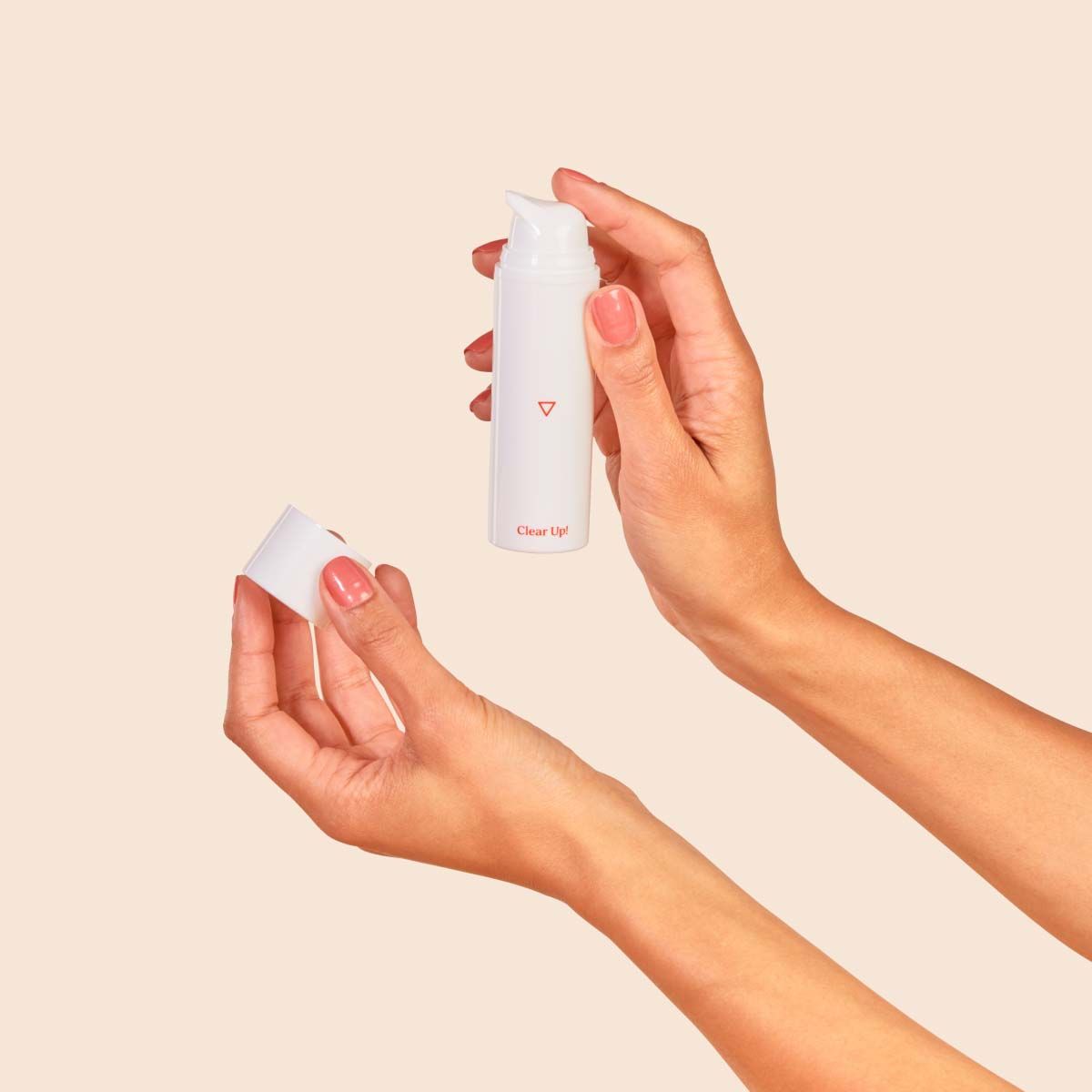
Clear Up! Prescription Acne Cream (Clindamycin + Retin A)
Starting at $75
Tretinoin 0.04%, Clindamycin 1.25%, Niacinamide 4% Prescription treatment for inflamed and stubborn acne.
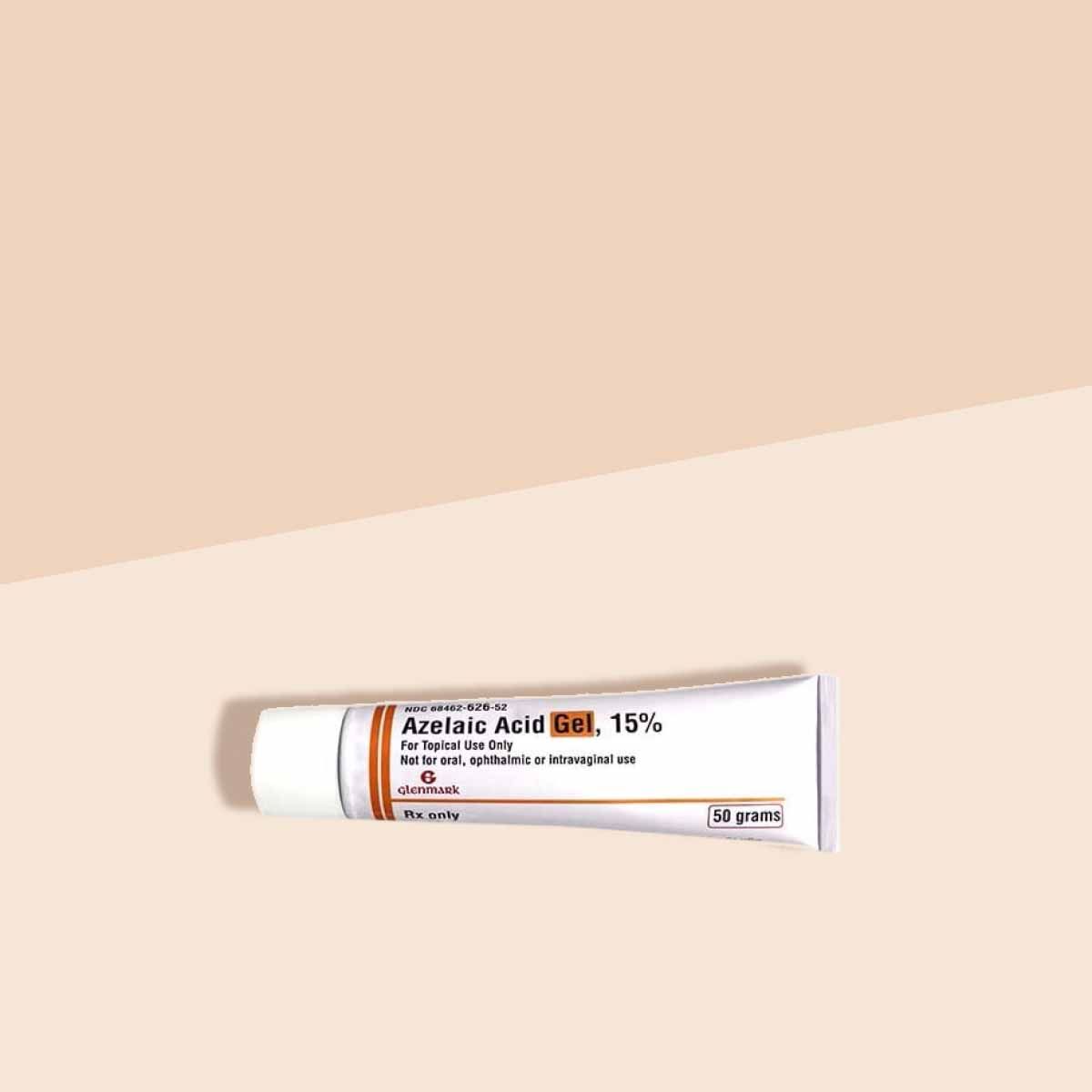
Azelaic Acid Gel (15%)
Starting at $19
An effective prescription active gentle enough for sensitive skin, pregnancy, and breastfeeding.