Written by Written by Kathleen Morrison
Medically Reviewed by Andrea Sleeth WHNP-BC, MSCP
Key takeaways
- Vaping may affect fertility, but human evidence directly linking e-cigarette use to infertility is still limited. At the same time, "not proven" is not the same as "safe."
- Research has found associations between e-cigarette use and lower sperm counts in men, and a possibly lower monthly chance of conceiving in women; these are associations, not proof of cause.
- Most vapes contain nicotine, and e-cigarettes aren’t safe when you're trying to conceive.
- It takes about three months to make new sperm, so quitting a season before trying to conceive is a concrete step.
- If your cycles are irregular, vaping likely isn't the whole story; testing can help you see what is.
You've probably already been told to quit, possibly by a stranger on the internet, in ALL CAPS. So let's skip the lecture and answer the question everyone's asking: does vaping affect fertility, and by how much?
Vaping may affect reproductive health and has been associated with lower fertility markers in some human studies, but the evidence is thin. What we also don't have is evidence that it's safe for fertility.
So if you're actively trying to conceive, or just quietly protecting your options for later, quitting is one concrete thing you can control.
The other is knowing where you're starting from, because "is it the vape?" can be much easier to answer once you know what your cycle and your partner's numbers actually look like. At-home fertility testing gives you that baseline.
That said, here's what the research does and doesn't say about vaping and its association with fertility.
These statements have not been evaluated by the Food and Drug Administration. This product is not intended to diagnose, treat, cure, or prevent any disease. Individual results may vary.
First, what "fertility" actually means here
This is worth defining, because it explains why so many vaping headlines overreach.
Fertility is the ability to achieve a pregnancy; fecundability is your chance of conceiving in any given cycle. Both male and female reproductive factors can affect that process.
Vaping research doesn't measure all of this in the same way. Studies on vaping have looked at things like sperm health in men, reproductive or hormonal measures in women, and chances of conception. Those aren't the same as proving someone is infertile.
So "vaping causes infertility" is a pretty big leap from what the studies actually show.
Does vaping affect female fertility?
Human research here is thin.
A study done on 4,586 women trying to conceive found current e-cigarette use associated with slightly lower fecundability (the chance of getting pregnant in a given cycle), though the estimate was imprecise enough to also be compatible with no association.
Beyond that, claims about eggs, ovarian reserve, implantation, or miscarriage trace back to lab and animal work, or to what's known about smoking cigarettes rather than vaping.
Pregnancy is where the hedging stops. The CDC states that e-cigarettes are not safe during pregnancy.
If you're pregnant or might be, stopping is the advice.
Does vaping affect male fertility?
The human evidence is a bit sturdier here, though "sturdier" is doing relative work.
A study found that daily e-cigarette users had lower sperm counts and lower sperm concentration than non-users, even after adjusting for lifestyle factors.
Sperm count matters because conception requires enough sperm to survive a genuinely long commute and fertilize an egg. The catch is that only a small number of participants were daily users, the study was a snapshot rather than a follow-up over time, and the researchers said the findings need replication.
You'll also read that vaping wrecks sperm motility, morphology, and sperm DNA. Again, reasonable questions, not settled answers.
DNA fragmentation is associated with poorer outcomes in assisted reproductive technology, including treatments such as in vitro fertilization, but whether e-cigarette use drives it in people hasn't been shown; that concern comes from lab research, not human results.
How can vaping affect reproductive health?
Most of what you'll read about how vaping might affect fertility comes from cells in a dish and animal studies, not people trying to conceive. That's worth knowing up front, because it changes what the findings mean. This work can show that something is biologically possible. It can't show that it happens to you.
With that framing, nicotine is the common thread; it may narrow blood vessels and interact with the hormonal chain of command that tells your body when to ovulate and how much testosterone to make.
Lab and animal research also points to oxidative stress, a kind of cellular wear and tear that eggs and sperm may be especially sensitive to.
And nicotine isn't the whole picture. Vape aerosol carries solvents, flavorings, and trace metals, and some experimental work suggests those components may contribute on their own. Whatever the packaging aesthetic implies, it isn't water vapor.
Is vaping worse for fertility than smoking?
A fair question, and a permanently active one on Reddit, where every thread has someone insisting vapes are basically kale and someone's secondhand family story, neither of which is evidence.
The effects of smoking on fertility are severe and well documented. Research suggests that women who smoke may have higher rates of accelerated reproductive aging, and men who smoke may have lower sperm counts than non-smokers.
The FDA states that e-cigarettes can generally pose lower health risks than combustible cigarettes for adults who smoke, particularly with complete switching.
But that's a general health statement, not a fertility one. There isn't enough fertility-specific research to rank smoking and vaping, and both deliver nicotine.
Going nicotine-free doesn't automatically make the aerosol harmless either; research on the long-term effects of non-nicotine vaping products is limited.
Can quitting vaping improve fertility?
Nobody can promise a specific outcome. But quitting removes an exposure that reproductive health organizations advise against for anyone trying to get pregnant, and your body is more responsive than you'd think.
A few things that may help:
- Set a quit date, and taper if cold turkey isn't realistic. An in-person provider can talk through cessation options that fit your actual life.
- Support the basics. Sleep, purposeful movement, and a healthy diet may help support overall health while you make the switch.
And if you've been trying a while, vaping may not be the whole story. Stress and hormonal imbalance, or conditions like PMOS, are worth ruling in or out with a provider if medically necessary and appropriate.
Where that leaves you
Does vaping affect fertility? It may, across several plausible pathways, for male and female fertility both.
What research doesn't establish is that vaping causes infertility; what it equally doesn't establish is that vaping is safe for reproductive health. Both can be true at once, which is annoying but honest.
The good news: you don't have to wait for the science to catch up to do the thing that makes sense either way. Start with real information instead of midnight forensics on a two-year-old vape habit.
The Hers & His Advanced Fertility Kit can help you and your partner see what's actually going on.
And ladies, if you want insights into fertility AND other key hormone markers, the Female Hormone Health Panel lets you collect a blood sample at home to test for six key hormones linked to fertility, menopause, PMOS, and more. Once your results are in, a Wisp provider consult is included so you can review them together and talk through next steps.
No in-person waiting room (or raised eyebrows) required!
This blog post is for informational and educational purposes only and should not be taken as professional advice. Always consult with a qualified professional before making any decisions based on the information provided here.
Fertility Support
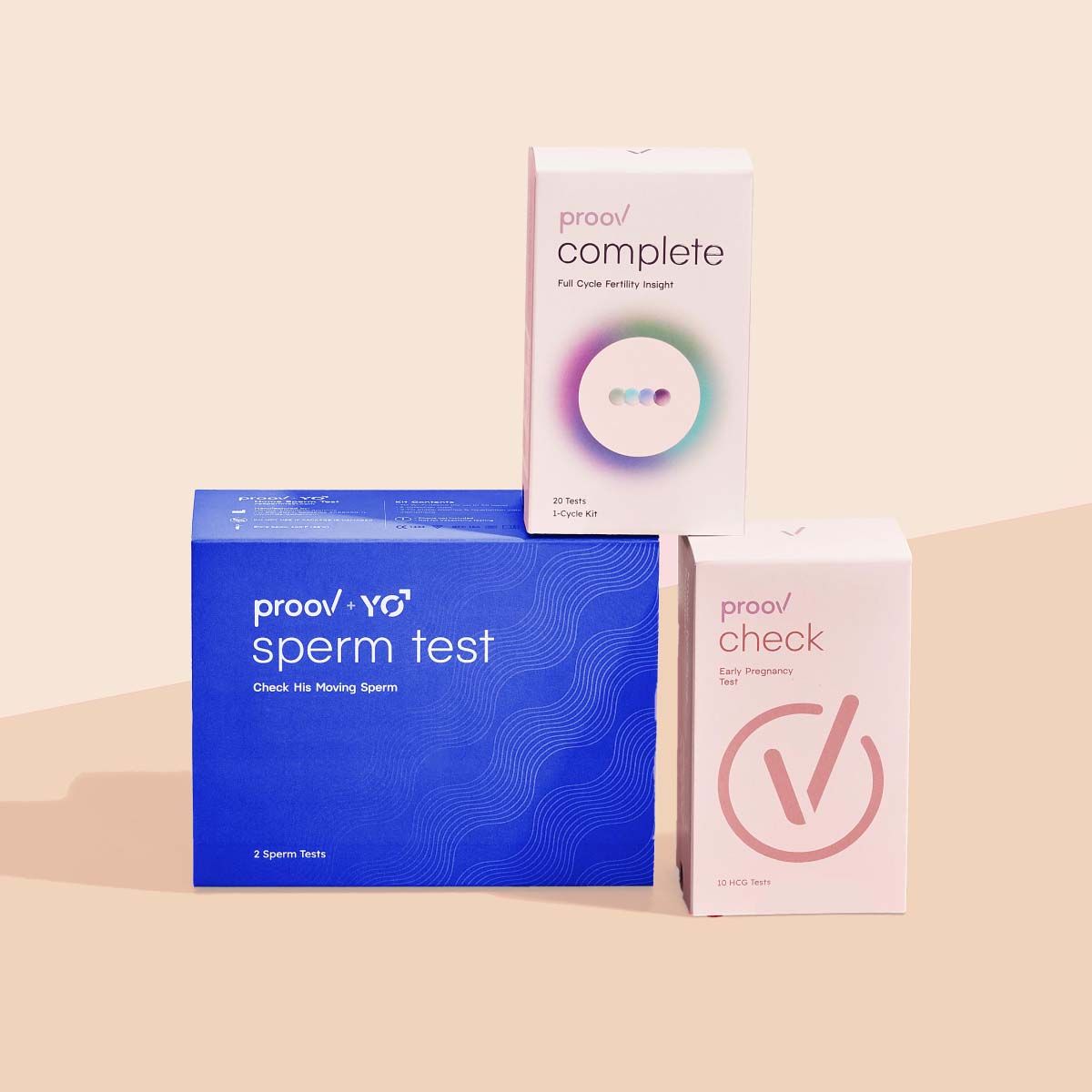
Hers & His Advanced Fertility Kit by Proov
$169.99
The only all-in-one fertility test kit for couples that covers both male and female testing
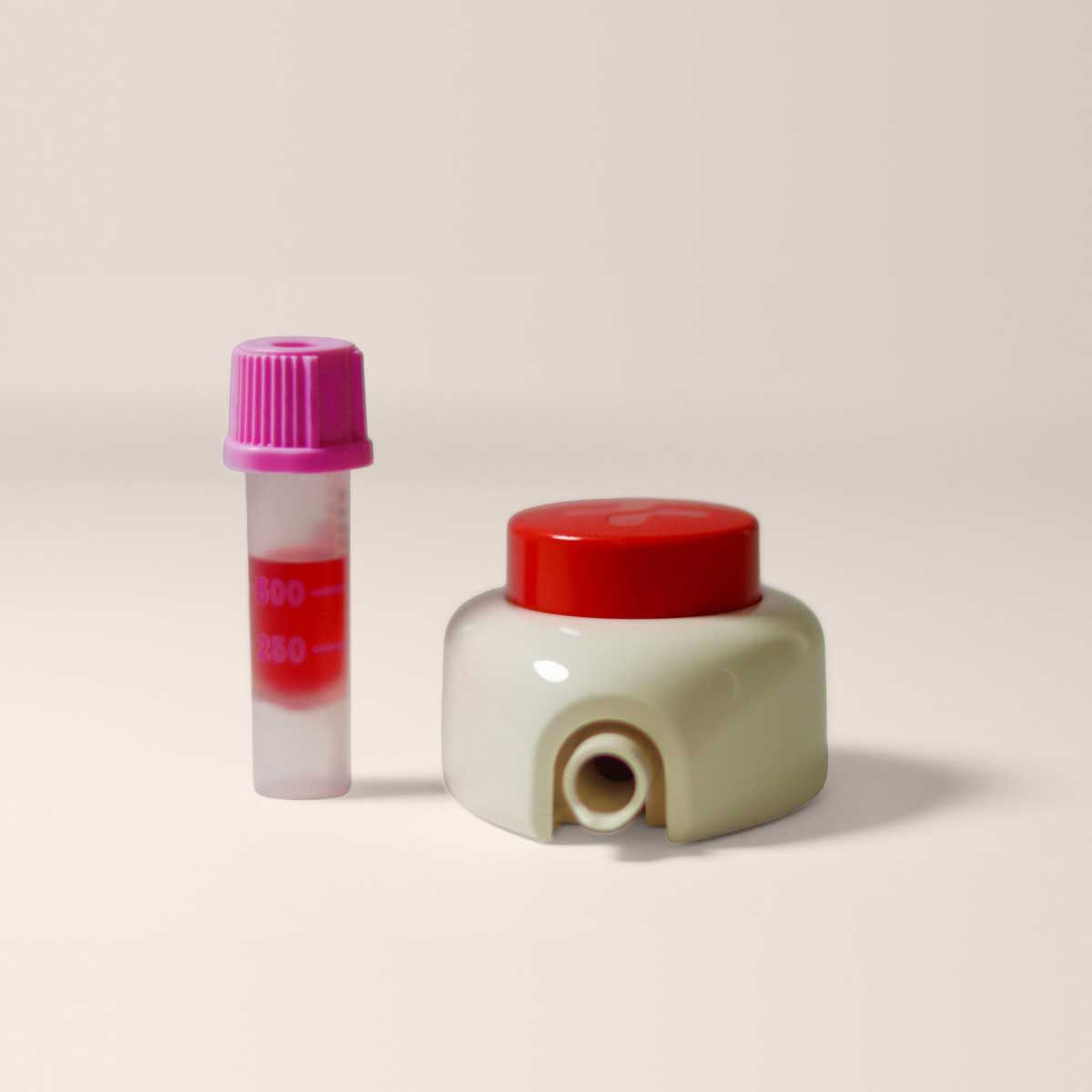
Wisp Female Hormone Health Panel
Starting at $229
At-home blood testing panel that covers 6 key hormonal health markers.