PCOS and Fertility:
Symptoms & Treatment Options
Published on February 3, 2026
Written by Kathleen Morrison
Medically Reviewed by Andrea Sleeth WHNP-BC, MSCP
Key takeaways
- PCOS is a common hormonal condition affecting many women of childbearing age and is one of the most common causes of fertility problems in women.
- Your ovaries may not release eggs regularly, but many women with PCOS still get pregnant with the right approach.
- Even modest lifestyle changes can improve your chances of getting pregnant naturally by helping restore regular ovulation and improving your menstrual cycle.
- Fertility medication like letrozole or clomiphene can improve pregnancy rates when lifestyle tweaks aren’t enough.
- Modern testing and telehealth treatment options available through platforms make getting answers easier than ever.
- Wisp offers Metformin treatment online, which helps with common PCOS symptoms and online testing.
If you’ve been diagnosed with PCOS (or think you might have it), you’re probably wondering: “Can I still get pregnant?”
Yes, absolutely!
PCOS causes hormonal imbalances that directly affect ovulation. You might notice irregular or missing periods, which is often the first clue that something’s up.
Understanding how PCOS affects your fertility puts you in control. With lifestyle tweaks, fertility medication, and modern tools, you have multiple paths to parenthood.
Let’s break down what you need to know about living with PCOS and your future fertility.
What is PCOS, and what does it do to your body?
Polycystic ovary syndrome (PCOS) is a hormonal disorder that affects how your ovaries function. The name refers to the small, immature ovarian follicles that can appear on the ovaries.
These follicles are sometimes called “cysts,” but not everyone with PCOS actually develops fluid-filled cysts.
Your ovaries normally produce hormones in a delicate balance to keep your cycle regular.
With PCOS, this balance gets thrown off. Your ovaries produce higher levels of androgens (male hormones that women also make in smaller amounts), interfering with normal egg development and release.
This hormonal chaos impacts everything from your periods to your metabolism.
How PCOS creates problems with ovulation and pregnancy
During a typical menstrual cycle, follicles in your ovary grow and mature, with one eventually releasing an egg.
With PCOS, multiple follicles may start developing but never fully mature. These partially developed follicles show up as small cysts on ultrasound.
The excess androgens throw a wrench in this process. Instead of one dominant follicle maturing and releasing an egg, the follicles stay small and immature, meaning ovulation happens irregularly or not at all. This is why patients with PCOS have unpredictable periods or struggle to conceive.
Without regular ovulation, your body doesn’t produce adequate progesterone, and estrogen levels stay elevated.
All of this leads to irregular periods and potential complications down the road, including infertility in women.
Spotting the signs: PCOS symptoms that affect fertility
PCOS symptoms go way beyond fertility. But when you’re trying to conceive, certain ones matter a lot more.
What makes PCOS frustrating is how these symptoms reinforce each other.
For example, many women with PCOS have insulin resistance, which leads to weight gain. This, in turn, worsens hormonal imbalance, which further disrupts ovulation.
Breaking this cycle often requires tackling multiple symptoms at once.
Irregular or missing periods
Irregular periods are often the first red flag. Cycles longer than 35 days, fewer than eight periods a year, or unpredictable bleeding usually point to ovulation problems.
Without consistent ovulation, identifying fertile windows becomes incredibly difficult.
Insulin resistance and weight struggles
Insulin resistance is one of the major complications in women with polycystic ovary syndrome. When your cells don’t respond properly to insulin, your body produces more, triggering excess androgen production and further disrupting ovulation.
Weight gain, especially around the midsection, can intensify this cycle. Managing insulin resistance through diet, movement, and sometimes medication can significantly improve fertility outcomes.
Other signs to watch for
Other common symptoms include:
- Hirsutism (facial or body hair growth)
- Acne from excess androgens
- Hair thinning or male-pattern hair loss
- Weight gain or difficulty losing weight
- Chronic inflammation, which may impact egg quality and implantation
- Mental health challenges like fatigue, mood disorders, or sleep apnea
While these signs don’t directly affect fertility, they can impact self-esteem and relationships.
None of this is a personal failure. It’s physiology. And once you understand what’s driving your PCOS symptoms, you can choose strategies that actually support your fertility goals.
So, can you actually get pregnant with PCOS?
Yes! And we can’t stress this enough.
Women with polycystic ovarian syndrome may face challenges, but most eventually conceive successfully.
PCOS is responsible for about 70% of anovulatory polycystic ovary cases, but doctors have tons of experience with treatments for infertility related to PCOS.
The irregular ovulation means eggs aren’t released predictably (or sometimes at all), making timing conception challenging and reducing your opportunities throughout the year.
Despite these challenges, many PCOS patients who receive treatment eventually conceive.
Even without medical intervention, many with mild symptoms manage to get pregnant naturally.
Your individual best chance of getting pregnant depends on several factors:
- How often you ovulate
- Your body weight
- The severity of insulin resistance
- Your partner’s fertility status.
Treatment options to help you conceive
First things first: if you have PCOS and want to get pregnant, there are real, effective options. Your treatment plan will usually start with the least invasive steps and build from there.
It should always be guided by a fertility specialist or reproductive endocrinology and infertility expert who tailors things to your body.
Metformin
Originally developed for type 2 diabetes, metformin is now a key player in polycystic ovary syndrome–related infertility. It helps improve insulin sensitivity, which helps lower excess androgen levels that interfere with ovulation.
The great news? You can consult with a licensed provider online to see if Metformin is right for you and get a prescription sent straight to your local pharmacy or delivered discreetly to your home—making it easier to start treatment without an in-person visit.
Wisp treatment options are available only after consultation with a licensed medical professional. You should consult with your healthcare provider before starting a new supplement or treatment regimen. Individual results may vary.
Wisp does not treat or prescribe metformin for individuals who are actively trying to conceive or who are pregnant. Any use of Metformin in these situations should be managed by an in-person healthcare provider for safety.
Ovulation-inducing medications
If ovulation still isn’t happening, your healthcare provider may consider letrozole. It is now the preferred first-line fertility medication (yes, even more effective than Clomid).
It lowers estrogen briefly, prompting your pituitary gland to release more FSH (Follicle stimulating hormone) and stimulate follicle growth.
If letrozole isn’t enough, providers may try clomiphene citrate or injectable gonadotropins, with careful monitoring to avoid ovarian hyperstimulation syndrome.
Wisp doesn’t offer ovulation-inducing medications like letrozole, clomiphene citrate, or injectable gonadotropins. These treatments require in-person care, lab work, and close monitoring, so you’ll need to see a fertility specialist or OB-GYN to explore these options safely.
IVF (when needed)
If pregnancy hasn’t happened after 6–12 months, or if there are other factors like blocked tubes, IVF may be the next move.
The good news? Women with PCOS often respond well to this treatment of polycystic ovary syndrome.
For many people with PCOS, multiple follicles can mean more eggs, and live birth rates are comparable to (or better than) the general IVF population, as long as monitoring is done carefully.
Lifestyle changes to improve your chances
Lifestyle modifications may help address the root causes of PCOS, not just symptoms.
These approaches can help improve not just your fertility but your overall health, reducing long-term health problems. Here's how you can manage your PCOS through lifestyle strategies.
Weight management
Modest weight loss can have profound effects. Losing just 5-10% of your body weight can help restore regular ovulation.
This relatively small change can help reduce androgen levels, improve insulin sensitivity, and improve your chances of getting pregnant both naturally and with fertility treatments.
And no, PCOS weight loss is not about extreme dieting.
Your body plays by different rules, so sustainability > restriction.
Eat to stabilize hormones (not punish yourself)
The goal here is steady blood sugar levels to tackle insulin resistance.
Focus on:
- Whole foods, lean proteins, healthy fats
- Low–glycemic, complex carbs
- Lots of veggies (leafy greens are MVPs)
- Pair carbs with protein or fat to avoid spikes
This helps break the insulin–androgen cycle driving PCOS symptoms.
Move your body strategically
Regular exercise helps manage insulin resistance and reproductive hormones.
Try doing:
- 30 minutes of brisk walking most days
- Strength training to boost muscle and glucose metabolism
- Combine cardio + resistance 3–4x/week
Avoid over-exercising. Too much intensity may suppress ovulation. Balance wins here.
Informed, supported, in control
Living with PCOS and navigating fertility issues requires patience, persistence, and the right support. But here’s the truth: while PCOS is one of the leading causes of infertility, modern medicine offers real hope to treat PCOS effectively.
The combination of lifestyle modifications, medical treatments, and assisted reproductive technologies means most women can achieve their dream of parenthood.
Taking control means being proactive about both immediate fertility goals and long-term health. For those seeking convenient support, Wisp carries a Complete Testing System for cycle-long hormone insight and a Hers & His Fertility Kit for couple-focused screening. You can also track your cycle with tools like the Wisp Fertility Thermometer.
Ready to take the first step? Explore Wisp to get personalized support from wherever you are.
This blog post is for informational and educational purposes only and should not be taken as professional advice. Always consult with a qualified professional before making any decisions based on the information provided here.
PCOS and Fertility Support

Metformin Prescription for PCOS
Starting at $24
Prescription Metformin tablets to treat PCOS-related weight gain, irregular cycles, and more.
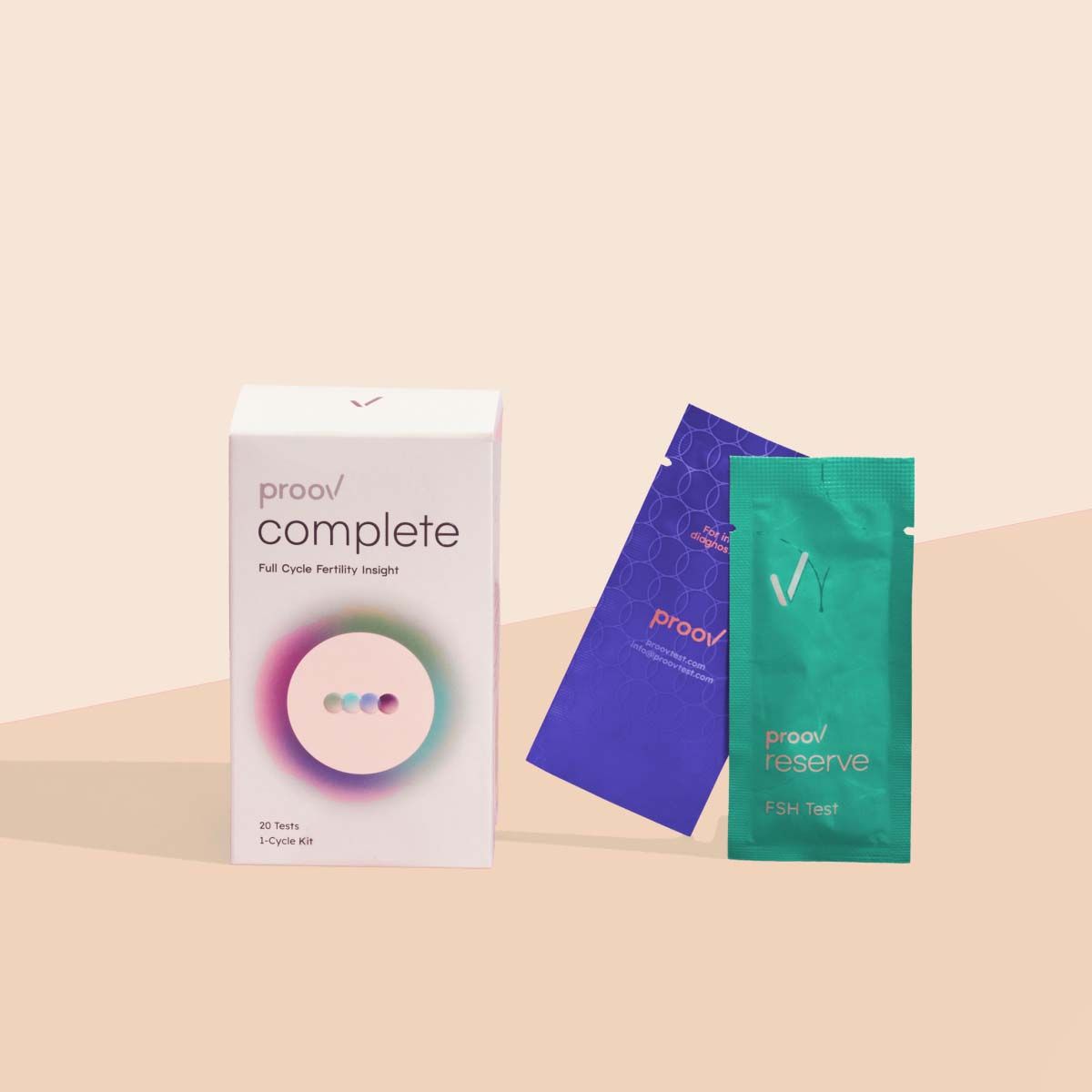
Complete Testing System by Proov
$99.99
Proov's most comprehensive at-home fertility test for her
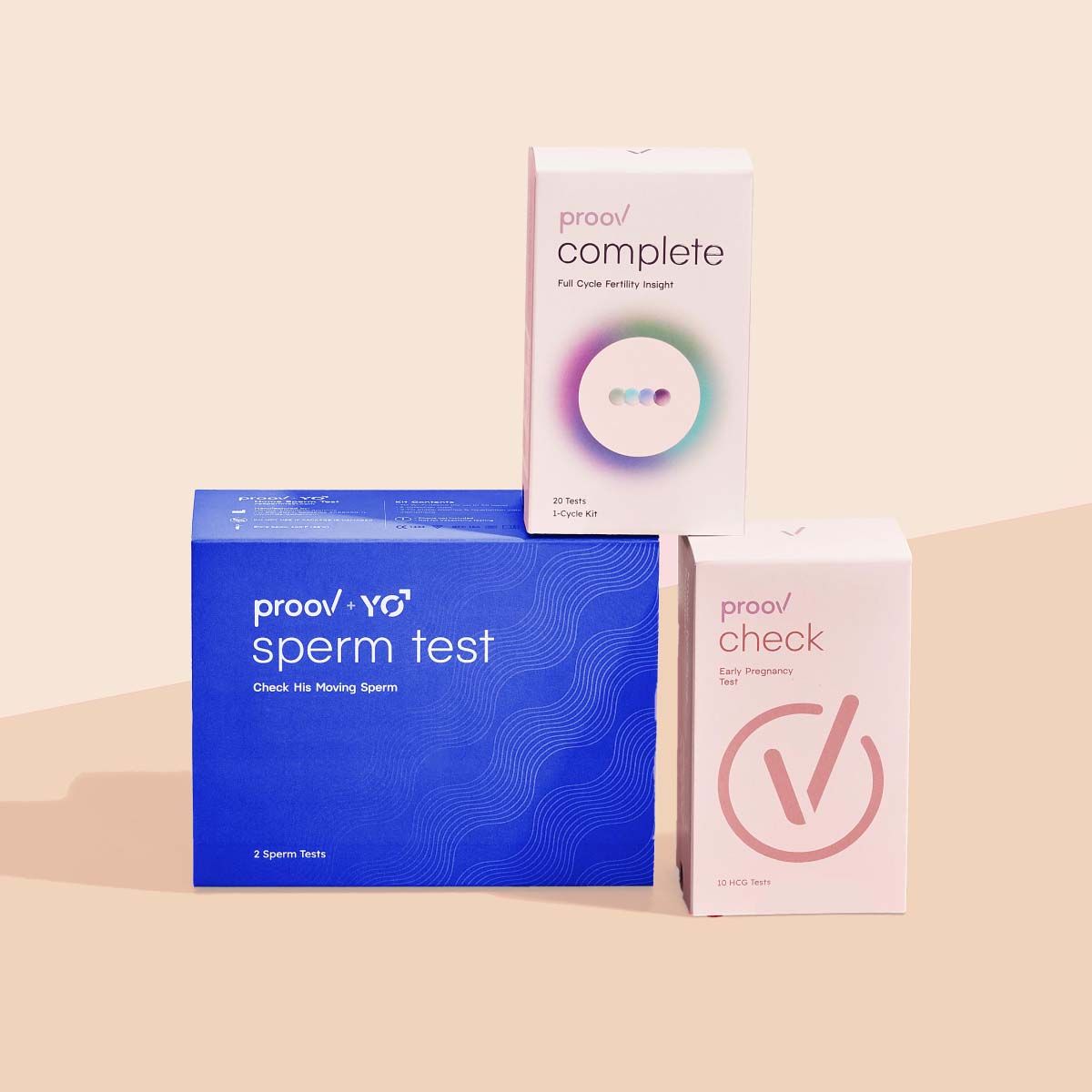
Hers & His Advanced Fertility Kit by Proov
$169.99
The only all-in-one fertility test kit for couples that covers both male and female testing
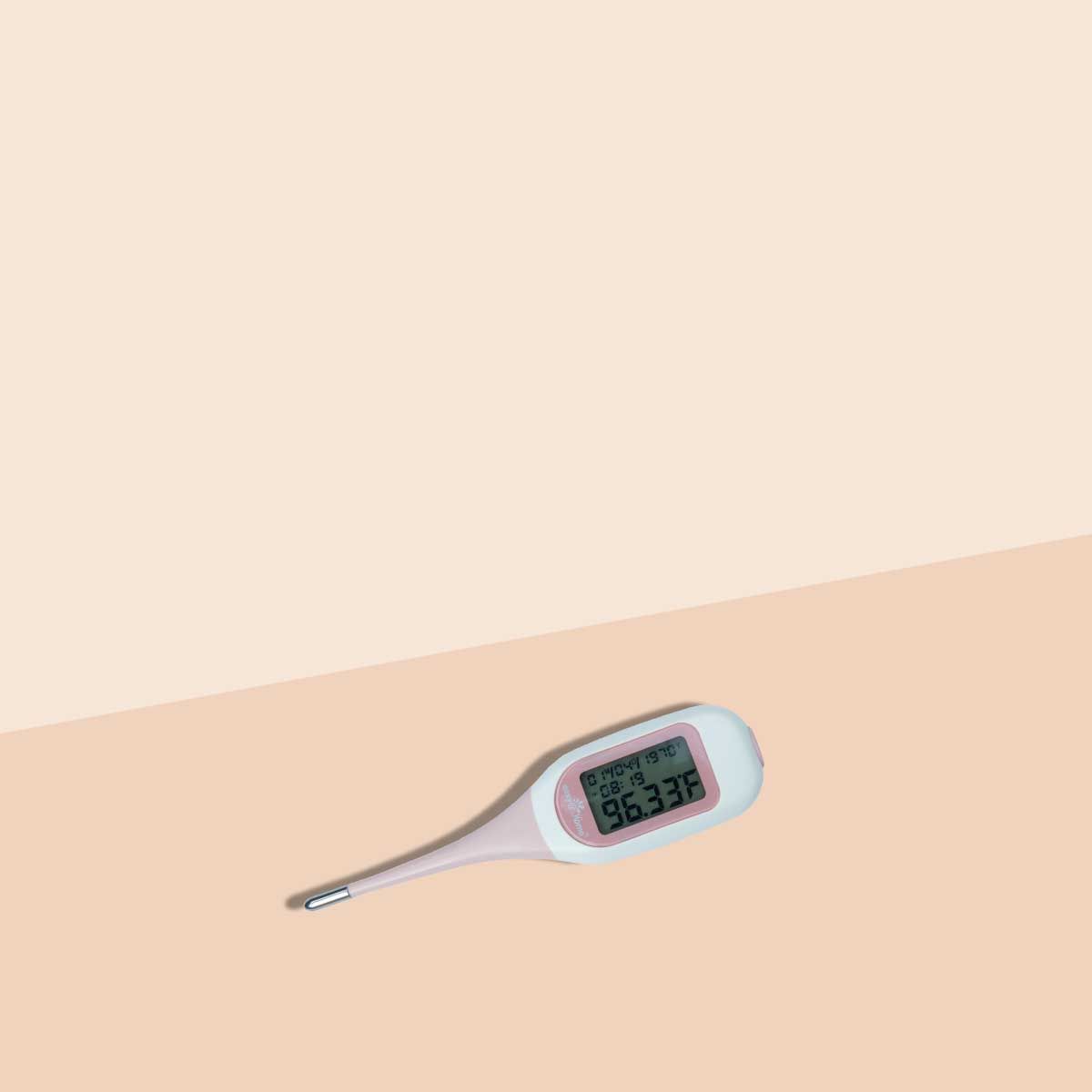
Bluetooth Fertility Thermometer
$39.99
This bluetooth-enabled basal body thermometer makes it easy to find your fertile window.