Herpes on Buttocks (Sacral Herpes):
Symptoms, Causes & Treatment
Published on April 14, 2020
Updated on October 14, 2026
Written by Kathleen Morrison
Medically Reviewed by Dr. Shannon Chatham, DO, a healthcare provider affiliated with Wisp
Key takeaways
- Herpes on buttocks is a genital herpes infection that shows up on the skin of your butt, lower back, or around the anus rather than on your genitals.
- It happens because the herpes simplex virus settles into nerve cells near the base of your spine, so outbreaks can appear anywhere those nerves reach.
- A typical outbreak can start with tingling or itching, then small fluid-filled blisters may break open, crust over, and heal.
- Recurrent outbreaks usually last one to two weeks, and a first outbreak can take longer.
- There is no cure for herpes, but prescription antivirals from a provider can help manage outbreaks if medically necessary and appropriate.
Surprise! Herpes doesn’t just show up on your lips or genitals, and herpes on buttocks is exactly what it sounds like. While it’s not exactly prime small-talk material, it’s way more common than people think.
Those fluid-filled sores? They’re usually linked to the herpes simplex virus (HSV), the same common viral infection behind cold sores and genital herpes. Because the virus lives in nerve cells near the base of your spine, an outbreak can surface on your butt, lower back, or near the anus even if your genitals look completely fine.
A herpes outbreak on your butt can be super uncomfortable. Sitting through a long meeting becomes a full-body negotiation. The upside is that prescription genital herpes medication from a provider can help you manage outbreaks, if medically appropriate.
Below, we get into what an outbreak back there actually looks like, what else it could be mistaken for, how long it sticks around, and what a provider can prescribe when you want it gone.
Wisp treatment options are available only after consultation with a licensed medical professional, if medically appropriate. You should consult with your healthcare provider before starting a new supplement or treatment regimen. Individual results may vary. Must be 18 or older. For medication details and risks, see site for details.
A quick intro to the HSV situation
There are two types of herpes simplex virus, and both can cause a herpes infection on the buttocks.
- HSV-1 (herpes simplex virus type 1)
- HSV-2 (herpes simplex virus type 2)
While HSV-1 is traditionally associated with oral herpes (cold sores) and HSV-2 with genital herpes, both virus types can cause herpes outbreaks in any of these locations. That includes the mouth, genitals, or buttocks, depending on where the infection was contracted through skin-to-skin contact.
When an outbreak lands on your butt, lower back, or upper thighs, providers often call it sacral herpes, named for the sacral nerves near the base of your spine where the virus settles.
And here’s a wild fact: A lot of people have HSV without even knowing it, because not everyone gets visible symptoms.
What herpes on the buttocks looks like
A typical outbreak on the buttocks starts as a small patch of redness, then tiny fluid-filled blisters with light-colored centers pop up. They might roll in as an overenthusiastic cluster (especially on the first outbreak) or simply make a low-key appearance as a single sore.
They can sit on one cheek, near the crease, or toward your lower back, and they tend to stay on one side of the body rather than spreading evenly across both.
Over a few days, the blisters can break open into shallow, tender sores, then crust over as they heal. Some people get one or two vesicles; others get a larger patch.
Paying attention to these early signs can help with self-care and comfort during an outbreak.
Common early symptoms
-
Early warning signs: Herpes outbreaks often follow a pattern, starting with subtle sensations before visible symptoms appear (prodrome symptoms). These sensations can include tingling, itching, or a slight burning sensation in the affected area.
-
Sensitivity and discomfort: Skin may feel extra tender or irritated, especially in high-friction areas like your butt.
Some people also experience:
- Swollen lymph nodes, often the lymph nodes in the groin
- Mild fever, body aches, or other flu-like symptoms (more common in a first outbreak)
- A general feeling of being run-down
Once you’ve been through a few recurrent outbreaks, you’ll probably get a sense of how your body handles them.
Think this might be your first outbreak? That's your cue to reach out to a provider to talk through testing and next steps.
What else can be mistaken for herpes on the buttocks?
So is it herpes, or just an unlucky pimple back there? This is the question everyone actually types into Google at 1 AM.
The butt is a busy neighborhood, and plenty of things can show up there looking suspicious.
Here’s how the usual suspects tend to differ:
Pimples vs herpes
What a pimple is: a blocked pore, where oil and dead skin plug a follicle and bacteria move in.
How it differs: a pimple usually has a visible white or dark center and sits on its own. Herpes tends to come from the herpes simplex virus settling into nerve cells, so an outbreak can follow tingling or itching in the same area beforehand.
Boils and folliculitis vs herpes
What they are: bacterial infections that start in the hair follicle itself.
How they differ: both tend to form deeper, firmer, pus-filled lumps, and folliculitis often shows up as several small bumps that each sit right at a hair. Herpes lesions aren't tied to hair follicles that way, and tend to be more surface-level and fluid-filled.
Shingles vs herpes on buttocks
What shingles is: Shingles is caused by the varicella-zoster virus, the same virus behind chickenpox. Varicella-zoster is part of the herpes virus family, but it's a different virus from herpes simplex (HSV), which causes cold sores and genital herpes. After a chickenpox infection, the virus can stay dormant in the body and may reactivate years later as shingles.
How it differs: Both can cause painful, fluid-filled blisters, which is exactly why they get confused, especially when they show up on the buttocks. Shingles blisters typically appear in a band or strip on one side of the body and can come with nerve pain, burning, or tingling. Shingles often happens once, although it can recur in some people. Genital herpes can cause recurring outbreaks over time, often in the same general area. A provider can help tell them apart and recommend next steps.
Ingrown hairs vs herpes
What an ingrown hair is: a hair that curls back and grows into the skin instead of out of it.
How it differs: it's common after shaving or waxing, and you can often see the trapped hair under the surface. It also tends to stay a single irritated bump tied to one follicle.
Contact dermatitis vs herpes
What it is: a skin reaction to something it touched, like a new detergent, fabric, or product.
How it differs: it usually spreads across a broader area wherever the irritant made contact, and itching tends to lead. Herpes lesions tend to stay within a more defined patch of skin connected to one nerve pathway.
The realistic takeaway is that these can overlap more than the internet suggests, and no single visual tell settles it.
If something keeps returning to the same area, a provider can help identify what's going on, and testing can help identify if it’s herpes.
Pictures of herpes on the buttocks
Photos can help, but skin is wildly variable, and an outbreak can look different depending on your skin tone, where it lands, and how far along it is.
Just know that searching herpes on buttocks pictures can only get you so far, since plenty of skin conditions look alike in a photo.
If what you’re seeing keeps coming back to the same spot, the next best thing to do is consult a provider.
What causes herpes on the buttocks?
Herpes on the buttocks is a common viral infection caused by the same HSV that causes genital herpes. It just takes a different path.
Once herpes simplex virus enters the body, it settles into nerve cells near the lower back, and future outbreaks can show up on the skin connected to those nerves (hello, backside).
So how does it get there in the first place, and why does it keep coming back to the same patch of skin? Two different questions, and they have two different answers.
How the virus spreads
- Skin-to-skin contact: The most common way HSV travels, especially during sexual contact like penetrative or oral sex (oral herpes can be passed to the genitals or buttocks this way, too). It can also spread through anal sex, which is why sores can show up around the anal area.
- Viral shedding: The virus can spread even when no visible sores are present.
- Shared personal items: Things like razors could spread the virus if you have open lesions, but direct contact is the main culprit.
Many people don’t realize they have HSV until an outbreak happens, sometimes years after exposure.
Common triggers for outbreaks
Some common triggers include:
- Stress and fatigue: Big deadlines? Sleepless nights? These can take a toll on your immune system.
- Illness and weakened immunity: When your body is fighting something else, HSV can take advantage.
- Hormonal shifts: Some people notice flare-ups tied to their menstrual cycle.
- Friction and irritation: Tight clothing or lots of movement can aggravate sensitive skin.
- Extreme weather: Harsh sun or cold can be triggering for some.
Once you get a feel for your personal triggers, small changes can help keep things more comfortable.
Can you get herpes on the buttocks without genital symptoms?
Yes, and it throws a lot of people. The herpes virus settles into a cluster of nerves near the base of your spine, and those nerves serve your butt, lower back, and upper thighs as well as your genitals. So an outbreak can surface on one of those areas while your genitals may show no symptoms at all.
That also means a first outbreak on the buttocks can be one of the first signs of herpes you notice at all.
Some people never get an outbreak in the genital area. Others can get both, in different parts of their body, at different times.
None of it means you did something wrong.
How is herpes on the buttocks diagnosed?
Getting an HSV diagnosis is usually pretty straightforward. And the earlier you get answers, the sooner you can figure out a game plan that works for you.
Testing through an in-person provider
An in-person provider may check out the skin, ask about past symptoms, and, if needed, run a quick test to help figure out what’s going on.
Your provider may ask things like how long you’ve had symptoms, whether you’ve had blisters or sores in the area before, and whether you’ve noticed triggers like stress or friction.
Sometimes, a physical exam is enough, and if there’s any uncertainty, an in-person lab test can help identify HSV.
Testing you can do from home
If you have an active sore right now, an at-home HSV swab test lets you collect a sample yourself and send it to an accredited lab, which can help identify the type of herpes virus that may be causing your symptoms.
Timing matters here. Swabbing is most accurate during the first 24 to 48 hours after a blister forms, before it starts crusting over. Once a lesion begins healing, there may not be enough active viral material to detect, which can lead to a false-negative result here.
A provider can then help review your results, help make a diagnosis (test results aren't a diagnosis on their own!), and talk through next steps.
These statements have not been evaluated by the Food and Drug Administration. This product is not intended to diagnose, treat, cure, or prevent any disease. Individual results may vary.
Treating an outbreak on your buttocks
Whether you're looking to treat an outbreak, manage HSV long-term, or just feel more in control, a provider can help you find a plan that works for you.
Prescription treatment options for herpes on the buttocks
If outbreaks are frequent or uncomfortable, prescription antivirals like Acyclovir and Valacyclovir are FDA-approved treatment options your provider may prescribe, if medically appropriate.
Clinical guidelines recommend starting a prescription antiviral at the first sign of symptoms. Prescription antivirals are indicated for treating herpes outbreaks and for suppressive therapy.
There are two ways providers generally use these, and the difference matters:
-
Episodic treatment: You take a short course at the first tingle or itch. Clinical guidelines recommend starting at the first sign of symptoms to help shorten how long an outbreak lasts.
-
Suppressive therapy: You take a daily dose whether or not you have symptoms. Suppressive antivirals are used by healthcare providers to help manage recurrent outbreaks in people with genital herpes, as prescribed based on individual patient needs.
Some people find that taking medication daily can help keep things calm, while others prefer to take it only when they feel an outbreak coming on.
If you ever experience side effects (like mild headaches or an upset stomach), a quick chat with your provider can help tweak your dose to something that suits you.
Acyclovir and Valacyclovir have somewhat different side effect profiles:
Common side effects of oral Acyclovir:
- Nausea or vomiting
- Diarrhea
- Headache
- Rash or itching
- Mild skin pain
This is not a complete list of risks and side effects, and others may occur. If symptoms worsen or you notice signs of an allergic reaction, contact a provider right away.
You are encouraged to report negative side effects of prescription drugs to the FDA. Visit www.fda.gov/medwatch or call 1-800-FDA-1088.
Common side effects of oral Valacyclovir:
- Headache
- Nausea or abdominal pain
- Body aches, muscle pain, or joint pain
- Sore throat, stuffy or runny nose, or sneezing
This is not a complete list of risks and side effects, and others may occur. If symptoms worsen or you notice signs of an allergic reaction, contact a provider right away.
You are encouraged to report negative side effects of prescription drugs to the FDA. Visit www.fda.gov/medwatch or call 1-800-FDA-1088.
How treatment differs for an outbreak on the buttocks
Not much changes. The prescription antivirals used for a buttocks outbreak are the same ones used for herpes anywhere else.
The main difference is the day-to-day care around the sore, because of where it is. Your butt spends the day pressed against chairs, car seats, and waistbands, and that friction can irritate a healing sore, so it’s important to put extra effort into comfort measures alongside treatment.
Keeping outbreaks calm between flare-ups
While you can’t kick the herpes virus out completely, you can take care of yourself in ways that may help you feel more comfortable.
Some things that might help:
- Less stress, more sleep. Your body loves a good recharge, and so does your immune system.
- A balanced routine. Nourishing foods, hydration, and regular movement may all help you feel your best.
- Early intervention. At the first sign of tingling, some people take their prescription antivirals as directed by their provider.
Navigating sex and intimacy
If you’re sexually active, talking about HSV with sexual partners can feel intimidating at first, but it’s also empowering. Open conversations can help everyone make choices that feel good, whether that means using protection, choosing to avoid sexual contact during an outbreak, or just being informed.
When to check in with a provider
Talking to a provider isn't just about getting meds (though they can prescribe things like antivirals, anti-inflammatories, or antibiotics if needed).
When it is medically necessary and appropriate, you can also get prescription herpes medication online from a provider, allowing you to skip the in-person waiting room.
Ultimately, speaking with a professional is also about getting real answers, reassurance, and a solid game plan.
Consider reaching out sooner if:
- You suspect your first herpes outbreak
- Sores that look different; think unusual colors, swelling, or pus
- A fever or swollen lymph nodes might signal that your immune system is working overtime.
- Open sores that just won’t quit, especially in areas that rub against clothing or chairs all day.
Herpes doesn’t get to decide where you sit
Herpes on the butt? Yeah, it’s not exactly dinner-table talk, but honestly, it should be. The more you know about an HSV infection, the easier it can get to handle, and the less power it has to stress you out.
At the end of the day, herpes on the buttocks (or any other kind) doesn’t define you. It’s just one part of your body’s story. Learning what works for you, taking care of yourself, and knowing when to reach out for support can help make managing HSV feel way less overwhelming.
Everyone’s experience looks different, but with the right tools and a solid support system, you’ve got this.
Need expert-backed prescription treatment without the hassle? Wisp can make it easy to get discreet, affordable herpes care, minus the in-person waiting room.
Chat with a provider and get your prescription sent to your pharmacy the *same day or delivered to your door, if medically necessary and appropriate.
*Most prescriptions are sent to your pharmacy within 3 hours of completing your patient intake form and secure chat or video call when necessary. Pending retail pharmacy hours.
This blog post is for informational and educational purposes only and should not be taken as professional advice. Always consult with a qualified professional before making any decisions based on the information provided here.
Trusted Treatment
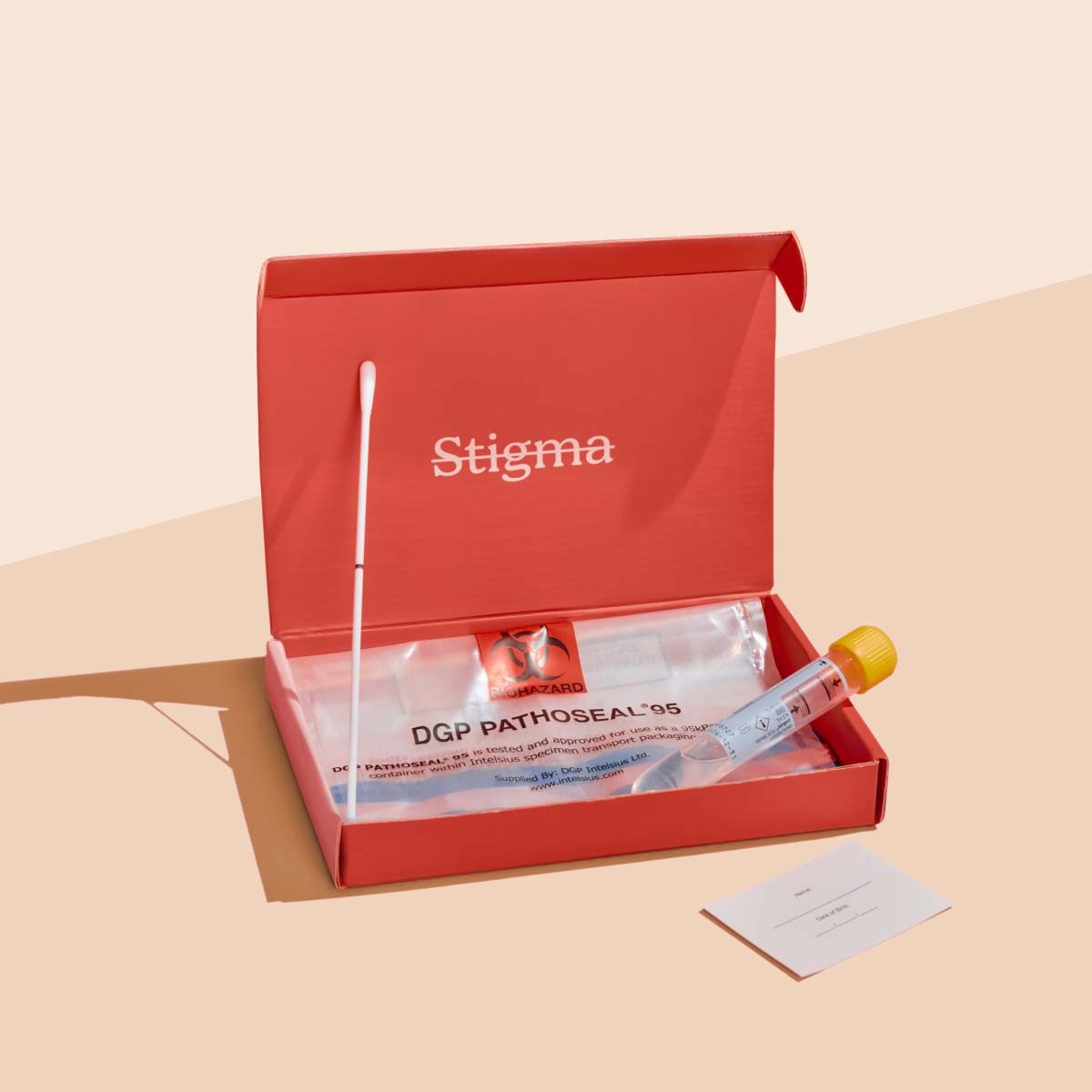
Herpes (HSV) Test
$169
At-home HSV-1 and HSV-2 testing, made simple—swab, ship, and treat. Consult and treatment included if necessary.
Valacyclovir & Acyclovir For HSV-2
Starting at $10/ month
Prescription antiviral pills used to prevent & treat outbreaks