Lactobacillus rhamnosus Benefits: Gut, Vaginal Health & More
Published on June 18, 2026
Written by Kathleen Morrison
Medically Reviewed by Dr. Shannon Chatham, DO, a healthcare provider affiliated with Wisp
Key takeaways
- Lactobacillus rhamnosus is a well-researched probiotic bacteria that naturally lives in your gut and, for many people, the vaginal tract.
- Specific strains, such as L. rhamnosus GG (for gut, immune, and overall support) and Lactobacillus rhamnosus GR-1 (for vaginal health), have distinct clinical evidence and targets.
- Research suggests that L. rhamnosus may help support a balanced gut microbiome, maintain digestive comfort during antibiotic use, and support immune function.
- For vaginal health, L. rhamnosus GR-1 helps maintain everyday comfort, especially after prescription antibiotics or during hormonal shifts.
- Most adults tolerate it well; if you're pregnant, immunocompromised, or have a GI condition, check in with an in-person provider first.
Your body is running a pretty wild microscopic party right now. Trillions of microbes are living their best lives in your gut, mouth, and yes, your vagina. And one of the most well-known guests at this party? Lactobacillus rhamnosus.
This gram-positive bacterium has been studied for decades, and certain Lactobacillus rhamnosus strains have earned a spot in the probiotic hall of fame for supporting gut health, immune balance, and vaginal flora.
L. rhamnosus GG (LGG) is a well-known probiotic for gut and immune support, while Lactobacillus rhamnosus GR-1 has its own studied lane in vaginal health.
Some people use a probiotic supplement containing Lactobacillus rhamnosus to support gut health, especially when life throws curveballs like prescription antibiotics, stress, or travel.
Others reach for vaginal probiotics to help maintain healthy vaginal flora.
Let's break down what this little microbe can (and can't) do!
These statements have not been evaluated by the Food and Drug Administration. This product is not intended to diagnose, treat, cure, or prevent any disease. Individual results may vary.
What is Lactobacillus rhamnosus?
Lactobacillus rhamnosus (also called Lacticaseibacillus rhamnosus, because scientists love a rebrand) is a gram-positive bacterium in the Lactobacillus genus.
These bacteria ferment sugars into lactic acid, helping create an acidic environment where less-friendly microbes have a harder time setting up shop.
The most-studied family member is L. rhamnosus GG (LGG), a novel probiotic strain isolated by Sherwood Gorbach and Barry Goldin in the 1980s. (Yep, "GG" comes from their last names. Nerdy and adorable.)
You'll also see Lactobacillus rhamnosus GR-1 mentioned a lot when the topic shifts to vaginal health.
Basically, the letters that follow "rhamnosus" actually matter!
Benefits of Lactobacillus rhamnosus for gut health
Your gut houses trillions of bacteria, and keeping that community balanced affects everything from how you feel after meals to your mood.
L. rhamnosus has earned its reputation as a gut-friendly microbe through decades of clinical studies.
Supporting balanced microbiota
A healthy microbiome contains diverse bacteria working together. When that balance gets nudged, from antibiotics, stress, travel, or illness, digestive discomfort often follows.
Rhamnosus can help support equilibrium by producing lactic acid that favors beneficial species while making the environment less welcoming to potentially harmful microbes.
For people taking prescription antibiotics (which often sweep through both good and not-so-good bacteria), adding a rhamnosus supplement during and after can help support microbiota balance.
Helping with digestive comfort
If you've dealt with the occasional bloating or unpredictable bathroom situation, rhamnosus might be a useful daily ally. Lactobacillus rhamnosus GG, in particular, has been studied for antibiotic-associated diarrhea and acute infectious diarrhea.
Pairing it alongside antibiotics may help support digestive comfort while you're recovering.
Pro tip: Most providers suggest spacing your probiotic a few hours away from your antibiotic dose so the medication doesn't take out your reinforcements.
Day-to-day digestive health
Beyond the basics, rhamnosus may help support how your body processes food. Probiotic bacteria can help nourish intestinal cells and support the gut barrier—your body's first defense against unwanted particles slipping through.
This, in turn, can help support overall digestive health.
Lactobacillus rhamnosus benefits for immune balance
Roughly 70% of your immune system lives in your gut, so it makes sense that gut bacteria influence how your body responds to the world.
Rhamnosus doesn't just sit there passively; it interacts with immune cells and helps shape responses in intestinal epithelial cells.
Here's how Lactobacillus rhamnosus may help support immune balance:
- Supporting mucosal defenses: Your body's first line of defense lives at mucosal surfaces—your gut, respiratory tract, and vaginal walls.
- Supporting a healthy inflammatory response: Linked to overall comfort.
- Supporting balanced immune response: A well-functioning immune system knows when to ramp up and when to chill out.
Research from the National Institutes of Health and publications like PLOS One continue to explore these beneficial effects.
Lactobacillus rhamnosus GR-1 and vaginal health
The vaginal microbiome is its own little ecosystem, dominated by Lactobacillus species in healthy vaginas. These bacteria help maintain the acidic pH that keeps things balanced.
When lactobacilli decline (hello, antibiotics, hormonal shifts, or just life), pathogen overgrowth can lead to issues like bacterial vaginosis or yeast infections.
Lactobacillus rhamnosus GR-1 is one of the most-studied strains specifically for vaginal flora.
Vaginal probiotics containing rhamnosus GR-1 (often paired with L. reuteri RC-14) may help support healthy flora, especially during times when your vaginal microbiome could use extra love, after antibiotics, around hormonal fluctuations, or with new sexual partners.
If recurrent issues are a regular part of your life, a probiotic for vaginal flora with the GR-1 strain may help support balance between episodes alongside any prescription antibiotics for BV recommended by your provider.
Wisp treatment options are available only after consultation with a licensed medical professional, if medically appropriate. You should consult with your healthcare provider before starting a new supplement or treatment regimen. Individual results may vary. For medication details and risks, see site for details.
Other potential benefits: cognitive, respiratory, and urinary support
Rhamnosus' benefits don't stop at the digestive tract. Emerging research points to a possible role in supporting cognitive, respiratory, and urinary health.
Some emerging research on the gut-brain axis suggests that probiotics, including certain Lactobacillus strains, may support cognitive health, though this area is still developing and more research is needed.
For respiratory support, some studies suggest that oral probiotics containing rhamnosus may support immune function, potentially indirectly benefiting respiratory function. This connection is sometimes called the "gut-lung axis."
Urinary health is another area of interest, especially for people prone to recurrent UTIs. Vaginal probiotics with the strain Lactobacillus rhamnosus GR-1 may help support urinary health by maintaining healthy vaginal flora, which can reduce the presence of bacteria near the urethra that contribute to recurrent UTIs.
Quick reality check: Probiotics aren't a substitute for prescription antibiotics for UTIs when you have an active infection. Think of them as supportive care; something you might use between episodes or alongside treatment.
Safety and potential side effects
Good news: rhamnosus has an excellent safety profile for most people. It's been used in food and supplements for decades, and serious adverse effects are rare. It's considered Generally Recognized as Safe (GRAS) by the FDA.
Common potential side effects include:
- Gas and bloating (usually temporary as your gut adjusts)
- Mild digestive discomfort when first starting
- These typically resolve within a few days
Who should check with an in-person provider first:
- People who are immunocompromised (due to HIV, chemotherapy, or immunosuppressant medications)
- Those with severe inflammatory bowel disease, short bowel syndrome, or a central venous catheter
- Pregnant women can generally take rhamnosus safely, but checking with an in-person provider is still a good idea
This is not a complete list of risks and side effects, and others may occur. If symptoms worsen or you notice signs of an allergic reaction, contact a provider right away.
How to choose a probiotic supplement with rhamnosus
Not all probiotic supplements deliver the same results. Here's what to look for:
- Strain name matters.
"Lactobacillus rhamnosus" alone isn't enough. Look for the full strain designation—like L. rhamnosus GG for gut and overall health support, or L. rhamnosus GR-1 for vaginal health. Strains of the same probiotic species can exhibit very different clinical evidence and health benefits.
- CFU count.
CFUs (colony-forming units) tell you how many live bacteria are in each dose. Most reliable probiotic products contain at least 1-10 billion CFUs per serving.
- Viability through expiration.
You want the bacteria alive when they reach you. Look for products that guarantee CFU counts through the expiration date, not just at the time of manufacture.
- Match your product to your goal.
For gut health and digestive health during antibiotic use, look for products featuring L. rhamnosus GG. For vaginal health, look for vaginal probiotics containing L. rhamnosus GR-1.
- Storage matters.
Some probiotics need refrigeration; others are shelf-stable. Shelf-stable formulas tend to be easier to stay consistent with, especially if you travel or, you know, occasionally forget to put things back in the fridge.
Support your microbiome, and feel like yourself
The health benefits of Lactobacillus rhamnosus span multiple body systems, from digestive comfort and immune system support to vaginal health and microbiome balance.
Whether you're looking for broad daily gut support or targeted vaginal microbiome care, Wisp has purpose-built options:
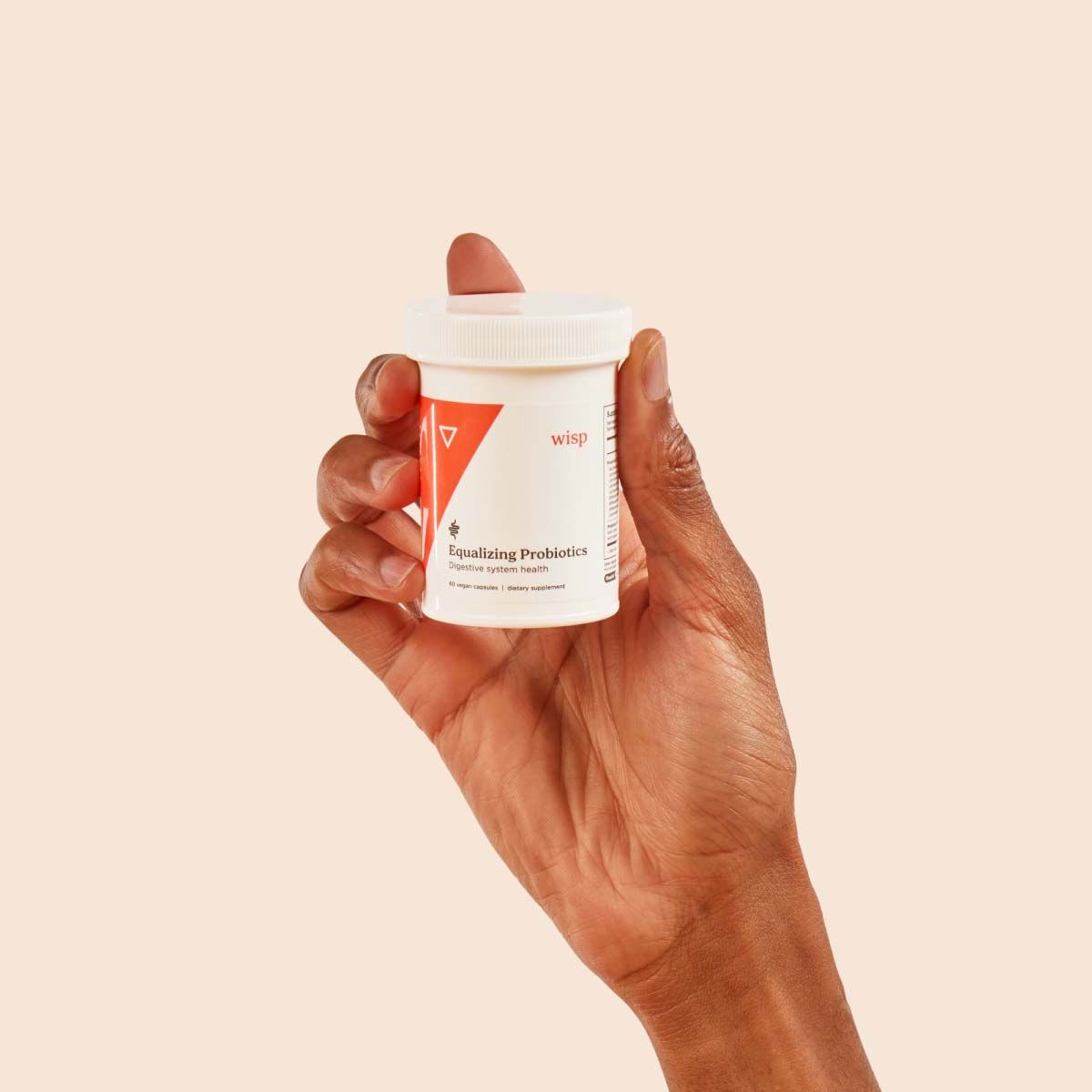
- Equalizing Probiotics for everyday gut and immune support
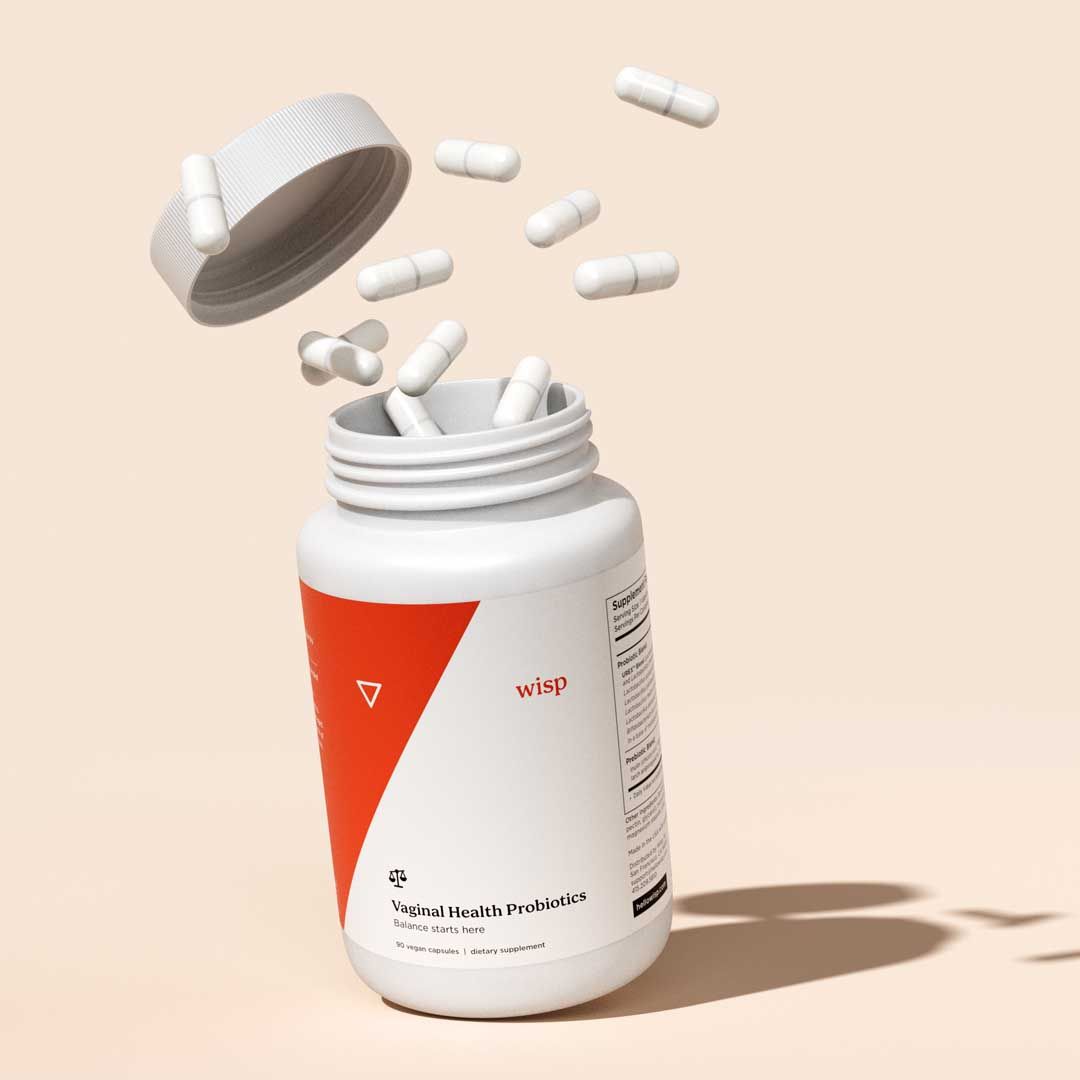
- Vaginal Health Probiotics featuring the clinically studied UREX™ strains, Lactobacillus rhamnosus GR-1 and L. reuteri RC-14, for people looking to support their vaginal flora specifically.
Both are shelf-stable (no babysitting a fragile probiotic in the fridge) and designed to fit into your real life, not some idealized wellness routine you'll abandon by Tuesday.
UREXTM, GR-1TM and RC-14TM, ASTARTETM, LBV-96TM, LBV-88TM and logos is/are (a) trademark (s) of Chr. Hansen A/S, part of Novonesis Group
This blog post is for informational and educational purposes only and should not be taken as professional advice. Always consult with a qualified professional before making any decisions based on the information provided here.
Trusted Treatments
Wisp Equalizing Probiotics
Starting at $18/ month
The Wisp Equalizing Probiotics is a daily supplement that contains 25 billion CFU’s of 9 powerhouse probiotic strains (more “good” bacteria!).
Wisp Vaginal Health Probiotics
Starting at $30/ month
Daily vaginal microbiome support against disruptive microorganisms.