Letrozole for PCOS: How It Works, Dosage, and What to Expect
Published September 15, 2026
Written by Kathleen Morrison
Medically Reviewed by Dr. Shannon Chatham, DO: a healthcare provider affiliated with Wisp
Key takeaways:
- Polycystic ovary syndrome or PCOS (now referred to as polyendocrine metabolic ovarian syndrome or PMOS) is a common cause of infertility because it plays a role in disrupting ovulation, not because your body is "broken."
- Letrozole is an aromatase inhibitor that briefly helps lower estrogen, which prompts a stronger FSH signal and may help the ovary mature a follicle and release an egg.
- Letrozole is used *off-label for ovulation induction, especially in women with PMOS. Its FDA approval is for breast cancer, not fertility.
- Typical dosing by an in-person provider starts at 2.5 mg daily for five days, usually started on day 3 to 5 of your cycle.
- Side effects are usually mild, but every treatment has risks worth reviewing with an in-person provider.
*This specific use of this prescription medication is not approved by the U.S. Food and Drug Administration (FDA). Such use, known as “off-label” use, may be prescribed by a licensed healthcare provider based on their clinical judgment. The safety and effectiveness of medications for off-label uses may not be established by the FDA. This information is for educational purposes only and is not medical advice. Always consult your healthcare provider regarding treatment decisions.
Wisp does not offer Letrozole. If you're considering Letrozole, an in-person provider, such as a fertility specialist, is the best next step for evaluation and ongoing monitoring.
How many times have you tracked a cycle that never showed up? You buy the test strips. You watch the calendar. And your body just… shrugs.
If you have polycystic ovary syndrome or PCOS, which is now officially called polyendocrine metabolic ovarian syndrome or PMOS, that unpredictability isn't in your head, and it isn't a willpower problem.
It's a hormone signaling problem, and it's one of the more workable kinds of infertility out there.
Letrozole is a prescription medication used off-label to help induce ovulation when cycles have stalled, and many in-person providers now reach for it in PMOS.
Before any of that, though, it helps to know where your baseline actually sits, which is why some people start with fertility tracking to see what their cycles are really doing.
That said, let's break down how letrozole works, what dosing looks like, and what the research does (and doesn't) promise.
These statements have not been evaluated by the Food and Drug Administration. This product is not intended to diagnose, treat, cure, or prevent any disease. Individual results may vary.
First, what does PCOS (now called PMOS) mean for fertility?
A quick name update before we go ahead: the condition long known as PCOS has a new official name. As of May 2026, polycystic ovary syndrome is polyendocrine metabolic ovarian syndrome, or PMOS, following a global expert agreement on the change.
The new label doesn't change anything about letrozole or the rest of your care, and an existing PCOS diagnosis still applies. From here on, we'll mostly say PMOS and sometimes pair it with PCOS, the name many people still recognize.
Now, let’s see what’s going on with PMOS and fertility.
Higher levels of androgens, including testosterone, can interfere with the process your ovaries use to mature and release an egg. Instead of ovulating regularly, an egg may start developing but not quite make it to the finish line.
That’s why periods with PMOS can feel like they’re doing their own thing: showing up late, overstaying their welcome, or ghosting you entirely.
And when ovulation is irregular, figuring out your fertile window can feel a bit like trying to catch a bus that doesn’t stick to a schedule.
The good thing is, for women who aren’t ovulating regularly, medications such as letrozole can help encourage ovulation and are a well-studied treatment option for PMOS-related infertility.
So, if you have PMOS and you’re trying to get pregnant, think of it less as your body saying “no” and more as your hormones needing a little extra help getting the timing right.
How does letrozole work for PMOS-related infertility?
Letrozole is an aromatase inhibitor that temporarily lowers estrogen, which nudges your brain into sending a louder "get moving" signal to your ovaries.
Here's the slightly longer (textbook) version of letrozole’s working mechanism:
- Aromatase inhibition: Aromatase is the enzyme that converts androgens into estrogen. Letrozole blocks it, so less estrogen circulates early in your cycle.
- The FSH rise: When estrogen dips, your pituitary responds by releasing more follicle-stimulating hormone (FSH). FSH is the signal your ovaries need to start maturing a follicle. In PMOS, that signal is often too faint or badly timed.
- Follicle development: With FSH climbing, the ovarian environment shifts and one dominant follicle typically develops, then releases an egg. Because letrozole clears quickly, it doesn't cause the prolonged estrogen suppression associated with some other medications used to stimulate ovulation.
Dosage and administration of letrozole by an in-person provider
A typical dose of letrozole for ovulation induction (using medication to help your ovaries release an egg) is 2.5 mg once daily for five days, usually started on day 3 to 5 of your cycle, after either a natural period or one brought on with a short course of progesterone, since many women with PMOS don't menstruate regularly on their own.
If ovulation doesn't occur, an in-person provider may step it up to 5 mg or 7.5 mg in later cycles, with 7.5 mg generally treated as the ceiling.
Possible side effects of letrozole
Many people tolerate letrozole, particularly since fertility use involves just five days per cycle rather than daily long-term dosing.
Common side effects of letrozole may include:
- Fatigue
- Headache or dizziness
- Hot flashes
- Joint or muscle pain
- Nausea or stomach upset
- Hot flashes tend to be milder and less frequent than with clomiphene
This is not a complete list of risks and side effects, and others may occur. If symptoms worsen or you notice signs of an allergic reaction, contact a provider right away.
What the timeline usually looks like
Ovulation induction with letrozole is rarely one-and-done, and knowing that upfront saves a lot of frustration.
In-person providers will usually suggest three to six monitored cycles before reassessing.
A single cycle runs roughly four weeks: medication early, then confirmation bloodwork about a week later.
Some people may ovulate on the first cycle at the lowest dose. Others may need adjustments before they respond to letrozole. Both are normal, and neither says anything about you.
Since chronic stress can affect hormone balance too, this is a genuinely reasonable time to protect your sleep and lower the pressure where you can.
Easier said than done, we know.
Letrozole vs Clomid for PCOS (now PMOS)-related infertility
For decades, clomiphene citrate (generic Clomid) was the default for induction of ovulation in PMOS. The question of Clomid or letrozole for PCOS- or PMOS-related fertility has shifted.
Emerging research over the past decade has increasingly supported the role of letrozole in fertility protocols for patients with PMOS.
The difference comes down to mechanism:
- Clomid is a selective estrogen receptor modulator. By blocking estrogen receptors, it can thicken cervical mucus and thin the uterine lining, which may work against conception even when ovulation happens.
- Medical consensus recognizes that letrozole's specific metabolic clearance and effect on hormone pathways make it an established option to support ovulation induction in women with PMOS.
While letrozole is not explicitly FDA-approved for fertility, major clinical guidelines recognize it as an established first-line option for ovulation induction in individuals with PMOS.
That said, which medication is appropriate for you depends on several factors, including your medical history, cycle patterns, and how your body responds to treatment. Research on letrozole continues to grow, and you may want to discuss clomiphene and other options with an in-person provider.
Wisp does not offer Letrozole or Clomid. If you're considering either, an in-person provider, such as a fertility specialist, is the best next step for evaluation and ongoing monitoring.
Other ovulation induction options
Letrozole isn't the only path forward for treating infertility in PMOS.
If it doesn't produce a response, or isn't the right fit from the start, an in-person provider may consider a few other options.
- Injectable gonadotropin medications are a step up in intensity, generally prescribed by in-person providers when oral options haven't produced a response. They require closer in-person monitoring and carry a higher chance of multiple follicles developing.
- IVF or in vitro fertilization may be discussed with an in-person provider when oral ovulation induction and other steps haven't worked.
Wisp does not offer injectable gonadotropin treatment or in vitro fertilization (IVF). These options require evaluation and monitoring by an in-person provider.
Met-what-now? Metformin and where it fits into the picture
Metformin is an oral prescription medication used to help manage blood sugar by improving how your body responds to insulin.
In PMOS, it's sometimes used *off-label alongside or before ovulation induction, especially when insulin resistance is notable. It's not a fertility medication (nobody's calling it that), but supporting insulin sensitivity may help support more regular cycles.
Wisp treatment options are available only after consultation with a licensed medical professional, if medically appropriate. You should consult with your healthcare provider before starting a new supplement or treatment regimen. Individual results may vary. Must be 18 or older. For medication details and risks, see site for details.
*This specific use of this prescription medication is not approved by the U.S. Food and Drug Administration (FDA). Such use, known as "off-label" use, may be prescribed by a licensed healthcare provider based on their clinical judgment. The safety and effectiveness of medications for off-label uses may not be established by the FDA. This information is for educational purposes only and is not medical advice. Always consult your healthcare provider regarding treatment decisions.
Getting answers without the in-person waiting room
PMOS-related infertility usually comes down to one thing: ovulation that doesn't happen on schedule. Letrozole is one way in-person providers can work around that, though it's used off-label and needs an in-person provider to prescribe and monitor it.
Before you get there, it helps to know what your cycles are actually doing. Wisp’s fertility starter kit can help you build that baseline at home, so you walk into that first appointment with real information instead of guesswork.
And if insulin resistance is part of the picture, Metformin for PMOS may be worth discussing with a provider. Wisp makes that conversation easier with licensed providers you can connect with online.
They can evaluate whether Metformin is medically appropriate for you and, if it is, prescribe it, giving you a convenient way to address a potential PMOS-related factor that may be affecting your cycles and ovulation.
No in-person waiting room. No judgment. Just licensed care that meets you where you are, and makes taking the next step feel a whole lot easier.
This blog post is for informational and educational purposes only and should not be taken as professional advice. Always consult with a qualified professional before making any decisions based on the information provided here.
Wisp is not affiliated and does not sponsor or endorse any company names, logos, or brands shown or mentioned. All product names, logos, brands, and other trademarks or images shown or mentioned are the property of the respective brand owners and are only used to identify the products and services of their respective owners.
Trusted Treatments

Complete Testing System by Proov
$99.99
Proov's most comprehensive at-home fertility test for her
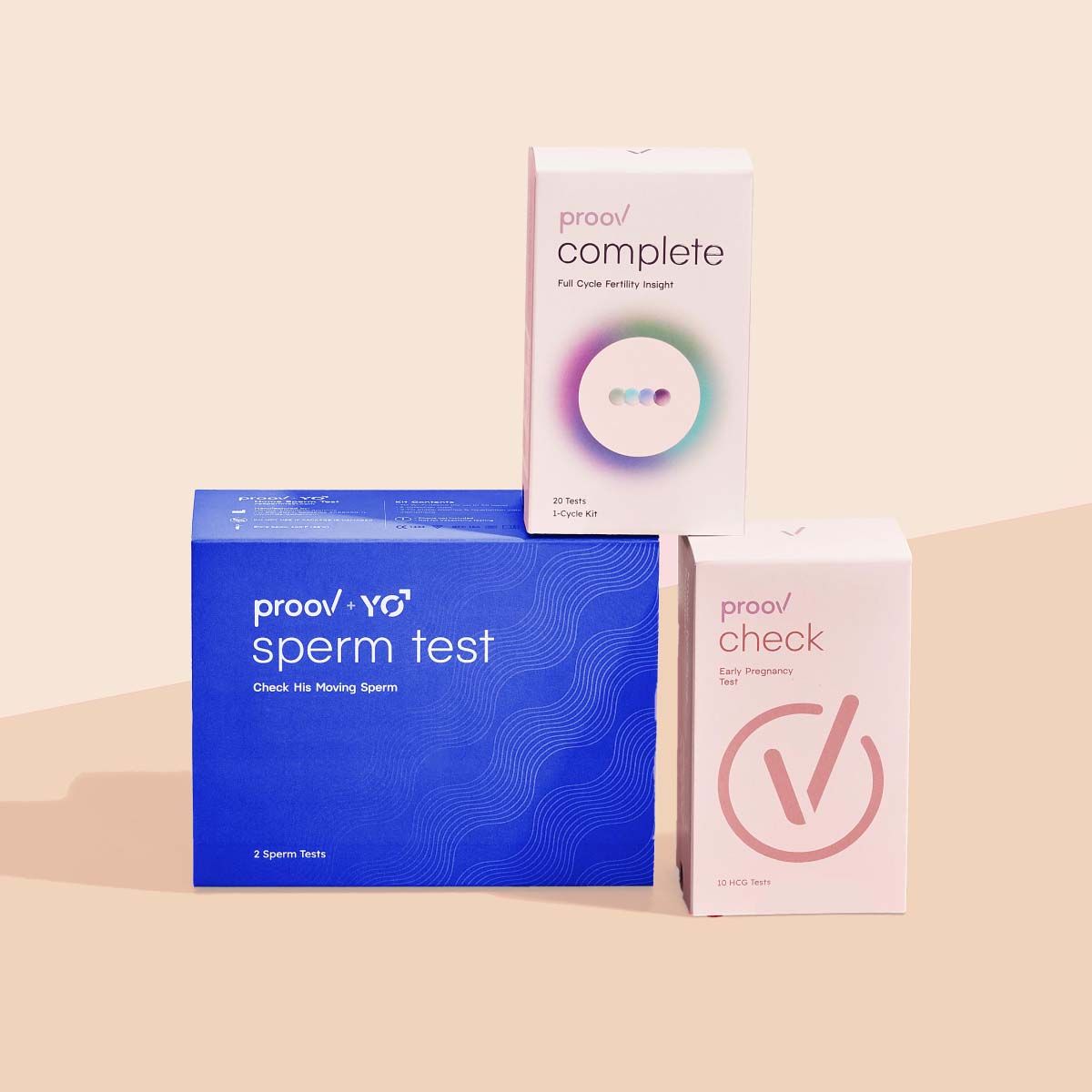
Hers & His Advanced Fertility Kit by Proov
$169.99
The only all-in-one fertility test kit for couples that covers both male and female testing

Metformin Prescription for PCOS
Starting at $24
Prescription Metformin tablets to treat PCOS-related weight gain, irregular cycles, and more.