Can You Have Herpes Without Symptoms?
Causes, Risks, and Testing
Published on September 28, 2026
Written by Kathleen Morrison
Medically Reviewed by Dr. Shannon Chatham, DO, a healthcare provider affiliated with Wisp
Key takeaways
- It's possible to have herpes and never notice a sore or blister. Many people with herpes have no symptoms, or symptoms mild enough to mistake for razor burn.
- The herpes simplex virus can be present on skin that looks completely normal, called asymptomatic shedding, and can still be passed to a partner. This applies to both oral herpes and genital herpes, and to both types of virus: herpes simplex virus type 1 and 2.
- A swab test from an active sore can help diagnose genital or oral herpes; blood tests show past exposure but not where the infection is located.
- There's no cure for herpes, but suppressive therapy with prescription antivirals, condoms, and honest conversations can all help manage the risk of transmission.
Your body is not great at giving you a heads-up. It'll flag a papercut for three days straight, then say nothing at all about a virus.
So, can you have herpes without symptoms? Yes, and many people with genital herpes can have no symptoms or very mild ones. Herpes comes in two types of the same virus: HSV-1 and HSV-2, both of which can sit quietly in your nerve cells for years, and many people may never have a recognizable outbreak at all.
That silence is why testing for herpes is the only way to know your status, and why prescription herpes treatment is an option even for people who feel fine.
Here's what's happening under the surface, and what to do with it.
Wisp treatment options are available only after consultation with a licensed medical provider, if medically appropriate. You should consult with your healthcare provider before starting a new supplement or treatment regimen. Individual results may vary. Must be 18 or older. For medication details and risks, see site for details.
What herpes symptoms look like (when it decides to show up)
Before we get into what herpes looks like when it's quiet, you need a baseline for what it looks like when it isn't; otherwise, there's nothing to compare your own experience against.
Symptoms of a herpes outbreak tend to look like this:
- Oral herpes: blisters on or around the lips
- Genital herpes: blisters on and around the genitals, sometimes with fever, headache, and swollen lymph nodes
- The 48 hours before: skin that tingles, itches, or burns where the blisters will appear
That's the version everyone pictures. The plot twist is plenty of infections can skip the symptoms entirely.
Can you have herpes symptoms without blisters?
Absolutely. The textbook blister cluster is one version of herpes, not the only one.
Skin changes you'd blame on anything else
A red patch or shallow herpes sore can look suspiciously like a papercut in a place paper has never been. These don't always blister or crust the way diagrams suggest, and one that heals in a few days is easy to write off.
The tingle that's an early warning
The prodrome is your nervous system sending a heads-up before anything visible happens: the virus travels along a nerve pathway toward the skin, and you feel it as tingling, itching, or a low burn in one spot.
Aches you'd never pin on a virus
Symptoms of herpes can also read as a dull ache in the lower back, pelvis, or legs, sometimes with swollen glands nearby. These symptoms are much more common during an initial outbreak.
Recurrent episodes can be milder than the first outbreak, so later reactivations can slip by unnoticed.
How herpes spreads without visible symptoms
Herpes lives in your nerve cells. It doesn't announce itself, and it doesn't need a full-blown herpes outbreak to travel back up to the skin's surface.
What asymptomatic shedding actually means
Asymptomatic shedding is when the herpes virus is present on skin or mucous membranes with no blister, no redness, nothing you could point to. The skin looks normal, but the virus is there and can pass through skin-to-skin contact.
This is why oral and genital herpes can spread through kissing, oral sex, or genital-to-genital contact when everyone involved feels totally fine, and why a partner can have herpes without either of you having a clue until a test comes back positive.
Nobody did anything wrong. The virus can be very good at keeping a low profile.
What can affect how often shedding happens
Shedding isn't constant, and it isn't the same for everyone:
- Where the infection lives matters as much as the type. Genital HSV-2 tends to reactivate most often
- Shedding happens with both oral and genital infections, so cold sores can pass the virus the same silent way a genital infection can
- Shedding is often highest in the first year after infection, then tends to settle down
- Stress, illness, hormonal shifts, and friction in the affected area can all trigger reactivation
- People who are immunocompromised may shed more often
- Daily suppressive therapy can help reduce shedding of herpes simplex virus, which may lower the risk of passing herpes to a partner
How long can you have herpes without symptoms?
Honestly? Indefinitely. Some people can carry HSV for decades without a recognizable episode.
Others can have a first outbreak years after exposure, which makes "when did I get this?" one of the hardest questions in sexual health.
Both oral and genital herpes are lifelong, and the herpes simplex virus stays dormant in nerve tissue between reactivations. That's practical information more than scary information: timing can't be reverse-engineered from symptoms, so a herpes diagnosis says nothing about how recently anything happened.
If that's stirring up feelings, that's worth naming; the stigma around herpes is often harder to sit with than the virus itself.
How to get tested when you have no symptoms
Genital herpes usually isn't part of a standard STI panel unless you ask, so a clean screening may not mean what you think.
Got a mystery bump and no idea whether it's herpes, an ingrown hair, or a truly aggressive pimple? An at-home herpes swab test kit lets you swab it yourself and find out.
With nothing to swab, a comprehensive at-home STI test kit covers HSV-1 and HSV-2 alongside other sexually transmitted infections.
In-person clinics typically offer:
- A swab or viral culture taken from an active lesion
- A blood test for HSV antibodies, showing past exposure but not where the infection lives or when the initial infection occurred
- A physical exam, which can't confirm HSV-1 or HSV-2 on its own
Treating and managing asymptomatic herpes
There's no cure for herpes, but "no cure" and "nothing to do" are very different sentences. Prescription antivirals can be taken daily as suppressive therapy, or episodically to help shorten outbreaks, though it doesn't eliminate that risk, and transmission is still possible while taking it.
Whether daily suppressive therapy makes sense for you is a conversation to have with a provider, if medically appropriate.
Living with HSV without letting it move in rent-free
Managing herpes is less about vigilance and more about a few habits that quietly do the work:
- Use barrier methods. Condoms and dental dams can help manage the risk of transmission, though they can't eliminate it, since herpes can shed from skin they don't cover.
- Have the conversation. Disclosure goes better when you can explain shedding, testing, and treatment instead of dropping a word and bracing.
- Pause at a warning sign. Tingling or a visible sore is a reasonable time to skip skin-to-skin contact, kissing during a cold sore included.
- Notice your triggers. Stress, poor sleep, and illness are common reactivation triggers, so rest may help support your immune health.
- Encourage partner testing. Knowing both statuses makes decisions about suppressive therapy and barrier methods less of a guess.
- Loop in an in-person provider about pregnancy.* If you know you have herpes, it’s important to tell your in-person provider, such as your OB-GYN, as soon as you find out you’re pregnant. This gives them time to take appropriate precautions throughout your pregnancy and plan for delivery to help ensure safety for you and your baby. Neonatal herpes is rare but serious, so early communication with your in-person care team matters.
*Wisp does not provide herpes treatment during pregnancy. If you’re pregnant or think you might be, an in-person health care provider or OB-GYN is the best next step.
You deserve an answer, not a spiral
Silent herpes, oral or genital, is common, manageable, and not a reflection of you. Plenty of people are sexually active, living with HSV, and doing completely fine.
Whether you've been exposed, noticed something subtle, or just want to stop wondering, the next step is the same: get tested.
Wisp makes that part easy. Order an at-home HSV swab test, collect your sample at home, and if results call for it, connect with a licensed provider to discuss whether prescription antiviral options are medically appropriate for you.
No in-person waiting room (or pants, for that matter) required!
Most prescriptions are sent to your pharmacy within 3 hours of completing your patient intake form and secure chat or video call when necessary. Pending retail pharmacy hours.
This blog post is for informational and educational purposes only and should not be taken as professional advice. Always consult with a qualified professional before making any decisions based on the information provided here.
Trusted Treatments
Valacyclovir & Acyclovir For HSV-2
Starting at $10/ month
Prescription antiviral pills used to prevent & treat outbreaks
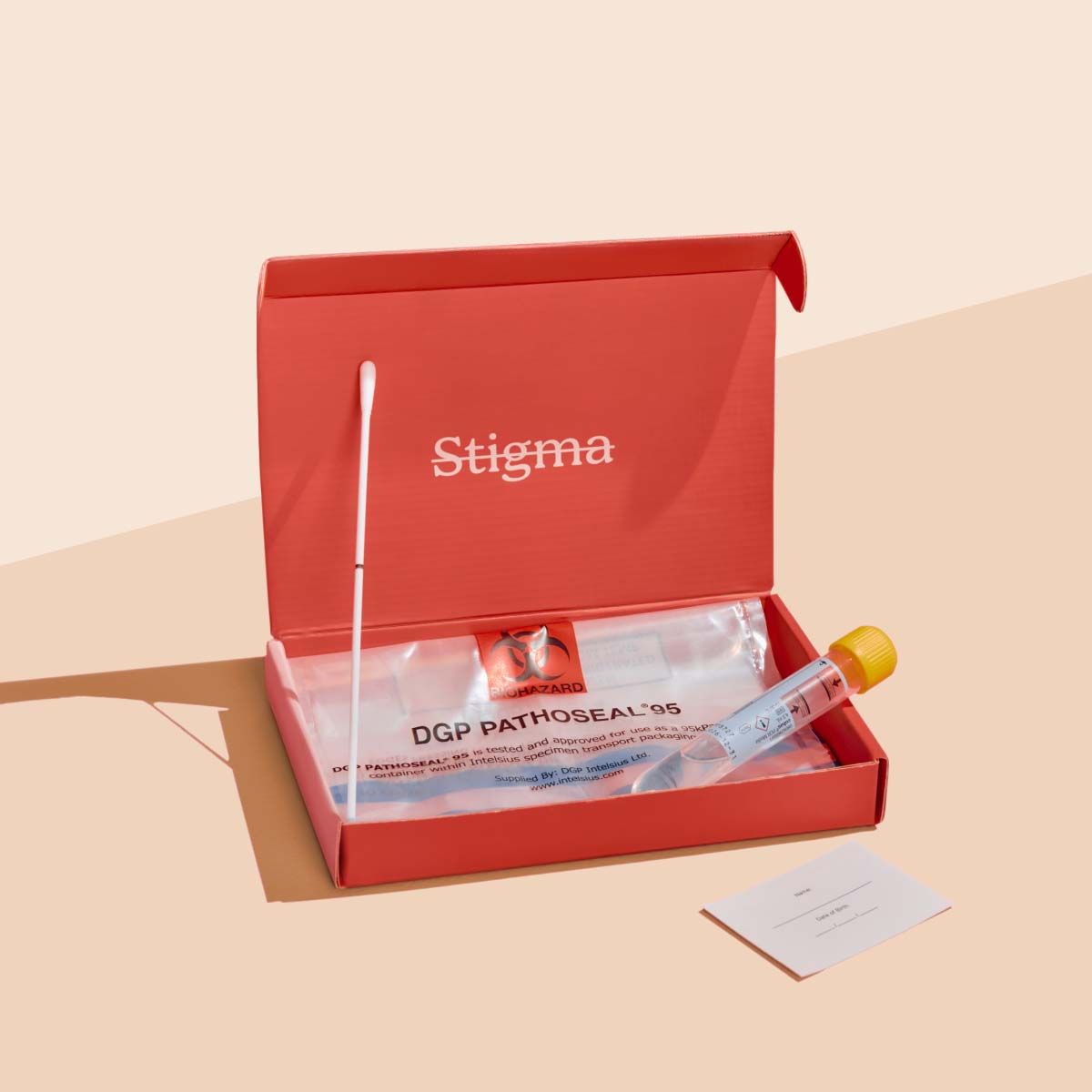
Herpes (HSV) Test
$169
At-home HSV-1 and HSV-2 testing, made simple—swab, ship, and treat. Consult and treatment included if necessary.
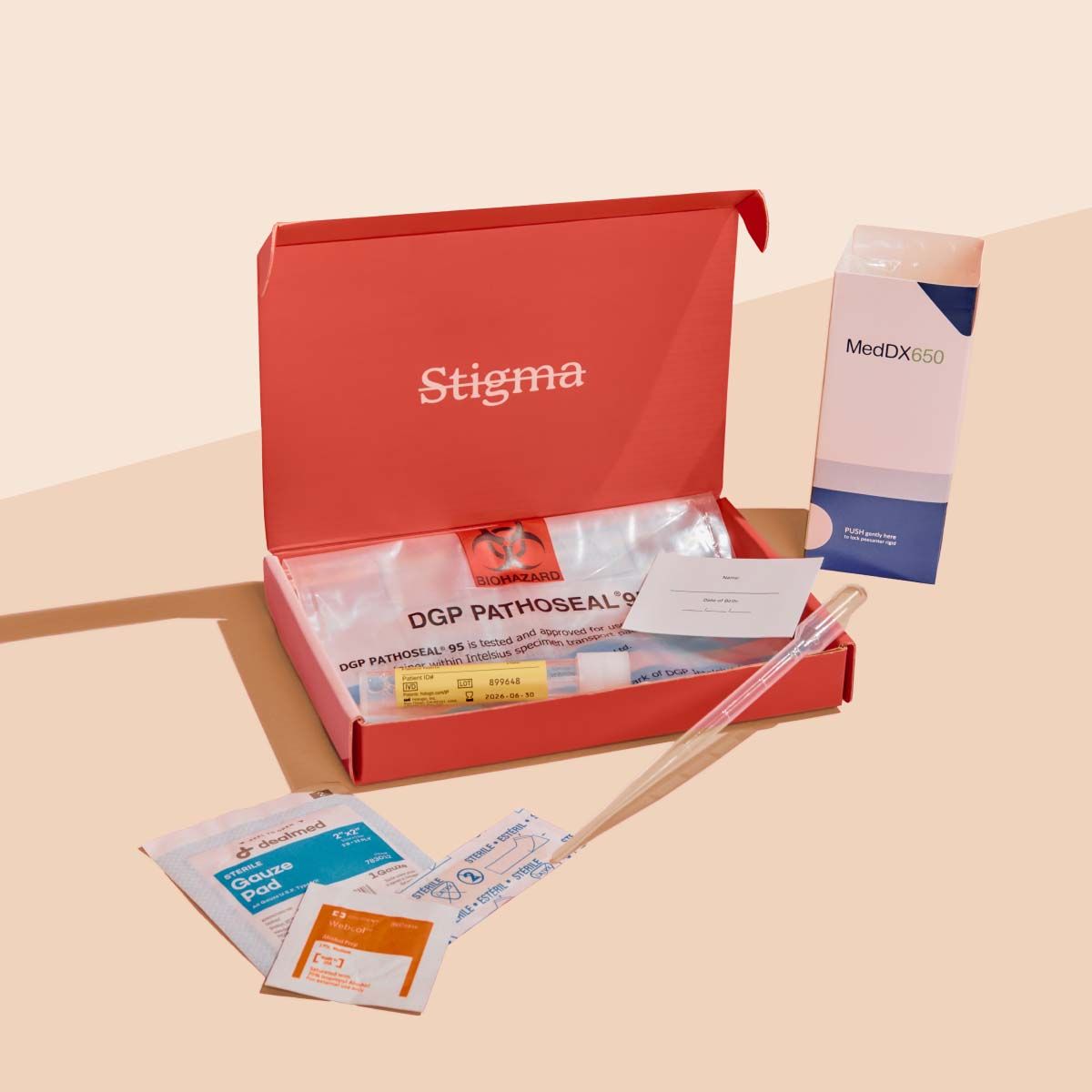
9-Panel STI Test
$249
The comprehensive at-home testing kit that covers 9 sexually transmitted infections, including herpes.