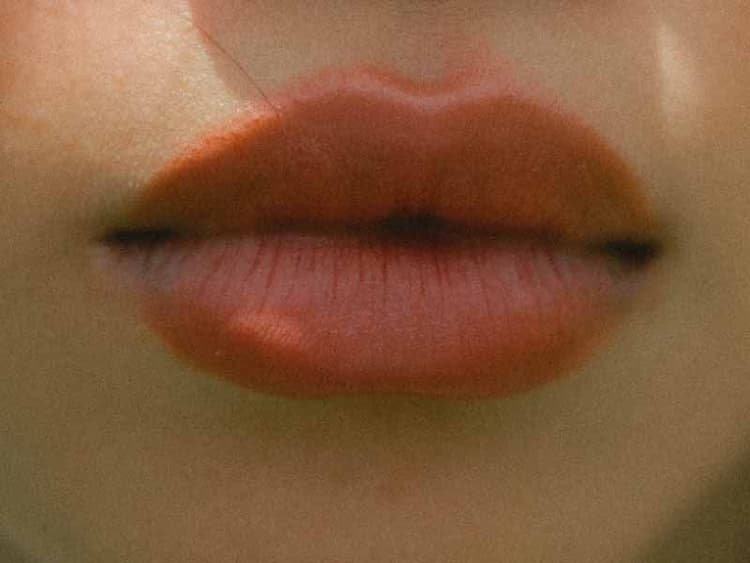
Does Chapstick Help Cold Sores & How to Treat Them
Published on September 9, 2026
Written by Kathleen Morrison
Medically Reviewed by Andrea Sleeth WHNP-BC, MSCP
Key takeaways
- Chapstick and regular lip balm may help keep the area moisturized and comfortable, but they don't treat the virus that causes cold sores.
- Over-the-counter Docosanol cream may help shorten a cold sore outbreak if used at the first sign of an outbreak.
- Prescription antiviral medications are typically the standard approach for more frequent or painful cold sores.
- It's important to know the difference between chapped lips vs cold sores. Chapped lips are a moisture issue, while a cold sore is a viral blister caused by the herpes simplex virus.
That telltale tingle shows up right before a big day, and you instinctively reach for your chapstick.
But will lip balm actually do anything for the cold sore that's about to crash your plans? Not in the way you're hoping.
Here's the honest breakdown of what lip balm, including a chapstick, can (and can't) do, plus the antiviral treatment options that can actually help treat cold sores.
Wisp treatment options are available only after consultation with a licensed medical professional, if medically appropriate. You should consult with your healthcare provider before starting a new supplement or treatment regimen. Individual results may vary. Must be 18 or older. For medication details and risks, see site for details.
What are cold sores, exactly?
Before reaching for the nearest tube of chapstick, it helps to know what you're dealing with because cold sores and dry lips need very different care.
So let's start there, then get to whether lip balm actually earns a spot in your cold sore toolkit.
Cold sores are small, fluid-filled blisters that pop up on or around the lips. They're typically caused by the herpes simplex virus type 1 (HSV-1); however, HSV-2 can cause cold sores too, though it's less common.
The virus spreads through close contact like kissing or sharing lip products, and can also be transmitted through oral sex.
You might also hear cold sores called fever blisters. Once the virus is in your system, it hangs out quietly and can reactivate when something triggers it, like stress, sun exposure, illness, or being generally run-down.
A typical cold sore outbreak follows a pattern: itching or tingle, then a raised blister (or cluster of blisters), then crusting. Cold sores usually heal within 7 to 10 days.
Chapped lips vs cold sore: How to tell the difference
At first glance, they can look weirdly similar, especially in the early stages. Both involve redness and soreness around the mouth.
The key difference is what's happening underneath:
- Chapped lips are a moisture issue. Dry air, wind, dehydration, or a lip-licking habit strips away the skin barrier, and lips become dry or cracked.
- A cold sore is a viral blister. It typically starts with a tingle or itching, then develops into a raised blister, often in the same spot each time.
If you're noticing dry lips across your whole mouth, it's probably chapping. If you're seeing one focused area with a blister forming, that's more likely a cold sore.
Does chapstick help cold sores?
Short answer: chapstick may help with comfort, but it won't treat the virus that causes cold sores.
Regular lip balm has no antiviral properties, so it can't shorten your outbreak or stop a blister from forming.
What it can do is keep the area moisturized, which honestly matters a lot when you're trying to get through the day.
Can chapstick cause cold sores or make them worse?
No, chapstick doesn’t cause cold sores. If you get cold sores, the virus is already in your system.
That said, sharing a tube during an active cold sore is a possible way cold sores spread to other people (or to other areas of your own face).
To help manage the risk of spreading the virus:
- Use a dedicated tube and don't share it
- Apply with a clean cotton swab instead of touching the sore directly
- Wash your hands before and after applying anything
Lip balm during a cold sore: What to grab, what to ghost
Quick clarification before we dive in: nothing in this section treats a cold sore or speeds up healing. This is purely about which lip balms are gentle enough to use on already-irritated skin, and which ones might make you regret everything.
What to reach for
- Petroleum jelly or lanolin-based formulas that create a simple protective barrier
- Fragrance-free, dye-free options that won't irritate sensitive skin
- SPF during the day, since sun exposure is a known trigger if you get cold sores often
These statements have not been evaluated by the Food and Drug Administration. This product is not intended to diagnose, treat, cure, or prevent any disease. Individual results may vary.
What to skip
- During an active cold sore, avoid anything with:
- Menthol or camphor (feels cooling, but can sting broken skin)
- Fragrance or flavoring
- Cinnamon or citrus extracts
- Essential oils that can irritate sensitive skin
Simpler is better here.
Surviving the "in-between" with self-care tips
Self-care tips won't treat a cold sore, but a few can help ease the pain and support comfort. And, if you're aiming to actually shorten the outbreak and treat the cold sore, you'll want to look at antiviral options (more on that below).
- A cold compress can help manage swelling, but always press gently on the area and don't rub
- Over-the-counter pain relievers may help with tenderness
- Hydrocolloid patches designed for cold sores can help protect the blister and keep the area moist
- Aloe vera gel may feel soothing around your lips (not on the open blister)
Cold sore treatments that help target the virus
When you want to move past comfort care and actually treat a cold sore, antiviral treatment is the way to go.
These are the treatment options worth knowing:
Over-the-counter Docosanol cream
Docosanol 10% (sold over-the-counter as Abreva) is an FDA-approved topical ingredient that may help shorten healing time. It works best when used at the first sign of a cold sore coming on, ideally during that tingle stage before the blister fully forms.
Wisp does not prescribe or offer Docosanol 10%. If you're considering it, please consult an in-person provider or your local pharmacist to confirm whether it's appropriate for your situation.
Common side effects of topical docosanol may include:
- Headache
- Burning or stinging where the cream is applied
- Redness or swelling at the application site
- Itching or soreness
- Dryness or flaking skin
- Acne near the treated area
This is not a complete list of risks and side effects, and others may occur. If symptoms worsen or you notice signs of an allergic reaction, contact a provider right away.
You are encouraged to report negative side effects of prescription drugs to the FDA. Visit www.fda.gov/medwatch or call 1-800-FDA-1088.
Topical prescription antiviral cream
For a prescription-strength topical option, Acyclovir Cream may be considered by a provider if medically necessary and appropriate.
Common side effects of Acyclovir Cream may include:
- Dry, cracked, or peeling lips
- Dryness or flaking of treated skin
- Burning, stinging, or itching when the medicine is applied
This is not a complete list of risks and side effects, and others may occur. If symptoms worsen or you notice signs of an allergic reaction, contact a provider right away.
You are encouraged to report negative side effects of prescription drugs to the FDA. Visit www.fda.gov/medwatch or call 1-800-FDA-1088.
Oral prescription antivirals
For more frequent or severe outbreaks, oral prescription antivirals provide systemic treatment throughout the body.
These prescription medications can help shorten the duration of an active cold sore outbreak when taken early, or help reduce the frequency of future outbreaks when taken daily as part of a long-term suppressive treatment plan.
What helps with cold sore pain
If a cold sore is really painful, a provider may prescribe topical Lidocaine Cream off-label to help ease discomfort while blisters are present. It doesn't treat the virus, but it can help make things a lot more bearable.
Common side effects of Lidocaine Cream may include:
- Mild irritation
- Skin changes where it's applied
- Numbness in spots where it lands by accident
This is not a complete list of risks and side effects, and others may occur. If symptoms worsen or you notice signs of an allergic reaction, contact a provider right away.
You are encouraged to report negative side effects of prescription drugs to the FDA. Visit www.fda.gov/medwatch or call 1-800-FDA-1088.
Cold sores, meet your match!
So, does chapstick help cold sores? It can help with comfort, but it won't touch the virus that causes cold sores. For that, you'll want an antiviral, either OTC Docosanol or prescription antivirals from a provider.
If cold sores keep coming back or hit hard when they do, you don't have to just wait them out. Wisp connects you with licensed providers online for prescription cold sore treatment, if medically necessary and appropriate. Judgment-free, discreet, and on your schedule.
Most prescriptions are sent to your pharmacy within 3 hours of completing your patient intake form and secure chat or video call when necessary. Pending retail pharmacy hours.
Wisp is not affiliated and does not sponsor or endorse any company names, logos, or brands shown or mentioned. All product names, logos, brands, and other trademarks or images shown or mentioned are the property of the respective brand owners and are only used to identify the products and services of their respective owners.
This blog post is for informational and educational purposes only and should not be taken as professional advice. Always consult with a qualified professional before making any decisions based on the information provided here.
Trusted Treatments
Valacyclovir & Acyclovir For HSV-2
Starting at $10/ month
Prescription antiviral pills used to prevent & treat outbreaks
Lidocaine-Amitriptyline Cream | HSV-2
Starting at $30
Prescription cream used to relieve outbreak pain.