Can You Get Herpes From Oral Sex?
HSV-2 Risks Explained
Published on January 4, 2021
Updated on July 29, 2026
Written by Kathleen Morrison
Medically Reviewed by Dr. Shannon Chatham, DO, a healthcare provider affiliated with Wisp
Key takeaways
- Yes, you can get herpes from oral sex. Transmission can go both ways: mouth to genitals and genitals to mouth.
- HSV-1 usually causes oral herpes (cold sores or fever blisters), while HSV-2 is the main cause of genital herpes. But both HSV-1 and HSV-2 can show up in either spot.
- Many people with herpes have no symptoms at all, and asymptomatic shedding means the virus can spread even when no sores are present.
- Condoms and dental dams help lower the risk of transmission, but they don't remove it completely.
- There's no cure for herpes, but prescription antivirals (including suppressive therapy) can help manage outbreaks and lower the risk of passing herpes to someone else, especially when combined with barrier methods.
- A swab test ordered by a provider can help confirm a herpes infection, so testing is a solid next step if you're unsure.
The low down on oral sex and HSV-2
It can be scary to jump back on the horse after getting diagnosed with HSV-2. But, believe it or not, a herpes diagnosis does not mean that you need to buy a burial plot and a headstone that reads, "Here lies my sex life." It does mean, however, that you need to approach future sexual activities with a bit more care and intention.
So, can you get herpes from oral sex? Short answer: yes, it can spread both ways; mouth to genitals and genitals to mouth. The good news is that barriers, honest conversations, and prescription antivirals for outbreak management and suppression can meaningfully help manage the risk.
Let's get into how it all actually works.
Wisp treatment options are available only after consultation with a licensed medical professional, if medically appropriate. You should consult with your healthcare provider before starting a new supplement or treatment regimen. Individual results may vary. Must be 18 or older. For medication details and risks, see site for details.
Types of herpes
Herpes, or the herpes simplex virus, has two known forms:
- Herpes simplex virus type 1: You might recognize this form of herpes as HSV-1, but it's even more recognizable as fever blisters or cold sores. HSV-1 is the main cause of oral herpes and, in many cases, it is contracted unknowingly during childhood from something as innocent as sharing a drink.
- Herpes simplex virus type 2: While HSV-1 usually causes oral infections, HSV-2 likes to head down south, resulting in genital herpes. In fact, HSV-2 is the main cause of genital herpes.
Though each type of herpes virus is found more frequently in a certain part of the body, both HSV-1 and HSV-2 can occur in either region. In many cases, but not all, a human's body produces antibodies to respond to and fight the virus, making it less likely that they could get the other form in the future.
Worth knowing: HSV-1 can also cause genital herpes, and a growing share of cases of genital herpes in people aged under 25 are caused by HSV-1 rather than HSV-2, usually through oral sex. So "oral and genital" isn't as tidy a split as it once was.
What symptoms of herpes look like
First, let’s clear something up: Many people with herpes have no symptoms, or such mild symptoms that they get written off as razor burn, an ingrown hair, or a weird pimple.
When symptoms do show up, common signs of an oral herpes infection include:
- Tingling, itching, or burning around the mouth before anything appears
- Small, fluid-filled blisters on or around the lips that crust over
- Soreness and mild swelling in the area
Common symptoms of genital herpes include:
- One or more blisters or a tender herpes sore on the genitals, buttocks, or inner thighs
- Pain or burning when you pee
- Unusual discharge
- Flu-like symptoms (achiness, swollen glands, low fever), especially with a first outbreak
Because herpes can cause such a wide range of experiences (from nothing at all to a genuinely rough first outbreak), a visual check isn't enough.
A swab of an active sore, or a blood test when no sores are present, is how a provider confirms it. If you're sexually active and want the full picture, a full STI panel can rule out other STIs with overlapping symptoms.
Can herpes be transmitted through saliva?
While saliva can contain and transmit HSV-1, HSV-2 usually requires skin-to-skin contact for transmission, meaning it's very unlikely to transmit the virus from a hot tub, a shared toilet seat, or even semen.
In order for one human to pass the virus to another, the affected skin area typically needs to come in contact with either breaks in the skin or mucous membranes (like the mouth, anus, and vagina), which are the moist linings of specific body parts.
Can you get HSV-2 from giving oral?
In most cases, HSV-2 is passed along through anal or vaginal sex. Even though it's way less common, you can get oral herpes caused by HSV-2 from performing oral on your partner if they have genital herpes, even if they aren't currently having an outbreak. This is because the mouth is lined with mucous membranes, giving the virus an entrance to your nervous system and the ability to infect tissue around the mouth.
If I have HSV-2, can I receive oral?
Just because you have HSV-2 does not mean that your sex life has to come to a grinding halt. Remember, herpes is most contagious when you're experiencing an outbreak, so it's a good idea to avoid contact with the area completely during these times.
If you are in a relationship where one individual has HSV-2, and the other does not, taking suppressive antiviral medication can greatly help manage the likelihood of outbreaks and transmission.
Learn more about the difference between Suppressive vs. Episodic Herpes Treatment.
Another way to help manage the risk that your partner will contract the virus is by using a condom or dental dam as a barrier during oral sex.
A condom can be used as a barrier during oral sex performed on a penis, while a dental dam, a thin piece of latex or polyurethane, can be stretched over the genitalia during oral sex performed on a vulva or anus.
The materials used for both are the same, so they are thin enough not to detract from the sexual experience. In fact, you can even DIY a dental dam using a condom.
Can you get HSV-1 from giving oral?
Most of the time, the herpes virus type 1 is transmitted through kissing, but it can also pass to or from a partner during oral sex. HSV-1 most commonly causes mouth sores, but it can cause sores on the genitals as well. If you have HSV-1, you can pass herpes to their genital area, regardless of whether you have an active cold sore or not.
If I have HSV-1, can I receive oral?
It’scompletely possible to transmit HSV-1 when receiving oral sex. You can reduce the likelihood of spreading the virus to your partner by avoiding sexual contact during an outbreak, but there is still a risk.
If you experience "infrequent" outbreaks, defined as less than 4 per year, an episodic antiviral treatment may be all that's needed to help manage a herpes outbreak when it shows up, if medically necessary and appropriate.
How can you and your partner lower the risk of transmission?
A herpes diagnosis is not the end of the world, or even your sex life, for that matter. You and your partner can still enjoy sex, but you may have to be a little more aware and careful. Some ways that you can help manage the risk of transmitting HSV-1 and HSV-2 during oral sex are:
- Keep it real: There is no shame in being open and honest with your sexual partner. Let them know that you have HSV-2, explain what that means, and ask them if they have herpes. Open communication is so important to keep everyone informed and safe.
- Talk to a provider about antivirals: Getting suppressive herpes treatment, if medically appropriate, can help manage the frequency of your outbreaks and help lower the risk of spreading the virus to others. Antivirals may also shorten your healing time so you can get back to business sooner.
- Cover all your bases: Safe sex is always important, regardless of whether you or your partner have a herpes diagnosis. Using condoms and dental dams are great ways to enjoy things like oral sex safely. Just know barriers only cover so much skin, so they lower the risk of contracting the virus without erasing it.
- Skip contact during an outbreak: When you or your partner are experiencing an outbreak, go for some safe, or "sexy touching" instead. You can masturbate together or try mutual masturbation. Just so long as you keep things fun and safe, there are no wrong answers.
- Know about asymptomatic shedding: The virus can be active on the skin without any visible sore, which is why transmission sometimes happens between outbreaks. It's not anyone's fault; it's just how the virus works. To help manage that risk, tune in to your own early warning signs (that faint tingle, itch, or tenderness in a familiar spot often shows up before anything visible) and hit pause on oral sex until it passes.
Herpes doesn't get to write your story
Living with herpes is a lot less dramatic than the internet made you believe. It's a common infection, it's manageable, and it says exactly nothing about who you are.
Regardless of what form of herpes you or your partner have, think about it as a beginning rather than an end. With the right care, you can get back to feeling like yourself sooner.
Wisp connects you with licensed providers who can help you figure out what fits your situation, whether that's care for a first outbreak, episodic treatment when one shows up, or suppressive therapy to help manage how often they happen and help lower the risk of transmission.
Our prescription antivirals for oral (cold sores) and genital herpes can help treat outbreaks, shorten their duration, and help manage future outbreaks, if medically appropriate.
Judgment-free, hassle-free, and entirely on your terms. Start your visit today.
Most prescriptions are sent to your pharmacy within 3 hours of completing your patient intake form and secure chat or video call when necessary. Pending retail pharmacy hours.
This blog post is for informational and educational purposes only and should not be taken as professional advice. Always consult with a qualified professional before making any decisions based on the information provided here.
Trusted Treatments
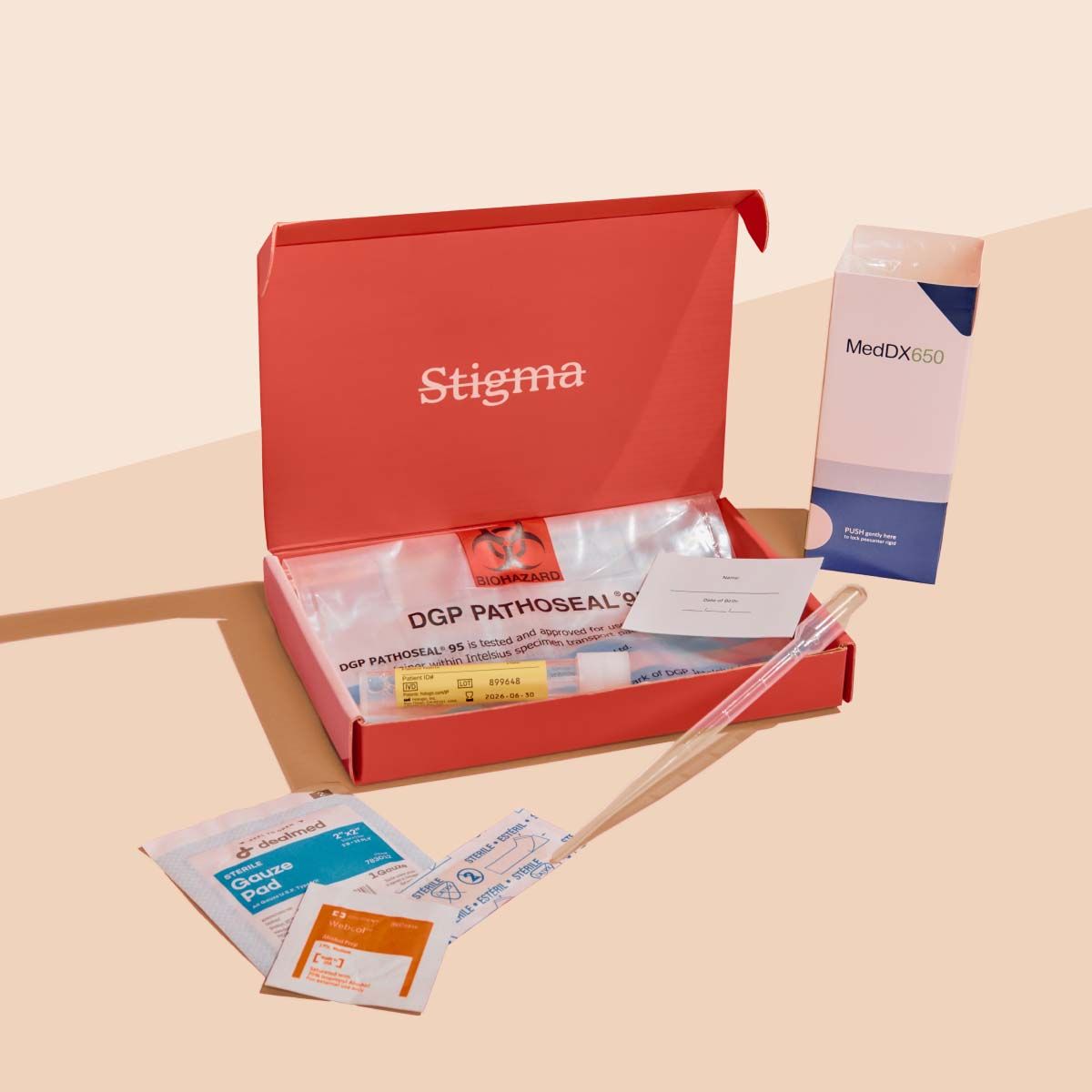
9-Panel STI Test
$249
The comprehensive at-home testing kit that covers 9 sexually transmitted infections, including herpes.
Oral & Genital Herpes | Outbreak & Preventative Treatment for HSV-1 & HSV-2
Starting at $10/ month
Prescription antivirals for oral (cold sore) and genital herpes outbreaks and prevention.
Valacyclovir & Acyclovir For HSV-2
Starting at $10/ month
Prescription antiviral pills used to prevent & treat outbreaks
Valacyclovir (Valtrex) or Acyclovir | HSV-1
Starting at $10/ month
Prescription antiviral pills used to prevent & treat outbreaks.