Written by Kathleen Morrison
Medically Reviewed by Andrea Sleeth WHNP-BC, MSCP, a healthcare provider affiliated with Wisp
Key takeaways:
- Sores and pimples can look similar at first, but clustering, sensation, and recurrence can help you tell them apart.
- A pimple forms when a pore or hair follicle clogs with dead skin cells and oil; it’s a skin condition, not a virus, and pimples are not contagious.
- Herpes is caused by the herpes simplex virus and appears as fluid-filled blisters that rupture, crust over, and may return to the same spot.
- Genital herpes vs pimple and oral herpes vs pimple have different tells, mostly around location and triggers.
- Testing is the most reliable way to know, and prescription treatment can help manage outbreaks of HSV infection.
You spotted a bump in a sensitive spot and your brain went straight to worst-case scenario. Is it a pimple or herpes? Take a breath! You're not the first person to have this 2 a.m. moment.
These bumps can look similar early on, especially around the mouth, bikini line, or below the belt.
Visual guessing only gets you so far, which is why at-home HSV testing exists for moments when you'd rather have an answer than a hunch. And if it is the virus, prescription herpes treatment can help you manage flare-ups, if medically appropriate.
Now, let’s see what separates herpes from a pimple.
Wisp treatment options are available only after consultation with a licensed medical professional, if medically appropriate. You should consult with your healthcare provider before starting a new supplement or treatment regimen. Individual results may vary. Must be 18 or older. For medication details and risks, see site for details.
What is the herpes virus?
Herpes simplex (HSV) comes in two types. HSV-1 most often causes oral herpes, or cold sores, while herpes simplex virus type 2 more often causes genital herpes; though either can affect either area through skin-to-skin contact.
Once you have it, HSV stays in the body, living quietly in nerve tissue and reactivating from time to time. However, for many people, outbreaks may become less frequent over time as the body adapts to the virus.
That's the fundamental difference from pimples: it's lifelong, it recurs, and herpes can spread to others. Stress, illness, and fatigue are common triggers.
What is a pimple?
A pimple forms when a pore or hair follicle gets plugged with dead skin cells and excess oil, sometimes with bacteria joining the party. That blockage can cause inflammation and, often, a pocket of pus near the surface.
Pimples can develop anywhere you have pores: face, back, chest, and yes, below the belt.
These aren’t contagious, and most can clear within about a week.
At a glance: How can you tell the difference between herpes and a pimple?
Here's a quick rundown of herpes vs pimples before we get into the specifics:
Appearance
- HSV outbreak: Usually small, fluid-filled blisters that can rupture, ooze, and crust over
- Acne breakout: A red bump that may have a white or dark head, often filled with pus
Pattern
- HSV outbreak: A first outbreak typically shows up as a cluster of blisters, but recurrent outbreaks can appear as a single sore that is easy to mistake for a pimple or a minor scratch
- Acne breakout: Pimples can appear on their own or scattered across an area
Sensation
- HSV outbreak: May bring warning signs before anything is visible, such as tingling, burning, itching, or increased skin sensitivity
- Acne breakout: Usually tender only when touched or pressed
Systemic symptoms
- HSV outbreak: Can come with mild fatigue, headaches, low-grade body aches, fever, or swollen lymph nodes, especially during a first outbreak
- Acne breakout: Doesn't typically cause whole-body symptoms
Duration
- HSV outbreak: A first-time HSV outbreak can last two to four weeks, while recurrent outbreaks often heal in about a week to 10 days
- Acne breakout: A pimple may clear within a few days to a week
Recurrence
- HSV outbreak: Sores can return to the same general area
- Acne breakout: Breakouts don't usually follow a set location pattern
Contagious
- HSV outbreak: Can spread through skin-to-skin contact, even when no sores are visible
- Acne breakout: Not contagious
The tells shift depending on where the bump is, so let's take each area separately.
Genital herpes vs pimple: What are the differences?
Down there, friction, shaving, and sweat can create suspicious bumps. So does the virus. Here's how to separate them:
Appearance and texture
Genital herpes sores don't start as bumps at all. They begin as small red patches that within a day become clusters of tiny blisters holding clear or straw-colored fluid. Press one, and it typically feels soft and fragile, almost like a water balloon under thin skin. Within a day or two, they rupture on their own, leaving a shallow, raw open sore with a red rim that later crusts.
A genital pimple or bump from a blocked follicle behaves in almost the opposite way. It sits deeper in the skin, feels firm and anchored when you press it, and holds its shape rather than collapsing. Its center fills with pus that's white or yellow and darkens once air reaches it. It typically comes to a head, drains, and doesn't leave a raw ulcer behind like herpes does.
Clustering and pattern
During a first outbreak, genital herpes bumps can typically erupt as tight groups of several small lesions clustered on one patch of skin, often close enough that they can merge into a single irregular sore as they open. Recurrent outbreaks can look different, though. They may show up as a single, isolated sore that's easy to mistake for an ordinary pimple or a minor scratch, so a lone bump doesn't rule out herpes.
Pimples and blemishes can show up in small groups too, but the arrangement usually reads differently. Each one tends to be evenly shaped and separated from its neighbors, with little tendency to merge.
Location on the body
Genital herpes sores show up where skin-to-skin contact happened, which means the genitals themselves, the buttocks, inner thighs, or around the rectum. They aren't limited to hair-bearing skin, and a lesion on the inner labia or vaginal opening is also a meaningful flag.
Breakouts follow friction and hair, not contact. You may expect them along the bikini line, the outer labia, and anywhere tight underwear rubs. Pimples from ingrown hairs cluster a few days after shaving or waxing, when hair grows back and curls into the skin instead of breaking through it.
Pain and sensation
With genital herpes, discomfort may arrive before anything is visible. Many people notice tingling, itching, or a burning irritation a day or two ahead of any lesion. Once the sores rupture, they hurt constantly, with no touching required, and urination can sting sharply if they sit near the urethra.
Pimples can be uncomfortable too, but the sensation is typically pressure-dependent. A blemish may itch faintly or feel tender, but the discomfort typically becomes apparent when you press on it, sit, or wear something snug against it. Leave it alone, and you'll mostly forget it's there.
If a painful bump hurts without being touched, that mismatch is worth taking seriously.
Timing and recurrence
Genital herpes symptoms follow a recognizable rhythm. A first flare-up can take up to four weeks to fully heal, while later ones may run shorter and milder. Crucially, they typically return to the same patch of skin, often after triggers like stress, illness, or poor sleep.
A pimple's timeline is usually short and unpatterned. A blemish typically peaks within two or three days, fades within a week, and shouldn't keep reappearing in the identical spot. Breakouts track with sweat, shaving, and hormones rather than recurring flare-ups.
If you're mapping the same location over and over, that's a very telling clue that may point toward herpes blisters.
That said, some pimples can come back in the same spot. Deep cystic acne can leave a small sac under the skin that stays even after the surface looks clear, and it may refill when hormones or stress spike.
Severe inflammation from a past pimple can also stretch or damage a pore wall, which may make that same pore more likely to break out again.
If you're seeing a bump in the same location over and over, especially one that tingles or burns before it appears or blisters and crusts over, that may point more toward herpes (or another medical condition) rather than a recurring pimple.
Oral herpes vs pimple: What are the differences?
Around the mouth, confusion is just as common; cold sores and pimples both love the lower half of your face. Location and timing do most of the work.
Where each one shows up
Cold sores, or oral herpes, clinically called herpes labialis, most often appear directly on the vermilion border, the precise line where lip tissue meets facial skin, and sometimes just inside the lip or at the corner of the mouth. That placement is a common clue, but it isn't a guarantee on its own.
When it comes to pimples, a blocked follicle still needs a follicle, and the red tissue of the lip itself has none. So blemishes can't form on the inner lip and typically show up on the chin, nose, cheeks, and the fleshy skin around the mouth. However, the skin right along the outer lip line does have follicles, so a pimple can form directly on that edge, right where a cold sore might appear.
Same neighborhood, very different tenants, which is why a mirror alone may not settle.
How they look
A cold sore typically starts as a small raised patch, then quickly becomes a cluster of tiny fluid-filled lesions. Those rupture, weep briefly, and dry into a distinctive honey-colored or amber crust that cracks when you smile or eat.
A pimple stays in one raised spot with a defined white or dark center and intact skin over the top. It may drain if squeezed, but it doesn’t typically blister, weep, or form that amber scab that's a hallmark of herpes.
Cold sores and pimples can look more different at this stage. Blistering and amber crusting usually point away from a standard pimple, but a honey-colored crust can also point towards another medical condition beyond herpes (like impetigo).
The warning sensation
Oral herpes usually announces itself. Roughly a day before anything is visible, most people feel a distinct tingling, itching, or tightness on one spot of the lip. Many describe knowing exactly where it will surface.
With a pimple, the warning can feel different. A surface-level spot may simply appear when you look in the mirror, with no sensory warning the day before. But deeper blemishes, like blind pimples, nodules, and other inflammatory acne, can announce themselves too, usually as a tender, sore, or achy lump under the skin before anything shows on the surface.
The difference is often in the feel: herpes warnings tend to tingle, itch, or burn, while a deep pimple is more likely to feel sore or painful when pressed.
Healing time and recurrence
Cold sores typically run one to two weeks through a predictable sequence of tingling, blistering, weeping, crusting, and healing. They come back to the same patch of lip, prompted by stress, illness, sun exposure, hormonal shifts, etc.
A pimple near the mouth should typically clear in a few days, skip the staged progression entirely, and move around your face rather than camping in one place.
Treatment options for herpes
There's no cure, but flare-ups are manageable. Prescription antiviral medication from a provider is the standard of care, and starting early makes a difference.
If prescribed, FDA-approved prescription antivirals work by targeting viral replication. Clinical studies show these medications are most effective when started at the first sign of a prodrome or symptom onset to help reduce outbreak duration.
Suppressive therapy
Suppressive therapy for herpes involves a daily dosage of antiviral medication. Talk to your healthcare provider about whether this approach may be appropriate for managing your condition. A provider can help you weigh episodic versus daily dosing.
Caring for a pimple
Most pimples don't need a healthcare professional; they need patience and hands off. (Yes, that includes your hands.) Squeezing can push bacteria deeper into the pore and invite scarring.
For a fresh spot, gentle cleansing and over-the-counter acne treatments can help.
If you're dealing with severe acne, see an in-person provider or dermatologist.
Not sure what you're looking at? Swab, don't spiral
Here's what no visual guide replaces: looking at a bump can't confirm what caused it. Even providers rely on testing, because this is a hard call early on. Consider testing if:
- You notice a cluster of blisters, especially in the genital area or around the mouth
- A painful bump doesn't heal within two weeks
- You felt tingling or burning before it appeared
- Sores keep returning to the same spot
- You developed sores after sexual contact without a barrier method
Swabbing an active sore can be a helpful way to confirm the virus, which is why an at-home swab test can be practical while a bump is present.
When to see a provider for treatment
If a test comes back positive, a provider can talk through whether prescription treatment makes sense. Reach out promptly if:
- Your first flare-up comes with fever, body aches, or swollen lymph nodes
- Sores are severe, spreading, or extremely painful
- Urination hurts because of sores near the urethra
"Bump" in the road? You've got options
Sorting this out alone isn't always possible, and that's okay. Clustering, an early warning sensation, and whether the bump keeps returning are your best clues to distinguish between herpes vs pimple, but clues aren't a diagnosis.
A swab test turns a guess into an answer. You don't have to sit with the uncertainty, or in an in-person waiting room, to resolve it. Wisp offers at-home herpes testing you can do from your own couch, plus prescription treatment if medically appropriate; online, discreet, and refreshingly free of judgment.
Whatever it turns out to be, you deserve a real answer and care that meets you where you are.
This blog post is for informational and educational purposes only and should not be taken as professional advice. Always consult with a qualified professional before making any decisions based on the information provided here.
Trusted Treatments
Valacyclovir & Acyclovir For HSV-2
Starting at $10/ month
Prescription antiviral pills used to prevent & treat outbreaks
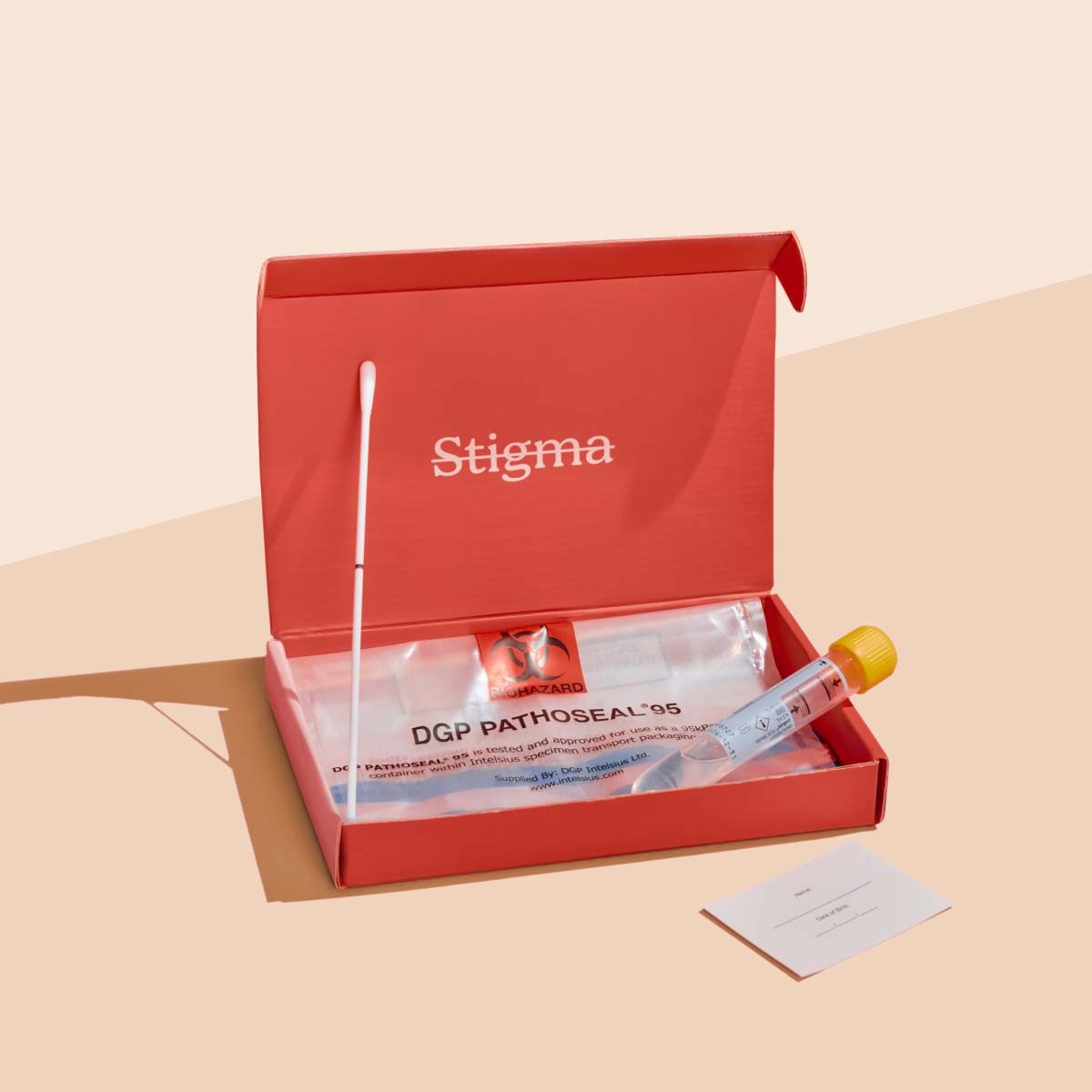
Herpes (HSV) Test
$169
At-home HSV-1 and HSV-2 testing, made simple—swab, ship, and treat. Consult and treatment included if necessary.
Oral & Genital Herpes | Outbreak & Preventative Treatment for HSV-1 & HSV-2
Starting at $10/ month
Prescription antivirals for oral (cold sore) and genital herpes outbreaks and prevention.