Herpes Symptoms: Signs, Causes, and
When to Get Tested
Published on December 31, 2020
Updated on August 5, 2026
Written by Kathleen Morrison
Medically Reviewed by Andrea Sleeth WHNP-BC, MSCP, a healthcare provider affiliated with Wisp
Key takeaways:
- Herpes is a common virus (HSV-1 or HSV-2) that can cause cold sores or genital outbreaks, often with flu-like symptoms.
- Visible herpes symptoms include sores or blisters, and sometimes swollen lymph nodes.
- Early herpes symptoms usually show up before any blister does, often as tingling, itching, or burning in one specific spot.
- Oral herpes symptoms and genital herpes symptoms come from the same herpes simplex virus family; the biggest difference is where the sores show up.
- Testing can be done at home during an outbreak or via a blood test for antibodies, helping you confirm and manage the infection.
- While herpes cannot be cured, depending on your needs, a provider may prescribe daily suppressive antiviral therapy to reduce the frequency of herpes outbreaks, or episodic antiviral therapy to shorten the duration of an active outbreak.
- Simple self-care—like warm baths, loose cotton clothing, and a healthy lifestyle—can help ease symptoms and support your immune system.
One day, you wake up and it really burns when you pee. Then you notice there are weird sores down there, and you feel like a cold's coming on—it's natural to wonder what's going on! After messaging your sexual partner, they tell you that they just got diagnosed with herpes HSV-2. You know about herpes, but what does this really mean?
While it can be scary to think about, there are prescription herpes treatments available to you if medically appropriate, and everything is going to be okay!
Let's talk about what herpes is, the signs and symptoms of herpes, and how to manage it so you can live a happy, healthy life.
Wisp treatment options are available only after consultation with a licensed medical professional, if medically appropriate. You should consult with your healthcare provider before starting a new supplement or treatment regimen. Individual results may vary. Must be 18 or older. For medication details and risks, see site for details.
What is herpes?
Herpes is a type of virus called herpes simplex. The two common viral strains of herpes are HSV-1 and HSV-2. If you've ever had an annoying cold sore on your mouth, it's probably from the HSV-1 virus strain.
One of the challenges with having herpes is that you may not know you have it until a few days or weeks after being exposed to it. During that time, you could give the virus to others without even knowing it. That's one reason it's super important to always have protected sex with condoms and dental dams. It's also really important to get regular testing for STDs when you're sexually active.
How do you get herpes? (Oral vs. genital transmission)
Herpes spreads through skin-to-skin contact, and that contact doesn't have to involve penetrative sex at all.
HSV-1 vs. HSV-2: Which virus causes oral and genital herpes?
Oral herpes, the kind behind cold sores or fever blisters, is most often caused by herpes simplex virus type 1 (HSV-1), but it can also be caused by HSV-2.
Similarly, while HSV-2 is the traditional cause of genital herpes, genital HSV-1 has become increasingly common.
This means that both HSV-1 and HSV-2 can cause either oral or genital herpes, often depending on the type of skin-to-skin contact, such as oral sex with a partner who has an active infection.
How does herpes spread?
Herpes spreads primarily through direct skin-to-skin contact and can be passed on even when no sores are visible.
Common ways it spreads include:
- Vaginal, anal, or oral sex with an infected partner.
- Skin-to-skin contact with infected areas around the genitals.
- Asymptomatic viral shedding, where the virus can pass to others without having visible sores.
While condoms and dental dams can help manage the risk, they don't provide complete protection because the virus can spread from uncovered skin. Once inside the body, herpes remains dormant in nerve cells and may reactivate later.
Now, don't worry! Just because the herpes virus is living in your body doesn't mean you're always going to have herpes symptoms; it's just that you'll have to help manage outbreaks with prescription antivirals from a provider if medically necessary and appropriate. It's also important to always have protected sex and to have a talk with any sexual partners to let them know you've been exposed to herpes.
What are the visible signs and symptoms of herpes?
Herpes is a tricky STD. Sometimes, you won't have any signs or symptoms of the virus.
So how soon do symptoms appear? If they show up at all, first outbreak symptoms typically appear about 2 to 12 days after exposure. Plenty of people have no symptoms for months or even years, which is exactly why so many people are unaware they've been infected with the virus.
But when you have an outbreak, you'll generally know it.
Here are some of the signs that you can see that are common with a herpes infection:
- Cold sores
One of the tell-tale signs of herpes is open, often blistery sores. What does a herpes sore look like? A herpes sore starts out as a white-ish blister, then turns red, then scabs over. The sores might be pretty scary to see, but it is a common sign. Just remember that after a while, the sores should typically scab over and eventually go away!
- Vaginal discharge:
Unusual discharge is also a common sign of herpes. While vaginal discharge can be a sign of something else, if it's accompanied by genital sores, it's probably from herpes.
- Itching around your lady parts:
You'll generally also experience intense itching around your vagina, vulva, and buttocks, along with the burning and blistery sores.
- Burning when you pee:
When you have to pee, and there's a painful, burning sensation, check yourself down there with a mirror and see if you see any open sores.
- Flu-like symptoms:
You may feel achy, have a fever, headache, chills, and just generally feel funky. These symptoms are more common during a first-time outbreak and are less typical with recurrences.
- Swollen lymph glands:
Your lymph nodes help your body fight infection, and they can puff up while they're working overtime on the herpes simplex virus. More on what that feels like below.
- Tingling and burning sensations:
Yes, down there. A herpes outbreak can start with tingling, burning, itching, localized discomfort, or extra-sensitive skin around the genitals—and sometimes along the legs. These are often called prodromal symptoms, and they can be your first clue that an outbreak is on the way. You might also feel generally blah, with mild fatigue, a headache, or low-grade body aches, especially during a first outbreak.
Prescription oral antivirals can help reduce the duration and severity of herpes outbreaks when treatment is initiated promptly at the first appearance of symptoms.
Swollen lymph nodes and herpes: What to expect
Swollen lymph nodes are one of the most common (and most alarming-feeling) symptoms of herpes, especially during a first outbreak.
Lymph nodes can swell wherever they're closest to the action. With genital herpes, that's usually the groin, on one side or both.
With oral herpes, it's more often the nodes under your jaw or along your neck. Some people notice tenderness in the armpits too, particularly if they're running a fever and feeling generally wiped out.
Swollen nodes usually feel like tender, movable lumps roughly the size of a pea or a grape, and they're often sore to press. They typically flare up alongside the sores and settle back down within a couple of weeks as the outbreak heals. Repeat outbreaks tend to be much milder, and often skip the swelling entirely.
Check in with an in-person provider if the swelling sticks around longer than a few weeks, keeps growing, feels rock-hard or fixed in place, or comes with a high fever, night sweats, or skin over the node that's red and hot. Those aren't typical herpes territory and deserve a closer look.
What are the earliest signs of herpes?
Before any blister makes an appearance, your body usually drops a few hints. Providers call this the prodrome, and it's basically the virus waking up and traveling back along your nerves toward your skin.
Early herpes symptoms tend to be subtle and easy to write off, which is exactly why they're worth knowing:
- Tingling or a pins-and-needles feeling in one specific spot on your lip, genitals, thighs, or buttocks
- Mild itching or burning in an area that looks completely normal
- Tenderness or a dull ache in the skin, sometimes with shooting nerve pain down your legs
- Flu-like symptoms, especially before a first outbreak: low fever, body aches, or swollen lymph nodes
- Redness or a small raised bump that hasn't blistered yet
These early warning signs usually last a few hours to a couple of days before sores appear, and they often show up in the same spot every time.
Also worth knowing: Some people have very mild symptoms (or no symptoms at all) and never notice a prodrome, and that's normal too.
Are cold sores always herpes?
Unfortunately, yes! Cold sores are always caused by the herpes simplex virus—usually HSV-1—so in that sense, a cold sore is a herpes outbreak.
But not every lip or mouth blister is a cold sore. Some can be triggered by things like irritation, allergies, or other infections. If you're unsure whether a lip or mouth blister is herpes, a quick test followed by a provider consult can help you get a clear answer and treatment if needed.
How do I treat herpes?
Well, the kicker here is that there's no cure for herpes. It's a stubborn virus that lives with you, but it is manageable. The good news is that after your first outbreak with herpes blisters and flu-like symptoms, you may have fewer or milder future outbreaks with antiviral herpes medication from a provider, if medically necessary and appropriate.
Prescription antivirals are generally used in two ways:
- Episodic treatment, meaning you start them as soon as you feel early herpes symptoms coming on and take it for a short period of time to help prevent or shorten the outbreak.
- Daily suppressive antiviral therapy can be prescribed by a provider to help reduce the frequency of recurrent genital herpes outbreaks.
Which approach makes sense for you is a conversation to have with a provider.
Don't be scared of this! With a balanced lifestyle and an appropriate treatment plan, you can live a full and healthy life.
How do I test for herpes?
Testing for herpes might sound intimidating, but it’s actually pretty straightforward—and yes, you can do it from the comfort of your own home. No awkward in-person conversations and no stress.
If you’re dealing with symptoms like itching, tingling, or painful blisters around your mouth or genitals, the best time to test is during an active outbreak.
A swab of the affected area is the gold standard and the most accurate way to confirm whether a sore is caused by herpes. If you're not currently having symptoms, a simple blood test can check for herpes antibodies—your body's way of showing it’s met the virus before. Just keep in mind that having HSV antibodies doesn't necessarily mean a particular sore is herpes, and antibody tests are most accurate a few weeks after potential exposure.
At-home herpes testing kits are available and usually include clear instructions, discreet packaging, and quick turnaround times for results. It’s a low-stress way to help get clarity, whether you’re managing symptoms or just want to know where you stand.
Remember, knowledge is power. Getting tested is a smart, proactive step—so you can get the answers you need and take care of yourself with confidence.
What can I do at home to help support my body during treatment?
- Bathe in warm, lightly salted water. The warm water helps to soothe open sores.
- Put a gentle, natural lotion on the open sores. Be sure to put just a little bit on one first to see if it feels better.
- Wear loose cotton underwear and clothing. You want to make sure your genital area can breathe.
- Live a healthy lifestyle. One of the best ways to help fight off any infection, including an outbreak of herpes, is with a strong immune system. Eat a balanced diet, exercise, and stay hydrated.
Herpes is super common, and a lot of sexually active people have it. It's manageable, and it doesn't have to run your life. Take your medication as prescribed, live a balanced lifestyle, and keep doing you.
Demystifying the blisters
Relax. Herpes is super common, often manageable, and honestly? Way less dramatic than it’s made out to be.
Whether you’ve noticed a few unfamiliar symptoms or just want to stay informed, knowing what to look for puts you in the driver’s seat.
From tingling and blisters to flu-like feelings, the signs aren’t always obvious, but paying attention to your body and checking in when something feels off is a powerful move.
If you think you might have herpes (or you’re just curious), getting tested at home is quick, easy, and can be done right at home. Whatever your results, there are ways to help manage the virus and live your life confidently and fully.
So, if you’re ready to take the next step, Wisp offers discreet at-home herpes testing and *same-day prescription antiviral treatment options, if medically appropriate, with no judgment, ever. Start your online visit today.
Your sexual health deserves care, clarity, and zero shame. You’ve got this!
*Most prescriptions are sent to your pharmacy within 3 hours of completing your patient intake form and secure chat or video call when necessary. Pending retail pharmacy hours.
This blog post is for informational and educational purposes only and should not be taken as professional advice. Always consult with a qualified professional before making any decisions based on the information provided here.
Trusted Treatments
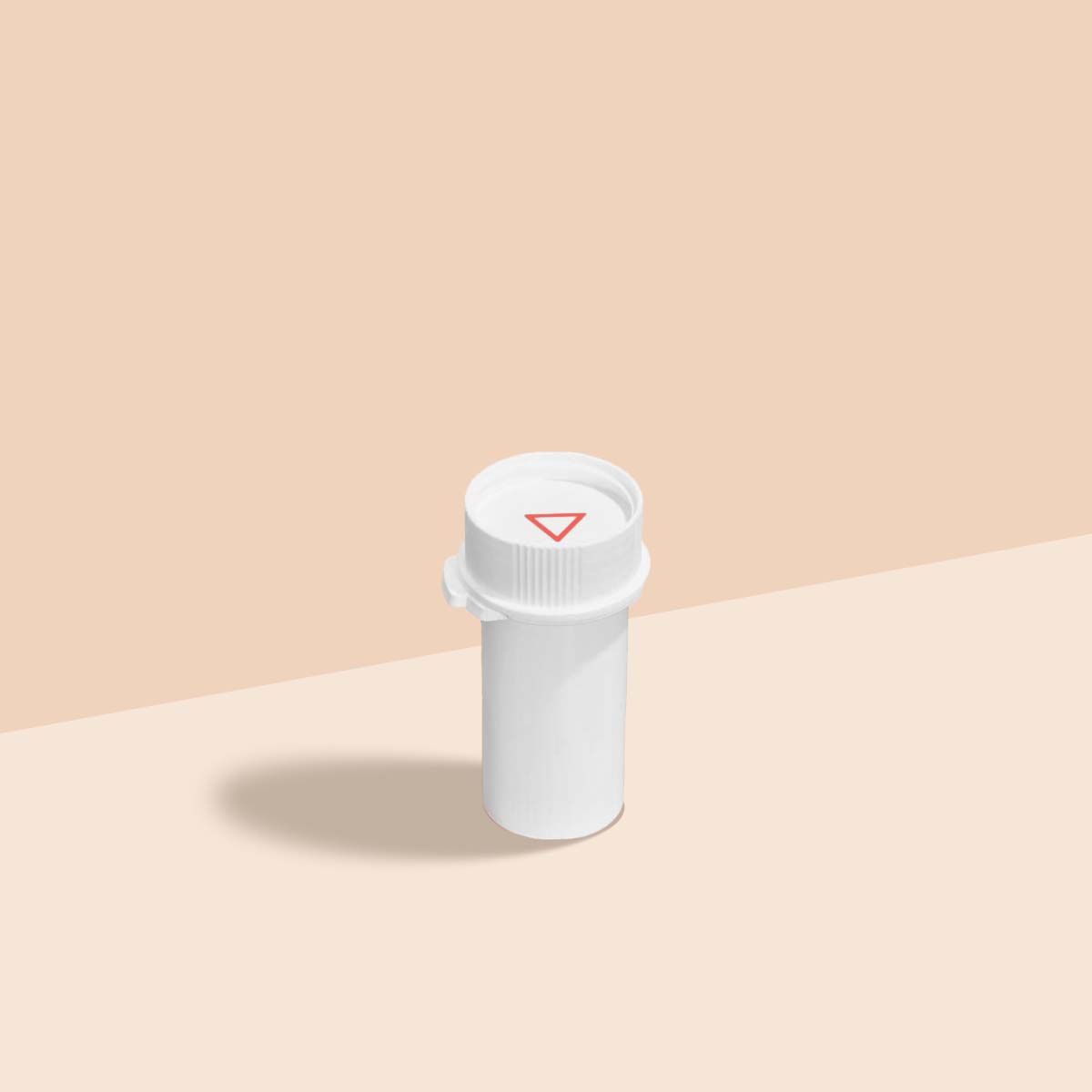
Valacyclovir & Acyclovir For HSV-2
Starting at $10/ month
Prescription antiviral pills used to prevent & treat outbreaks
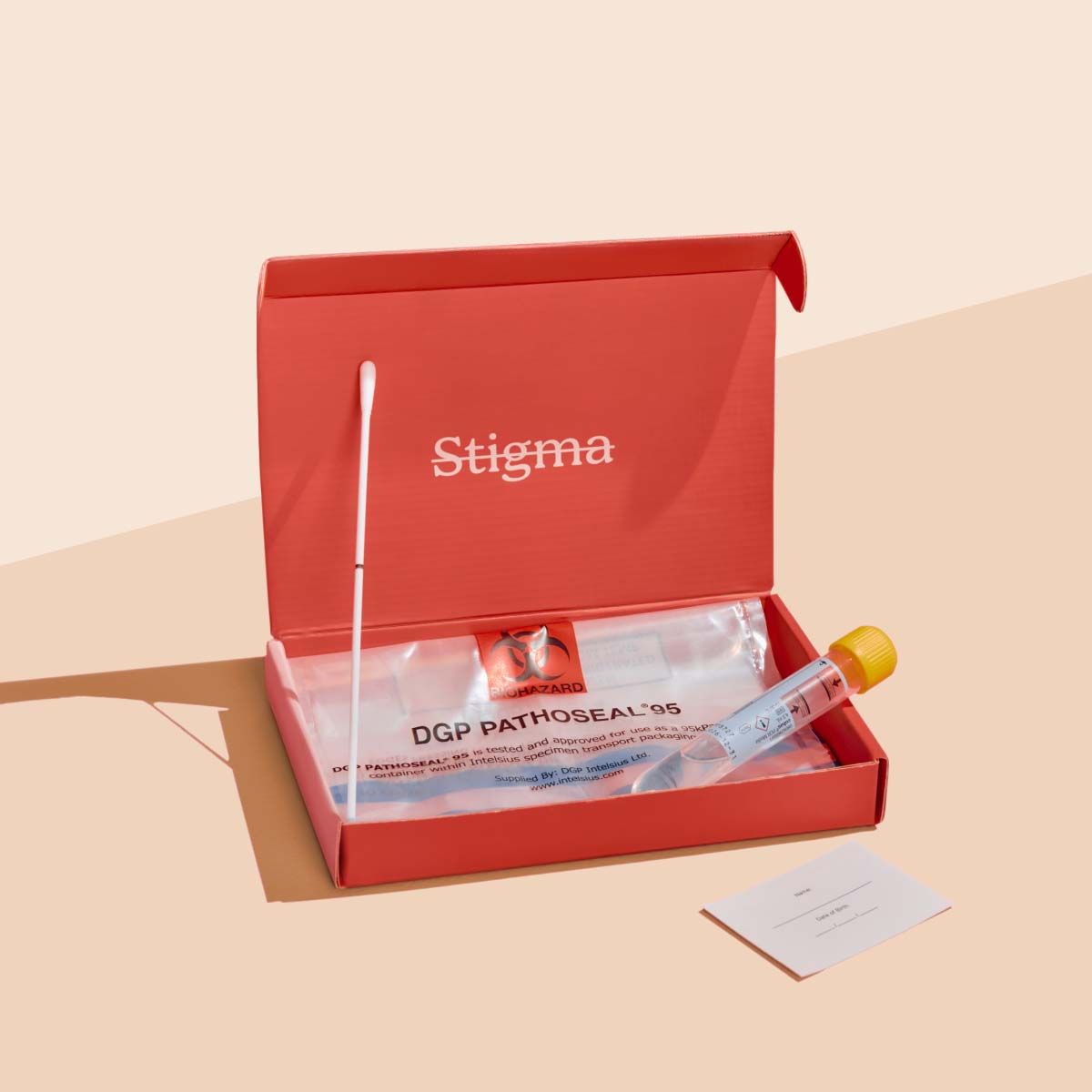
Herpes (HSV) Test
$169
At-home HSV-1 and HSV-2 testing, made simple—swab, ship, and treat. Consult and treatment included if necessary.

Oral & Genital Herpes | Outbreak & Preventative Treatment for HSV-1 & HSV-2
Starting at $10/ month
Prescription antivirals for oral (cold sore) and genital herpes outbreaks and prevention.