Written by Kathleen Morrison
Medically Reviewed by Andrea Sleeth WHNP-BC, MSCP, a healthcare provider affiliated with Wisp
Key takeaways
- Cold sores are caused by the herpes simplex virus, usually herpes simplex virus type 1 (HSV-1).
- The virus that causes cold sores stays in your body between outbreaks, so treatment manages episodes rather than clearing it.
- Timing shapes what treatment can do. Antiviral labeling directs starting treatment at the first symptoms of a cold sore.
- Antiviral studies report a potential reduction in healing time, but no treatment is expected to clear a cold sore overnight. Starting early may occasionally keep a blister from forming at all, but this isn't the typical outcome.
- Supportive measures are for comfort. A cold compress or bland balm may help manage discomfort, but aren't expected to shorten how long a cold sore lasts.
- Cold sores are contagious while symptoms are present; the risk of spreading the virus tends to be the highest around an active cold sore outbreak, so hands off and skip kissing.
You feel it before you see it: that prickly warning on your lip the night before a date. Perfect timing, ugh!
One thing that may help a cold sore is antiviral treatment, depending on your situation and how early you catch it. Some options sit on the pharmacy shelf; others are prescription antivirals a provider may write when medically necessary and appropriate.
Then there are the natural remedies people reach for to fight cold sores, some that serve as supportive measures and others with mixed evidence.
Let's break down each bucket.
Wisp treatment options are available only after consultation with a licensed medical professional, if medically appropriate. You should consult with your healthcare provider before starting a new supplement or treatment regimen. Individual results may vary. Must be 18 or older. For medication details and risks, see site for details.
How do you help a cold sore heal faster?
Treating cold sores early is the smart game. Start an appropriate antiviral at the first sign, before the cold sore appears in full.
OTC option: Docosanol 10%
Docosanol 10% is an over-the-counter cream that can help treat cold sores and fever blisters on the lips and face.
It's thought to work at the skin's surface, making it harder for the virus to enter healthy cells rather than attacking it directly.
Wisp does not prescribe or offer Docosanol 10%. If you're considering it, please consult an in-person provider or your local pharmacist to confirm whether it's appropriate for your situation.
Common side effects of topical docosanol may include:
- Headache
- Burning or stinging where the cream is applied
- Redness or swelling at the application site
- Itching or soreness
- Dryness or flaking skin
- Acne near the treated area
This is not a complete list of risks and side effects, and others may occur. If symptoms worsen or you notice signs of an allergic reaction, contact a provider right away.
Prescription options
When outbreaks are frequent, painful, or slow to resolve, an over-the-counter cream alone may not be enough.
Prescription antivirals used to treat cold sores work inside the body, interfering with how the virus copies itself. A provider may prescribe one when medically necessary and appropriate.
Acyclovir Cream
Acyclovir is the older antiviral in the same family, a prescription option available in pill or cream form. It works to interfere with the virus's ability to copy its DNA, helping limit how much it replicates during an outbreak.
A prescription Acyclovir Cream is indicated for the treatment of recurrent herpes labialis (cold sores), though it may not keep classic blisters from forming.
Depending on your symptoms and health history, a provider may recommend an oral antiviral alongside a topical one, if medically necessary and appropriate. Be sure to share all current medications, including any other antiviral treatments, so your provider can help decide whether using both together is a good fit for you.
Common side effects of Acyclovir Cream may include:
- Dry, cracked, or peeling lips
- Dryness or flaking of treated skin
- Burning, stinging, or itching when the medicine is applied
This is not a complete list of risks and side effects, and others may occur. If symptoms worsen or you notice signs of an allergic reaction, contact a provider right away.
You are encouraged to report negative side effects of prescription drugs to the FDA. Visit www.fda.gov/medwatch or call 1-800-FDA-1088.
Valacyclovir
Valacyclovir is an oral prescription antiviral that the body converts to Acyclovir, which works to block the enzyme the herpes simplex virus uses to replicate.
It's FDA-approved for the treatment of cold sores, and its labeling directs treatment to start at the earliest symptom.
Common side effects of Valacyclovir may include:
- Nausea
- Stomach pain
- Headache
This is not a complete list of risks and side effects, and others may occur. If symptoms worsen or you notice signs of an allergic reaction, contact a provider right away.
Why starting treatment early matters
Cold sores, also called fever blisters, typically follow a predictable script. First the tingle, itch, or burn most people learn to recognize. Then a cold sore develops on your lips or around your mouth, breaks open, crusts over, and heals.
That first stage (before the cold sore appears in full) is your window.
Antiviral labeling and the research behind it point the same way: early treatment does more than treatment on day three. Starting later still counts, though.
A few realistic expectations to set upfront:
- You can't get rid of a cold sore in a day. Shortening healing time by roughly half a day to two days is the range certain research points to.
- Nothing eliminates the virus. No medication gets rid of cold sores permanently; the virus that causes cold sores stays in your body between outbreaks.
Does popping a cold sore make it heal faster or worse?
Short answer: don't. Not with a needle, not with your fingernails, not "just a little."
Popping the blister can release fluid containing virus, which can move the virus to other areas of your face, or to someone else. It may also leave raw skin open to bacteria, and a secondary infection on top of a cold sore can lead to a rougher recovery.
Same goes for the scab. Pick at a cold sore once it's crusted, and you're pulling the cover off skin that's still rebuilding.
Bottom line is leave it alone and let the blister do its unglamorous work.
Supportive measures that can help with comfort
Natural remedies won't speed up the healing process because none are antiviral. But a few can help a cold sore feel less miserable while it runs its course:
- Applying a cold compress or cold pack may temporarily help soothe swelling and tenderness around the lips
- Petroleum jelly or a plain lip balm may act as a protective barrier to help keep the area from drying out and cracking
- Aloe vera gel is widely used for supporting skin comfort during irritation, and the cooling feel is part of the appeal
- An over-the-counter pain reliever, if medically suitable for you, may help manage discomfort while eating or talking
Do cold sore patches help heal faster?
A hydrocolloid patch gives you a physical barrier. Covering the sore can help absorb fluid and make it harder to absent-mindedly touch, but that isn't antiviral activity, and healing-time claims depend on the product.
What's unlikely to help
Some of the heavily-searched cold sore remedies often have little behind them, and a few may irritate skin:
- Toothpaste
- Rubbing alcohol
- Hydrogen peroxide
- Garlic
- Essential oils, including tea tree oil
Your lip is not a science fair. If a remedy sounds dramatic, that's usually a sign to skip it.
Cold sores are contagious! What can help manage transmission
Cold sores are common, and so is the assumption that once it scabs over you're in the clear. Not quite!
Transmission risk can be the highest around symptomatic outbreaks.
While a cold sore is active, it can help to:
- Wash your hands after touching the sore or applying medication, and keep them away from your eyes
- Skip kissing and oral sex until symptoms resolve
- Avoid sharing cups, utensils, lip balm, or towels
These can help keep the virus from moving to other areas of your face or to someone else.
Get back to feeling like yourself, faster
To help a cold sore heal faster, act at the first sign, use something that is meant for the job, and be gentle with the skin.
And, if prescription treatment is the missing piece, Wisp offers private, judgment-free online visits with licensed providers. No in-person waiting rooms, no awkward small talk, just care that meets you where you are. Not sure what you're actually dealing with?
An at-home HSV swab test can help confirm it, and a provider can prescribe antiviral medication to help treat a cold sore, if medically appropriate.
Because feeling like yourself again shouldn't have to wait.
These statements have not been evaluated by the Food and Drug Administration. This product is not intended to diagnose, treat, cure, or prevent any disease. Individual results may vary.
This blog post is for informational and educational purposes only and should not be taken as professional advice. Always consult with a qualified professional before making any decisions based on the information provided here.
Trusted Treatments
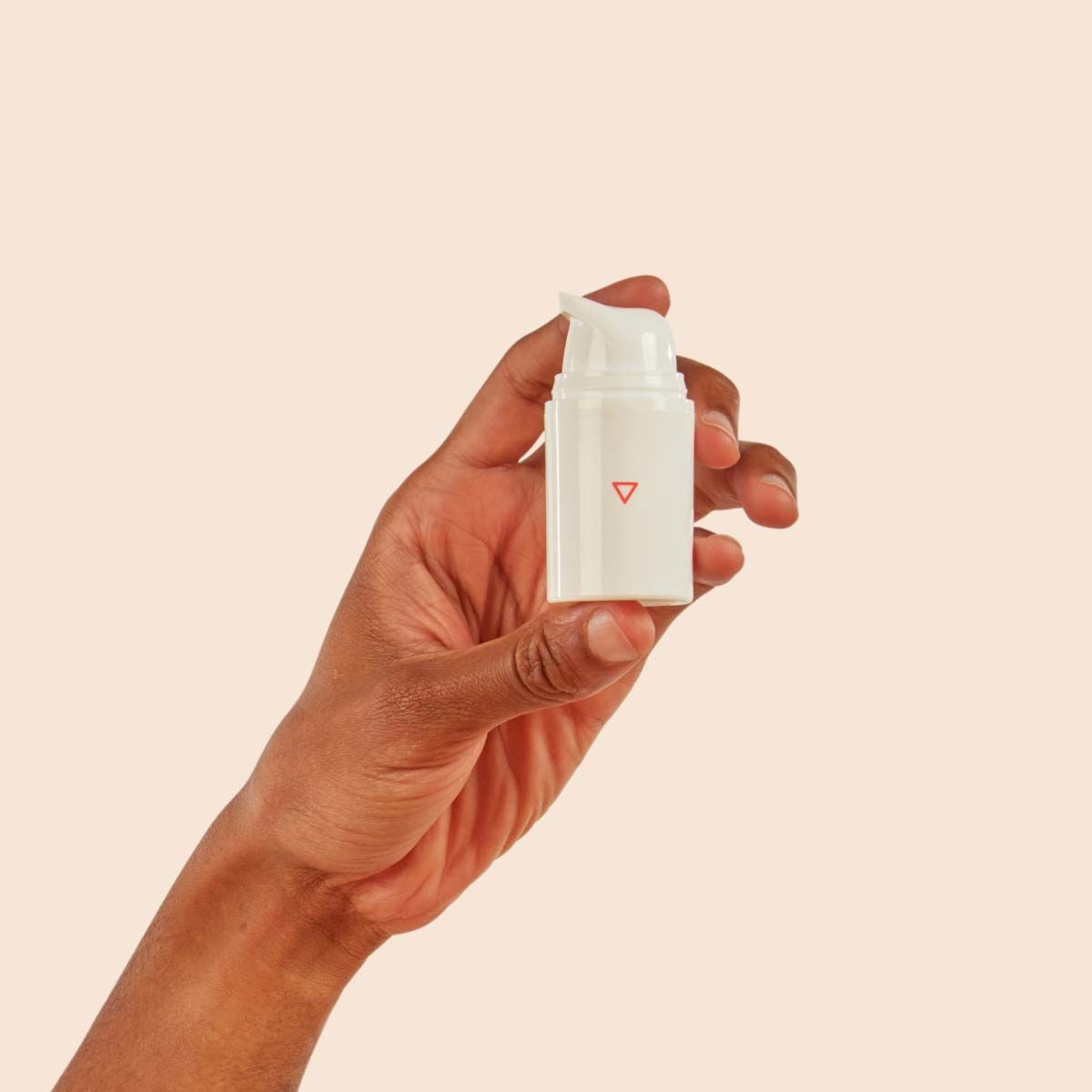
Acyclovir Cream for Cold Sores | HSV-1
Starting at $30
Experience relief from cold sore symptoms with our prescription antiviral cream that not only alleviates discomfort but also accelerates the healing process.
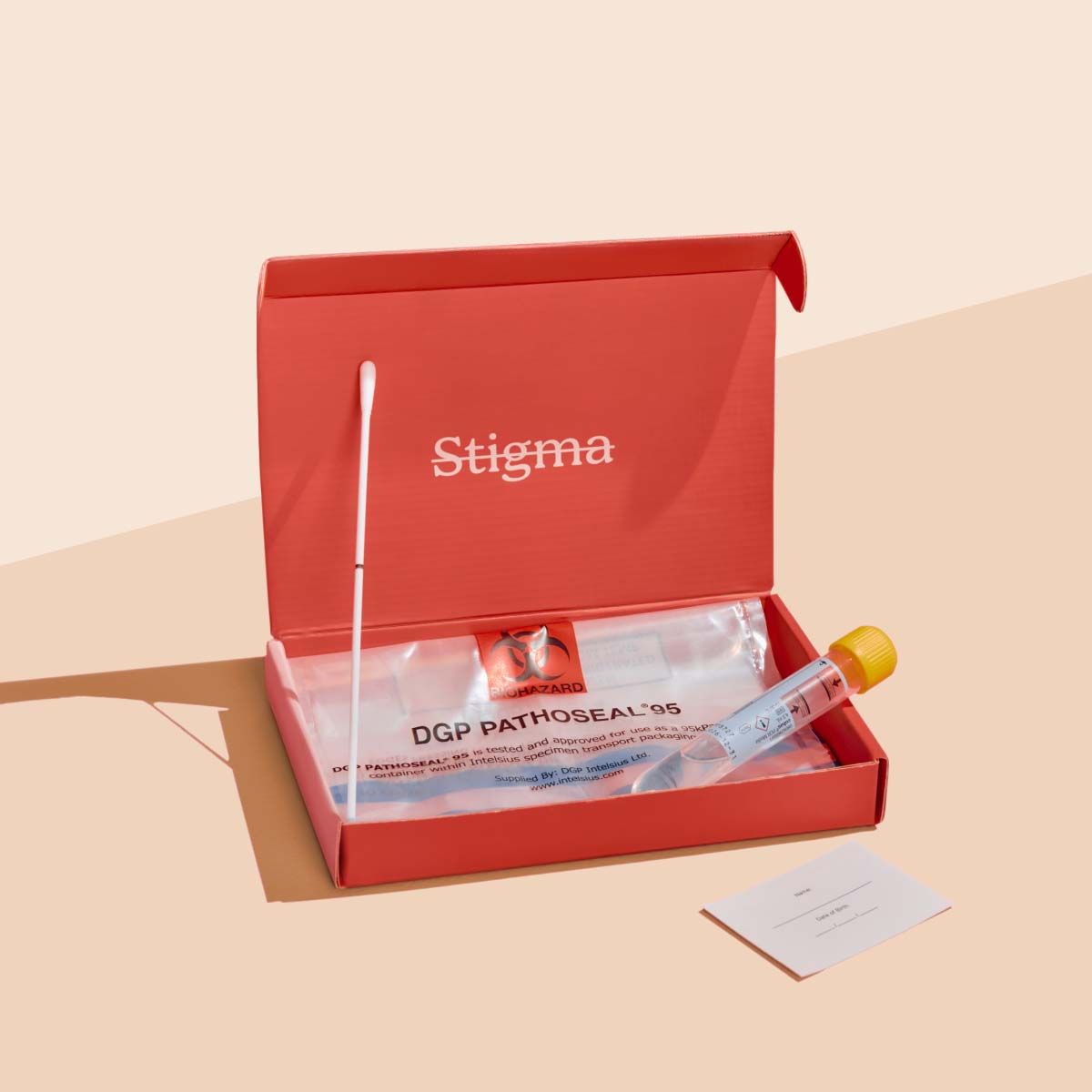
Herpes (HSV) Test
$169
At-home HSV-1 and HSV-2 testing, made simple—swab, ship, and treat. Consult and treatment included if necessary.
Valacyclovir (Valtrex) or Acyclovir | HSV-1
Starting at $10/ month
Prescription antiviral pills used to prevent & treat outbreaks.