Written by Kathleen Morrison
Medically Reviewed by Dr. Shannon Chatham, DO, a healthcare provider affiliated with Wisp
Key takeaways
- Cold sores are caused by the herpes simplex virus (HSV), most often herpes simplex virus type 1 (HSV-1), while canker sores have no known viral cause.
- Cold sores are contagious until they fully heal; canker sores are not contagious.
- Cold sores usually appear around the lips and mouth (sometimes inside the mouth), while canker sores occur inside the mouth, with some overlap.
- Cold sores are fluid-filled blisters that can crust over; canker sores are usually round ulcers. Looks alone usually aren't enough to tell them apart, though.
- A swab from an active sore may help identify HSV; canker sores have no specific test, so an in-person provider can help examine them.
- Prescription antivirals can be used for cold sores; canker sores don't need antivirals.
Something stings, you poke at it with your tongue (we all do it), and suddenly you're wondering: is this a canker sore or a cold sore?
Short answer: cold sores are viral, can spread, and tend to appear around your lips. Canker sores aren't viral, can't spread, and show up inside your mouth. That difference in cause shapes which options may make sense. If it's cold sores, prescription antiviral treatment may be an option from a provider, if medically necessary and appropriate.
Now, here's a deeper dive on what separates a canker sore vs cold sore and what to do next.
Wisp treatment options are available only after consultation with a licensed medical professional, if medically appropriate. You should consult with your healthcare provider before starting a new supplement or treatment regimen. Individual results may vary. Must be 18 or older. For medication details and risks, see site for details.
Cold sore vs canker sore: A quick side-by-side
Here's how a canker sore vs herpes compares at a glance: where they show up, what they look like, what causes them, and whether they can spread to someone else.
Cold sore
- Cause: Infection with the herpes simplex virus
- Contagious? Yes
- Usual location: On or around the lips, outside of the mouth; less often inside the mouth, such as on the gums or roof of the mouth
- Usual look: Small fluid-filled blisters that can break open and crust over; may appear in clusters
Canker sore
- Cause: Not fully understood; not caused by a virus
- Contagious? No
- Usual location: Soft tissue inside your mouth, like the tongue, inner lips, base of the gums, or inside your cheeks
- Usual look: A round or oval ulcer, often with a white or yellow center and a red border
What causes cold sores vs canker sores?
The cause is where these two part ways for good.
Cold sore causes
Cold sores are caused by the herpes simplex virus. HSV-1 is the usual culprit, though herpes simplex virus type 2 (HSV-2) can occasionally cause cold sores too.
Once in the body, the virus stays dormant in nerve tissue and can reactivate, which is why sores can often return to the same spot.
Canker sore causes
Canker sores, or aphthous ulcers, have nothing to do with herpes. Minor canker sores are the most common type and are usually smaller than a pea, while major canker sores can be larger and more painful and may leave scars.
The exact cause isn't fully understood, but minor injuries, immune responses, and genetics may all play a role.
Contagious or not?
Cause decides contagiousness, so this one's just as clear-cut.
Cold sores are highly contagious
Cold sores are highly contagious until they heal, since the fluid-filled sores carry the virus. HSV-1 can spread through kissing, shared cups or lip balm, and oral sex, which can pass it to the genitals.
It can also spread when no sore is visible through a process called asymptomatic shedding.
Canker sores aren't contagious
Canker sores aren't contagious, full stop. The only thing they spread is irritation.
Yes, they can make eating feel like a personal attack, especially if you forget and go for the salt and vinegar chips.
What can trigger a cold sore or a canker sore?
With cold sores, triggers can wake up a dormant virus; with canker sores, they can irritate the tissue.
Common cold sore triggers can include:
- Sun exposure on your lips
- A cold, flu, or fever (hence the "fever blister" nickname)
- Stress, poor sleep, or hormonal changes
Common canker sore triggers can include:
- A minor mouth injury, like biting your cheek
- Acidic or spicy foods
- Nutritional deficiencies, such as low B12, folate, or iron
- Stress or hormonal changes
What symptoms can cold sores and canker sores cause?
Both sores can sting, so pain alone may not tell you much. Instead, it can help to notice how symptoms show up, how they change over time, and whether the rest of your body joins in.
Cold sore symptoms
Cold sore symptoms can look different depending on whether it's your first outbreak or a repeat one.
A first infection with HSV can come with symptoms beyond the sore itself. Some people notice a burning or tingling feeling followed by painful sores, and may also get:
- A sore throat or pain when swallowing
- Fever
- Body aches
- Headache
- Swollen lymph nodes
Not everyone gets these, and some infections are mild enough to go unnoticed.
Canker sore symptoms
Canker sore symptoms usually stay put in your mouth. Some people notice a burning or tingling feeling before a canker sore appears, so a tingle may not point to a cold sore on its own.
The sore can make eating, drinking, and brushing uncomfortable, especially with acidic or spicy foods, and larger canker sores can be especially painful and may be slow to heal.
Canker sores don't typically come with whole-body symptoms like fever or body aches.
If you do get a fever, swollen glands, or feel generally unwell along with a confirmed canker sore, an in-person provider can help look into what's going on.
What do cold sores and canker sores look like?
Appearance can offer clues on whether what you're dealing with is a canker sore or cold sore, but alone it isn't enough to tell them apart, since sores change as they heal and early ones can look alike.
- How cold sores can look: Cold sores can start with a tingling or burning sensation before the sore appears. Then small fluid-filled blisters can appear, break into open sores, and crust over.
- How canker sores can look: Canker sores occur inside the mouth, usually as a round ulcer with a white or yellow center and a red border, with no blister or crust stage.
How do I know if I have a canker sore or cold sore right now?
Staring into a mirror right now? Location and a tingle can point you in a direction, but looks alone aren't enough. That's why testing matters.
Since the real question is whether HSV is involved, a test may help identify the virus where squinting can't, and a provider can help make the diagnosis.
How is herpes tested?
There are two main ways to test for herpes, and they answer different questions:
- Swab test. A sample from an active sore is checked for HSV, which can help identify whether herpes may be causing that sore and which type. An at-home HSV swab test lets you collect the sample yourself and send it to a lab.
- Blood test. This looks for HSV-1 and HSV-2 antibodies, which can indicate past exposure. It can't show where the virus is or whether your current sore is herpes, so a provider can help review your results. HSV blood testing is included in some at-home STI panels.
How are canker sores diagnosed?
There's no dedicated test for canker sores; an in-person provider or dentist typically examines the sore and your history.
If you get canker sores often, or they're large or slow to heal, an in-person provider may order in-person lab tests, like blood work for nutritional gaps, or rarely a small tissue sample.
Wisp does not offer canker sore diagnosis, in-person lab testing, or tissue sampling. If you believe any of these may be appropriate for your situation, please consult an in-person provider for evaluation, treatment recommendations, and ongoing monitoring.
Options to help manage cold sores vs canker sores
The treatment approach depends on which type of sore you're dealing with:
Prescription antivirals for herpes
There's no cure for cold sores, but prescription antiviral medications can be used to help manage outbreaks.
Clinical guidelines recommend initiating prescription antiviral treatment at the first sign of symptoms to help shorten the duration of a cold sore outbreak. They're available from a provider if medically necessary and appropriate.
No antivirals required for canker sores
Since there's no virus involved in canker sores, antivirals aren't used to treat them. Canker sores typically run their course, so the focus is on pain management.
Things like a saltwater rinse and a soft-bristled toothbrush may help ease discomfort while the canker sore runs its course.
Also, skip the spice. Acidic, spicy, and crunchy foods can aggravate an open sore.
An in-person provider can help treat canker sores that need more. They may suggest:
- Topical anesthetics, like numbing gels
- Protective pastes or films to cover the sore
- Antimicrobial mouth rinses
- Prescription corticosteroid pastes, gels, or rinses for larger or recurring sores
Side effects vary by approach, so an in-person provider or pharmacist can walk you through them.
Wisp does not offer treatment for canker sores. Please consult an in-person healthcare provider for canker sore treatment.
Your mouth sent a memo. Don't leave it on read.
Cold sores and canker sores may both hurt, but they're different problems. The lip kind is usually caused by HSV-1, is contagious, and can be managed with prescription antivirals. The other kind isn't herpes or contagious, so see an in-person provider if one won't quit.
Not sure which it is? Wisp's HSV swab home test lets you collect a sample at home. If it's a cold sore, you can request prescription antivirals for oral herpes through Wisp, with your prescription sent to your pharmacy the same day or delivered free, if medically necessary and appropriate.
Most prescriptions are sent to your pharmacy within 3 hours of completing your patient intake form and secure chat or video call when necessary. Pending retail pharmacy hours.
This blog post is for informational and educational purposes only and should not be taken as professional advice. Always consult with a qualified professional before making any decisions based on the information provided here.
Trusted Treatments
Valacyclovir (Valtrex) or Acyclovir | HSV-1
Starting at $10/ month
Prescription antiviral pills used to prevent & treat outbreaks.
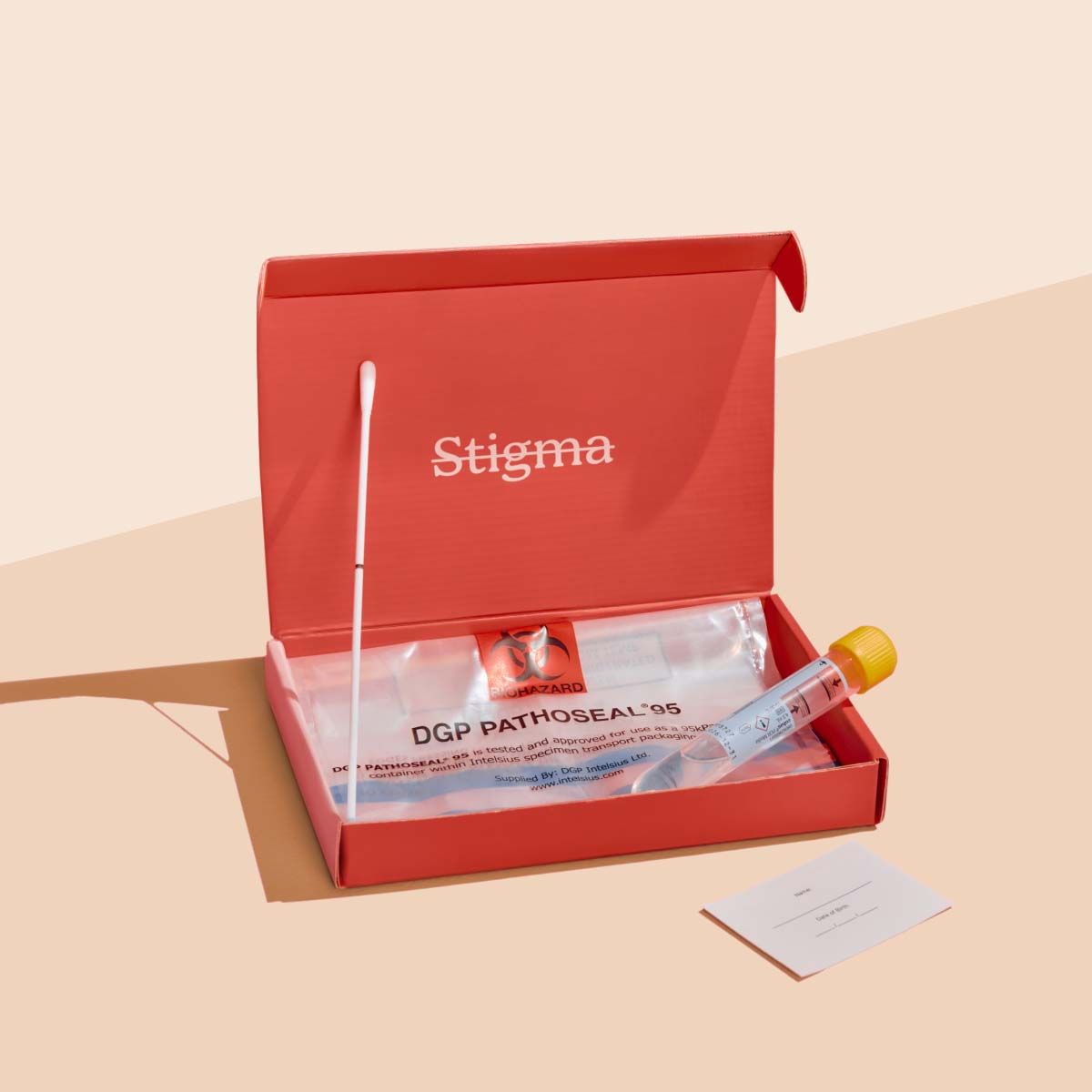
Herpes (HSV) Test
$169
At-home HSV-1 and HSV-2 testing, made simple—swab, ship, and treat. Consult and treatment included if necessary.
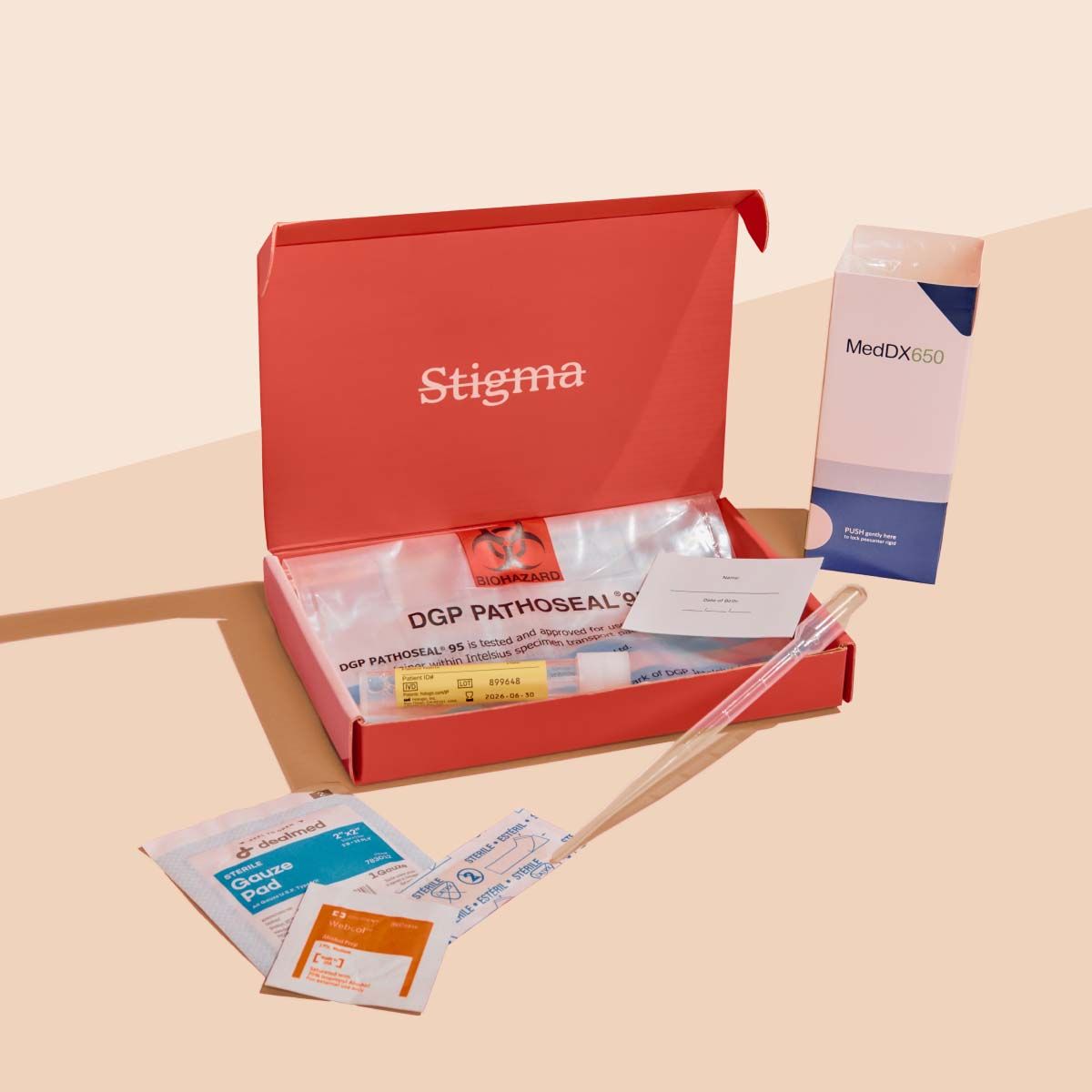
9-Panel STI Test
$249
The comprehensive at-home testing kit that covers 9 sexually transmitted infections, including herpes.