Herpes on Tongue:
Signs, Testing, and Your Options
Published on October 14, 2026
Written by Kathleen Morrison
Medically Reviewed by Andrea Sleeth WHNP-BC, MSCP, a healthcare provider affiliated with Wisp
Key takeaways
- Tongue herpes is usually caused by herpes simplex virus type 1 (HSV-1), though HSV-2 can also affect the mouth and cause tongue herpes.
- The tongue is a less common site than the lips, and lesions there often skip the crusty cold sore stage; that’s part of why they get mistaken for canker sores.
- A PCR swab of an active sore can help confirm HSV.
- Prescription antivirals can help shorten an outbreak for many people when started early, as directed by your healthcare provider.
- There's currently no cure for herpes, but outbreaks can be managed with the right care.
That sharp, electric zing on your tongue that turns into a raw little crater, the one that can make orange juice feel like a personal attack? It could be oral herpes. The same virus that causes cold sores around the lips is usually the one that shows up on the tongue.
And because tongue sores can look like a canker sore or a bite you don't remember, it's normal to be at the mirror, tongue out, doing an amateur impression of a dentist.
If you want certainty rather than an image search, an at-home HSV swab test can help determine if it's actually herpes and, if positive, prescription antivirals may be an option to discuss with your provider.
Here's what herpes sores can look like, how testing works, and what your options are.
These statements have not been evaluated by the Food and Drug Administration. This product is not intended to diagnose, treat, cure, or prevent any disease. Individual results may vary.
Wisp treatment options are available only after consultation with a licensed medical professional, if medically appropriate. You should consult with your healthcare provider before starting a new supplement or treatment regimen. Individual results may vary. Must be 18 or older. For medication details and risks, see site for details.
So, what does herpes on the tongue look like?
Probably not what you're picturing. Cold sore commercials trained us to look for a crusty blister on a lip, and your tongue typically plays by different rules.
Here's what to look for, where it turns up, and how long it may last:
Appearance of blisters and ulcers
Early herpes tongue symptoms don't always match that mental image.
On the lip, a fever blister typically blisters, breaks, and crusts over; on the tongue, that middle act often gets skipped. Many people don't develop obvious bumps there at all; first-stage herpes on the tongue tends to start as redness and tingling, then can turn into a painful open sore with a thin white coating and a red rim.
When blisters do form, they tend to be small, tender, and grouped rather than solo. Either way, it usually feels like a shallow tongue ulcer that stings out of proportion to its size.
Tiny thing. Enormous opinions.
Herpes, canker sore, or angry tortilla chip?
Three very different culprits can leave a sore in the same spot, so here's how they tend to compare:
- Herpes sore on tongue: often clustered or irregular, frequently preceded by tingling, and can come with flu-like symptoms during a first episode
- Canker sore: usually solo, oval, clean-bordered, with no tingle beforehand
- Geographic tongue: smooth red patches with wavy borders that can shift position and are usually not painful
And if you're scrolling herpes on tongue pictures or herpes in mouth pictures at 1 am (yes, including every early-stage herpes on tongue), photos only take you so far. Canker sores can look nearly identical on a phone screen.
Where sores can appear on the tongue
Sores can appear almost anywhere on it. The tip and edges are common, but herpes on the back of the tongue and under the tongue happens too.
Plus, herpes on the side of the tongue is easy to write off as a bite, especially if there's only one or two small ulcers rather than a cluster.
HSV can also surface elsewhere inside the mouth, like:
- Roof of the mouth
- Gum line
- Inner cheeks
How long an outbreak can last
The first episode is usually a rougher one. An initial infection can last roughly one to two weeks and may cause severe flu-like symptoms like:
- Fever
- Body aches
- Swollen lymph nodes
Recurrent episodes are typically shorter and milder. Many people may notice a warning tingle a day or two before anything is visible. That's usually your cue to act, not your cue to Google.
How can you get herpes on your tongue?
Usually through everyday contact you'd never think twice about.
The herpes virus can spread through direct contact with infected skin or secretions, and a few different routes can each be responsible:
- Kissing and saliva: That innocent smooch can do it! Herpes virus can spread through saliva and skin contact during an outbreak, and also when the virus sheds without symptoms. This viral infection doesn't need sex to spread; plenty of people pick it up as kids from an overly enthusiastic relative at a birthday party.
- Sharing everyday items: Sharing drinks, utensils, or lip balm with someone who has an active sore can pass it along.
- Oral sex: So, can you get herpes on your tongue from sexual contact? Yes. HSV-2, more often linked with genital herpes, can reach the mouth and tongue through oral sex, and HSV-1 can travel from the genitals to the mouth the same way.
- Reactivation: HSV-1 can settle into a cluster of nerve cells and go dormant rather than disappearing, so a sore can resurface with no new exposure at all. A tongue outbreak says nothing about your dating life, and if the stigma is hitting hardest right now, you're not being dramatic.
- Ongoing contagiousness:
Sores can be contagious from the moment they appear until they've healed, and HSV can shed without visible symptoms, so pausing kissing and oral sex and skipping shared drinks can each help lower that risk.
How is herpes on the tongue diagnosed and what tests are used?
A sore on your tongue can come from a dozen causes, so confirming what you're dealing with comes first.
Viral swab: The test that can help answer your question
A PCR swab taken directly from an active sore is generally considered the most accurate way to confirm a herpes simplex virus infection on the tongue.
The sample comes from the lesion itself and is tested for HSV DNA and can identify both HSV-1 and HSV-2. Sensitivity tends to be highest in the first few days, so timing can matter.
If getting somewhere mid-outbreak feels like a lot, an at-home HSV swab test lets you swab an active sore and mail it to a lab. Testing isn't a diagnosis, though; results still need a provider to interpret in context.
Other options out there
-
A physical exam: An in-person provider can look at the sore and ask about prior cold sore episodes, recent illness, stress, or possible exposures. Clustered blisters or ulcers on an inflamed base, especially with a tingle beforehand, can point toward HSV, but symptoms on the tongue can mimic canker sores, hand-foot-and-mouth lesions, or trauma from an aggressive tortilla chip, so an exam alone may not settle it.
-
Blood IgG antibody test: A blood IgG antibody test can show whether you've been exposed to HSV-1 or HSV-2 at some point. But it doesn't point to where the virus lives or what's happening on your tongue right now. A positive HSV-1 result can't confirm your current sore is herpes, since many adults already carry HSV-1, and early on, a negative result can mislead you because antibodies take weeks to develop.
So if you think you might have herpes and have an active sore, the swab is a reasonable first step worth asking a provider about.
These statements have not been evaluated by the Food and Drug Administration. This product is not intended to diagnose, treat, cure, or prevent any disease. Individual results may vary.
When to see a provider
Herpes on the tongue isn't something to wait out alone. Reach out to a provider if:
- You're not sure whether it's herpes, a canker sore, or something else
- Your sores haven't started healing after about two weeks
- Outbreaks are frequent, or pain interferes with eating or swallowing
- You have a fever, swollen lymph nodes, or otherwise feel unwell
Prescription antiviral options for herpes on the tongue
There's currently no cure for herpes, but prescription antivirals are the main way to help manage herpes symptoms on the tongue.
Starting at the first tingle, or within a day or two of a sore appearing, can help shorten an outbreak for many people, which is the whole argument against waiting to see if it "sorts itself out."
Antiviral treatment options for oral herpes a provider may consider, if medically necessary and appropriate, include:
- Valacyclovir: often a first-line option, taken orally and well absorbed
- Acyclovir: longer-established option, generally needing more frequent dosing
Common side effects of valacyclovir can include:
- Nausea
- Stomach pain
- Headache
This is not a complete list of risks and side effects, and others may occur. If symptoms worsen or you notice signs of an allergic reaction, contact a provider right away.
You are encouraged to report negative side effects of prescription drugs to the FDA. Visit www.fda.gov/medwatch or call 1-800-FDA-1088.
Common side effects of acyclovir can include:
- Nausea, vomiting, or diarrhea
- Headache
- Rash or itching
- Mild skin pain
This is not a complete list of risks and side effects, and others may occur. If symptoms worsen or you notice signs of an allergic reaction, contact a provider right away.
You are encouraged to report negative side effects of prescription drugs to the FDA. Visit www.fda.gov/medwatch or call 1-800-FDA-1088.
Other options available through an in-person provider
Famciclovir is another oral antiviral an in-person provider may consider, if medically necessary and appropriate, when other antiviral medications aren't the right fit.
Common side effects of famciclovir can include:
- Headache
- Nausea
This is not a complete list of risks and side effects, and others may occur. If symptoms worsen or you notice signs of an allergic reaction, contact a provider right away.
You are encouraged to report negative side effects of prescription drugs to the FDA. Visit www.fda.gov/medwatch or call 1-800-FDA-1088.
Wisp does not prescribe or offer famciclovir. If you believe it may be appropriate for your situation, please consult an in-person provider for evaluation, treatment recommendations, and ongoing monitoring.
Little things that can help your tongue chill
Alongside anything a provider prescribes, a few small things may help you get through the week:
- Cold things. Ice chips and cool foods can help dull the sting.
- Warm saltwater rinse. May help support comfort while tissue heals.
- Alcohol-free mouthwash. Can be gentler on raw tissue than alcohol-based rinses.
- OTC pain support. Acetaminophen or ibuprofen may help take the edge off.
- Skip the spice. Acidic and spicy foods can aggravate an open sore; your salsa can sit this round out.
Your tongue's having a moment. Here's your next move.
A sore on your tongue can feel uncomfortable, inconvenient, and weirdly lonely, but it's a well-understood condition with real options behind it. Recognizing the early symptoms, confirming with the right test, and starting antivirals early can help change how your week goes.
Wisp offers fast, judgment-free online care with licensed providers: confirm what's going on with an at-home HSV swab test, and if medically appropriate, a provider can prescribe antiviral treatment for oral herpes.
No small talk with a receptionist while your tongue stages a full protest.
Just answers, a plan, and something that can help before your next sip of orange juice becomes a whole event.
This blog post is for informational and educational purposes only and should not be taken as professional advice. Always consult with a qualified professional before making any decisions based on the information provided here.
Trusted Treatments
Valacyclovir (Valtrex) or Acyclovir | HSV-1
Starting at $10/ month
Prescription antiviral pills used to prevent & treat outbreaks.
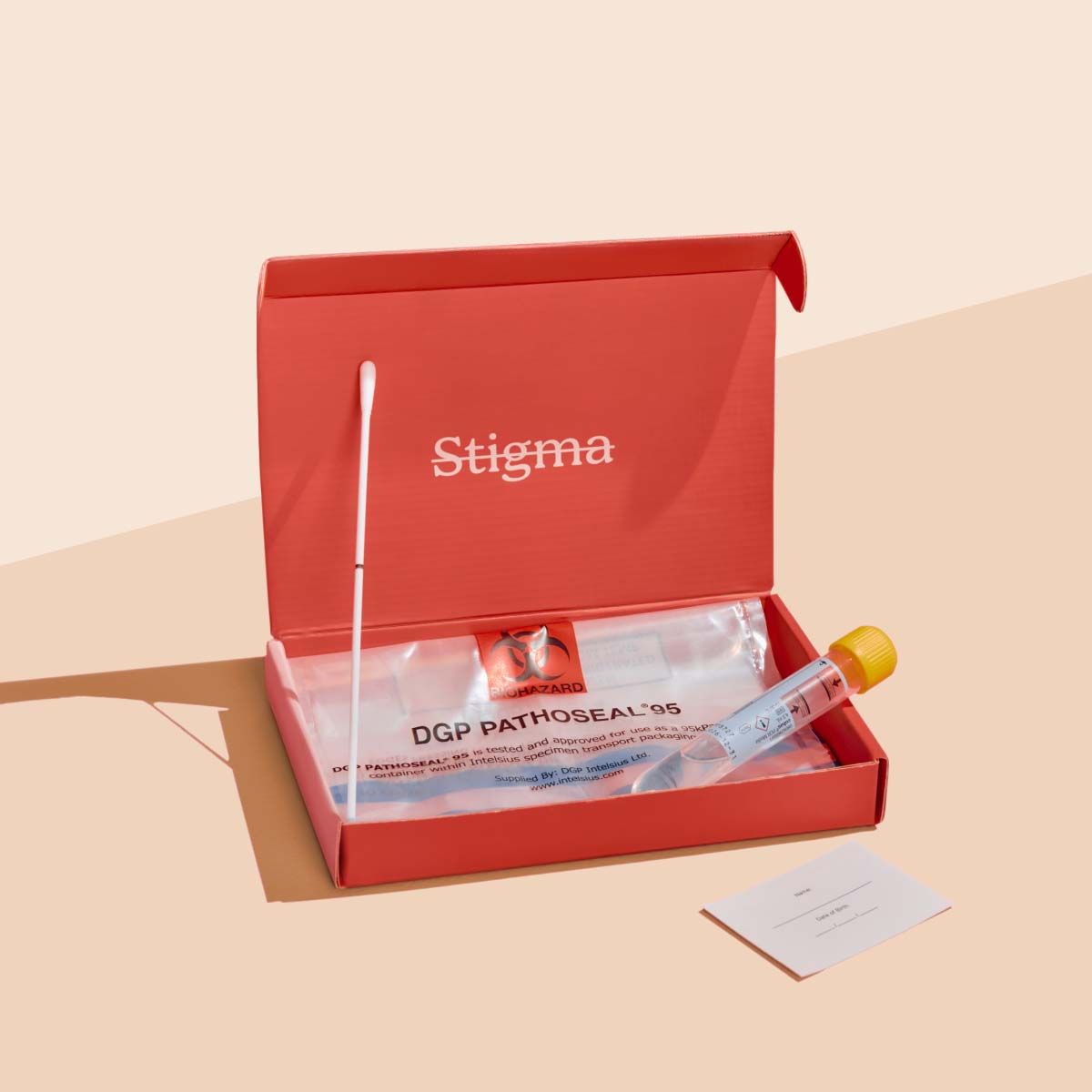
Herpes (HSV) Test
$169
At-home HSV-1 and HSV-2 testing, made simple—swab, ship, and treat. Consult and treatment included if necessary.
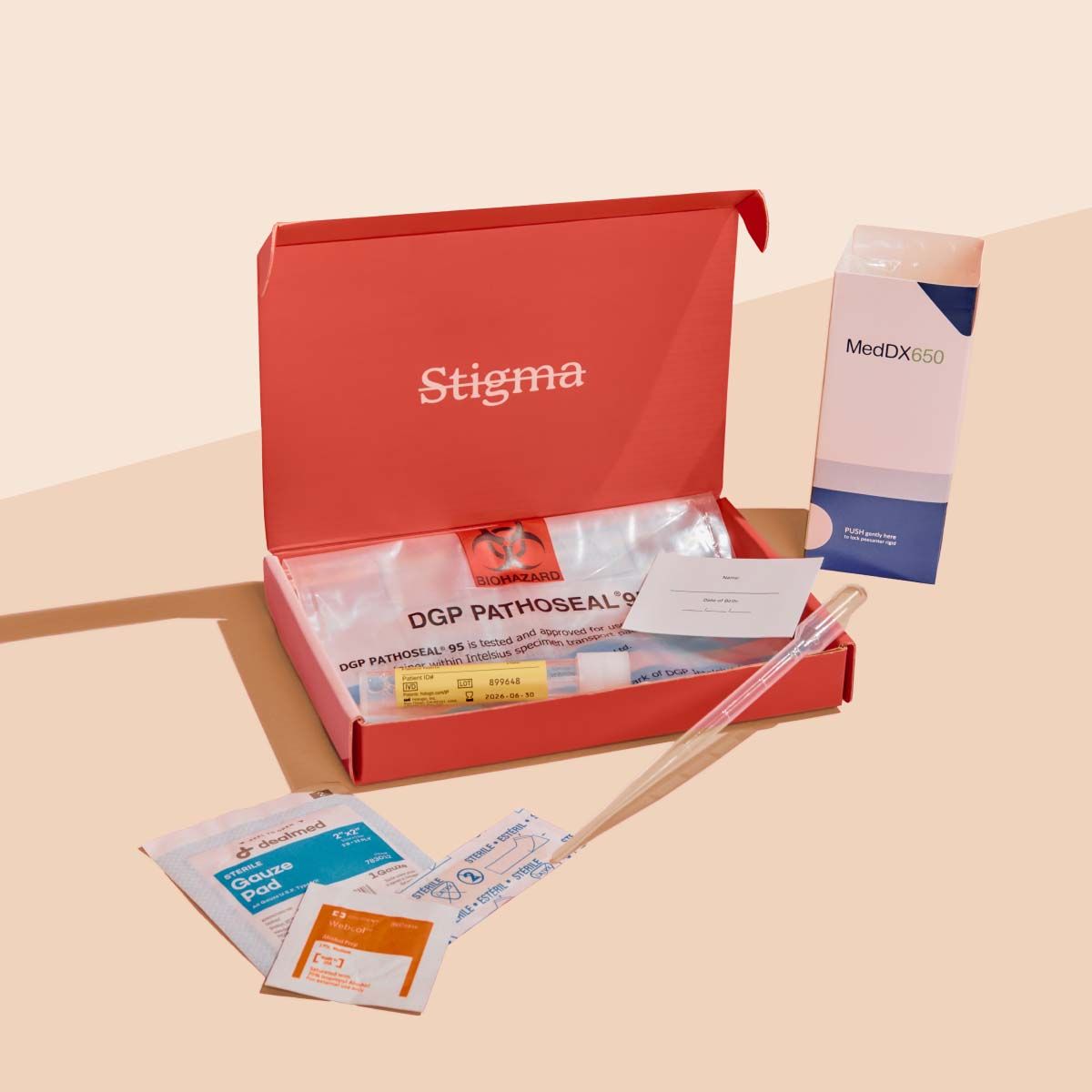
9-Panel STI Test
$249
The comprehensive at-home testing kit that covers 9 sexually transmitted infections, including herpes.