Telling a Partner You Have Herpes:
How to Go About It
Published on October 8, 2026
Written by Kathleen Morrison
Medically Reviewed by Andrea Sleeth WHNP-BC, MSCP, a healthcare provider affiliated with Wisp
Key takeaways:
- The CDC recommends that people who have genital herpes tell current sexual partners, and tell a new partner before starting a sexual relationship.
- Legal requirements around disclosing herpes and other STIs vary by state.
- Herpes can be transmitted with no visible blister or sore, because of asymptomatic shedding.
- Condoms, skipping sex during an outbreak, and daily antiviral medication can each help manage transmission risk, though none can remove it entirely.
You've rehearsed it in the shower. You've drafted it in your Notes app at 1 a.m. and deleted it. Now you're across from someone you actually like, wondering how to say a few ordinary words out loud.
First, if you're not certain of your status, an at-home HSV swab test can confirm what you're working with before you say a word to anyone. Knowing whether it's HSV-1 or HSV-2, and oral or genital, can make the conversation steadier.
After that, it's mostly logistics: pick your moment, lead with facts instead of apology, give your partner room to react.
Below, we'll break down the facts about herpes worth having ready, the right time to tell someone, and how to handle whatever comes back.
These statements have not been evaluated by the Food and Drug Administration. This product is not intended to diagnose, treat, cure, or prevent any disease. Individual results may vary.
First, get your facts about herpes straight
Much of the fear in the room comes from misinformation, not the herpes virus itself. A few facts about herpes worth having ready:
- Two types of herpes. HSV-1 (herpes simplex virus type 1) more often causes oral herpes and cold sores; HSV-2 (herpes simplex virus type 2) more often causes genital herpes. Either can cause genital herpes or oral herpes, and the differences are worth understanding.
- It can spread through skin-to-skin contact. HSV can be transmitted through oral, vaginal, or anal sex. It isn't spread through casual contact like toilet seats or shared towels. Your gym's bench press is innocent.
- Symptoms vary. Blisters or sores in the genital area are the most recognized sign, but symptoms can be mild or absent. Many people are unaware they have the virus.
- Asymptomatic shedding is real. The virus can sometimes shed from the skin with no visible sore, so transmission can occur between outbreaks. "I feel fine" isn't the same as "there's no risk."
- No cure, but real management. A herpes infection can't be cured, but treatment exists to help manage symptoms and transmission risk.
Should I tell my partner I have herpes? Yes! (Here's why)
Disclosing herpes isn't confessing. It's letting another adult make an informed choice about their own sexual health.
That's the public health position, too. CDC guidance recommends that people who have herpes inform current sexual partners, and tell future partners before a sexual relationship starts.
The legal side is less tidy. There's no single federal U.S. law requiring you to disclose to someone.
Requirements are set at the state level, and some states specifically name genital herpes among the sexually transmitted diseases you must disclose before sexual contact.
What you don't owe anyone is a disclosure tour of everyone you've ever been sexually active with.
How do I tell my partner I have herpes?
A loose script won't make the conversation feel scripted. It just means you won't blank out at the worst possible moment.
Pick the right moment (Hint: it's not mid-makeout)
Timing matters. Dropping this on someone right after sex puts you both in a tough spot; it's a hard moment to process from.
The right time to tell someone can usually look like this:
- Private and unrushed. A quiet evening at home beats a restaurant
- Before any sexual activity that could transmit the virus. Not necessarily the first date; just before things get physical.
- Calm enough to field questions. If you're already spiraling, wait for a steadier hour.
If in person feels too daunting, a message can open the door first. Face-to-face can land better, though. It shows care and lets your partner ask questions live.
Use openers that don't sound like a confession
You don't need a dramatic build-up; low-key and honest tends to work best:
"There's something I want to tell you before things go further, because I care about you and I want us to be on the same page."
From there, say it plainly:
"I have herpes. I've known for a while, I manage it, and I want to talk through what that means for us."
If you know your type and site, share that: "it's genital HSV-2," or "it's oral herpes, the cold sore kind."
The American Sexual Health Association frames disclosure as matter-of-fact rather than apologetic: you're sharing information, not confessing a crime.
Know what your partner may actually want to know
Your partner may have questions or full-blown misconceptions. Cover the essentials without overwhelming them:
- How it spreads. Direct contact with an infected area, through oral, vaginal, or anal sex.
- Asymptomatic shedding. The herpes simplex virus can be present on the skin and transmissible with no visible blister or active outbreak. It's the part that surprises people most, and can explain how you can get herpes from a partner who seemed totally fine.
- Manageable, not curable. There's no cure for herpes simplex virus 2 or type 1, but symptoms of genital herpes can be managed—whichever type of genital herpes you have.
- They're not alone. Many people with herpes are in long-term relationships, and plenty have had sex with someone who has herpes without knowing.
Your care plan, said out loud
This is where you show your partner you've got it handled. Let them know what you're already doing:
- Taking antiviral medication daily, if that's your routine
- Tracking outbreaks and skipping sex when symptoms appear
- Steering clear of known triggers, like sun exposure or high-stress stretches
Daily suppressive antivirals, from a provider if medically necessary and appropriate, may be prescribed to help manage the condition, though they can't remove the risk of transmitting the virus.
Wisp treatment options are available only after consultation with a licensed medical professional, if medically appropriate. You should consult with your healthcare provider before starting a new supplement or treatment regimen. Individual results may vary. Must be 18 or older. For medication details and risks, see site for details.
How do most people react when told a partner has herpes?
People respond differently, and anyone promising you a specific reaction is guessing.
Some shrug. Some go quiet and come back with questions two days later. Some say no; it's their right, even when it stings.
The point is informed decision-making, so don't push for a verdict on the spot. Giving someone time is part of the care you're already showing.
The stigma around herpes is heavier than the science
A lot of the fear comes from stigma, not medicine. Herpes got culturally exaggerated into something shameful, but it's no reflection of how many partners someone has had. You can get herpes from a long-term partner, a first encounter, or oral sex from someone with a cold sore.
Research suggests stigma and disclosure worries can meaningfully affect quality of life for some people who have herpes, which is exactly why saying it out loud can help.
What to know about herpes transmission after disclosure
Once your partner has had a chance to process the news, the next conversation can be a more practical one: what can you both do to lower the chance of transmission?
- Skip sex during outbreaks. Avoiding sexual contact when you have sores, or feel that early tingling warning, can help manage the risk of herpes transmission.
- Use condoms consistently. Correct condom use can help manage the risk of transmitting the virus but can't eliminate it, since HSV can shed from skin a condom doesn't cover. Dental dams are worth discussing for oral sex.
- Ask a provider about daily antivirals. Taken daily, prescription antivirals can help manage the chance of passing genital herpes to a partner. They can also help manage how often the virus sheds between outbreaks. Antivirals can't take the risk to zero, but they're a real tool worth asking about.
- Talk about testing rather than demanding it. Routine blood testing isn't recommended for everyone without symptoms, and it can take 12 weeks or more after exposure for tests to detect an HSV infection. If your partner has symptoms, swab testing from an active sore is the gold standard; otherwise, a provider can advise whether testing makes sense.
If pregnancy* is on your horizon, raise it with an in-person provider too; timing of infection and symptoms at delivery may affect newborn risk.
*Wisp does not provide herpes treatment during pregnancy. If you're pregnant or think you might be, an in-person health care provider or OB-GYN is the best next step for the safety of you and your baby.
This conversation tends to gets easier
The first disclosure is the hardest one. After that, it can stop being a confession and may become a logistics conversation, somewhere between "I'm allergic to shellfish" and "I snore."
And sometimes, what makes that conversation easier is simply knowing you have a plan for the medical side of things, too. If you or your partner want to confirm what's going on, Wisp offers private, online care for herpes, including an at-home HSV swab test.
If you're dealing with an outbreak, a first-outbreak consult can also give you a place to talk through what you're experiencing and what to expect. And when medically necessary and appropriate, a licensed provider can prescribe antiviral treatment for oral or genital herpes.
The goal isn't to make herpes feel like a bigger deal than it is. It's to make sure you don't have to figure out the medical logistics alone, especially when you're already navigating a vulnerable conversation with someone you care about.
This blog post is for informational and educational purposes only and should not be taken as professional advice. Always consult with a qualified professional before making any decisions based on the information provided here.
Trusted Treatments
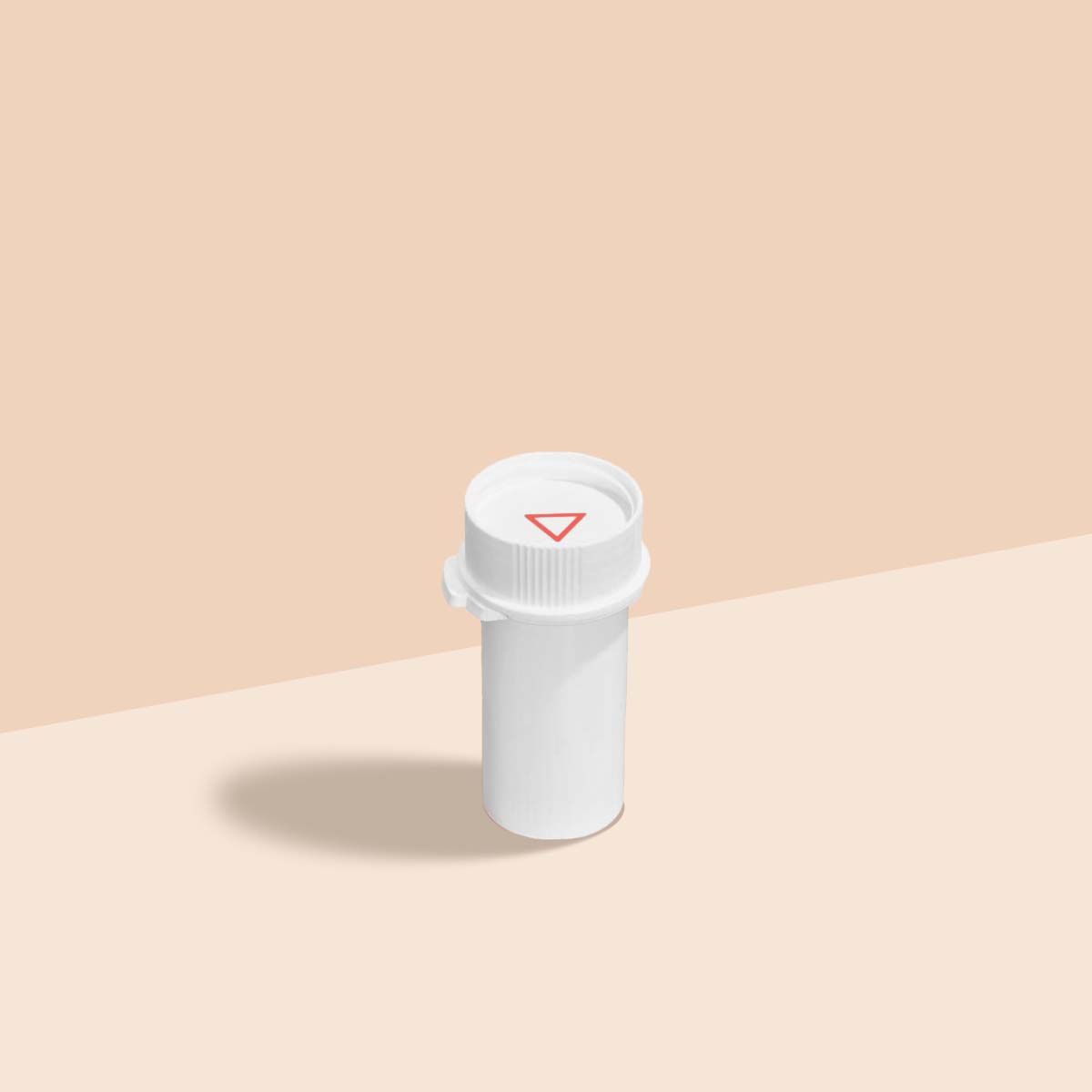
Valacyclovir & Acyclovir For HSV-2
Starting at $10/ month
Prescription antiviral pills used to prevent & treat outbreaks

First Herpes Outbreak Consult | Oral & Genital
$65
Consult with a medical provider to get matched with the right herpes treatment and prevent future outbreaks.
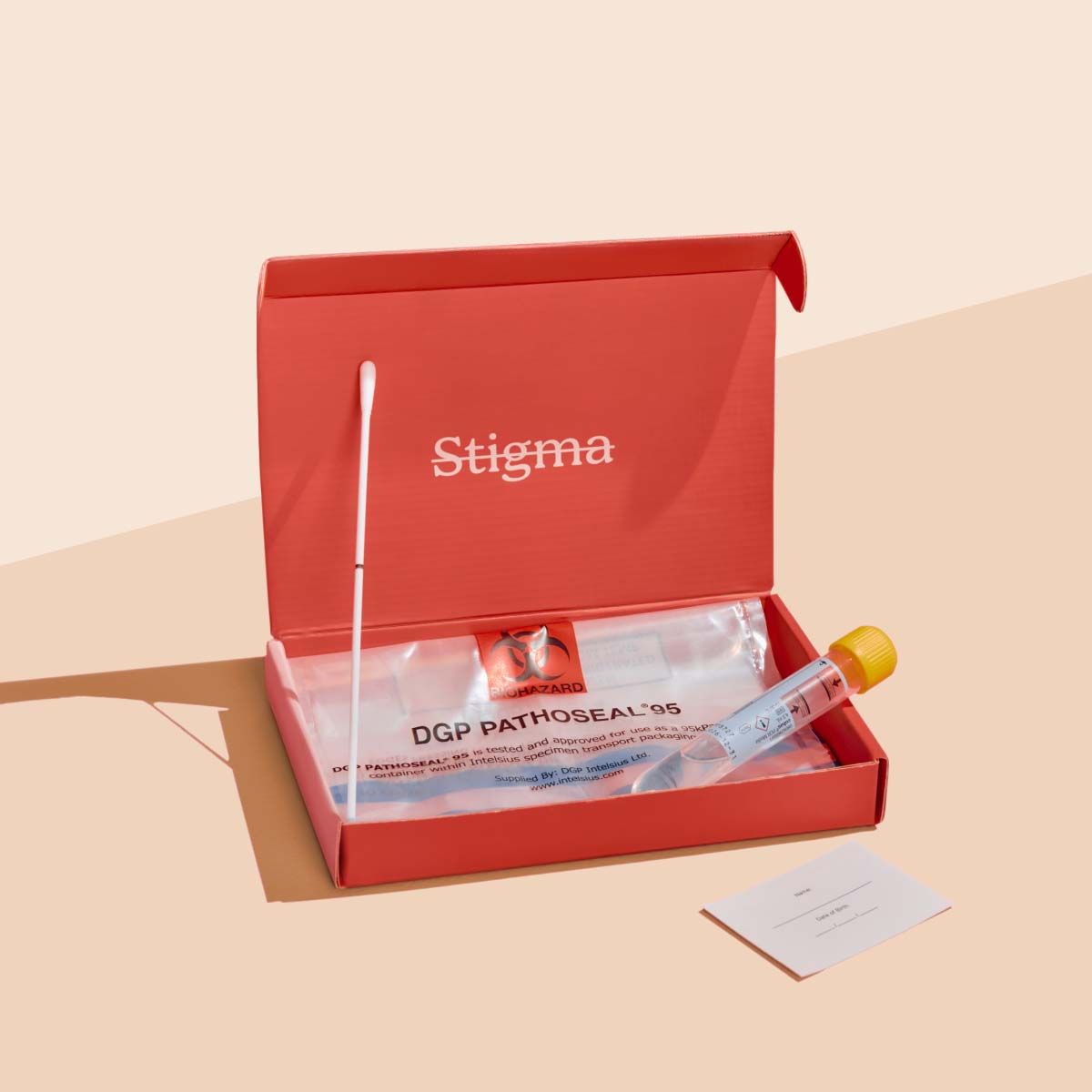
Herpes (HSV) Test
$169
At-home HSV-1 and HSV-2 testing, made simple—swab, ship, and treat. Consult and treatment included if necessary.