How Long Can You Have Chlamydia Before
It Causes Damage?
Published on Sept 8, 2020
Updated on Dec 8, 2025
Written by Kathleen Morrison
Medically Reviewed by Andrea Sleeth WHNP-BC, MSCP
Here’s the thing about chlamydia—it’s sneaky. You can have it for weeks, months, or even years without a single clue something’s up. No burning, no itching, no obvious red flags. Meanwhile, this super common sexually transmitted infection (STI) can quietly mess with your reproductive health behind the scenes.
Chlamydia affects millions of people every year (seriously, it’s that common), and most don’t even know they have it. Left untreated, it can start to cause real trouble in just a few weeks or months, especially for your reproductive organs.
If you’ve got chlamydia and it goes untreated, it can lead to things like pelvic inflammatory disease (PID) in people with uteruses, which can cause scarring in your fallopian tubes and make it harder to get pregnant later. For people with penises, it can lead to epididymitis—basically, painful swelling that can affect fertility if the infection spreads.
But here’s the good news: chlamydia is very curable. One quick round of antibiotics and you can go back to feeling like yourself again. The key is catching it early—which is why regular STI testing is such a power move. Most people never get symptoms, so testing (even with an at-home STI testing kit) is the only way to know for sure.
Why you might not know you have Chlamydia
Here’s what makes chlamydia trachomatis (her full sciency name) so tricky—she’s basically the master of disguise. Chlamydia is sneaky enough to fly under the radar and quietly multiply without setting off big alarm bells.
Because it often stays symptom-free, you can easily have it without realizing it. That’s why getting tested regularly (especially if you’re sexually active with new or multiple partners) is such a smart move—it’s the only way to really know what’s going on.
What does Chlamydia do?
It can settle into your cervix, urethra, rectum, or throat and just… Chill there quietly. Unlike some STIs that cause irritation or pain early on, chlamydia can stay calm and quiet, giving you no reason to suspect anything’s up.
In fact, in the early stages, most people notice no symptoms. That’s a huge part of why it spreads so easily. It just doesn’t feel like an infection.
And yep, you can get it through vaginal, anal, or oral sex, or even from sharing sex toys if they’re not cleaned properly between partners. So if you’ve ever thought, “I feel fine, I’m sure I’m good,” this is your reminder that symptoms aren’t always the full story.
What to watch for
Sometimes chlamydia does make itself known, but the signs can be so subtle they’re easy to miss. Depending on your body, you might notice:
If you’ve got a vagina
- Unusual vaginal discharge
- A burning sensation when you pee
- Light bleeding or spotting between periods
- Bleeding between periods or after sex
If you’ve got a penis
- Clear or cloudy discharge from the tip of your penis
- A burning feeling when you pee
- Pain or swelling in one or both testicles
These symptoms can appear anywhere from a week to a few months after exposure—and sometimes not at all.
Bottom line? Even if you feel totally fine, regular STI testing is one of the best things you can do for your health (and your peace of mind), especially if you know you might have been exposed. Chlamydia’s easy to treat when caught early—and since it's 2025, you can test, get results, and start treatment fast, all without leaving your couch.
How long does Chlamydia stick around?
Chlamydia will hang around like an unwanted party guest forever if it’s not treated. How long it stays in your body depends on how soon you start treatment, but things like your immune system, overall health, and whether it spreads beyond where it started can also play a role in your healing.
What begins as a small, quiet infection can cause bigger issues over time if it’s left unchecked. The sooner you get tested and treated, the easier it is to move on and feel your best again.
What happens in the first few weeks
During those early weeks after exposure, chlamydia usually sets up shop in the cervix (if you’ve got a vagina) or the urethra (if you’ve got a penis). It can also affect your throat or bum if there’s been oral or anal sex involved.
Without treatment, the bacteria can start spreading through your reproductive system within a few weeks. For people with vaginas, that means it can travel from the cervix up into the uterus and toward the fallopian tubes. That’s where things start getting risky if you don’t catch it early.
This is exactly why regular STI testing is so important. If you’re not sure when to test or how, at-home STI test kits make it super easy to check in on your health: quick results, total privacy, and support if something comes back positive.
What happens after a few months
Once chlamydia’s been hanging out for a few months, it’s had plenty of time to spread and cause more inflammation and internal changes. At this point, untreated infections can start leading to bigger complications, like pelvic inflammatory disease (PID) for people with vaginas or epididymitis (inflammation of the testicles).
For people with vaginas, each untreated infection comes with around a 10–15% chance of developing PID.
The fallopian tubes tend to take the hardest hit. Scar tissue from long-term infection can block them, making it harder (or sometimes even impossible) to get pregnant naturally. There’s also a higher risk of ectopic pregnancy, where a fertilized egg implants outside the uterus, which can be dangerous if not treated quickly.
Risk of Pelvic Inflammatory Disease
For people with vaginas, pelvic inflammatory disease (PID) is one of the most common complications of an untreated chlamydia infection—and it can start forming just a few weeks after infection. Most often, it develops within two to three months if the infection isn’t treated.
Here’s the tricky part: PID doesn’t always come with obvious warning signs either. You might notice things like:
- Mild pelvic or lower belly pain
- Slight fever
- Unusual vaginal discharge that looks or smells different
Since these symptoms can be easy to miss or mistake for something else, PID sometimes goes unnoticed until it’s already caused damage.
Risk of fertility problems
When chlamydia goes untreated for a while, it can mess with your fertility by causing inflammation and scarring in the reproductive system. Even a single case of PID can make it harder to get pregnant down the line, and repeated infections increase that risk.
For people with vaginas:
- After one episode of PID, infertility can occur in up to 12% of women
- Two infections bump that number closer to one third of women
- After three or more, the risk climbs to roughly 75% of women
For people with penises, untreated chlamydia can also affect fertility by causing inflammation in the epididymis (the tube that stores and carries sperm). Over time, that inflammation can lead to scarring that blocks sperm flow or affects sperm quality.
Getting tested early
Catching chlamydia early is your best move for avoiding serious complications down the line. Regular STI testing gives you the heads-up you need, even if you feel totally fine. Annual screening is a good idea for sexually active women under 25, and for anyone older with risk factors like new or multiple sexual partners.
Modern tests are quick, simple, and way less awkward than you might think. Most use urine samples to detect chlamydia DNA, so no uncomfortable swabs are needed in many cases. Plus, if you’re really uncomfortable, you can just test for STDs at home. Results sent to your phone while you’re binging Netflix. Easy peasy.
But remember, timing matters for accurate results. Some tests can pick up chlamydia 1-2 weeks after exposure, but waiting at least two weeks usually gives the most reliable read. And don’t wait for symptoms—most people don’t notice anything until it’s already caused damage (it’s unfair, we know).
How to treat Chlamydia
Luckily, this infection is pretty easily curable when you catch it early. Standard chlamydia treatment usually involves antibiotics—either a single dose of azithromycin or a week-long course of doxycycline. Both work really well, with doxycycline’s cure rates over 95% (in men and non-pregnant women) if you follow the instructions. Azithromycin is more around 74%.
It’s not just about you—your sexual partner or partners need treatment too, even if they don’t have symptoms. Reinfection is super common when partners aren’t treated at the same time. Many providers offer expedited partner therapy, which means your partners can get a prescription without needing their own visit or test.
During treatment, hold off on sex for at least seven days after finishing antibiotics, and until all partners have completed their treatment too. That way, you can really put this infection behind you and move on without worry.
Wisp treatment options are available only after consultation with a licensed medical professional. You should consult with your healthcare provider before starting a new supplement or treatment regimen. Individual results may vary.
Chlamydia doesn’t get to stick around
Chlamydia might be sneaky, but you don’t have to let it win. The sooner you get tested and treated, the quicker you can kick it to the curb and feel confident knowing you’ve handled it the right way. Catching it early can help you avoid long-term complications, stay in control of your sexual health, and keep enjoying sex without worry.
With Wisp, testing and treatment are as easy as it gets. You order an at-home STI test kit, chat with a licensed provider online, get a prescription same-day, and pick it up at your local pharmacy—or have it delivered straight to your door. No waiting rooms, no awkward questions, just discreet, reliable care that fits your life.
Take charge today. Test, treat, and move on with confidence—your sexual health is in your hands, and Wisp is here to help every step of the way.
This blog post is for informational and educational purposes only and should not be taken as professional advice. Always consult with a qualified professional before making any decisions based on the information provided here.
Trusted Treatments
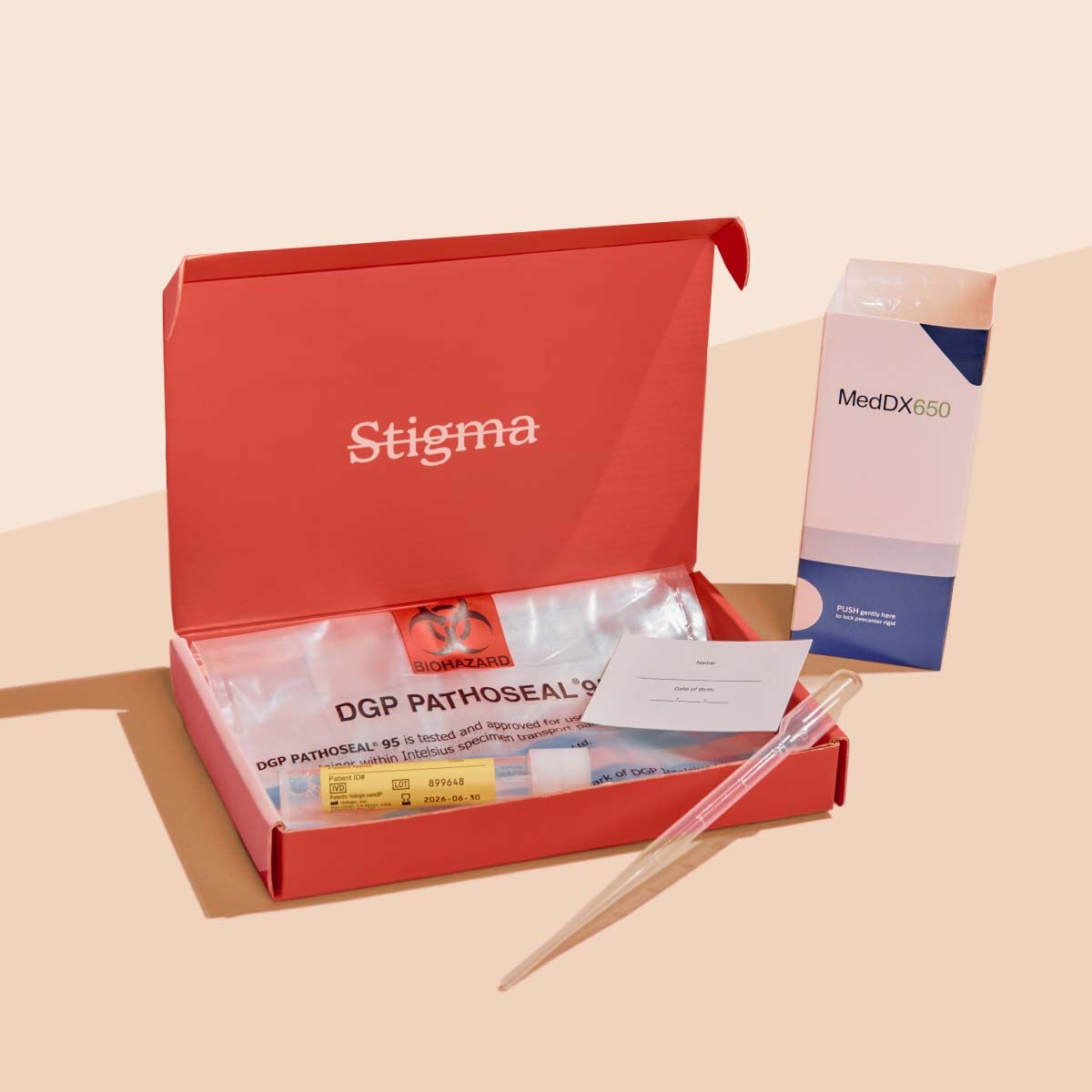
3-Panel Essential STI Test
$99
Take charge of your sexual health from home with this at-home, urine test kit. Consult and treatment included if necessary.
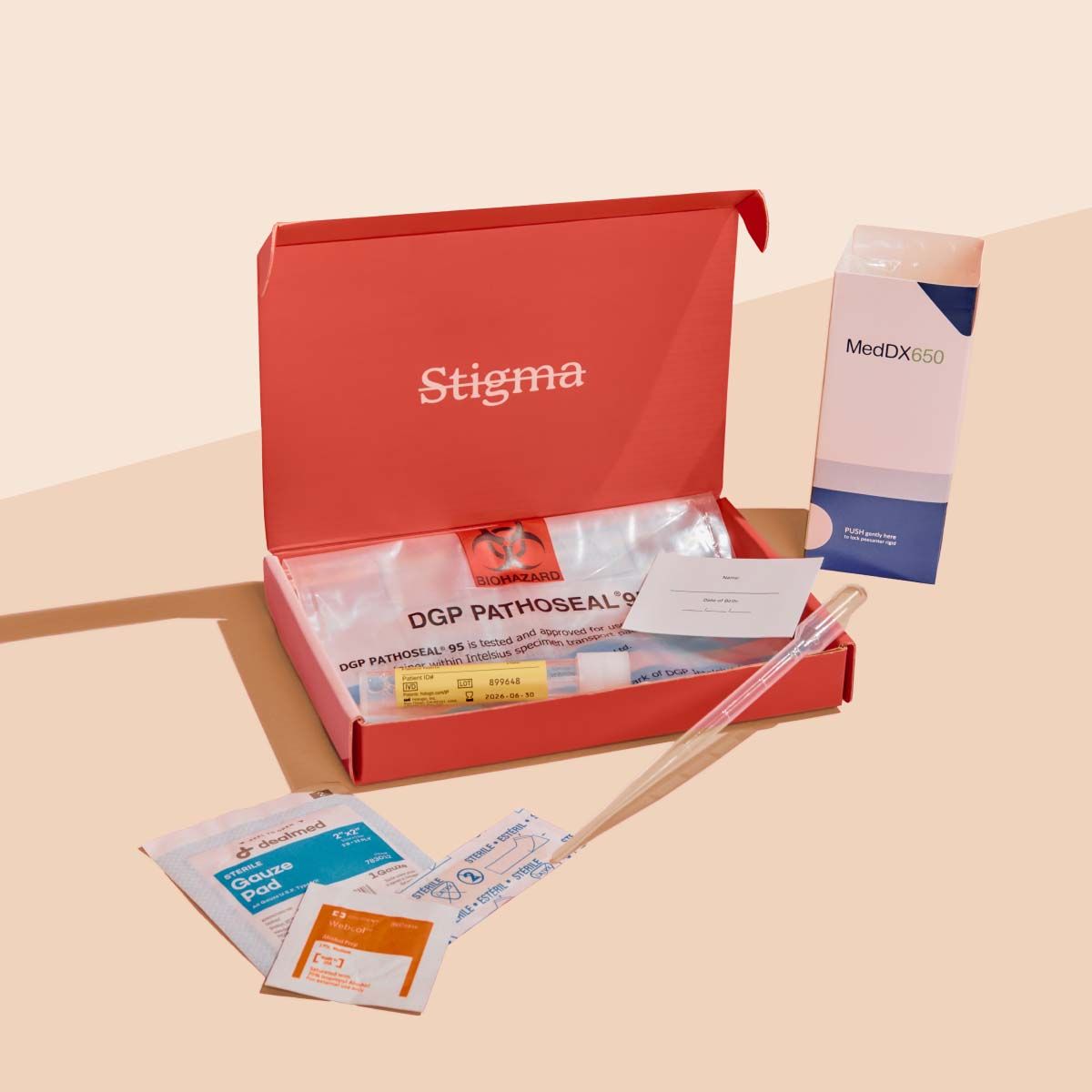
5-Panel STI Test
$179
Take charge of your sexual health from home with this expanded at-home, urine and blood test kit. Consult and treatment included if necessary.