How to Read STD Test Results:
What They Mean and Next Steps
Published on September 14, 2026
Written by Kathleen Morrison
Medically Reviewed by Andrea Sleeth WHNP-BC, MSCP, a healthcare provider affiliated with Wisp
Key takeaways
- STD test results typically use labels like "negative," "positive," "reactive," "nonreactive," "detected," or "not detected" to tell you whether an infection was found in your sample.
- A negative result means the test found no signs of infection at the time of testing, but testing too soon after exposure can produce a false negative.
- A positive result means the test found evidence of an STI and may require a confirmatory test and follow-up care from a provider.
- Every sexually transmitted infection has a window period—the time between exposure and when a test can reliably detect it—so timing matters.
- Most at-home STI test results are available within 3–5 business days after the lab receives your sample.
Seeing "reactive," "equivocal," or a bunch of numbers on your lab results can make your stomach do a full somersault. Take a breath. You're not the first person to stare at an STD test result and think, "…what does this even mean?"
The good news? Once you understand a few core labels and what they actually tell you, it can help you interpret your results with confidence and figure out your next steps.
Whether you got your results from a clinic visit or at-home STD and STI testing, the language on your report typically works the same way.
Let's break it all down.
How do you read your STD test results?
Most lab tests for sexually transmitted infections report your results using a handful of straightforward terms. Here's what they mean:
"Negative" or "nonreactive":
A negative result means the test didn't find signs of infection in your sample. For most people, that's the exhale-you've-been-holding moment.
"Positive" or "reactive":
A positive result means the test found evidence of a sexually transmitted infection. It doesn't automatically mean you have a confirmed diagnosis; some STIs, like HIV and syphilis, require a second confirmatory test before anything is official.
"Detected" or "not detected":
These labels are used on NAAT (nucleic acid amplification) tests, which are common for screening for chlamydia and gonorrhea. "Detected" means the infection's genetic material was found in your sample. "Not detected" means it wasn't.
"Equivocal" or "indeterminate":
This is the gray zone. The result is borderline and inconclusive, and retesting is the standard next step. It doesn't mean you definitely have (or don't have) an STI. It just means another test may be needed to confirm.
Numbers, ratios, and cutoffs, oh my!
Some STI test results also include numerical index values or signal-to-cutoff ratios, especially for HIV, syphilis, and herpes blood tests.
Your lab report will include a reference range. Check that column to understand your results and see whether your value falls in the negative or positive range. These ranges can vary by lab, so always look at the specific cutoffs printed on your report.
If anything on your results feels unclear, don't spiral. A provider can help you interpret your results and walk you through what comes next.
What types of samples are used for STD tests?
The type of test and how the sample is collected depends on which STIs are being screened for and where the infection is most likely to show up. Here's the quick rundown:
- Blood sample:
A blood test is the standard method for detecting HIV, syphilis, herpes (HSV-1 and HSV-2), and hepatitis B and C. Blood tests detect antibodies, antigens, or viral genetic material.
- Urine sample:
A urine test is most commonly used for testing for chlamydia and gonorrhea via NAAT. You'll provide a "first-catch" urine sample (the initial part of your urine stream), which carries the highest concentration of bacteria if present.
Unlike a UTI test, where you clean the urogenital area before collection, you do not clean the area before collecting a urine sample for STI testing; the bacteria and cellular material rinsed from the urethra in that first stream are exactly what the test is looking for.
- Swab:
Swab samples are used when an infection may be present at a specific site, like the throat, rectum, cervix, or a visible sore. Chlamydia and gonorrhea at non-genital sites require a swab because a urine test won't pick up infections in those locations.
Herpes swabs are taken directly from an active lesion. HPV testing typically involves a cervical swab during a Pap smear.
Whether you're using an at-home test kit or visiting a clinic, sample collection is quick, and the instructions walk you through everything. Your sample is then sent to a lab for analysis; easy as that.
What does a negative STD test result mean for you?
A negative result typically means no signs of infection were found at the time of testing. That's usually great news! But here's the thing: a single test taken too soon after a potential exposure might not tell the full story.
Window periods: Understanding why timing matters
Every sexually transmitted disease has a window period. It's the time between exposure and when a test can reliably detect it. If you test before that window closes, the infection may not show up yet, even if it's there.
If you tested soon after exposure and your results came back negative, plan to retest once the window period has passed.
False negatives: When a test gets it wrong
A false negative happens when a test shows a negative result, but an infection is actually present. This is most often tied to window periods but can also happen if sample collection wasn't ideal, if the viral or bacterial load was very low, or if the wrong type of test was used for the exposure site.
For example, a urine test won't detect a throat or rectal gonorrhea infection; a site-specific swab test is needed there.
If your negative STD test results don't match how you're feeling, it's worth reaching out to a provider to discuss your results and figure out if additional testing may be needed.
What to do if your STD test results are positive
A positive test result can bring up a lot of feelings all at once. But here's what you need to know: a positive result is medical information, not a judgment.
Most STIs are treatable, and getting diagnosed means you can start care with a provider.
Knowledge really is power here.
Confirm the result before acting on it
STI tests generally fall into two categories: lab-based tests and rapid self-tests.
Depending on which type of test you used, the path to a confirmed diagnosis can look a little different.
With lab-based at-home tests, that confirmatory step may happen automatically. With rapid at-home self-tests, you generally need to arrange it separately with a healthcare provider.
Here’s what that can look like in practice:
Lab-based at-home tests
- Collect a blood, urine, or swab sample at home and send it to a lab.
- If the initial screen is reactive, the lab can run confirmatory testing on the same sample.
- You get a verified result without typically needing a separate confirmation test.
Rapid at-home self-tests
The OraQuick In-Home HIV Test is one example.
- Oral swab, with results in about 20 minutes.
- A reactive result is preliminary; there’s no built-in confirmatory test.
- You’ll need a provider to arrange confirmatory lab testing.
- Rapid tests may also miss very recent infections, so repeat testing may be recommended after a recent exposure.
Screen for co-infections
A positive result for one STI is also sometimes a reason to screen for others. Chlamydia is one of the most common STIs, and it frequently co-occurs with gonorrhea, so if you test positive for one, testing for the other is standard.
A positive syphilis result may also prompt HIV testing, since the two share transmission routes. A comprehensive panel test can help you get a fuller picture of your sexual health in one go.
Notify recent partners
If your results are positive, your recent sexual partners need to know so they can get tested too. We know this conversation isn't exactly anyone's idea of a fun Friday night, but it's genuinely one of the most caring things you can do.
Many local health departments offer anonymous partner notification services if you'd prefer not to do it directly.
Consider prescription treatment options
Bacterial STIs (chlamydia, gonorrhea, and syphilis) are treated with prescription antibiotics prescribed by a provider, if medically appropriate. The specific antibiotic and course length depend on the infection and stage.
For people who've had unprotected sex and want to help lower the risk of bacterial STIs like gonorrhea, chlamydia, and syphilis, DoxyPEP (doxycycline post-exposure prophylaxis) may be an option.
Viral STIs like HIV and herpes are managed with antiviral medications that can help manage the risk of complications and transmission.
If left untreated, some STIs can lead to serious complications and may increase the risk of other health issues over time. Getting care sooner rather than later is always the move.
Wisp treatment options are available only after consultation with a licensed medical professional, if medically appropriate. You should consult with your healthcare provider before starting a new supplement or treatment regimen. Individual results may vary. Must be 18 or older. For medication details and risks, see site for details.
False positives: What you need to know
A false positive happens when a test indicates an infection that isn't actually present. It's less common, but it can occur with certain antibody-based tests.
If something feels off about a result, your provider may recommend another test to confirm.
When should you get tested for STIs?
You don't need symptoms to have an STI. Many STIs are completely asymptomatic, which is exactly why regular screening matters, especially if you're sexually active.
The CDC recommends:
- All sexually active people ages 13–64: An HIV test at least once in your lifetime
- Sexually active women under 25: Screening for chlamydia and gonorrhea, at least once a year
- Sexually active women 25 and older: STI screening if you have a new partner, multiple partners, or a partner with an STI
- Men who have sex with men: Testing for HIV, syphilis, chlamydia, and gonorrhea at least once a year. Every 3 to 6 months may be recommended for those at increased risk, including men with multiple or anonymous partners, or those who have sex in combination with drug use
- Anyone with higher exposure risk: More frequent testing every 3 to 6 months
STD tests may use different methods and look for different markers, so the right STI screening depends on your situation.
Get answers (and care) on your terms
Reading your STD test results doesn't have to feel like decoding a secret language. Once you know what the labels mean, you can look at your results clearly and know exactly what to do next.
Negative STD test results are reassuring, but timing matters. Positive STD test results are manageable with the right care. Either way, getting tested is always the right call.
Seriously! Future you will say thanks.
If you want help understanding your next steps or need access to prescription treatment without sitting in an in-person waiting room, Wisp is here for you. Judgment-free STI care, on your schedule, wherever you are. Get started with a discreet at-home STI test or connect with a licensed provider through an STI & STD consult today.
This blog post is for informational and educational purposes only and should not be taken as professional advice. Always consult with a qualified professional before making any decisions based on the information provided here.
Trusted Treatments
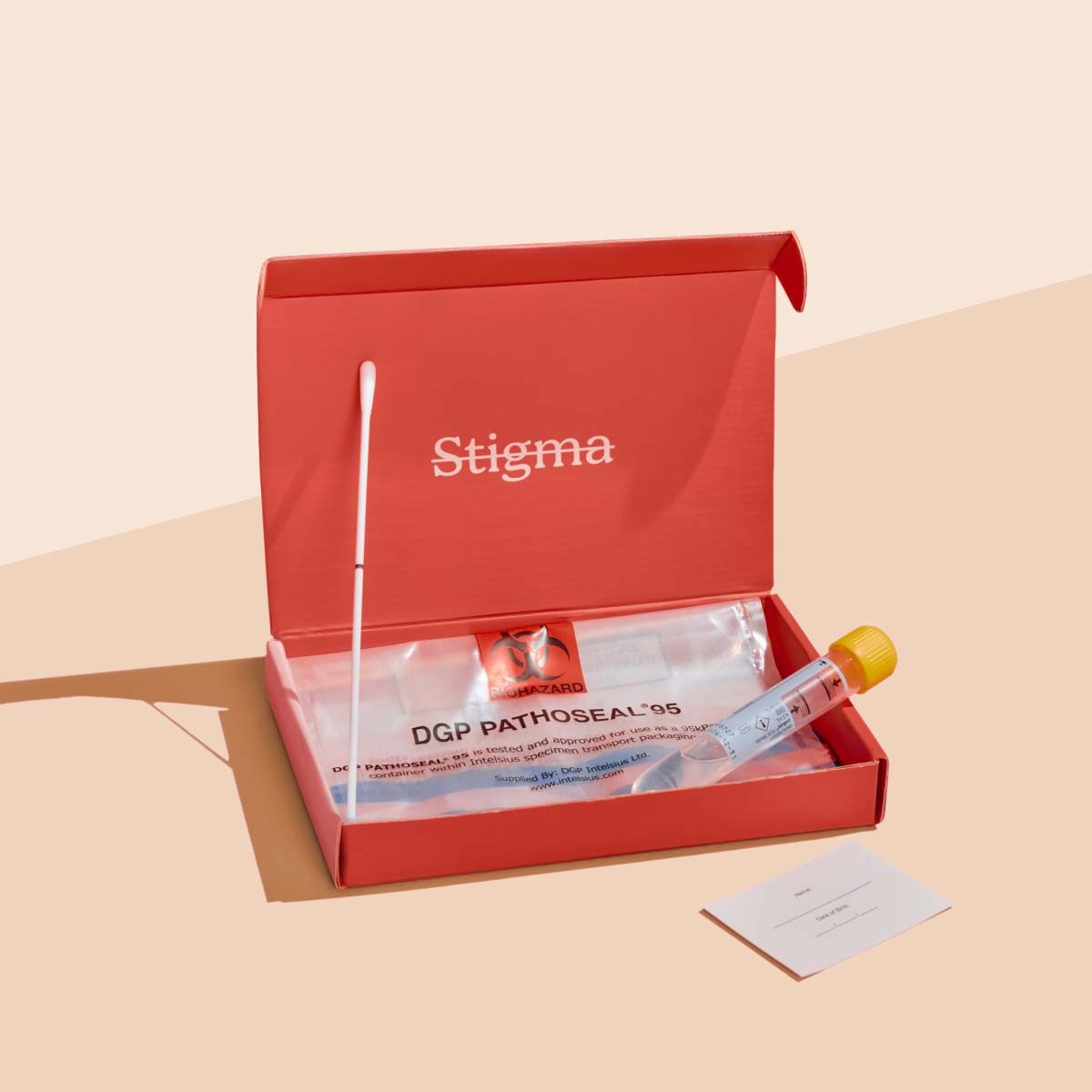
Herpes (HSV) Test
$169
At-home HSV-1 and HSV-2 testing, made simple—swab, ship, and treat. Consult and treatment included if necessary.
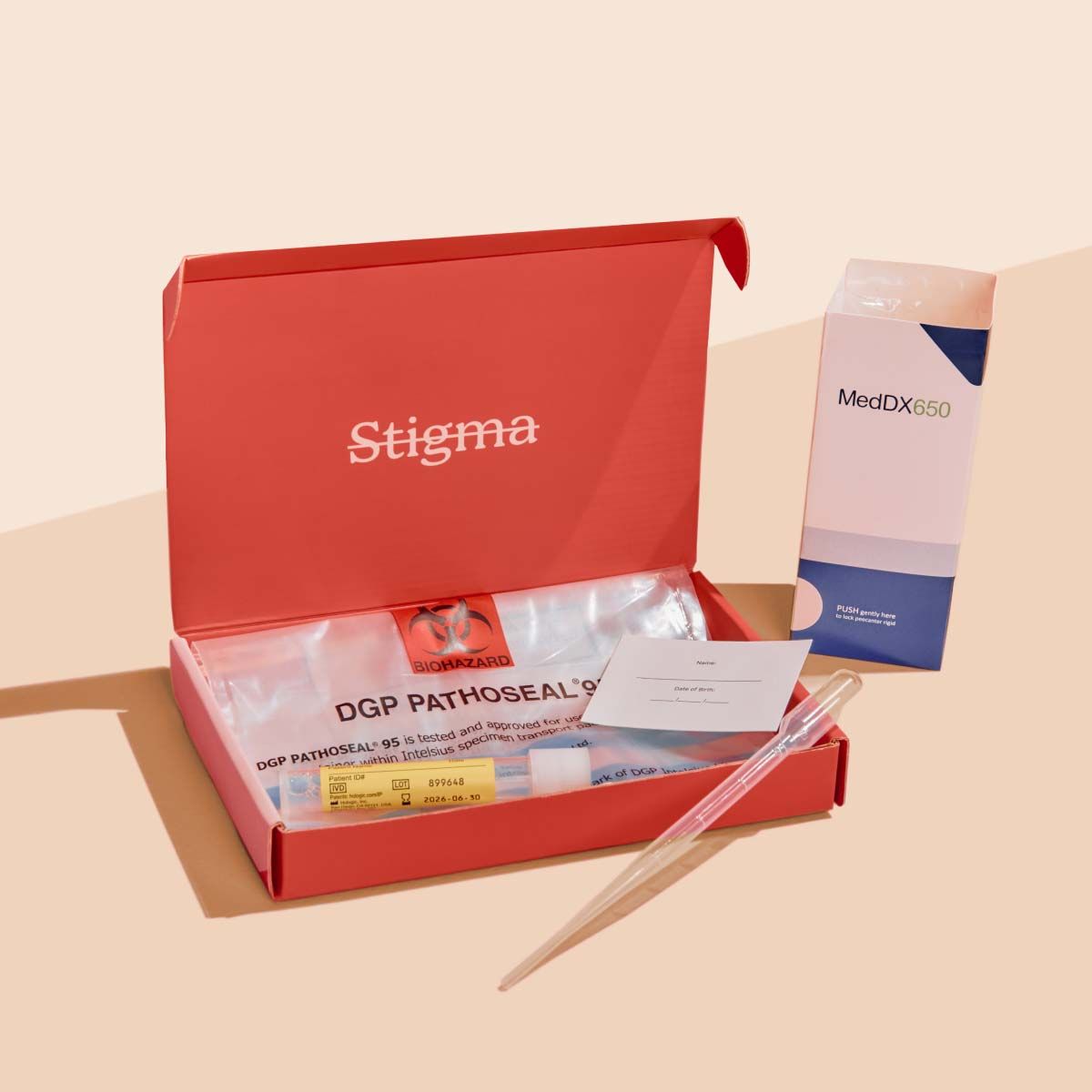
3-Panel Essential STI Test
$99
Take charge of your sexual health from home with this at-home, urine test kit. Consult and treatment included if necessary.
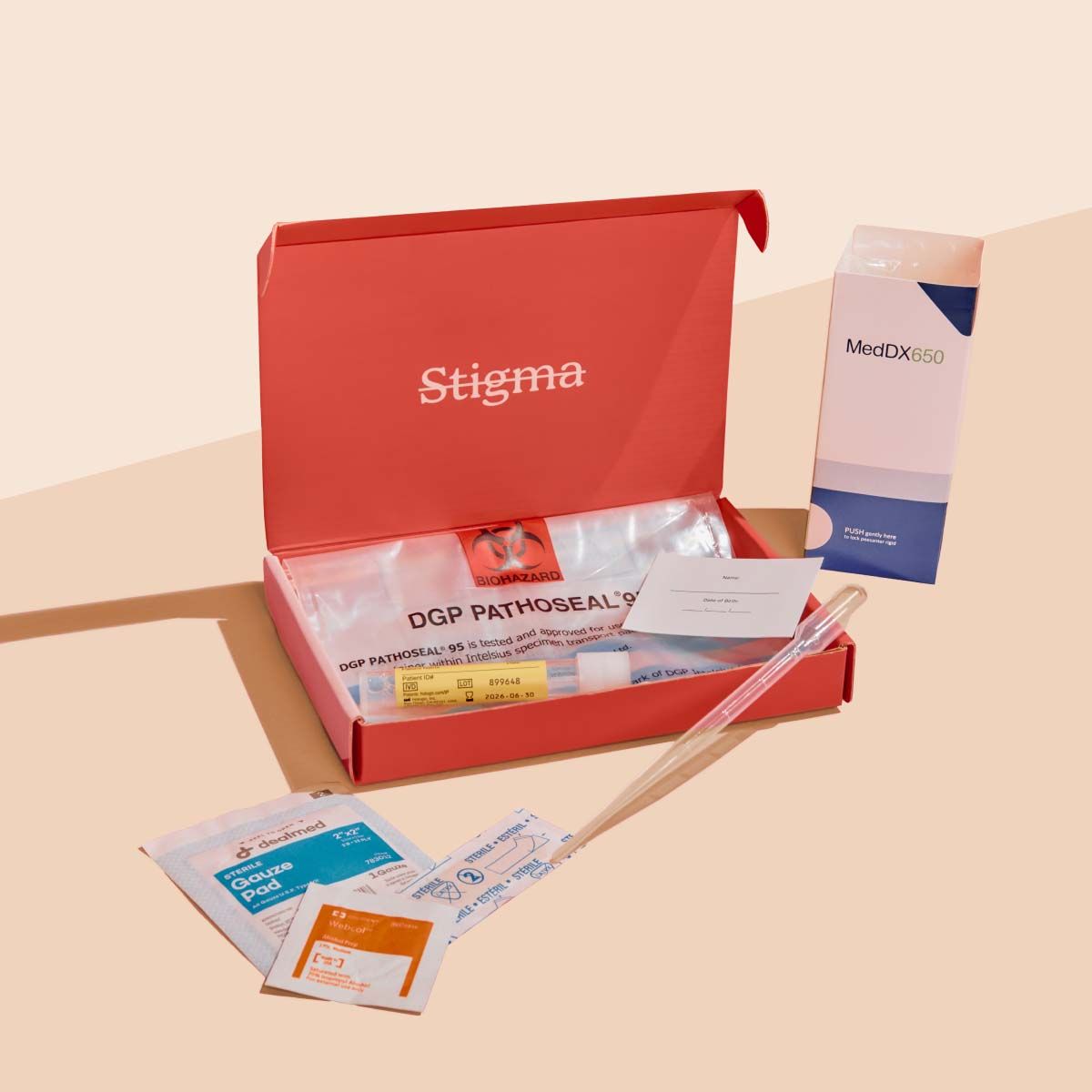
9-Panel STI Test
$249
The comprehensive at-home testing kit that covers 9 sexually transmitted infections, including herpes.