Written by Kathleen Morrison
Medically Reviewed by Andrea Sleeth WHNP-BC, MSCP
Key takeaways
- Polycystic ovary syndrome or PCOS (now referred to as polyendocrine metabolic ovarian syndrome or PMOS) can often disrupt ovulation, which can make timing conception unpredictable. It doesn't mean pregnancy is off the table.
- Many women with PCOS go on to have healthy pregnancies, some without any fertility treatment at all.
- Insulin resistance is common in women with PCOS, which is why blood sugar comes up in almost every fertility conversation. It also factors into the long-term health risk of PCOS beyond fertility.
- Letrozole is the preferred first-line medication for ovulation induction in PMOS, and it's used off-label for fertility in the US. Like any prescription medication, it can cause side effects and isn't right for everyone.
- No fertility treatment guarantees pregnancy, and timelines can look very different from person to person.
Disclaimer: This specific use of this prescription medication is not approved by the U.S. Food and Drug Administration (FDA). Such use, known as "off-label" use, may be prescribed by a licensed healthcare provider based on their clinical judgment. The safety and effectiveness of medications for off-label uses may not be established by the FDA. This information is for educational purposes only and is not medical advice. Always consult your healthcare provider regarding treatment decisions.
Trying to conceive with polycystic ovary syndrome or PCOS, which is now officially called polyendocrine metabolic ovarian syndrome or PMOS, can feel like your cycle forgot to send the calendar invite.
You pee on a stick, it says "high," it says "high" again four days later, and you're left doing math that isn't mathing. That's not you doing it wrong. That's PMOS making ovulation harder to pin down.
On the bright(er) side, this is one of the more workable pieces of the fertility puzzle. Getting clear on what your hormones are doing, through at-home fertility testing and labs, usually comes first; treatment options such as Letrozole are often the next conversation.
That said, let's walk through what's happening and where to start.
Trying to conceive with polycystic ovary syndrome or PCOS, which is now officially called polyendocrine metabolic ovarian syndrome or PMOS, can feel like your cycle forgot to send the calendar invite.
You pee on a stick, it says "high," it says "high" again four days later, and you're left doing math that isn't mathing. That's not you doing it wrong. That's PMOS making ovulation harder to pin down.
On the bright(er) side, this is one of the more workable pieces of the fertility puzzle. Getting clear on what your hormones are doing, through at-home fertility testing and labs, usually comes first; treatment options such as Letrozole are often the next conversation.
That said, let's walk through what's happening and where to start.
Wisp treatment options are available only after consultation with a licensed medical professional, if medically appropriate. You should consult with your healthcare provider before starting a new supplement or treatment regimen. Individual results may vary. Must be 18 or older. For medication details and risks, see site for details.
Does PCOS (now called PMOS) make it harder to get pregnant?
For many people, yes, but "harder" isn't the same as "not happening."
But before we go further, let's clear something up: you've probably noticed we keep saying PMOS. In May 2026, an international consensus renamed polycystic ovary syndrome to polyendocrine metabolic ovarian syndrome, or PMOS, since the old name spotlighted cysts that aren't really cysts while the wider symptoms of PCOS went unnoticed.
Your diagnosis of PCOS still stands, and the treatment of polycystic ovary syndrome hasn't changed. We'll use both terms here, since PCOS is still what most people search.
Now, the fertility part
PMOS is a common cause of infertility in women of reproductive age. It comes down to ovulation: if you're not reliably releasing an egg, there's no fertile window to time.
But PMOS does not mean you can't conceive. Plenty of people with PCOS or PMOS get pregnant naturally, and many more do with support.
What changes is that you need more information than women without PMOS do, because your cycle isn't going to hand it to you.
How PMOS affects ovulation
PMOS is a cluster of things happening at once, feeding each other.
Higher androgen levels and irregular hormone signaling mean your ovaries may grow several small follicles that never quite finish the job. No mature follicle, no released egg.
And not every woman with PMOS shows the ovarian changes the old name implied, which is exactly why it got retired.
Without consistent ovulation, your menstrual cycle gets unpredictable: months between periods, or a cycle that looks normal but skips ovulation.
Insulin resistance is also common in women with PCOS or PMOS, meaning the body makes more insulin to compensate.
Excess insulin can push the ovaries to produce more androgens, which can further suppress ovulation, a loop that shows up more often in women whose PMOS involves irregular ovulation.
That's exactly what the word metabolic in the new name is there to flag.
First steps when you're trying to conceive with PCOS (now PMOS)
Before jumping to fertility treatment, it helps to build a baseline. Three things, roughly in order:
-
Track your cycle for two to three months. A fertility thermometer can help you spot temperature shifts that suggest ovulation happened.
-
Get hormone testing done. A hormone panel for a woman typically looks at LH, FSH, estradiol, testosterone, prolactin, thyroid function, and a marker of insulin resistance. An at-home fertility test kit can help you cover part of that picture on your own schedule.
-
Talk to a provider about what the results mean. Labs can help confirm PMOS and rule out other causes of irregular cycles.
A prenatal vitamin can also be worth starting while you're trying to get pregnant, and your provider can advise on anything else based on your labs.
These statements have not been evaluated by the Food and Drug Administration. These products are not intended to diagnose, treat, cure, or prevent any disease. Individual results may vary.
What fertility treatments help with PCOS (now PMOS)?
If tracking and lifestyle changes alone aren't producing regular ovulation, prescription treatment is usually the next step. Common options include:
Ovulation induction in PCOS (or PMOS)
Ovulation induction uses medication to help stimulate the ovaries to mature and release an egg, paired with monitoring so you know when it's happening. It's the most common starting point for women with PMOS who want to get pregnant.
Common medications used for ovulation induction include:
Letrozole
Letrozole is the preferred first-line option here. It works to temporarily lower estrogen by keeping androgen from converting to estrogen. This signals the pituitary gland to release more FSH and can help stimulate follicle growth.
Letrozole is used off-label for fertility. It's FDA-approved for certain breast cancer indications, but it's still the first-line recommendation in the 2023 international guideline, because trials in PMOS found higher ovulation and live-birth rates with Letrozole than with clomiphene.
Off-label here means the evidence moved faster than the label did. A provider can review your labs, history, and pregnancy status before deciding whether it's appropriate for you.
Common side effects of Letrozole can include:
- Fatigue
- Hot flashes
- Joint pain
- Headache
- Muscle pain
- Dizziness
- Bone pain
This is not a complete list of risks and side effects, and others may occur. If symptoms worsen or you notice signs of an allergic reaction, contact a provider right away.
Clomiphene citrate
Clomiphene citrate (generic Clomid) is FDA-approved for ovulatory dysfunction and was the standard here for decades.
It works to block estrogen receptors in the brain, prompting more FSH. Current guidelines favor Letrozole when appropriate, but clomiphene can still be a reasonable option for some people.
Wisp does not offer clomiphene. An in-person provider can help you explore this option.
Common side effects of clomiphene can include:
- Flushing (warmth, redness, or tingly feeling)
- Breakthrough bleeding or spotting
- Breast pain or tenderness
- Headache
This is not a complete list of risks and side effects, and others may occur. If symptoms worsen or you notice signs of an allergic reaction, contact a provider right away.
Injectable FSH
These are injectable hormone medications that work to stimulate the ovaries directly. They're generally considered when oral medications haven't worked.
Women who have PCOS tend to be more sensitive to them, so low-dose protocols and close ultrasound monitoring are used to help lower the risk of ovarian hyperstimulation syndrome and multiple pregnancy.
Wisp does not offer injectable FSH. An in-person provider can help you explore this option.
Common side effects of injectable FSH can include:
- Injection site reactions, like bruising, redness, or swelling
- Nausea
- Headache
- Acne
- Stuffy nose, sneezing, sinus pain
- Ovarian cyst
- Breast pain or swelling
This is not a complete list of risks and side effects, and others may occur. If symptoms worsen or you notice signs of an allergic reaction, contact a provider right away.
Other options to discuss with an in-person provider
If ovulation induction alone doesn't get you there, the next conversation typically happens with in-person providers, and it helps to know what they're called before you're in the room:
- Ovulation induction with intrauterine insemination (IUI): the same medication approach, but sperm is placed directly into the uterus around ovulation by an in-person provider.
- Intracervical insemination (ICI): ICI involves placing sperm into the vagina near the cervix around the time of ovulation. It may be an option to discuss with an in-person provider in certain situations, including for people who experience recurrent vaginal infections and may prefer to avoid placing a catheter through the cervix. At-home insemination kits use a similar near-the-cervix approach, offering an accessible way to utilize the technique.
While the PherDal at-home insemination kit is FDA-cleared for over-the-counter use without a prescription, it is always a good idea to chat with your OBGYN or fertility specialist before you get started.
- In vitro fertilization (IVF): with IVF, eggs are retrieved from the ovaries, fertilization happens in a lab, and an embryo is transferred later. The main thing to discuss with an in-person provider is the risk of ovarian hyperstimulation syndrome (OHSS), which is higher in women with PCOS. In vitro fertilization usually isn't the first move. It tends to come up when ovulation induction hasn't resulted in pregnancy across several monitored cycles, or when other factors are in play, like tubal issues or male-factor infertility.
- Surgical options: rarely used now, but ovarian surgery is still considered in select cases by an in-person provider.
Metformin: Not a fertility treatment, still worth knowing about
Metformin is a prescription medication that may be used as part of a broader PCOS care plan, particularly when insulin resistance, common in PCOS, is part of your picture.
To be clear about what it is and isn't: Metformin is not FDA-approved as a fertility treatment or for infertility, and it isn't a first-line ovulation induction medication.
What it may do is work on the metabolic side. Metformin may help your body use insulin more efficiently, and since insulin issues are part of what throws PMOS cycles off, steadying that may help support more regular ovulation in some people.
Common side effects of metformin can include:
- Nausea
- Diarrhea
- Indigestion
- Gas
- Headache
- Vomiting
This is not a complete list of risks and side effects, and others may occur. If symptoms worsen or you notice signs of an allergic reaction, contact a provider right away.
Less exciting, more supportive: Habits that can help
You've been offered enough PMOS diet advice by strangers on the internet, and we get it if a lot of it was a combination of expensive, joyless, and complicated.
So this isn't a PCOS fertility diet and exercise plan. It's a short list of things that may help support steadier blood sugar, which may in turn help support more regular ovulation for some people.
That's the honest ceiling on what food and movement can do here:
- Have protein at every meal, plus non-starchy vegetables and healthy fats, which can help slow how quickly blood sugar rises
- Opt for lower-glycemic swaps such as quinoa instead of white rice, whole fruit instead of juice, lentils and chickpeas as staples
- Practice moderate movement consistently, such as walking, cycling, or swimming; it beats punishing yourself three times and quitting
For some people, maintaining a healthy weight can help support more regular cycles, though that looks different for everyone and shouldn't be treated as a prerequisite for care.
The mental load counts too
Chronic stress can affect the hormone signaling that ovulation depends on, and TTC with PCOS is exhausting in a way that deserves acknowledging rather than powering through.
Therapy with an in-person provider who understands fertility challenges, communities of other women trying to conceive with PMOS, and protecting your sleep all count as part of the plan.
You don't have to white-knuckle this alone.
Your ovaries don't have to be the boss of you
The condition got renamed. You didn't. Whatever you call it, understanding how PCOS or PMOS affects ovulation can help turn this from a guessing game into something you can work with, and a pregnancy with PMOS is a very ordinary outcome.
Some people conceive with tracking and time. Others need medication. Both are normal, and neither says anything about you.
To start with real information, Wisp’s Complete Testing System by Proov can help you see what your cycle is actually doing.
And when it's time to talk medication, Wisp connects you with licensed providers who can review your history and discuss Letrozole for fertility if it's medically necessary and appropriate. Ask the questions you've been saving in your notes app.
Say the thing you were worried sounded silly. That's what we're here for.
Wisp is not affiliated and does not sponsor or endorse any company names, logos, or brands shown or mentioned. All product names, logos, brands, and other trademarks or images shown or mentioned are the property of the respective brand owners and are only used to identify the products and services of their respective owners.
This blog post is for informational and educational purposes only and should not be taken as professional advice. Always consult with a qualified professional before making any decisions based on the information provided here.
PCOS and Fertility Support

Metformin Prescription for PCOS
Starting at $24
Prescription Metformin tablets to treat PCOS-related weight gain, irregular cycles, and more.
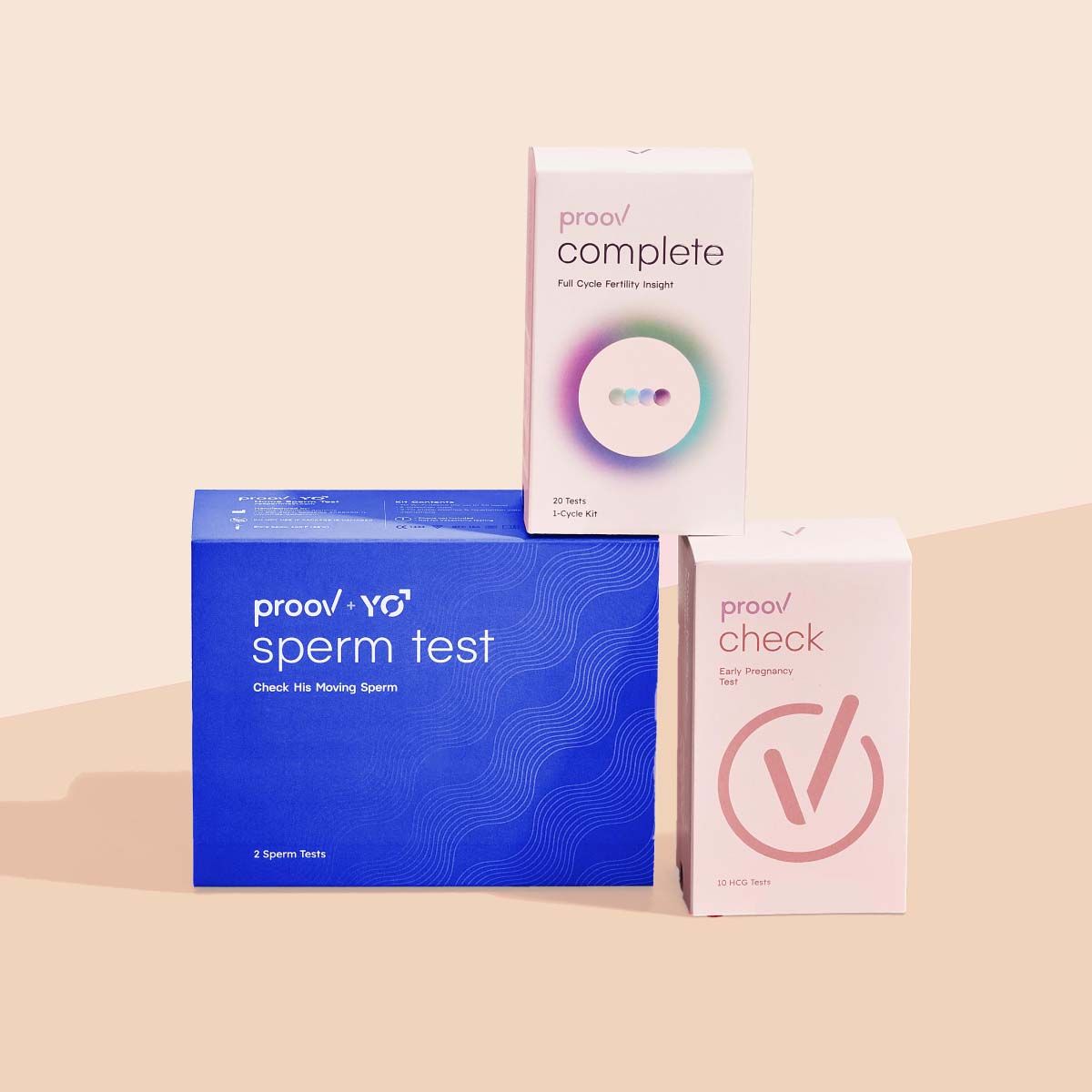
Hers & His Advanced Fertility Kit by Proov
$169.99
The only all-in-one fertility test kit for couples that covers both male and female testing
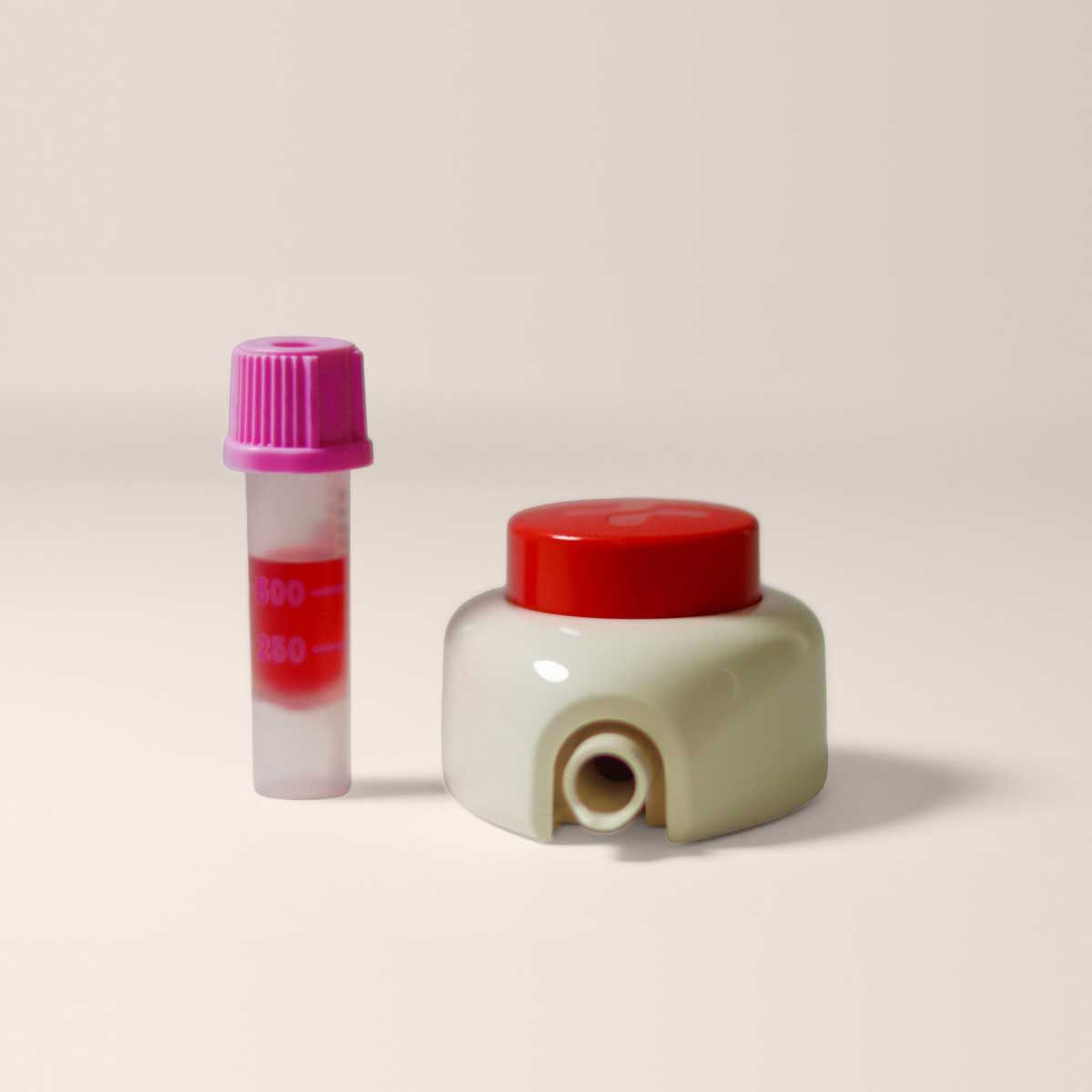
Wisp Female Hormone Health Panel
Starting at $229
At-home blood testing panel that covers 6 key hormonal health markers.
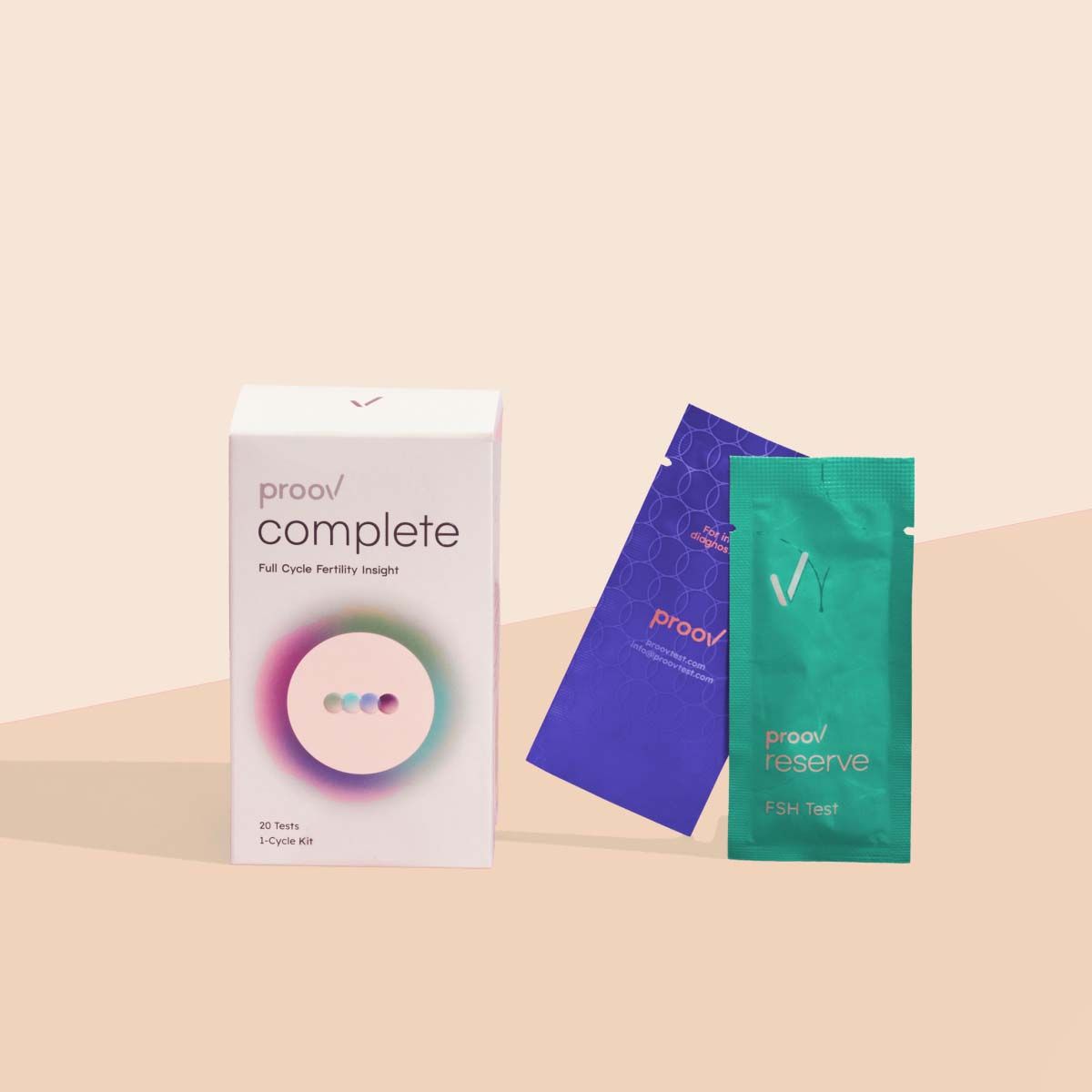
Complete Testing System by Proov
$99.99
Proov's most comprehensive at-home fertility test for her