What Lube Can Do For You
(and Your Sex Life)
Published on July 14, 2021
Updated on April 2, 2026
Written by Kathleen Morrison
Medically Reviewed by Dr. Shannon Chatham, DO
Key takeaways
- Personal lubricant reduces friction during sex, helping eliminate pain, chafing, and increasing pleasure for all bodies.
- The right sexual lubricant can actually help support vaginal health—but the wrong one may disrupt your vaginal flora and may increase the risk of bacterial vaginosis.
- Water-based lubricants are generally the safest choice for optimal vaginal health, while oil-based and silicone options have their own best use cases.
- Ingredients like glycerin, artificial fragrances and dyes, and sugars can feed yeast or kill the good bacteria called lactobacillus that keeps your vagina healthy.
- Choosing a good lube with body-safe ingredients is key to enjoying great female sex without worrying about vaginal infections down the road.
We’ve all seen the typical Hollywood sex scene: our couple kisses passionately, clothes magically come off, there may be some thrusting, and then it’s all over. No one ever needs to awkwardly struggle with their socks, spend any time on foreplay, or run to the bathroom to grab a condom.
There’s one more thing Hollywood tends to gloss over — using lube during sex! In the real world, lots of us need a little extra help to keep sex comfortable, and even if you don’t, there are plenty of ways that lube can make sex more fun.
What is lube?
Lube, short for personal lubricant, is a product used to reduce friction and make sexual activity more comfortable. That can mean reducing the friction between genitals, between other body parts (like a hand and a penis), or between your body and a sex toy. Reducing that friction can help eliminate pain or chafing and increase pleasure!
Types of lube
There are lots of different materials that can be used as lube, but the ones that are the safest and most effective are typically water-based or silicone-based.
Silicone-based lube
Silicone-based lube is the gold standard when it comes to staying-power and slickness. These qualities make it ideal for anal sex and shower sex, and silicone-based lubes are still safe for use with condoms. Although silicone is perfectly safe to use with your body, it doesn’t absorb, so it can be a pain to clean up. You also shouldn’t use it with silicone sex toys — silicone dissolves silicone, so silicone-based lubes will ruin your toys!
Pros
- Ultra long-lasting and slick—you won't need to reapply often
- Perfect for shower sex and water play since it won't wash away
- Safe to use with latex condoms
- Hypoallergenic and great for sensitive skin
Cons
- Can damage silicone sex toys (the silicone breaks down silicone toys over time)
- Harder to clean up since it doesn't wash off easily with just water
- May stain sheets or fabrics
When to use
Silicone-based lube is your go-to for anal play, shower or pool sex, and any situation where you need long-lasting lubrication without reapplying. Just pair it with glass, metal, or hard plastic toys instead of silicone ones.
Water-based lube
Water-based lubes are very popular because they work with condoms and sex toys, and are mess-free! They won’t stain sheets (unlike silicone or oil options) and are easily absorbed by your body, so it’s easy to clean once you’re finished.
Water-based lubricants are generally considered the safest choice for vaginal health because they're less likely to disrupt the pH in the vagina or impact the growth of healthy bacteria.
Look for options that contain aloe or are labeled as pH-balanced for optimal results.
Pros
- Safe with all condoms and all sex toys (including silicone toys)
- Easy to clean up—just water will do!
- Won't stain sheets or fabrics
- Generally gentler on the vagina and less likely to cause infections
Cons
- Can dry out faster and get sticky, requiring reapplication
- Not ideal for shower or pool sex (washes away)
- Some formulas contain glycerin or other additives that may cause irritation
- Hyperosmolar formulas can pull moisture out of vaginal tissue and cause irritation
When to use
Water based lube is your most versatile option and ideal for vaginal sex, use with any toys, and anyone concerned about lube safety and maintaining healthy vaginal flora. It's also the top choice if you're experiencing menopause-related dryness and want something gentle.
Oil-based lube
This type of lube is often preferred by people who enjoy natural options. It’s important to note that this type of lube is generally not recommended for internal use as it can disrupt the vaginal microbiome and is not safe for use with latex condoms.
Of the oil-based options, coconut oil is popular because it works well, is usually non-irritating for those with sensitive skin, and has that pleasant coconut smell. Plus, it’s easily accessible at your local grocery store, so no awkward interactions with a drug store cashier!
However, it’s important to know that oil-based lubes aren’t compatible with latex condoms. Oil reacts with latex and weakens it, making it more likely to break during sex.
One important note: Using coconut oil or other lube alternatives can sometimes impact the vaginal environment. While some folks swear by natural oils, others find they can cause damage to the delicate balance of bacteria in the vagina. If you're prone to vaginal infections, you might want to stick with water-based options instead.
Pros
- Natural and easily accessible (coconut oil is in most kitchens!)
- Great for massage—doubles as a sensual body oil
- Long-lasting and moisturizing
- Often budget-friendly
Cons
- NOT safe with latex condoms. Oil degrades latex and can cause breakage
- May increase the risk of bacterial vaginosis or yeast infections for some people
- Can stain sheets and fabrics
- Using petroleum jelly or mineral oil-based products near the vagina can trap bacteria and lead to infection
When to use
Oil-based lubes are best for external massage, solo play without condoms, or partnered sex when you're using non-latex barriers (like polyurethane or lambskin condoms). Skip them for vaginal intercourse if you're prone to infections.
Why should I use lube?
There are lots of reasons why lube always helps—and never hurts—to have on hand.
- Lube helps reduce the risk of injury. Sex without the proper lubrication can lead to irritation, micro-tearing, chafing, and general discomfort. Even if you produce enough lube naturally, there may be times your body refuses to cooperate (this can happen even if you're just a bit dehydrated!). Having a bottle of lube handy ensures a smooth experience. There's no such thing as too much lube!
- Lube may help reduce STI risk. That irritation I talked about earlier? It can increase your risk of contracting sexually transmitted infections. An irritated and inflamed skin barrier can make it easier for viruses and bacteria to get past your body's defenses and take hold. Lubing up can help keep things silky-smooth and keep your body's defenses intact.
- If you're experiencing a reduction in natural lubrication. There are lots of great things about getting older, but hormonal changes aren't usually one of them. These changes—especially during menopause—often lead to vaginal dryness which can make sex painful and unpleasant. Getting older isn't the only pesky culprit — breastfeeding, those taking medications, and having certain medical concerns can all lead to a reduction in your natural lubrication. Lube can help! Incorporate it into your sex life to help keep things smooth sailing from here on out.
Can lube cause BV?
Some lubricants can increase the risk of bacterial vaginosis if they disrupt your vaginal pH or contain irritating ingredients.
BV happens when there's an overgrowth of certain bacteria in the vagina, throwing off the delicate balance of your vaginal environment. Using lubricants that mess with that balance can open the door for common vaginal infections.
Your vagina is naturally home to good bacteria—especially lactobacillus—that keep everything in check by maintaining a slightly acidic pH. When you use a lube with a high pH formula, it can neutralize that protective acidity and allow harmful bacteria to thrive.
Similarly, certain ingredients found in many lubricants on the vaginal tissue can cause damage to the cells lining your vagina, making you more susceptible to infection.
The impact of vaginal lubricants on your health depends largely on which formula you choose. Using lubricants that are pH-balanced and free from harsh additives is key to helping keep your vagina happy.
Lubricant ingredients to avoid
When you're shopping for a vaginal lubricant, the ingredient list really does matter.
Certain additives may impact the growth of good bacteria, cause irritation, or even lead to infection.
Here's what to steer clear of:
- Glycerin: This ingredient is a sugar alcohol that can feed yeast and increase the risk of yeast infection. If you're prone to yeast infections, glycerin-containing lubes might not be your friend.
- Artificial fragrances and dyes: Can cause irritation, allergic reactions, and throw off your vaginal flora. Your vagina doesn't need to smell like roses, we promise.
- Sugars or sweeteners: You should also watch out for flavored or edible lubes. Many of these products contain sugars that can lead to yeast infections or general discomfort.
- Parabens: These preservatives have potential hormone disruption concerns and may impact your body's delicate hormonal balance.
- Essential oils: While they sound natural and harmless, essential oils may disrupt the vaginal microbiome and cause sensitivity reactions. Some natural or 'clean' labeled products contain these, so check labels carefully.
- Nonoxynol-9: This spermicide (found in nonoxynol-9 vaginal gel and some lubes) can be harsh on vaginal tissue and actually increase your risk of STIs by causing irritation.
So, what do you do? Stick to the basics by looking for labels that promote sensitivity, or ask a pro at your local sex toy shop; they have expert-level knowledge on their products and can point you in the right direction as to what will work best for your needs.
What to know before you buy lube
If this is your first time choosing a lube, or if you know you have sensitive skin, you’ll want to stay cautious. Lots of lube products contain fragrances, dyes or other irritating ingredients that could cause your most sensitive areas to react.
Watch out for words like “warming” or “tingling” — these labels may claim their product is meant to enhance pleasure, but you may end up with a bit more “tingling” than you bargained for!
All of this sound a little too complicated for you? Wisp has just launched our own Harmonizing Lube! It’s silicone-based and specially formulated to be extra gentle for all bodies.
It’s non-sticky, effective in water, and will help maintain your natural pH balance so your post-sex glow isn’t interrupted by annoying irritation. Nice.
This blog post is for informational and educational purposes only and should not be taken as professional advice. Always consult with a qualified professional before making any decisions based on the information provided here.
Get Harmonizing Lube
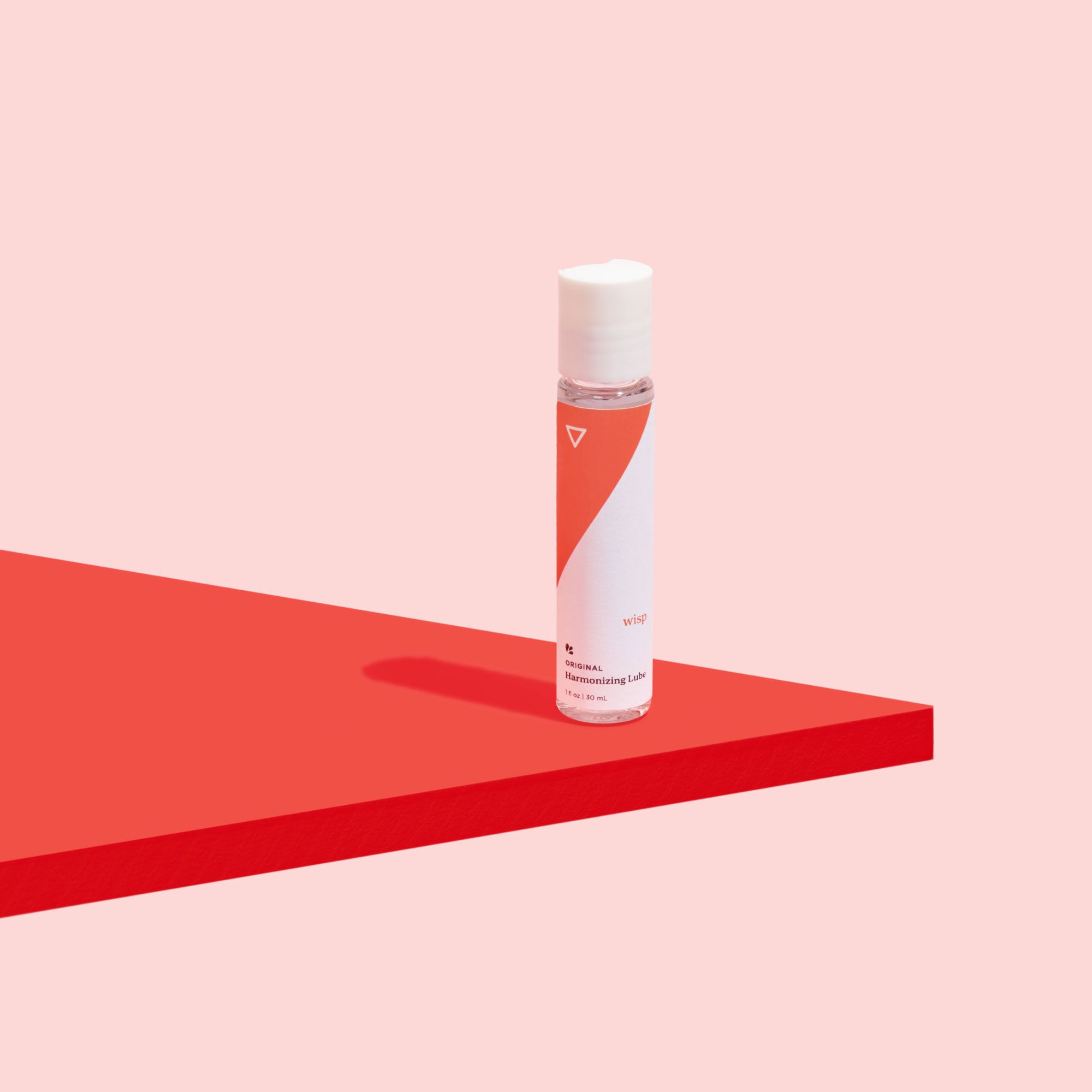
Original Harmonizing Lube
Starting at $10
Silicone-based to help reduce friction and make sex easier, more pleasurable, and more fun.