Written by Kathleen Morrison
Medically Reviewed by Dr. Shannon Chatham, DO, a healthcare provider affiliated with Wisp
Key takeaways:
- Bioidentical hormones are chemically identical to the estrogen and progesterone your body naturally produces. FDA-approved versions (like estradiol and micronized progesterone) are safe, well-studied options.
- They may help relieve hot flashes, night sweats, vaginal dryness, and sleep issues through patches, gels, pills, or vaginal formulations.
- "Bioidentical" doesn't mean "natural" or risk-free. Compounded versions skip the federal safety and dosing oversight that FDA-approved products go through.
- Common side effects include breast tenderness, nausea, and headaches. Serious but rare risks include blood clots and stroke, especially with oral estrogen.
- A provider can evaluate your symptoms, walk you through options, and build a care plan that fits your life.
Night sweats at 3 AM. Brain fog so thick you forget why you opened the fridge. Vaginal dryness that makes sex feel like something you'd rather just… Skip entirely.
If menopause has you feeling like your body got a software update you never agreed to, welcome to the club. (A very large, very sweaty club.)
Bioidentical hormones for menopause are one of the most talked-about ways to get relief. But "bioidentical" is one of those words that sounds simple and gets complicated fast. Are they safer than synthetic hormones? Are compounded versions worth it? And how do you figure out what's right for your body?
Deep breath. Let's break it all down.
What is bioidentical hormone therapy?
Bioidentical hormone therapy (sometimes called BHRT, because menopause loves an acronym) uses hormones that are chemically identical to what your ovaries produced before they decided to retire.
The main ones are 17β-estradiol and micronized progesterone. Your body processes these the same way it handled your own hormones for decades
Here's what’s important to know: not all bioidentical hormones are created equal.
- FDA-approved bioidentical hormones go through rigorous testing for safety, purity, and consistent dosing. You can rest assured that you know what you're getting.
- Compounded bioidentical hormones are custom-mixed by pharmacies and don't undergo the same federal oversight. The American College of Obstetricians and Gynecologists (ACOG) recommends FDA-approved options first because their quality is standardized and predictable.
You might've heard that compounded versions can be "customized to your exact hormone levels." The truth? Hormone level testing doesn't reliably guide dosing. Your symptoms matter way more than a number on a lab report.
And compounded versions may include hormones like testosterone or DHEA in combinations that haven't been studied for safety in menopause.
How bioidentical hormones may help
Okay, let's talk about the good stuff. Because there's a lot of it.
Hot flashes and night sweats often decrease significantly with estrogen therapy. You know, that whole "changing sheets at 2 AM" situation? That tends to calm down, which means actual sleep. (Revolutionary concept, right?)
Vaginal dryness responds especially well to estrogen, whether applied locally or systemically. If sex has become painful, vaginal estradiol can help target these symptoms directly with minimal absorption into the rest of your body. Your vagina will thank you for the attention.
Mood and brain fog are trickier. They don't respond as predictably, but you may start feeling sharper once hormonal fluctuations settle down. Bone health may also benefit, though that's usually not the main reason to start.
The bottom line: if menopausal symptoms are hijacking your quality of life, bioidentical hormone therapy can offer real, measurable relief for many people.
Risks and side effects
Every medication comes with trade-offs. (If something sounds too good to be true, it probably is.) Here's what to know:
Common side effects
Most are mild and often improve as your body adjusts:
- Breast tenderness or swelling
- Nausea (especially with oral estrogen)
- Bloating and water retention
- Headaches or migraines
- Spotting or irregular bleeding
- Skin irritation at patch sites
These tend to be dose-related, so adjusting your dose or switching delivery methods may help. Your body just needs a minute to adjust. (Bodies, right?)
This is not a complete list of risks and side effects, and others may occur. If symptoms worsen or you notice signs of an allergic reaction, contact a provider right away.
Serious risks
Rare but important:
- Blood clots (higher risk with oral estrogen; transdermal carries a lower risk)
- Stroke
- Breast cancer (risk may increase with longer use, especially with synthetic progestins; micronized progesterone appears to carry a lower risk)
Your individual risk depends on smoking status, weight, family history, and duration of use. Transdermal estrogen (patches, gels) bypasses the liver, which is why many providers recommend it as a starting point.
This is not a complete list of risks and side effects, and others may occur. If symptoms worsen or you notice signs of an allergic reaction, contact a provider right away.
Contact your provider right away if you experience sudden severe headache, chest pain, leg pain or swelling (especially one-sided), vision changes, or severe abdominal pain.
Your therapy options
The right therapy depends on your symptoms, health history, and what you'll actually stick with day to day. (Because the best treatment in the world doesn't work if it doesn't fit your life.)
Estradiol (bioidentical estrogen)
- Patches: Applied once or twice weekly, steady hormone levels, bypass the liver (lower clot risk). Downside? Potential skin irritation. (A small price for not waking up in a puddle of sweat.)
- Gels: Applied daily, flexible dosing, no adhesive issues. Let them dry completely and avoid skin contact at the site so you don't share your hormones. Sharing is caring, but not here.
- Oral estradiol: Often the least expensive, but higher clot risk since it passes through your liver.
- Vaginal estradiol: Best for dryness and urinary symptoms. Won't help hot flashes much since very little reaches your bloodstream, but if dryness is your main complaint? This is your go-to.
Progesterone (if you have a uterus)
If you have a uterus, you need progesterone alongside estrogen to protect your uterine lining. This one's non-negotiable.
Micronized progesterone is the bioidentical option, and bonus: many people find it can help with sleep when taken at bedtime. (Menopause giving you something nice for once!)
Side effects can include dizziness and drowsiness, which is actually why nighttime dosing works so well.
This is not a complete list of risks and side effects, and others may occur. If symptoms worsen or you notice signs of an allergic reaction, contact a provider right away.
Bioidentical vs. synthetic HRT
This is the big question. And the answer might surprise you.
Synthetic hormone therapies have been used for decades and work well for many people. The key difference is molecular structure: synthetic hormones don't match your body's own hormones exactly, while bioidentical hormones do.
Does it matter clinically? Sometimes:
- Micronized progesterone appears to carry a lower breast cancer risk compared to synthetic progestins (RR 0.67)
- Transdermal bioidentical estradiol carries a lower clot risk than oral conjugated estrogens
- But both categories may help relieve menopausal symptoms
Real talk: the "bioidentical is natural, synthetic is bad" framing oversimplifies things. Both are manufactured in labs. Both require prescriptions. Both carry risks and benefits. What matters most is finding the right fit for your body, not the marketing language on the label.
Who’s a good candidate?
Bioidentical hormone therapy may be most appropriate for people who:
- Are experiencing moderate to severe menopausal symptoms
- Are within 10 years of menopause onset or under age 60
- Don't have a personal history of breast cancer, blood clots, stroke, or active liver disease
A provider can review your full picture and figure out what makes sense. No guessing required.
Monitoring and follow-up
Starting hormone therapy isn't "set it and forget it." (Wouldn't that be nice, though?)
- Check in after a few weeks to assess symptom improvement and side effects
- Reassess annually with your provider; the goal is the lowest appropriate dose for as long as you need it
- Keep up with regular screenings: mammograms, pelvic exams, blood pressure checks
- Report unexpected bleeding after 12+ months without a period
Your needs will change over time. Menopause doesn't stay in one lane, and neither should your care.
Take charge of your menopause care
You've read the research. You know the options. Now here's the part where you actually do something about it.
You don't have to white-knuckle your way through menopause. Wisp offers online consultations where you can talk through your options with a licensed provider and get a prescription same-day* if medically appropriate. No in-person waiting rooms, no judgment, no hassle. That's menopause care the way it should be.
Ready to feel like yourself again? Schedule a menopause consult and start the conversation today.
*Most prescriptions are sent to your pharmacy within 3 hours of completing your patient intake form and video chat when necessary. Pending retail pharmacy hours.
This blog post is for informational and educational purposes only and should not be taken as professional advice. Always consult with a qualified professional before making any decisions based on the information provided here.
Trusted Treatments

Menopause Consult Online
Starting at $33/ month
Customized care for menopause & perimenopause symptoms including estrogen & progesterone hormone replacement.
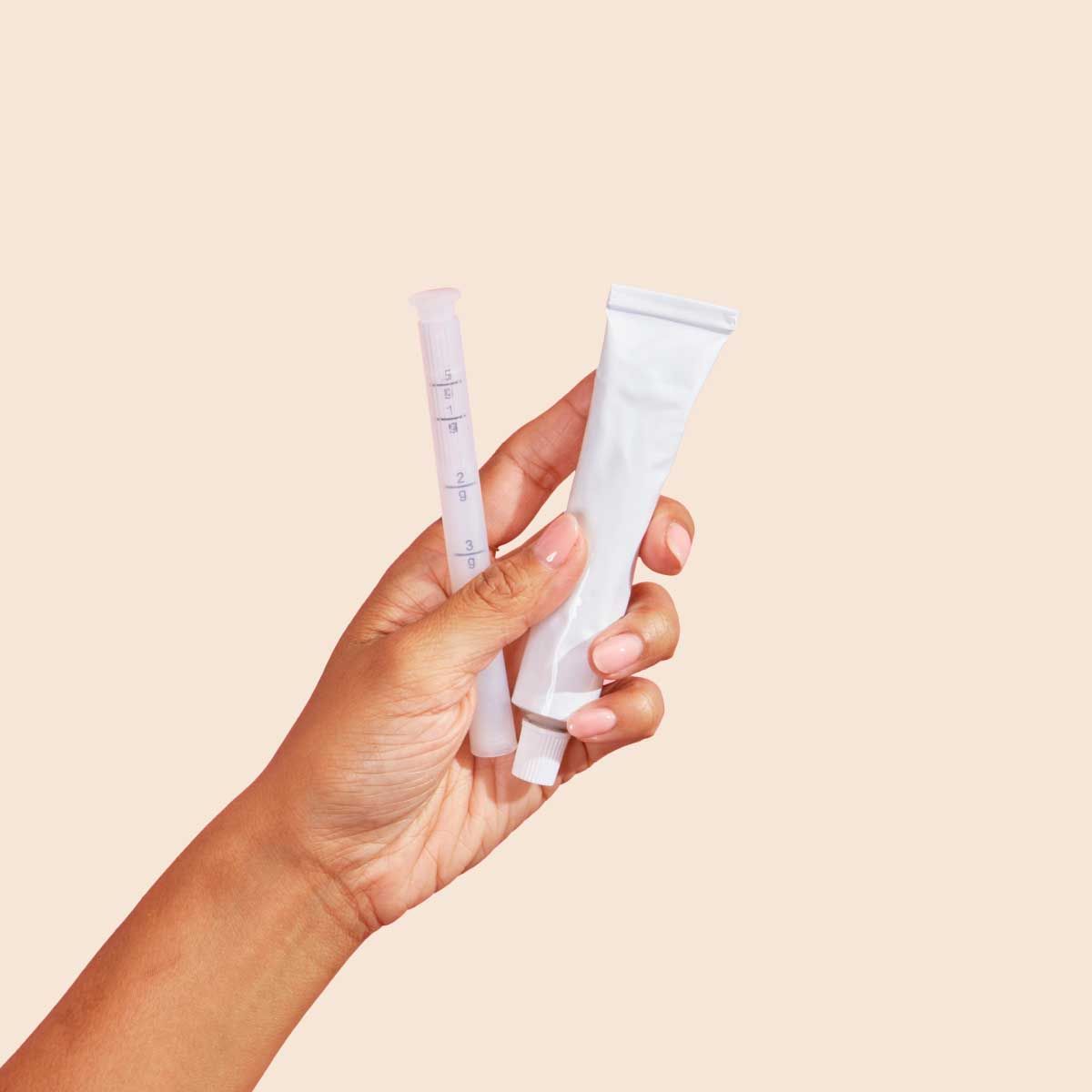
Estradiol Vaginal Cream
Starting at $20
A hormonal cream that soothes vaginal dryness caused by menopause, or during postpartum, especially with breastfeeding.