Written by Kathleen Morrison
Medically Reviewed by Andrea Sleeth WHNP-BC, MSCP
Key takeaways
- Condoms don't directly cause yeast infections, but latex, spermicides, lubricant ingredients, and fragrances can irritate your vaginal tissue and disrupt the natural bacterial balance
- Spermicide-coated condoms and glycerin-based lubricants are among the most common triggers for yeast overgrowth
- Switching to non-latex condoms and glycerin-free, fragrance-free lubricants can help reduce recurring symptoms
- If itching, redness, or unusual discharge consistently appear after sex, it's worth investigating whether your condom or lubricant is a factor
- Persistent or recurring yeast infections warrant a conversation with a healthcare provider to rule out other conditions and explore prescription treatment options
Wondering if condoms can cause a yeast infection? The short answer is no—condoms themselves aren't the culprit.
Yeast infections happen when Candida, a fungus that naturally lives in your body, grows out of balance. That said, things like latex sensitivity, spermicides, or lubricant ingredients can sometimes cause the kind of irritation that tips the scales.
The good news is that a few simple swaps can make a real difference. Getting the right yeast infection treatment when symptoms do appear, alongside some smarter product choices, puts you back in control quickly.
Paying attention to what your body responds to and making small adjustments along the way can help you keep using condoms comfortably while supporting your vaginal health.
Wisp treatment options are available only after consultation with a licensed medical professional. You should consult with your healthcare provider before starting a new supplement or treatment regimen. Individual results may vary.
How condoms can disrupt your vaginal microbiome
Your vagina is its own carefully balanced ecosystem. Lactobacillus bacteria maintain a slightly acidic environment that naturally keeps Candida in check. When that balance gets thrown off, yeast can multiply quickly and cause those familiar (icky) symptoms.
Condoms don't introduce any yeast themselves, but what they're made of and what's added to them can cause irritation. Latex proteins, chemical additives, and spermicides can all make vaginal tissue unhappy, and irritated tissue makes it way easier for Candida to get a foothold.
Latex sensitivity
Even without a full-on latex allergy, loads of people notice irritation from latex condoms. Symptoms can include redness and swelling, burning during or after sex, itching within a few hours of use, or a raw, uncomfortable feeling in the genital area.
Irritated tissue can make your natural defenses less effective, which can tip the scales toward yeast overgrowth. To make things trickier, the symptoms of latex sensitivity and a yeast infection overlap quite a bit, so it's not always easy to tell what's going on.
Spermicide
Nonoxynol-9, the most common spermicide ingredient, works by disrupting cell membranes to stop sperm, but it can also harm the beneficial bacteria in your vagina in the process. Fewer Lactobacillus bacteria means vaginal pH can rise, making for a more enticing environment for both yeast overgrowth and bacterial vaginosis.
Spermicide-coated condoms were once marketed for extra pregnancy protection, but the added coverage is minimal, and the irritation risk is real. If you're prone to vaginal infections, skipping the spermicide is probably worth it. Plain condoms can help protect you against pregnancy and STIs without upsetting your microbiome.
Chemical irritants in lube
Not all lubes are created equal, and some ingredients can cause irritation or create conditions where yeast is more likely to thrive. Glycerin is one of the biggest culprits, and it's everywhere. It's a sugar-based ingredient (not for eating, unless you wanna) that makes lubricants feel slippery and smooth, but yeast can feed on it, giving Candida a perfect opportunity to grow.
Other ingredients worth watching out for include parabens (preservatives that can irritate sensitive tissue) and chlorhexidine, an antimicrobial that can wipe out beneficial bacteria alongside the bad. Added fragrances or flavors can trigger allergic reactions or irritation, and warming or cooling lubricants contain extra chemicals that can be harsh on delicate tissue.
Signs your yeast infection is linked to condom use
Figuring out whether your symptoms are from a yeast infection or condom-related irritation makes dealing with them a lot easier. Both can cause itching, redness, and discomfort, but the causes are different. Timing is one of the most useful clues: if your symptoms consistently appear after sex (or just after using a certain condom type or lube), that's worth paying attention to.
Yeast infections often show up as:
- Thick, white, cottage cheese-like discharge
- Itching inside and around the vagina
- Burning during urination or sex, along with redness or swelling
Yeast infections typically don't carry a strong odor. If you notice a fishy smell, bacterial vaginosis (BV) could be at play instead. Symptoms can appear a day or two after sex, or seemingly out of nowhere when other factors like antibiotics or hormonal changes are involved. Getting three or more infections in a year? A good sign to check in with a healthcare provider.
Latex sensitivity can feel a lot like a yeast infection, but usually starts within minutes to hours of contact. Signs include immediate itching or burning, hives or a rash where the condom touched skin, or swelling. If your symptoms ease within a day or two without antifungal treatment, irritation or allergy is the more likely explanation.
Tips to manage yeast when you use condoms
Condoms are still one of the most reliable ways to help protect against STIs and unintended pregnancy, and experiencing yeast infections doesn't mean you need to stop using them (honestly, please don't). But a few thoughtful adjustments can help make a big difference while keeping your body comfortable, and you and your partner safe.
The goal is to find condoms and habits that work with your natural balance rather than against it.
Choosing the right condom material
The material your condom is made from can affect how your vagina responds.
- Polyisoprene condoms are soft, stretchy, and allergy-friendly. They feel similar to latex but don't carry the proteins that irritate sensitive users.
- Polyurethane condoms are thinner, transfer heat well, and are compatible with oil-based lubricants for those who prefer them.
- Nitrile internal condoms sit inside the vagina and are a good option for anyone with multiple sensitivities.
If latex isn't an issue for you, look for any simple, low-additive options. As a general rule, skip condoms with spermicide, flavors, or fragrances, and keep the flavored options for oral enjoyment!
Healthy hygiene and sexual habits
Good habits reinforce the work your vaginal microbiome is already doing.
- Before sex: Wash your hands, urinate to clear the urethra, and check that condoms aren't expired.
- During sex: Use enough lubricant to reduce friction, switch condoms between anal, oral, and vaginal sex, and never reuse them.
- After sex: Urinate within 30 minutes, rinse the external genital area gently with warm water, pat dry, and wear breathable cotton underwear. Skip douching, as it disrupts vaginal balance.
These (let’s be real, eeeasy) habits, paired with the right condom choice, can help your natural bacteria thrive and support a more comfortable (and enjoyable) experience for everyone involved.
Alternative barrier options for sensitive users
If standard condoms aren't agreeing with your body, other barrier options can still offer reliable protection.
Non-latex condoms:
- Lambskin: A natural membrane option that works for pregnancy but not STI prevention. Best suited for tested, monogamous couples.
- Nitrile internal (FC2): Allergy-friendly, covers more surface area, and works for both vaginal and anal sex. Can be inserted up to eight hours ahead of time and gets comfortable quickly with a bit of practice.
Dental dams for oral sex:
- Thin latex or polyurethane sheets that prevent direct mouth-to-genital contact.
- You can make your own by cutting open a condom lengthwise (non-latex works just as well).
- A little practice and open communication make them easy to incorporate.
Trying different barrier options helps you find what fits your body best without compromising on protection or comfort.
When to talk to a sexual health professional
Sometimes, yeast infections can be managed at home, but a professional's perspective generally gets you the right answer faster. Knowing when to reach out means getting the right treatment and ruling out other conditions that can look similar.
It's worth making an appointment if:
- It's your first yeast infection, and you want a confirmed diagnosis
- Over-the-counter treatments haven't worked after a full course
- You get three or more infections in a year
- Symptoms are severe or include fever, chills, or pelvic pain
- You're pregnant, have diabetes, or have a weakened immune system
- Symptoms come back shortly after treatment ends
A healthcare provider can test for yeast and check for other possible causes, like bacterial vaginosis, STIs, or skin conditions. Sometimes what feels like repeated yeast infections turns out to be something else entirely.
For stubborn or recurrent infections, prescription antifungal medication is often more effective than over-the-counter options. Longer treatment courses or maintenance therapy can help break the cycle of frequent flare-ups.
Common side effects of prescription antifungal medication include:
- Headache
- Nausea
- Stomach pain or diarrhea
- Dizziness
Most side effects are mild and short-lived, but if you experience any severe abdominal pain, a rash, or worsening symptoms after starting treatment, reach out to your provider.
And honestly, you're not alone in this. Healthcare providers talk about yeast infections all the time, so there's no need to feel embarrassed. Getting a proper diagnosis beats dealing with recurring discomfort on your own.
This is not a complete list of risks and side effects, and others may occur. If symptoms worsen or you notice signs of an allergic reaction, contact a provider right away.
Wrapping it up: condoms, comfort, and your vaginal vibe
So, can condoms cause yeast infections? Not directly—but certain factors tied to condoms can create the right conditions for yeast to thrive.
Latex sensitivity, spermicides, and glycerin-based lubricants are some of the most common triggers. The good news is that a few simple swaps can make a noticeable difference.
Choosing the right products genuinely matters. Non-latex condoms made from polyisoprene or polyurethane are gentler on sensitive bodies. Skipping spermicide-coated condoms and opting for glycerin-free, fragrance-free lubricants helps support your vaginal balance. Adding thoughtful hygiene habits before and after sex rounds out the picture.
If you're dealing with recurring yeast infections and want quick, judgment-free care, Wisp makes it simple to connect with a licensed provider and access prescription antifungal treatment, delivered straight to your door with no in-person waiting room required.
This blog post is for informational and educational purposes only and should not be taken as professional advice. Always consult with a qualified professional before making any decisions based on the information provided here.
Trusted Treatments
BV Antibiotics (Tablets or Gel)
Starting at $15
Request topical or oral prescription antibiotics to treat bacterial vaginosis.
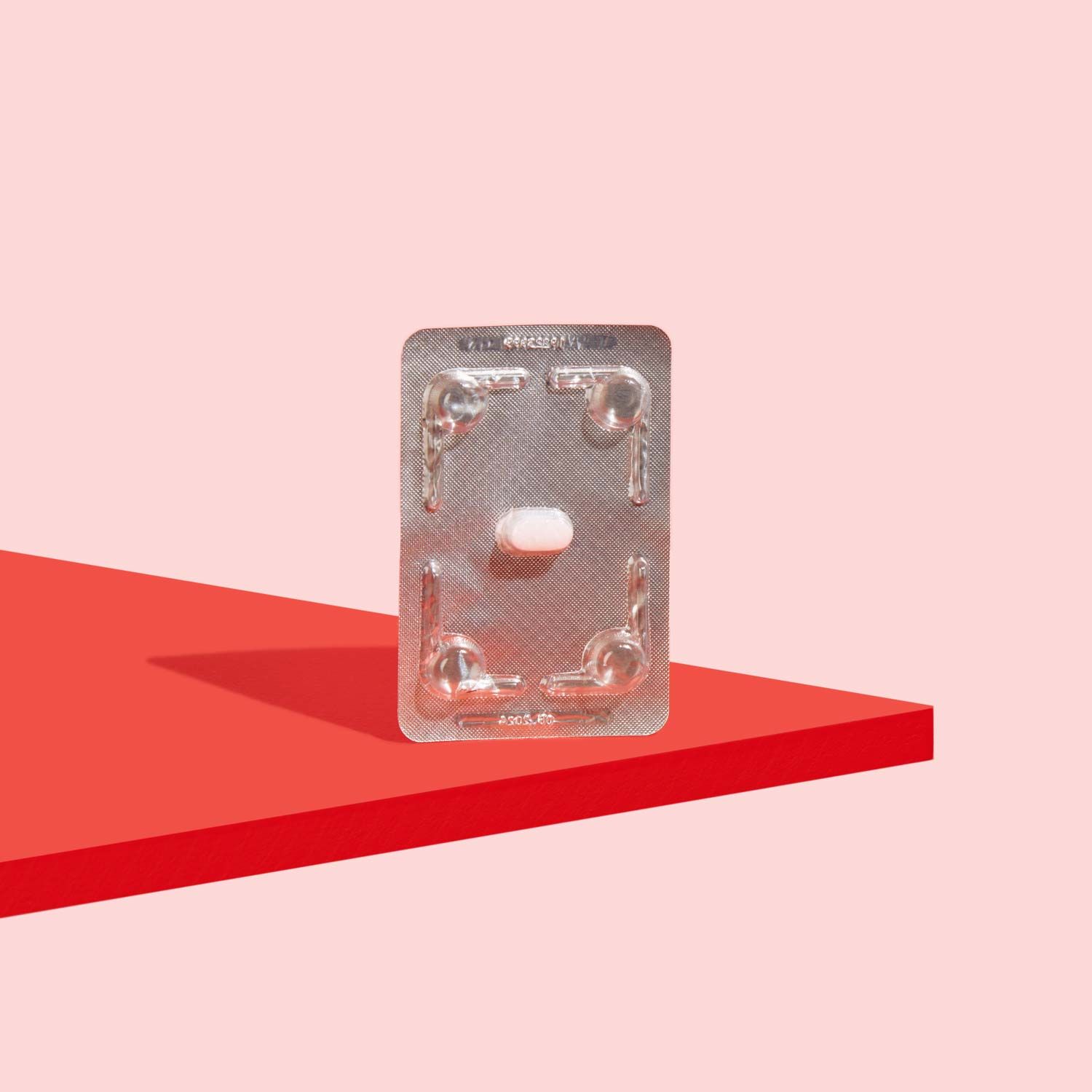
Diflucan, Generic Fluconazole (Yeast Antifungals)
Starting at $45
Prescription antifungals used to treat vaginal yeast infections
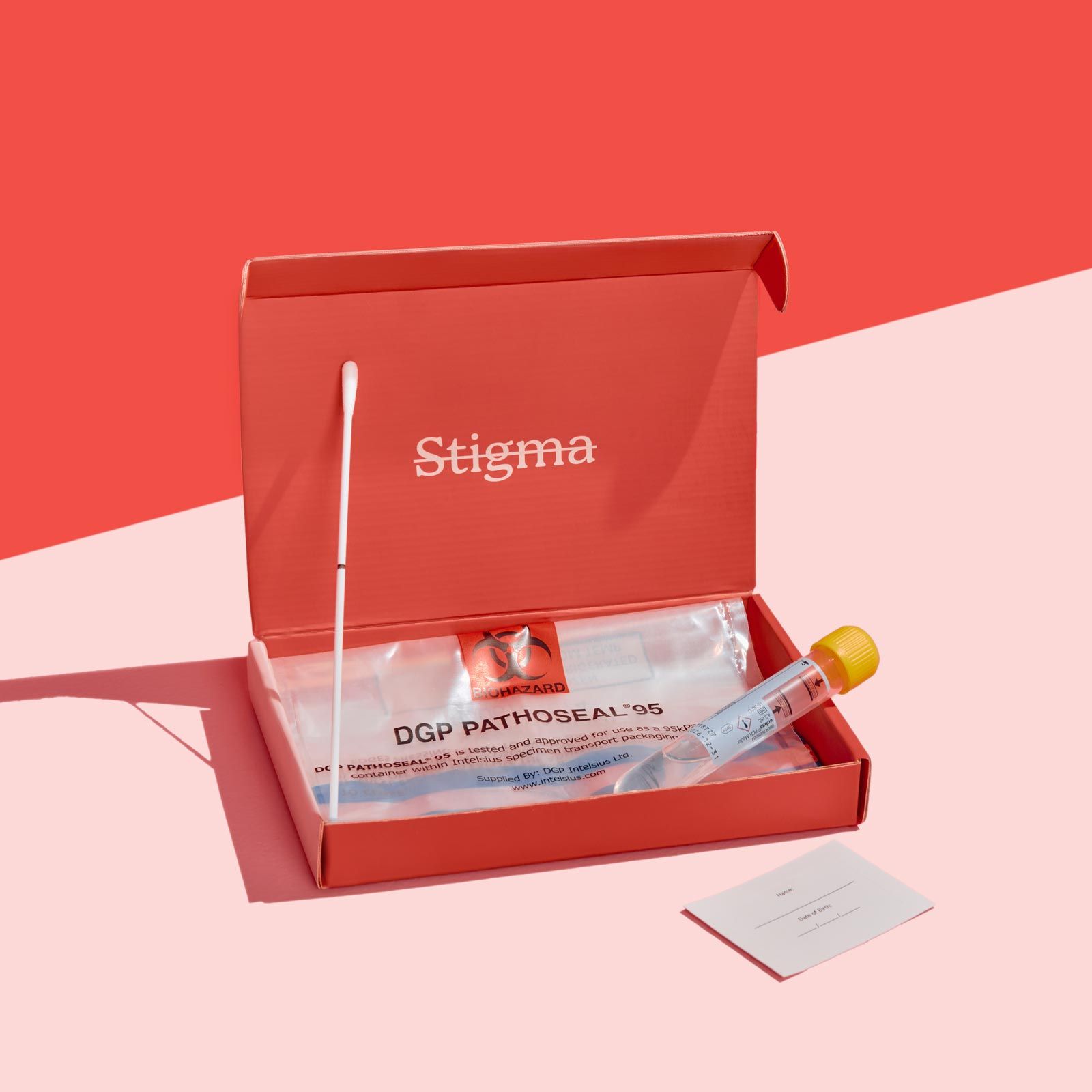
Vaginitis Test
$159
Test for the 10 most common disruptive microbes from the comfort of home with one swab.