Written by Kathleen Morrison
Medically Reviewed by Andrea Sleeth WHNP-BC, MSCP
Key takeaways
- You can test negative for bacterial vaginosis and still have it.
- Testing too soon after using vaginal products, during your period, or when bacterial levels are low can affect your BV test results.
- Standard BV tests may not detect all bacteria in the vagina that cause symptoms of bacterial vaginosis.
- Other vaginal infections, like a yeast infection, trichomoniasis, or STIs, can cause similar symptoms, which could be due to something other than BV.
- If you're still experiencing symptoms after a negative result, retesting or trying a different testing method can help you get accurate answers.
You know your body. So when you're dealing with that telltale vaginal discharge with a fishy odor, itching, or irritation, you're pretty sure something's off.
You get tested for bacterial vaginosis... and the result comes back negative. Wait, what?
If this sounds familiar, you're not alone. You can test negative for BV and still have it. A false negative BV test is more common than you might expect, and understanding why it happens can help you get the right treatment for BV.
Can you test negative for BV and still have symptoms?
Yes, you can test negative for BV and still have symptoms.
BV tests aren’t perfect, and results don’t always capture what’s actually happening in your body at that moment.
BV symptoms can still be very real even when a test says “negative." These often include:
- Unusual discharge
- Odor
- Irritation
If something feels off, it’s valid to keep asking questions or look at other possibilities.
What causes a 'false' negative BV test?
If your symptoms are loud and clear but the test says otherwise, it helps to understand why a test can come back negative even when something’s still going on.
Standard BV tests can miss things
Standard BV tests aren't perfect. Most clinics use microscope examination or pH testing, which catch the majority of cases—but not all of them.
The Amsel criteria, a common diagnostic method, require four specific findings:
- Thin gray vaginal discharge
- Fishy odor (checked with a whiff test)
- Vaginal pH above 4.5
- Clue cells under a microscope.
Missing just one criterion can lead to a negative result even when bacterial vaginosis is present.
Not all BV involves the same bacteria
Some tests only look for Gardnerella vaginalis, the most common bacterium associated with BV.
But...multiple bacterial species can contribute to this common vaginal infection. If your infection involves less common bacteria, standard tests might not be able to detect them.
A PCR test or an at-home vaginal microbiome test can offer better detection.
Timing can affect your results
Your vaginal microbiome shifts throughout your menstrual cycle. Testing right after your period, after sex, or following douching or vaginal product use can temporarily change pH and bacterial levels.
All that can make BV harder to pick up on a test.
Sample collection isn’t always perfect
Sample collection matters, too. If the swab doesn't reach the right areas or doesn't collect enough discharge, the test might not detect existing bacteria.
Some people naturally produce less vaginal discharge, making it harder to take a sample that tells the whole story.
Recent antibiotics can skew results
Recent antibiotic use for other infections can temporarily suppress BV-causing bacteria without fully eliminating them. Testing too soon after finishing antibiotics might show a negative result while the bacterial imbalance is still building back up to symptomatic levels.
Most providers recommend waiting at least 7 days after completing antibiotics before BV testing.
Could something else be causing your symptoms?
What feels like BV could also be something else entirely. Many vaginal infections share overlapping symptoms, making self-diagnosis tricky. Understanding these conditions can help explain why your BV test came back negative while symptoms persist.
Yeast infections
Yeast infections can look a lot like BV at first glance. You might notice changes in discharge, irritation, or vaginal discomfort, which makes it easy to mix the two up.
To complicate things further, mixed infections are common.
Many people with BV also have yeast overgrowth at the same time.
In those cases, testing may catch one condition but miss the other, leaving you treated for BV while symptoms stick around.
What distinguishes yeast infections from BV:
- Thick, white, cottage cheese–like discharge
- Usually no fishy odor
- More intense itching and irritation
Sexually transmitted infections with similar symptoms
Some STIs overlap heavily with BV symptoms, which can make diagnosis tricky.
Trichomoniasis, in particular, often causes thin discharge and a fishy smell, so it can feel almost identical to BV. Other STIs that many often confuse with BV include chlamydia and gonorrhea.
Another important group to consider is Mycoplasma and Ureaplasma. These are naturally occurring genitourinary bacteria that can be present without causing symptoms.
However, factors like sexual activity or changes in the vaginal environment may contribute to bacterial overgrowth, which can lead to symptoms similar to BV.
If Mycoplasma hominis or Ureaplasma show up on a test but you’re not having symptoms, treatment usually isn’t needed. For a lot of people, these bacteria can just hang out as part of the normal genital microbiome without causing problems. So, antibiotics aren’t automatically the answer.
Treatment is more likely to be considered if you are having symptoms or if you’re actively trying to conceive, since an overgrowth can sometimes get in the way of fertility goals.
One important exception: Mycoplasma genitalium is a different situation altogether and is typically treated when detected.
Now, back to BV, if BV tests repeatedly come back negative, STI testing may be an important next step.
What distinguishes STIs from BV:
- Trichomoniasis may cause greenish, frothy discharge and more intense itching
- Chlamydia and gonorrhea may be linked to pelvic pain, fever, or bleeding
- Mycoplasma and Ureaplasma are less likely to cause the strong fishy odor and are more commonly associated with urinary discomfort or persistent irritation
- Standard BV tests do not detect STIs
If you're sexually active, have a new partner, or notice symptoms like fever or pelvic pain, it's worth getting a full STI panel.
If your symptoms lean more toward persistent urinary discomfort and irritation, a Mycoplasma & Ureaplasma test can be considered as well.
Cytolytic vaginosis and other conditions
Sometimes symptoms that feel infectious aren’t caused by harmful bacteria at all.
Cytolytic vaginosis happens when there’s too much good bacteria (Lactobacillus), making the vagina overly acidic.
This can trigger itching and discharge similar to BV or yeast infections, but routine BV testing won’t flag it because the bacteria present are considered normal.
Inflammatory vaginitis or reactions to products can also cause BV-like symptoms without showing up on tests.
What distinguishes cytolytic vaginosis from BV:
- Caused by excess Lactobacillus, not harmful bacteria
- Vaginal pH is often lower (more acidic), not higher
- Standard BV tests may appear normal
If your symptoms don’t match your test results, it’s not in your head. Sometimes it just takes a little deeper digging to get the full picture.
Getting an accurate diagnosis for your vaginal health
Finding the real cause of your symptoms might take a little persistence. Don't give up if initial tests come back negative.
Your symptoms are valid, and the right healthcare provider will help you find answers.
When to make an appointment with a specialist
Persistent symptoms, often after two negative tests, warrant a specialist consultation. Consider seeing a specialist if:
- Your symptoms last over three months
- Symptoms recur monthly
- You experience recurring BV or yeast infection episodes four or more times per year
- Symptoms don't respond to prescribed treatments
- If you're pregnant or expecting, as BV can increase the risk of complications
Supporting your vaginal health while you figure things out
While you're working on getting an accurate diagnosis, there are some things you can do to help manage vaginal health and support your vaginal flora:
- Avoid douching or using harsh products
- Wear breathable cotton underwear
- Use a gentle, pH-balanced wash for your external vaginal area
- Don't try to treat BV with over-the-counter products until you have a confirmed diagnosis
Trust your body, get the answers you deserve
Understanding that you can test negative for BV and still have it validates your experience and guides you toward proper care. False negatives happen, and your symptoms deserve attention regardless of initial test results.
Taking charge of your vaginal health means trusting your body's signals and advocating for comprehensive care.
Wisp makes it easy to get answers: whether you need prescription antibiotics, at-home testing, or a consultation with a licensed provider. With us, you can order online, and a prescription can be sent same day to the pharmacy or discreet home delivery.
Get the care you need without missing a beat!
Wisp treatment options are available only after consultation with a licensed medical professional. You should consult with your healthcare provider before starting a new supplement or treatment regimen. Individual results may vary.
This blog post is for informational and educational purposes only and should not be taken as professional advice. Always consult with a qualified professional before making any decisions based on the information provided here.
Trusted Treatments

BV Antibiotics (Tablets or Gel)
Starting at $15
Request topical or oral prescription antibiotics to treat bacterial vaginosis.

Vaginitis Test
$159
Test for the 10 most common disruptive microbes from the comfort of home with one swab.
5-Panel STI Test
$179
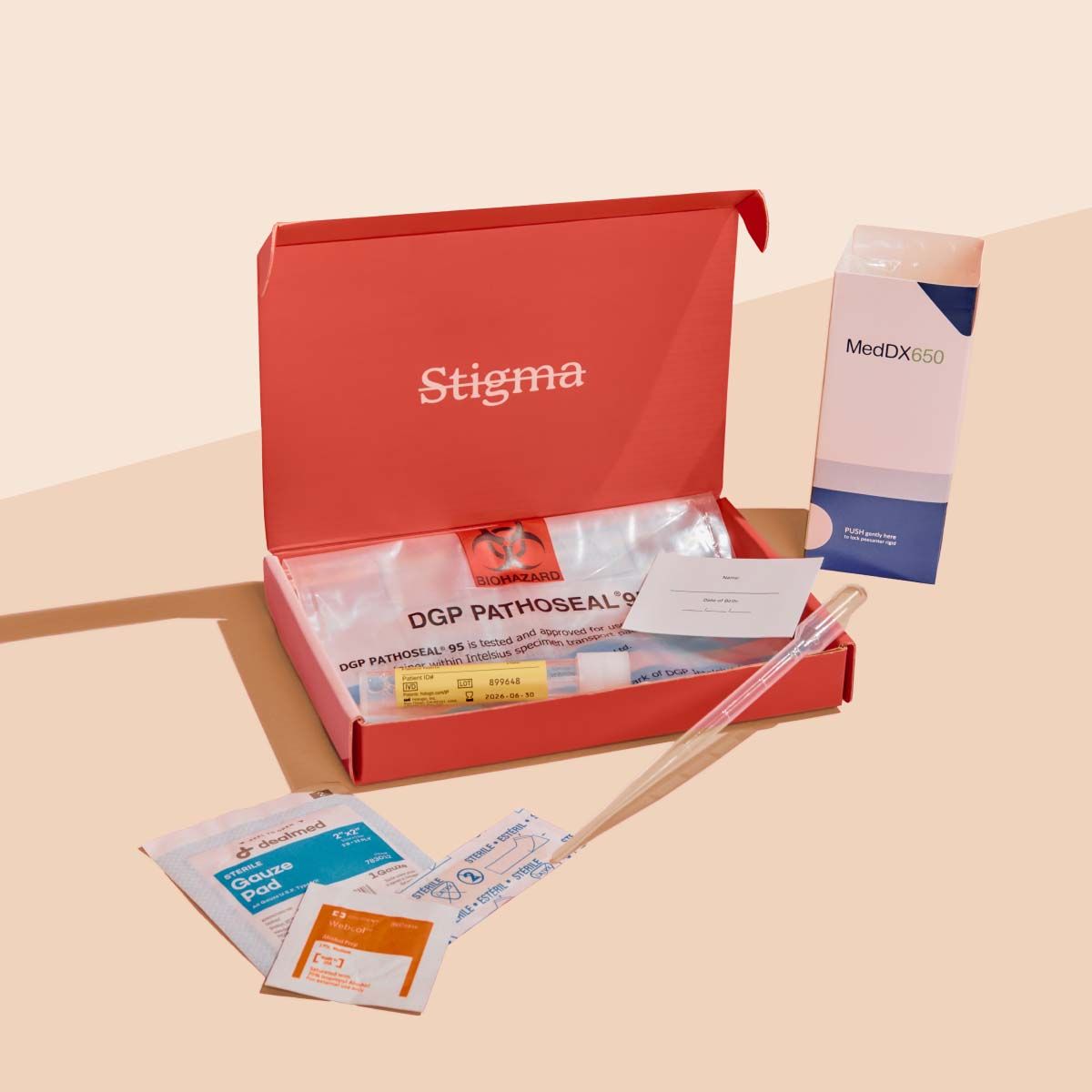
Take charge of your sexual health from home with this expanded at-home, urine and blood test kit. Consult and treatment included if necessary.

At-Home Vaginal Microbiome Screen by Daye
$125
Understand your vaginal microbiome balance and risk of infections using a non-invasive at-home tampon collection kit.