Fluconazole vs. Monistat:
Which One Is Right for You?
Published on May 5, 2026
Written by Kathleen Morrison
Medically Reviewed by Andrea Sleeth WHNP-BC, MSCP, a healthcare provider affiliated with Wisp
Key takeaways
- Fluconazole is a prescription oral antifungal that treats yeast infections from the inside out
- Monistat (miconazole) is an over-the-counter topical treatment applied directly to the affected area
- Both have similar cure rates for uncomplicated yeast infections; the main differences are convenience, timing, and how you access them
- Monistat can start calming external itching within hours, while fluconazole typically brings noticeable relief within 24 to 48 hours
- If you're pregnant, topical treatments like Monistat 7 are generally preferred over oral antifungal medication
Trying to decide between fluconazole and Monistat for a yeast infection? Both work well for most uncomplicated infections, but they go about it differently.
Fluconazole is a prescription antifungal treatment that works from the inside out, while Monistat (miconazole) is an over-the-counter cream or suppository that tackles symptoms right where they appear.
The best pick comes down to where your symptoms are, your lifestyle, any medications you take, and your infection history. Fluconazole eases symptoms in around 24 to 48 hours; Monistat can calm external itching faster, though topical treatments can feel a bit messy to apply. Both are effective, and neither is universally better than the other.
If you notice pain, fever, a strong odor, or no improvement by day three of treatment, it's worth checking in with a healthcare provider. It might not be yeast.
Wisp treatment options are available only after consultation with a licensed medical professional. You should consult with your healthcare provider before starting a new supplement or treatment regimen. Individual results may vary.
Your 101 on oral and topical options
When you're dealing with a yeast infection, you've got two main approaches: oral or topical antifungals. Knowing how each works makes it a lot easier to figure out what feels right for you.
Oral antifungals work from the inside out. You take a pill, it enters your bloodstream, and targets fungal cells throughout your body. A lot of people love the simplicity of a single-dose oral option.
Topical treatments go straight to the source. Creams, ointments, and suppositories deliver antifungal medication directly to vaginal tissue, often easing itching and irritation quickly. Popular OTC options include Monistat 3, Monistat 7, Vagistat 1, and Gyne-Lotrimin.
Both approaches work to help manage how you’re feeling. The choice usually comes down to personal preference, timing, and what fits your body and lifestyle. Some people love the convenience of one pill. Others prefer a cream or suppository they can grab from the pharmacy without a prescription.
Wisp is not affiliated and does not sponsor or endorse any company names, logos, or brands shown or mentioned. All product names, logos, brands, and other trademarks or images shown or mentioned are the property of the respective brand owners and are only used to identify the products and services of their respective owners.
What is fluconazole?
Fluconazole is a prescription antifungal tablet used for vaginal yeast infections. It targets Candida albicans, the most common yeast culprit, and belongs to a class called azole antifungals. For most typical infections, a single 150 mg tablet is all it takes, sometimes (if needed) followed up with a second dose after two days.
How fluconazole works and dosing
Fluconazole attacks fungal cells from the inside by blocking an enzyme fungi need to build their cell walls, weakening them until they can't survive. You take one tablet with or without food, and it reaches peak levels in your bloodstream within a couple of hours, continuing to work for several days. For more stubborn or recurrent infections, your healthcare provider may adjust the dose or schedule based on your specific needs.
Extended use, such as weekly maintenance therapy, isn't the standard approach and should always be guided by a healthcare provider.
Side effects to be aware of
Most people tolerate fluconazole well. Common side effects include:
- Headache
- Nausea
- Abdominal discomfort
- Diarrhea
- Skin rash
Less common but serious side effects include liver issues (yellowing of the skin or eyes), severe skin reactions, heart rhythm changes, and allergic reactions. Fluconazole can also interact with blood thinners, certain heart medications, and some antibiotics, so always let your healthcare provider know about everything you're taking before starting treatment.
This is not a complete list of risks and side effects, and others may occur. If symptoms worsen or you notice signs of an allergic reaction, contact a provider right away.
First-line use
For uncomplicated vaginal yeast infections, fluconazole is a first-line option alongside topical treatments. It's effective, simple, and well-studied. Healthcare providers may also prescribe it for more complex cases or longer courses for recurrent yeast infections (four or more episodes a year) under professional guidance.
What is topical miconazole?
Miconazole is the active ingredient in Monistat and similar over-the-counter vaginal antifungal products. It is FDA-approved for vaginal yeast infections and has been available over the counter for years.
Applied directly to the affected area, it's a localized treatment that doesn't require a prescription or an appointment. You can pick it up at most pharmacies today.
How Monistat works and dosing
Topical miconazole disrupts the fungal cell membrane right where the infection lives, rather than working through the bloodstream. Monistat comes in a few formulations:
- Monistat 1: Single-dose suppository with the highest concentration per dose
- Monistat 3: Three-day treatment with moderate concentration
- Monistat 7: Seven-day treatment with a lower concentration per dose, typically gentler on sensitive tissue
Most formulations include an external cream for immediate itch relief. Application usually happens at bedtime: insert the suppository using the applicator and apply the external cream to the vulva for symptom relief.
Side effects to know
Topical miconazole generally causes fewer systemic side effects than oral medication, since most reactions are local and mild.
These can include vaginal burning or irritation, temporary itching (sometimes worse initially), redness or swelling, abdominal cramping, and headache. Most discomfort fades within a day or two. If irritation becomes severe or symptoms worsen, stop use and check in with a healthcare provider.
How effective are they, and how fast do they work?
Fluconazole and Monistat are both reliable choices for common vaginal yeast infections. The real differences come down to how quickly you feel relief and how you use them.
Monistat can start calming external itching within hours since the cream works on contact. Internal symptoms typically take a few days to fully improve, regardless of which treatment you choose.
Fluconazole works through the bloodstream, so most people notice improvement within 24 to 48 hours, with complete relief following over the next few days. Neither option is universally stronger. It really does come down to what works for your routine and your body.
Pregnancy considerations
If you're pregnant, topical treatments are the safest option. Oral fluconazole during pregnancy has been associated with potential complications, particularly when taken in the first trimester or at higher or repeated doses, so it's best avoided unless your doctor specifically advises otherwise.
*Wisp does not provide yeast treatment during pregnancy. If you’re pregnant or think you might be, an in-person health care provider or OB-GYN is the best next step.
Recurrent infections
If you're dealing with four or more yeast infections a year, that's recurrent vulvovaginal candidiasis, and a standard single-infection approach may not be enough. Treatment strategies for recurrent infections can include longer initial courses of antifungal medication, weekly maintenance therapy for several months, and investigating underlying factors like diabetes or immune system issues.
Recurrent infections sometimes involve non-albicans Candida species, which don't always respond to standard treatments. Testing can help identify the exact yeast type and guide the most effective plan.
Choosing between oral and topical treatment
Both fluconazole and Monistat work well for most uncomplicated yeast infections, so the decision really comes down to convenience, timing, and what fits your life.
Cost and convenience
Monistat is available over the counter at most pharmacies without a prescription, and generic miconazole options are generally affordable.
Fluconazole is also available as an inexpensive generic, but it requires a prescription, which may involve a telehealth visit. Taking the online route, with Wisp, makes getting that prescription straightforward and pretty quick, often within a few hours.
For convenience, fluconazole is one pill and done. No creams, and definitely no sleeping with a pad. Monistat, on the other hand, you can start tonight without waiting for anything.
When oral works best
Fluconazole is a good fit if:
- You want single-dose simplicity
- You've had confirmed yeast infections before and recognize your symptoms
- Vaginal creams aren't your preference
- You don't have medication interactions to consider
- You're not pregnant
When topical works best
Monistat is the better option if:
- You need treatment right away without a prescription
- You're pregnant (Monistat 7 is generally preferred, with provider guidance)
- You're concerned about oral medication side effects or interactions
- You take medications that interact with fluconazole
- You prefer applying treatment directly
The yeast care lowdown
Picking between fluconazole and Monistat comes down to what fits your body, your schedule, and your comfort.
Both can help clear most typical yeast infections with similar success rates. Fluconazole gives you one-dose simplicity through a prescription; Monistat offers quick, over-the-counter relief right where you need it.
If you're unsure which route to take, or if symptoms stick around after three days of treatment, it's worth getting checked. What feels like a yeast infection could actually be bacterial vaginosis, an STI, or another condition that needs a different approach.
Wisp makes it easy to connect with a licensed provider and get prescription antifungal treatment, with prescriptions sent to your local pharmacy quickly (and you don't even have to leave the couch).
Most prescriptions are sent to your pharmacy within 3 hours of completing your medical intake form and phone call or video chat when necessary. Pending retail pharmacy hours.
This blog post is for informational and educational purposes only and should not be taken as professional advice. Always consult with a qualified professional before making any decisions based on the information provided here.
Trusted Treatments
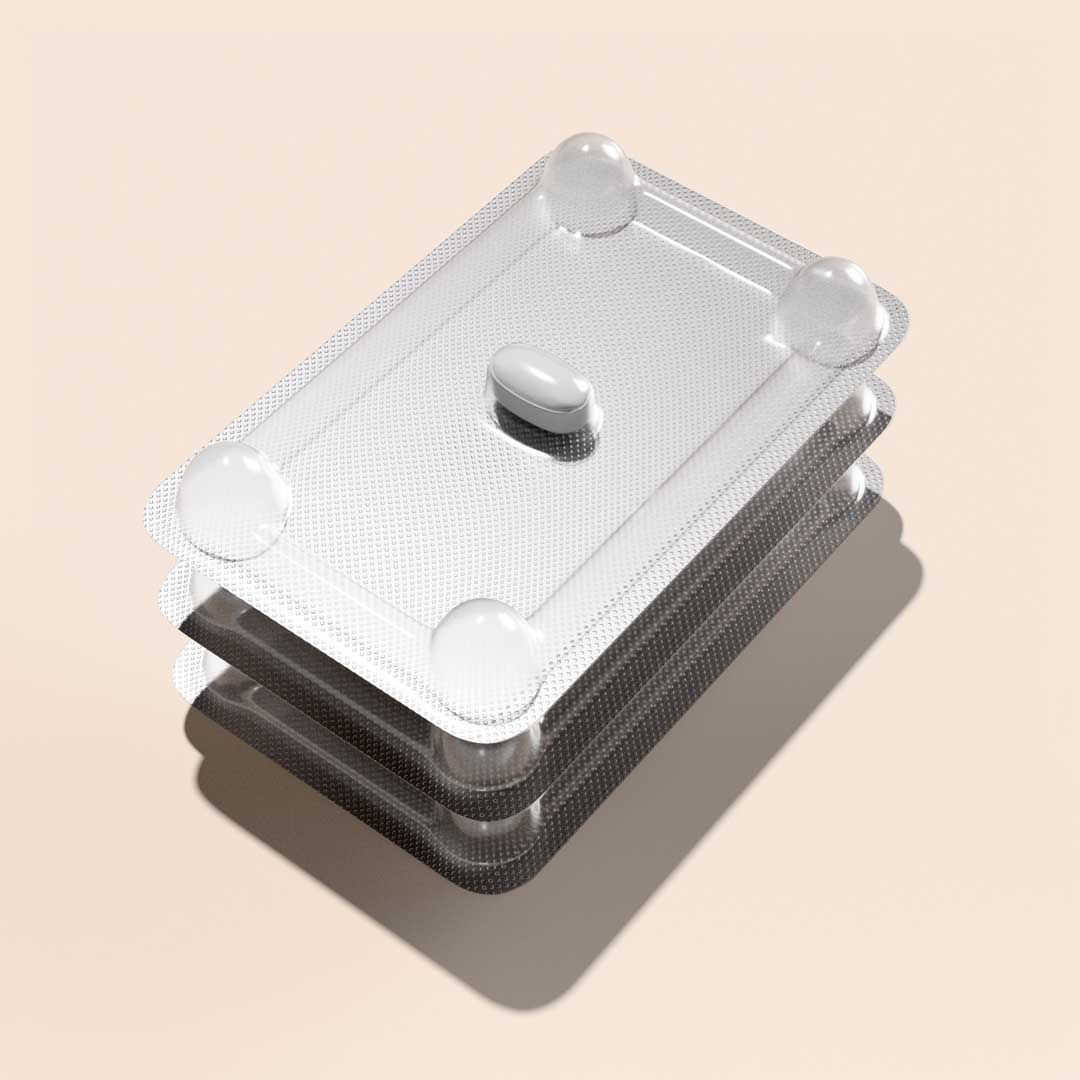
Diflucan, Generic Fluconazole (Yeast Antifungals)
Starting at $45
Prescription antifungals used to treat vaginal yeast infections
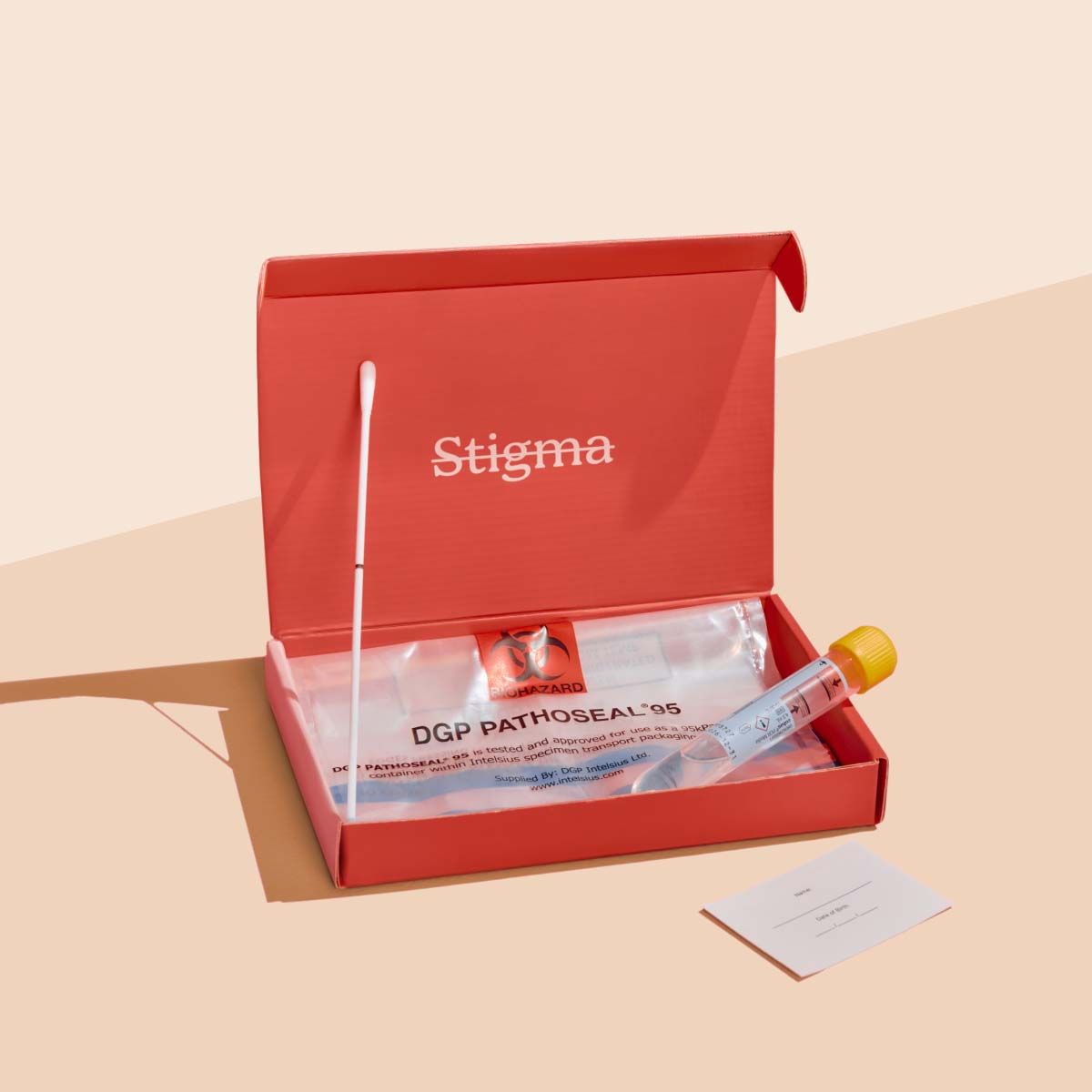
Vaginitis Test
$159
Test for the 10 most common disruptive microbes from the comfort of home with one swab.