Written by Kathleen Morrison
Medically Reviewed by Andrea Sleeth WHNP-BC, MSCP
Key takeaways
- Glutathione is often called the body's "master antioxidant"—it helps neutralize free radicals, manage oxidative stress, and support cellular health.
- The potential benefits of glutathione include supporting immune function, cellular detox, mental clarity, and energy levels.
- Your body naturally produces glutathione, but levels decrease with age, stress, and toxin exposure, which is why supplementation with glutathione may help.
- Delivery method matters: subcutaneous (injectable) glutathione and nasal sprays bypass digestion, which may support better absorption than oral glutathione.
- Always chat with a healthcare provider before starting glutathione therapy.
What if one tiny molecule could help support your body against daily oxidative stress, help your immune system, and help keep you feeling more energized?
Glutathione is an antioxidant produced naturally in your liver, and it plays a huge role in helping keep your cells happy and healthy. It's involved in everything from neutralizing reactive oxygen species (those pesky free radicals) to supporting your body's natural detox pathways.
But your body's glutathione doesn't stay constant forever. Stress, poor sleep, aging, and exposure to toxins can all lead to glutathione depletion. And when your levels drop? You might notice it in your energy, mental clarity, or how you bounce back from everyday stressors.
Thankfully, there are ways to support glutathione levels in the body, such as lifestyle and dietary changes, and supplementation options such as glutathione injections and nasal sprays.
That said, let’s break down some of the top glutathione benefits being explored, how this powerful compound may help with overall health and wellness, and how to help support levels in the body.
What is glutathione, and how does it work?
Glutathione is a tripeptide, which is just a fancy way of saying it's made from three amino acid building blocks:
- Cysteine
- Glycine
- Glutamic acid
Your liver handles most of the production of glutathione, and this powerful antioxidant exists in nearly every cell.
So how does glutathione work? The role of glutathione centers on electron donation. When reactive oxygen species threaten your cells, glutathione steps in and neutralizes them, helping to manage oxidative stress.
What makes this antioxidant special is its recycling ability. After neutralizing a threat, oxidized glutathione can be converted back to its active form through an enzyme called glutathione reductase. This means your body can keep reusing it as long as you have adequate levels.
Glutathione also plays a role in recycling vitamins C and E, which is why it's often called the body's "master antioxidant."
5 glutathione benefits for overall health and wellness
Okay, so you know glutathione is important, but what can it actually do for you? Here's how glutathione can help:
1. Supporting immune function
Your immune system relies on a network of cells that communicate, activate, and respond to threats. White blood cells, especially lymphocytes, use glutathione to function properly.
When glutathione levels are adequate, immune cells may work more efficiently and maintain better signaling and defense responses. On the other hand, lower glutathione levels can be associated with impaired immune cell activity.
2. Supporting cellular health against oxidative stress
Every day, your body produces free radicals during normal metabolism—basically, unstable molecules that can damage cells if they build up too quickly. Glutathione helps neutralize these molecules before they cause harm.
For this reason, some limited research on oral glutathione has explored how it may support the body’s response to oxidative stress, which is often linked to inflammation and cellular damage.
3. Supporting cellular detox processes
Your liver already has a full to-do list, and glutathione is one of the tools that helps it get through the workload.
You see, the liver processes everything from medications to environmental exposures to byproducts of normal digestion.
Glutathione plays a central role in phase II liver detoxification, where it binds to certain compounds so they can be safely eliminated from the body.
4. Helping boost energy and mental clarity
Remember that biology lesson? Mitochondria are the powerhouse of the cell. Your teacher wasn’t being dramatic; these tiny structures are where your cells produce energy.
Glutathione helps support mitochondrial health by addressing oxidative stress, which may support healthy cellular energy production. When mitochondrial function is disrupted, you may experience fatigue or reduced mental clarity.
Think of it as helping your cells keep the lights on, so you’re less likely to feel like your brain is running on low battery halfway through the day.
5. Supporting skin health
Glutathione has also been studied for its potential role in skin health, particularly due to its antioxidant properties.
Glutathione may influence skin brightness, elasticity, and hydration, though results across studies are mixed.
Because findings vary, experts typically recommend speaking with a health care provider before using glutathione supplements for cosmetic purposes.
In other words, promising for some people, but not a magic wand.
Natural ways to help increase glutathione levels
Before exploring glutathione supplements, know that your body can produce glutathione when you give it the right building blocks:
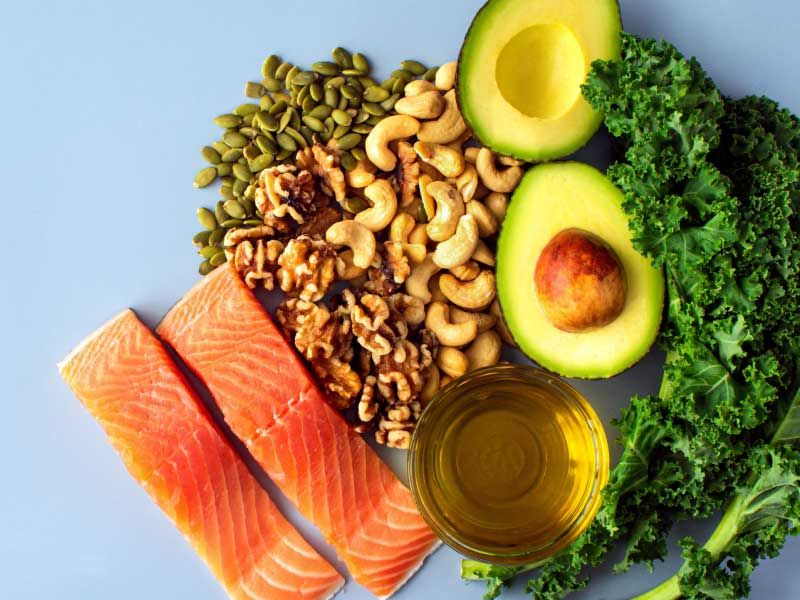
- Eat sulfur-rich foods. These provide the amino acid precursors your body needs to make glutathione. Add cruciferous vegetables like broccoli, Brussels sprouts, and cauliflower to your diet.
- Move your body. Regular moderate exercise may help support the production of glutathione over time.
- Prioritize sleep. Sleep quality directly impacts your body's ability to produce antioxidants, including glutathione.
- Manage stress. Chronic stress can lead to glutathione depletion. Finding ways to decompress helps keep your levels balanced.
That said, sometimes lifestyle changes aren't enough to raise glutathione levels, especially if you're dealing with higher oxidative stress, inflammation, or conditions like insulin resistance or liver disease.
Glutathione supplementation options for an extra boost
When diet and lifestyle aren't enough, glutathione supplementation can help. But not all delivery methods are created equal.
- Oral glutathione: Supplements have historically faced absorption challenges since the molecule can be broken down in the digestive system. This form may still offer benefits, but efficacy can vary.
- Liposomal glutathione: Encases the molecule in tiny fat bubbles that help protect it through digestion, potentially improving absorption.
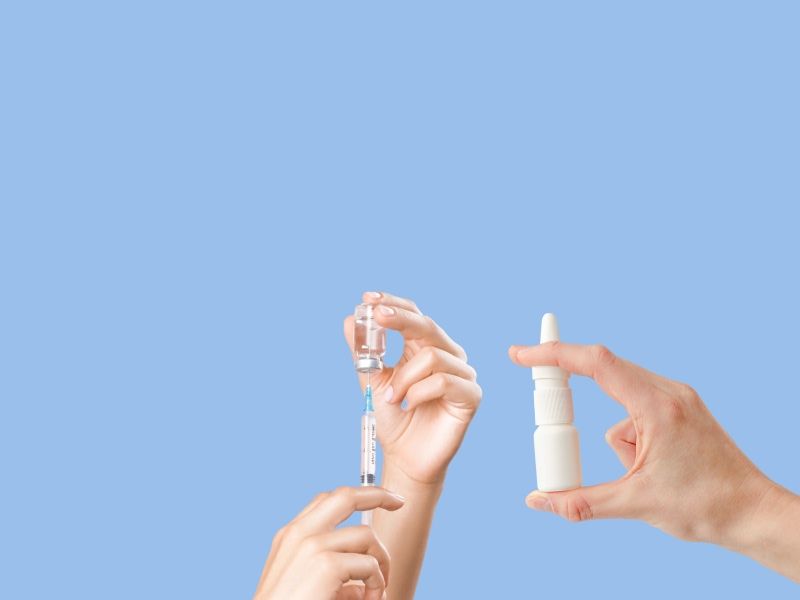
- Injectable glutathione: Injection glutathione is used off-label for general antioxidant support. It provides the highest bioavailability by bypassing digestion entirely.
- Nasal spray glutathione: Bypasses the gut and delivers glutathione directly through the nasal passages, supporting your upper respiratory tract while providing systemic antioxidant benefits.
- NAC (N-acetylcysteine): Supplies cysteine, often the limiting factor in synthesis. Instead of taking the antioxidant directly, NAC gives your body raw materials to make its own.
Safety and side effects of glutathione
Glutathione is generally well-tolerated but may have interactions with a number of other drugs. It may interact with specific medications, including chemotherapy drugs, which could potentially impact their effectiveness.
Potential side effects include:
- Increased gas and bloating
- Mild headache or skin flushing
- Temporary changes in zinc levels with long-term use
- Loose stools
- Cough or difficulty breathing after inhaling glutathione mist
- Allergic reactions such as hives, itching, rashes, etc (contact your doctor right away)
This is not a complete list of risks and side effects, and others may occur. If symptoms worsen or you notice signs of an allergic reaction, contact a provider right away.
People with asthma and those with sulfur allergy should not use glutathione. This product is not recommended for patients undergoing chemotherapy or for those who have G6PD deficiency.
If you're pregnant, breastfeeding, or managing a chronic condition, check with a licensed provider first.
And, finally, while glutathione is safe for many people, the effectiveness of glutathione therapy can vary based on your individual health, delivery method, and dosage.
Feel your best with glutathione support
Understanding glutathione gives you practical knowledge for supporting your body's natural defenses. This master antioxidant works hard behind the scenes: neutralizing free radicals, supporting your immune system, and helping your cells perform their best.
Start with the basics: eat your veggies, prioritize sleep, move your body, and manage stress. And when you're ready for more targeted support, Wisp offers options like glutathione injections or glutathione nasal spray that can deliver this powerful antioxidant directly where your body can use it.
Ready to take charge of your cellular health? Wisp makes it easy to connect with licensed providers online for straightforward care shipped free to your door.
These statements have not been evaluated by the Food and Drug Administration. This product is not intended to diagnose, treat, cure, or prevent any disease. Individual results may vary.
This blog post is for informational and educational purposes only and should not be taken as professional advice. Always consult with a qualified professional before making any decisions based on the information provided here.
Longevity Peptides
Glutathione Injection
Starting at $125/ month
The most direct antioxidant support for cellular defense and detox.
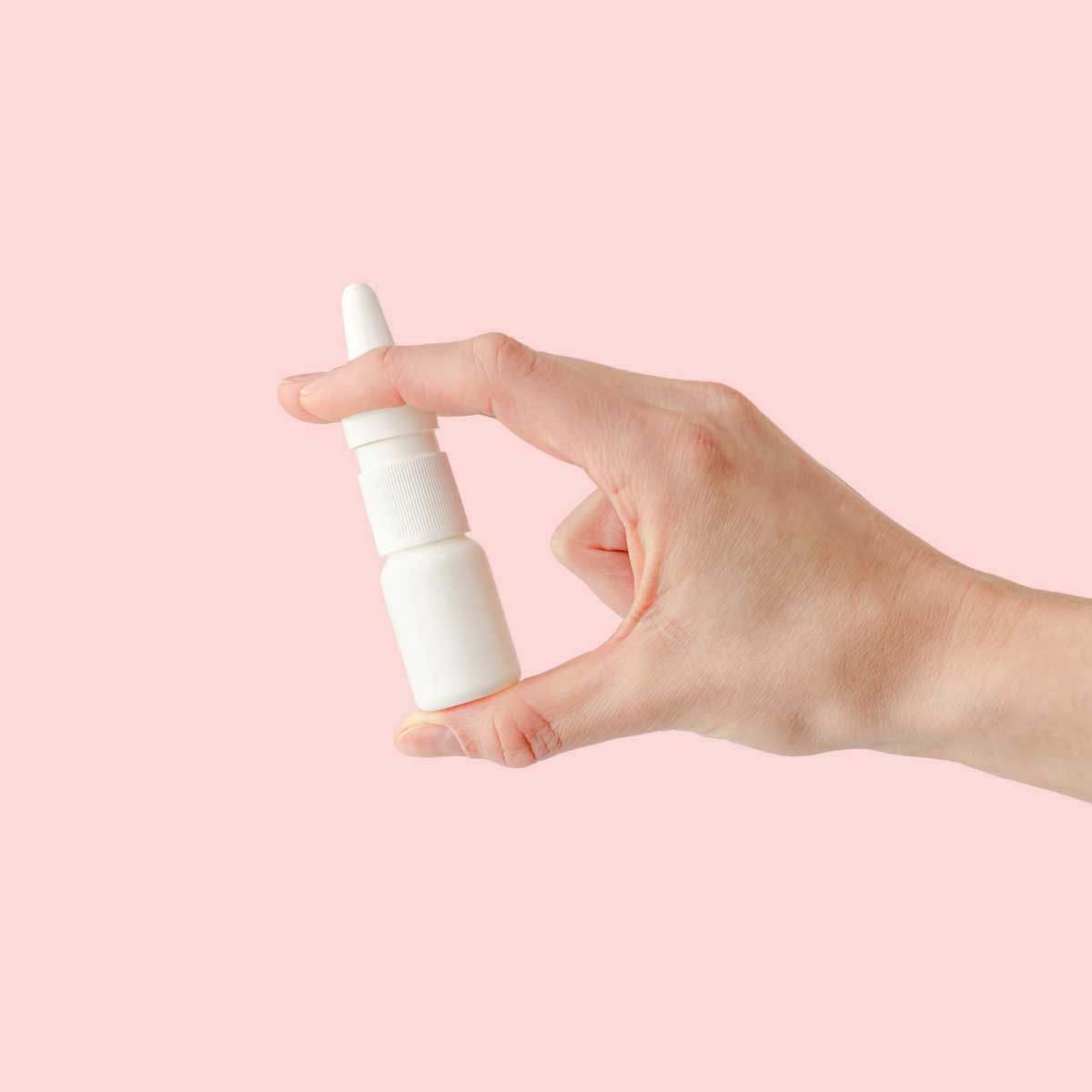
Glutathione Nasal Spray
Starting at $130
Daily antioxidant nasal spray to help address brain fog, oxidative stress, immune health, and more.