If I Slept With Someone With Herpes, Do I Have It Now?
Published on May 9, 2020
Updated on September 3, 2026
Written by Kathleen Morrison
Medically Reviewed by Dr. Shannon Chatham, DO, a healthcare provider affiliated with Wisp
Key takeaways
- Sleeping with someone who has herpes doesn’t automatically mean you have it. Transmission is possible, not guaranteed, from a single encounter.
- Your odds depend on outbreaks and asymptomatic shedding, the type of herpes virus involved, barrier use, and whether your partner takes daily prescription antivirals.
- Most people who have genital herpes don’t know they have it, so you may not be able to tell by looking or by feel.
- A type-specific antibody blood test is most accurate around 12 weeks after exposure, while a swab of an active sore can confirm herpes sooner if you have symptoms.
- There’s no cure for herpes, but prescription antivirals and barriers can help manage symptoms and the risk of passing it on.
You’re wondering, “If I slept with someone with herpes, do I have it now?” The short answer is no, not automatically. One encounter doesn’t guarantee transmission. Your risk of contracting herpes depends on a handful of things, including whether your partner had an active outbreak, the virus involved, whether they take daily prescription antivirals, etc.
And the only way to know for sure is testing, after a waiting period (more on that in a sec).
Now, the thing is, herpes is wildly common. So if you or your partner has it (or might have it), you’re definitely not alone.
The truth is, the more real information you have, the more empowered you’ll feel in your sex life. You deserve to feel confident, cared for, and informed about your body and relationships. No shame, just real talk.
And if something already feels off, an online symptoms quiz is a low-pressure place to start.
Wisp treatment options are available only after consultation with a licensed medical professional, if medically appropriate. You should consult with your healthcare provider before starting a new supplement or treatment regimen. Individual results may vary. Must be 18 or older. For medication details and risks, see site for details.
How does Herpes spread?
Here’s how it works: the herpes simplex virus spreads through close skin-to-skin contact while the virus is active. That might be when there’s a visible sore, or… even when there’s not.
Yep, the virus can still be hanging out even if everything looks totally fine. That’s why it’s helpful to pay attention to little things like tingling, itching, or skin that just feels a bit off.
Herpes transmission can happen through kissing, oral, vaginal, or anal sex—basically, any kind of intimate contact where skin touches skin. Unprotected sex raises the odds, but even with protected sex, barriers don’t cover every part of your body that can carry the virus.
Unfortunately, innocent contact like sharing your lip balm could also cause trouble, so you’ll need to be extra aware when you have symptoms.
And FYI, the fluid inside herpes blisters (like cold sores) carries a lot of the virus, so touching or rubbing against that area (even without a visible blister) is one way it can move from one person to another.
What are your chances of getting herpes from an infected partner?
Sleeping with a person with herpes does not mean you’ll catch it. Having herpes does not mean automatic transmission, either. It’s possible, not inevitable.
There are a bunch of things that can influence how likely it is to pass the herpes virus between sexual partners, and it’s not just about visible symptoms.
Here’s what may play a role:
- How often outbreaks happen: More frequent flare-ups can increase the chances.
- Asymptomatic shedding: The virus can be contagious even when there’s no sore in sight, which is why “it looks fine” isn’t a green light.
- Which HSV type is involved: HSV-1 and HSV-2 behave a little differently, and the type of herpes virus (plus whether the contact was mouth-to-genital or genital-to-genital) shifts the odds.
- Barriers and daily meds: Condoms, dental dams, and daily prescription antivirals (sometimes called suppressive therapy) can each help manage the risk.
- Your overall health: A strong immune system may help your body handle the virus better.
- Biological sex: People with vulvas have a somewhat higher chance of catching HSV-2 from a partner, largely because of how genital tissue works.
- Timing matters: The virus is most active during an outbreak, so a little planning goes a long way.
So can you have sex with someone who has herpes and not catch it? Yes. Plenty of couples do, for years, without either person passing it on. At the end of the day, open conversations and thoughtful timing can go a long way in keeping intimacy stress-free and informed.
What should I do if someone I hooked up with tells me they have herpes?
First, don’t freak out. Hooking up with someone who has herpes does not mean you have herpes. And don’t shame your partner for letting you know! Yes, it would’ve been better had they told you beforehand, but now you can move the conversation forward to create a basis of trust and honesty, particularly if you plan on dating this person.
Even if your encounter was a one-night stand, there is a strong chance you’ll come across someone else down the line in your personal life who has herpes. A good place to start is by gathering a little more information, like:
- How long has your partner been diagnosed?
- Do they know their own body and the warning signs of an outbreak?
If you feel comfortable doing so, going to a provider together to ask questions and learn more can be a great first step to staying informed about transmission (and a great way to bond!).
How long after exposure can you get tested for herpes?
This is the question that keeps people up at night, so let’s map it out. Testing too early is the single most common reason people end up with an answer they can’t trust.
Here's how the timeline typically plays out, from the moment of exposure to when a test can give you a reliable answer.
Exposure → symptoms → testing window
- Days 2–12 after exposure (if symptoms show up): When symptoms of genital herpes appear, they usually turn up about 2 to 12 days after contact with an infected partner. Early herpes symptoms can include tingling, itching, or burning, followed by blisters on or around the genitals, buttocks, or mouth. Some people also feel flu-ish, with fever, body aches, or swollen glands.
- While a sore is active (the swab): If you can see a sore, an at-home swab test of that sore is a reliable way to confirm herpes at that point. Don’t wait for it to heal, because the window for a usable sample is short.
- 12 weeks after exposure (the blood test): No symptoms? An in-person, type-specific IgG blood test looks for the antibody your immune system builds in response to the virus.
- American Sexual Health Association (ASHA) recommends waiting 12 to 16 weeks from your last possible exposure for an accurate, type-specific result, and notes that the tCDC considers testing done too soon after infection unreliable.
- Why testing too early misses it: A negative test taken days after exposure doesn’t rule herpes out. You’re most likely still inside the window before antibodies show up, which is worth knowing before you spiral over one result.
If you’re sexually active and weighing what to do next, an online symptoms quiz can help you sort out your symptoms, so you can talk to a provider for treatment options, if medically appropriate.
Can you have herpes and not know it?
Yes, and this is the part most people do not know.
Many people who have genital herpes don’t know they have it, either because they never get obvious symptoms or because the symptoms are so mild they get written off as a pimple, an ingrown hair, or razor burn. Others get signs like tingling or redness before an outbreak happens. And that’s what makes herpes such a sneaky little virus.
As for transmission, even people who don’t have symptoms can pass the virus to others. That happens through asymptomatic shedding, when there’s no visible sign that anything is going on but the virus is active under the surface.
It’s also why “just watch for a sore” isn’t a reliable strategy on its own, and why testing is how you actually find out.
The important thing is knowing your options, tuning into your body, and talking openly with your partners.
HSV-1 versus HSV-2
There are two types of herpes: HSV-1 and HSV-2. Here’s what you need to know about them:
- HSV-1: What you think of as oral herpes. Usually found around the mouth, but can also be spread to the genital area through oral sex.
- HSV-2: This one is genital herpes. Naturally, it's typically found in the genital region, but can also show up around the mouth if it’s passed that way.
- Both can spread in either location, depending on the type of contact.
- Visible sores aren’t the only way herpes spreads—it can also spread when there are no visible symptoms, through a process called “asymptomatic shedding.”
Knowing which herpes simplex virus type you have can help you and your provider decide on the best way to manage things.
Can you get herpes without having sex?
Totally valid question—and the short answer is yes. While sexual contact is one way the virus can be passed between people, it’s definitely not the only way.
Any kind of close, skin-to-skin contact can create an opportunity for the herpes simplex virus to move from one person to another. The vibe of the moment (what kind of contact you’re having, how long it lasts, whether you’re using any barriers) can all play a role in contracting herpes.
Knowing the scoop about different types of contact when it comes to sexually transmitted infections can help you make decisions that feel right for you and your relationships.
Genital to genital contact
Genital-to-genital contact is a pretty typical way for HSV-2 (genital herpes) to spread. Even if a couple thinks they’re being careful, skin brushing alone could pass the virus through tiny breaks in the skin.
Avoiding intimacy when herpes sores are active can shrink the odds. Consistent use of condoms can also help, though it doesn’t fully cover all parts that might carry the virus.
Oral contact and kisses
Yup, herpes can be passed through oral contact too—think kissing or oral sex. HSV-1 is often the culprit around the mouth, but HSV-2 can show up there, too.
That’s why it’s good to pay attention to signs like tingling, itching, or any weird feelings around the lips or inside the mouth. Even if there’s no visible blister, the virus can still be active.
Some folks choose to wait it out when they notice those early signs, while others go for barrier methods if they’re still in the mood for closeness. Whatever feels good and safe for you is the right move.
Non-sexual stuff
Okay, so it’s much less common, but technically, the virus can hang around on personal items like lip balm or razors if they’ve been in contact with a sore. Sharing those things might not be the best idea if someone’s having a flare-up.
Simple things like washing your hands after touching your face or not sharing razors when a sore’s doing its thing? Super easy habits that can help everyone feel a bit more chill about the whole situation.
And no, you can’t get herpes from toilet seats. The virus doesn’t survive long on a toilet seat or any other hard surface, so that’s one worry you can officially retire.
What can help lower the risk?
When it comes to herpes, there’s no one-size-fits-all solution. There are lots of little things you can do that, together, can help you feel more confident and in control.
Whether it’s using barriers, taking meds, or just being super honest with your partner, every bit counts. You get to build your own personal toolkit for feeling good (and safe!) in your sex life.
Condoms and other barriers
Let’s start with the classics. Condoms and dental dams are like the multitasking MVPs of safer sex. They can help cut down the chances of the virus making an unwanted appearance, especially during intimate skin-to-skin moments.
Just a heads up, though—they don’t cover everything. So while they’re a great move, they work best as part of a bigger game plan. Still, keeping them in the mix? Always a good idea.
Prescription antivirals
Daily prescription herpes meds can be a total game-changer. They help keep recurrent outbreaks in check and make it way less likely for the virus to show up uninvited.
If you or your partner has herpes, this is one of those behind-the-scenes steps that can make a big difference, like flossing, but way sexier. A provider can help you figure out whether daily suppressive therapy or as-needed treatment makes more sense for your situation, if medically necessary and appropriate.
Talk about it—yes, really
Okay, we know: talking about herpes or any STI can feel a little… eek. But having real convos about what’s going on with your body is important. It shows care, respect, and a whole lot of maturity.
Whether it’s, “Hey, I feel a tingle, let’s chill for now,” or “Wanna chat about what we’re comfortable with?”—those talks build trust and help you both feel safe and seen. Plus, they can help make your connection even stronger. Win-win.
Does sex assigned at birth matter when it comes to herpes?
Short answer: kinda!
The way herpes shows up—and gets passed along—can look a little different depending on your body. Some people have tissue that's more sensitive, which can make it easier for the virus to find its way in.
Research suggests that people with vulvas might have higher chances of catching HSV-2 from a partner, but that’s not the whole story. It’s all about what you do with the info.
Whether you’re rocking a vulva, a penis, or something in between, having a plan (meds, barriers, honest convos) is what really helps you feel confident and in control.
Male-to-female transmission
In many cases, people with penises are more likely to pass HSV-2 to partners with vulvas. That’s partly because vaginal tissue is super absorbent and sensitive (thanks, biology).
But that doesn’t mean it’s inevitable. Daily prescription antivirals, timing intimacy around symptoms, and using barriers are all ways couples can help keep things low-stress.
And if you're the one managing herpes? You're already doing a ton just by being informed and proactive. Go you.
Female-to-male transmission
This also happens, just not as often, statistically speaking. But don’t let the numbers fool you. Herpes can still be passed along during close contact, especially if there's active shedding or a sore hanging around.
That’s why it's great to have your go-to toolkit. Little things can go a long way in keeping everyone feeling good and in the know.
What does Herpes look like long-term?
Here’s the good news: it does get easier. For lots of folks, herpes becomes more of a background detail than a daily stressor. Herpes outbreaks can mellow out over time, and when you’ve got a solid plan in place, it can feel a lot more manageable.
Does your transmission risk change over time?
Yep, it can! Everyone’s body is different, but research shows that outbreaks often show up less often and may become milder as the years go by. That can mean fewer moments when the virus is more likely to pass from one person to another.
Also, genital herpes may look different from person to person, and many cases of genital herpes stay mild the whole way through.
In the meantime, daily prescription antivirals can also help keep things calm behind the scenes. Just keep in mind: taking a break from your usual routine (like skipping meds or barrier methods) might mean the virus pops back up when you least expect it. So if you're thinking about changing things up, have a quick chat with your partner and your provider first!
Living with herpes (and feeling okay about it)
Getting a herpes diagnosis doesn’t mean the end of good sex or real love. Honestly, it's just the start of a more open, connected, and informed relationship—especially when you're both on the same page.
Genital herpes is common, and the facts about herpes are a lot less scary than the stigma around it.
Taking your medication to keep things under control can be a game-changer, and it doesn’t hurt to pay close attention to your diet and lifestyle to ensure you’re doing what you can to help support your immune system. Pair that with some regular check-ins (with yourself, your partner, or a trusted provider), and you've got everything you need to thrive.
At the end of the day, it’s all about feeling confident in your body, your choices, and your connection. You’ve got this.
Herpes, intimacy, and feeling good no matter what
So, if you slept with someone with herpes, do you have it? Not necessarily, and definitely not automatically. Testing (after the waiting window) is the only way to know for sure.
From being tuned in to symptoms to having open, honest convos and staying consistent with treatment, there are so many ways to help keep your sex life fun, connected, and confident.
At the end of the day, this is about you—your body, your boundaries, your relationships. If something feels off, Wisp's herpes symptoms quiz is a low-pressure first step to sort out what you're actually looking at, before you spiral over a shaving nick.
And our prescription herpes treatment options are available from a provider, if medically necessary and appropriate, without an awkward in-person waiting room in sight.
So, take the quiz. Talk to a provider. Then get back to the parts of your life that are way more interesting than this one.
Wisp's got the boring part covered.
This blog post is for informational and educational purposes only and should not be taken as professional advice. Always consult with a qualified professional before making any decisions based on the information provided here.
Trusted Treatments
Valacyclovir & Acyclovir For HSV-2
Starting at $10/ month
Prescription antiviral pills used to prevent & treat outbreaks

Herpes Quiz: Online Treatment & Diagnosis for Oral & Genital Herpes
Starting at $10/month
Not sure where to start? Take the quiz to find out if it's herpes and checkout with the treatment of your choice.
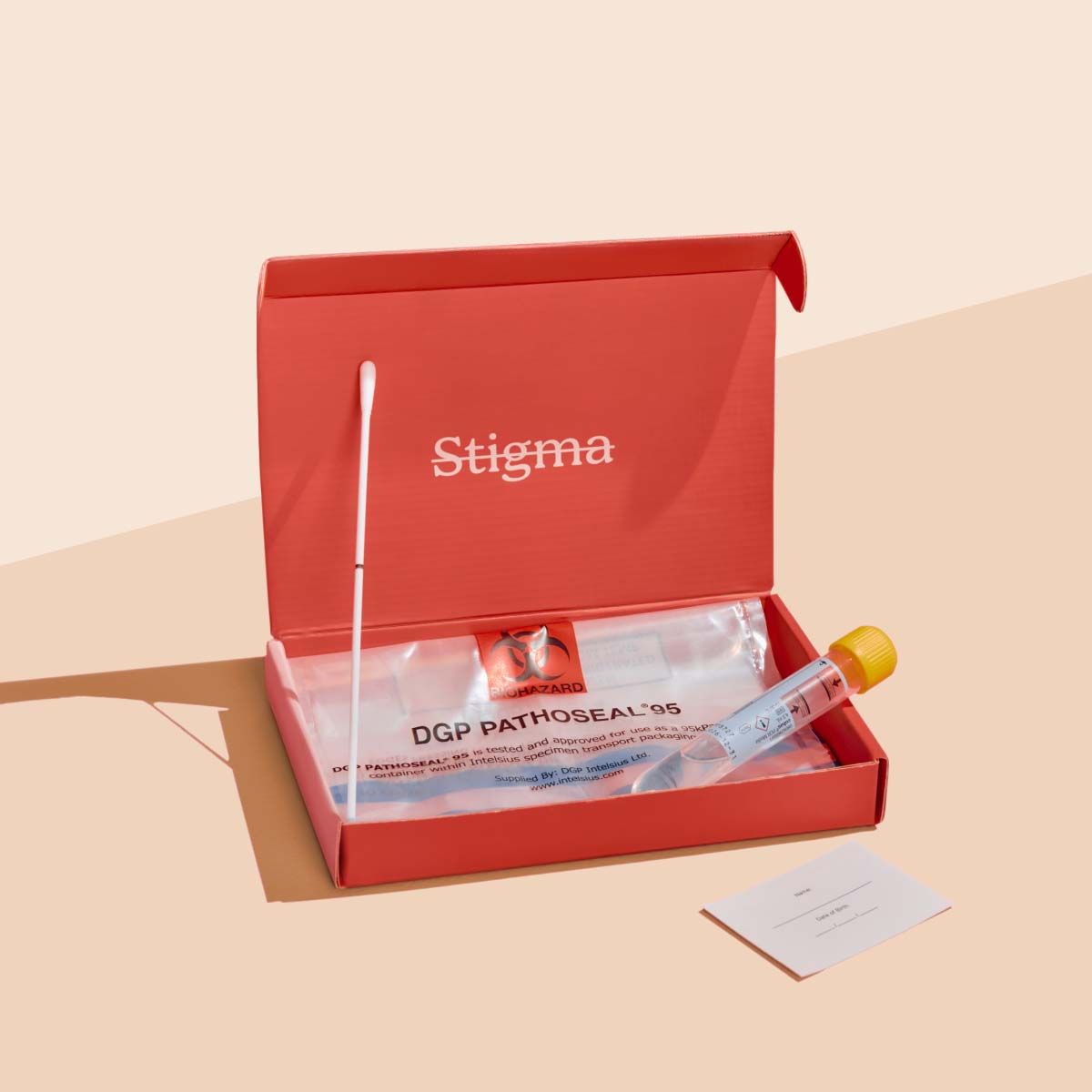
Herpes (HSV) Test
$169
At-home HSV-1 and HSV-2 testing, made simple—swab, ship, and treat. Consult and treatment included if necessary.
Herpes Quiz: Get Diagnosis & Treatment Online
Starting at $10/month
Prescription antiviral pills used to prevent & treat outbreaks.