Written by Kathleen Morrison
Medically Reviewed by Andrea Sleeth WHNP-BC, MSCP
Key takeaways
- Hepatitis C often has no early symptoms, making testing the best way to know your status.
- Look out for subtle signs like fatigue, joint aches, nausea, yellowing skin or eyes, and dark urine.
- Untreated hepatitis C can lead to liver scarring, cirrhosis, or even liver cancer—but early detection makes treatment highly effective.
- The virus spreads through blood-to-blood contact, not casual touch, food, or kissing.
- Modern testing, including at-home kits, and antiviral treatments make it simple to detect, monitor, and cure hepatitis C.
Hepatitis C is sneakier than you might think—many of those affected don’t notice anything for years. This silent infection can quietly harm your liver while you feel totally fine.
When symptoms do show up, they might be subtle, like feeling extra tired, achy joints, or mild stomach discomfort. Some people notice their skin or eyes getting a yellowish tint, darker urine, loss of appetite, or unexplained weight changes. Because these signs can be easy to shrug off, testing is key.
Getting tested for hepatitis C is simple and straightforward. The first step is usually a blood test called an antibody or anti-HCV test. If that comes back positive, your healthcare provider will order a follow-up RNA test to see if the virus is active. You can do this at a clinic, hospital, or even with a convenient at-home STI test kit that delivers reliable results in just a few days.
What are the early symptoms of Hepatitis C?
Spotting hepatitis C early can be tricky. Most people don’t notice anything at first because the virus often keeps a low profile during its initial stages. That’s why testing is so important if you have risk factors—you could feel totally fine and still have the virus quietly affecting your liver.
Acute Hepatitis C signs
If symptoms do appear 2 to 12 weeks after exposure, they can feel a lot like a mild flu. Look out for:
- Persistent fatigue and low energy
- Muscle aches or body pains
- Low-grade fever
- Loss of appetite or nausea after meals
- Tenderness on the right side of your belly, near your liver
- Yellowing of the skin or the whites of your eyes (jaundice)
- Dark-colored urine, like cola or tea
- Pale or clay-colored stools
Chronic Hepatitis C signs
When acute hepatitis C doesn’t clear on its own, it can turn into a chronic infection for about 75-85% of people exposed. This chronic version can simmer quietly for decades, gradually damaging liver cells, causing inflammation, and scarring that impacts liver function. Symptoms may creep up slowly, including:
- Dark urine, especially in the morning, from bilirubin buildup
- Abdominal pain or pressure in the upper right belly where your liver sits
- Feeling full or bloated after small meals
- Nausea, particularly after fatty foods
- Easy bruising or spider-like blood vessels on the skin
- Fatigue that goes beyond normal tiredness
- Brain fog or trouble concentrating
- Joint aches that feel like arthritis
- Unexplained weight loss
- Swelling in the legs or abdomen in advanced stages
- Mental confusion when liver function declines
Chronic hepatitis C can take years before symptoms really show, which is why testing early—even if you feel perfectly fine—is so important. Early detection gives you the best shot at effective treatment. Wisp offers comprehensive testing solutions, including HCV antibody tests with reflex RNA confirmation, so you get reliable results and guidance every step of the way.
Why many people don’t notice signs
Here’s the kicker: roughly 80% of people with acute hepatitis C experience no symptoms at all. That silent nature means the virus can quietly damage your liver while you feel perfectly healthy.
Even mild signs can be easy to shrug off as stress, a passing bug, or just a rough week.
Why getting tested is key
Because hepatitis C can fly under the radar, testing is the best way to know for sure. If you’ve ever injected drugs, had a blood transfusion before 1992, or have other risk factors, testing could catch the infection before serious liver damage happens.
Modern at-home testing makes it simple and discreet, with CLIA-certified labs giving accurate results you can trust. You'll want to get complete HCV testing, including antibody tests with reflex RNA confirmation, so you get clear answers and guidance every step of the way.
What happens if Hepatitis C goes untreated?
Hepatitis C isn’t always dramatic at first. You might feel fine for years while the virus quietly stresses your liver. But over time, that hidden inflammation can start to leave marks. The earlier you know what’s going on, the easier it is to take charge and get things back on track.
Liver damage
When hepatitis C hangs around untreated, it keeps your liver working overtime. Little by little, healthy cells get replaced by scar tissue in a process called fibrosis. It usually happens slowly, which is why most people don’t feel a thing at first. Your liver is tough—it compensates for a long time before showing signs of strain.
As scarring builds up (known as cirrhosis), your liver struggles to filter toxins, balance hormones, and make proteins that help your blood clot. You might notice fatigue, bloating, or easy bruising. Sometimes blood can’t flow through properly, creating pressure that leads to swollen veins in your stomach or esophagus, also leading to digestive and kidney diseases.
This stage can take years to develop—but it’s manageable when caught early. Regular check-ins and blood tests help track your liver’s health and keep things under control.
Liver failure and liver cancer
When scarring goes too far, your liver may start to struggle. You might notice yellowing skin, extreme tiredness, or swelling in your belly. In rare cases, a liver transplant becomes necessary, but that’s the severe end of the spectrum.
Some people with long-term, untreated hepatitis C-related cirrhosis also face a small risk of liver cancers like hepatocellular carcinoma. The tricky part is that it often grows silently, so regular scans and blood tests can help catch it early when it’s still treatable.
The really good news
Hepatitis C is one of the few chronic viral infections that can actually be cured. Yep, cured.
Modern antiviral meds work incredibly well—over 95% of people clear the virus completely. They’re also effective for folks with early cirrhosis and can even help reverse some damage.
You can start from home with simple, discreet testing and a quick consult. Telehealth makes it easy to get answers, start treatment, and feel confident about your sexual and reproductive health, because taking care of your body should always feel doable and judgment-free.
How do you get Hepatitis C?
Let’s clear this up right away: a hepatitis C virus infection spreads through blood-to-blood contact. That’s it. You can’t get it from hugging, sharing food, or kissing—it’s really about situations where someone’s blood mixes with yours. Knowing how that can happen helps you make informed choices about your health (and gives you one less thing to stress about).
How the virus spreads through the blood
Hepatitis C lives in blood, and even a teeny amount can carry the virus. These days, medical settings are super safe thanks to strict screening, but before 1992, blood transfusions and organ transplants sometimes spread it because the blood supply wasn't screened.
Viral hepatitis can also spread if blood from someone who has the virus enters your bloodstream through things like:
- Getting tattoos or piercings with unsterilized equipment
- Sharing razors, toothbrushes, or nail clippers that might have tiny traces of blood
- Working in healthcare and experiencing an accidental needle stick
- Certain sexual activities where blood might be present, especially with rough sex, multiple partners, or another STI
- Sharing needles, syringes, or other drug-use equipment (even straws for snorting) if blood is present—hepatitis C can survive outside the body for weeks, so even a microscopic amount can cause infection
- Childbirth, in rare cases when a parent passes the virus to their baby.
How to test for Hepatitis C
Getting tested for hepatitis C is way easier than most people think. Whether you’ve had a possible exposure, your liver tests came back a little funky, or you just want peace of mind, there are simple ways to get checked—no awkward waiting rooms required.
Your liver will give you a hint
Sometimes your liver waves a tiny red flag before you even realize something’s up. Routine blood work might show elevated liver enzymes (called ALT and AST), which can be a sign of inflammation.
That doesn’t automatically mean you have hepatitis C—lots of things can cause those numbers to jump—but it’s definitely a good reason to dig a little deeper.
If your results look off, your doctor or an online provider might suggest a hepatitis C test just to be sure. Getting clarity on health problems early means you can take charge of your health instead of playing the guessing game.
The simple steps of Hepatitis C testing
Testing usually happens in two steps:
- Antibody test: This first test looks for antibodies your body makes if it’s ever met the virus. A positive result just means you’ve been exposed at some point—it doesn’t always mean you still have it.
- RNA test: If antibodies show up, this follow-up test checks whether the virus is currently active in your blood. It’s super accurate and can spot hepatitis C as soon as a week or two after exposure.
If the virus is active, a provider might also check your viral load—basically, how much virus is in your system—to help plan your treatment.
At-home testing made easy
These days, you don’t even need to leave your couch to get tested. FDA-approved at-home STI kits use a quick finger-prick blood sample, which goes straight to a CLIA-certified lab. You’ll get reliable results in just a few days, and if anything comes up, you can jump on a telehealth chat with a licensed provider through Wisp to talk next steps and get treatment started.
Getting tested isn’t just responsible—it’s empowering. You deserve answers, and modern care makes it simple, discreet, and totally doable on your schedule.
Protecting yourself from Hepatitis C
The goal isn’t to stress—it’s to feel confident and in control of your health.
If you use needles or any injection equipment, make sure they’re always brand new and never shared. The same goes for anything that could have tiny traces of blood, like razors, toothbrushes, or nail clippers. If you’re getting a tattoo or piercing, don’t be shy about asking to see the artist open new, sterile tools—it’s your body, and you get to ask the questions.
When it comes to sex, hepatitis C doesn’t spread easily, but barrier protection (like condoms or dental dams) can lower your chances of exposure—especially if you have multiple partners or other STIs. Think of it as another way to take care of yourself and your partner(s).
If you work in healthcare or have ongoing exposure risks, keeping up with regular testing is a smart move. You can even make it part of your self-care routine. At-home testing kits and chats with licensed providers can help you easily check in on your health from the comfort of your couch.
Living with chronic Hepatitis C
Living with a chronic hepatitis C infection doesn’t mean pressing pause on your life, it just means showing your liver a little extra love while working toward treatment. Think of it as being on the same team as your body: the more care you give it, the better it shows up for you.
Here’s how to keep things balanced while you’re managing hepatitis C:
- Skip alcohol: it’s tough on your liver and can speed up damage.
- Eat well and move your body: balanced meals and regular activity help your liver stay strong.
- Check before taking meds or supplements: even common ones like acetaminophen can be stressful on your liver.
- Ask about hepatitis A and B vaccines: they help your liver avoid extra work.
- Stay in touch with your care team: regular blood tests track your liver health and treatment progress, and telehealth makes it easy to stay on top of it.
- Find your people: support groups (online or in person) can make the whole process less isolating and way more doable.
With the right care and consistency, most people living with hepatitis C can be fully cured, and that’s something to feel really hopeful about.
Your liver deserves love, too
Hepatitis C symptoms can be super sneaky—the virus might hang out for years without making much noise, but catching it early makes treatment way easier. Even if you feel totally fine, testing is the smartest move you can make. Modern treatments like direct-acting antivirals can clear hepatitis C in most people in just a few weeks, so there’s really no reason to wait.
If you’ve ever shared needles, gotten a tattoo or piercing somewhere sketchy, or just want peace of mind, testing from home is easier than ever. Wisp connects you with licensed providers who guide you every step of the way, all in a way that fits your life and feels completely judgment-free.
Take control of your health. Order an at-home STI test through Wisp today and get the answers you deserve.
This blog post is for informational and educational purposes only and should not be taken as professional advice. Always consult with a qualified professional before making any decisions based on the information provided here.
Trusted Testing
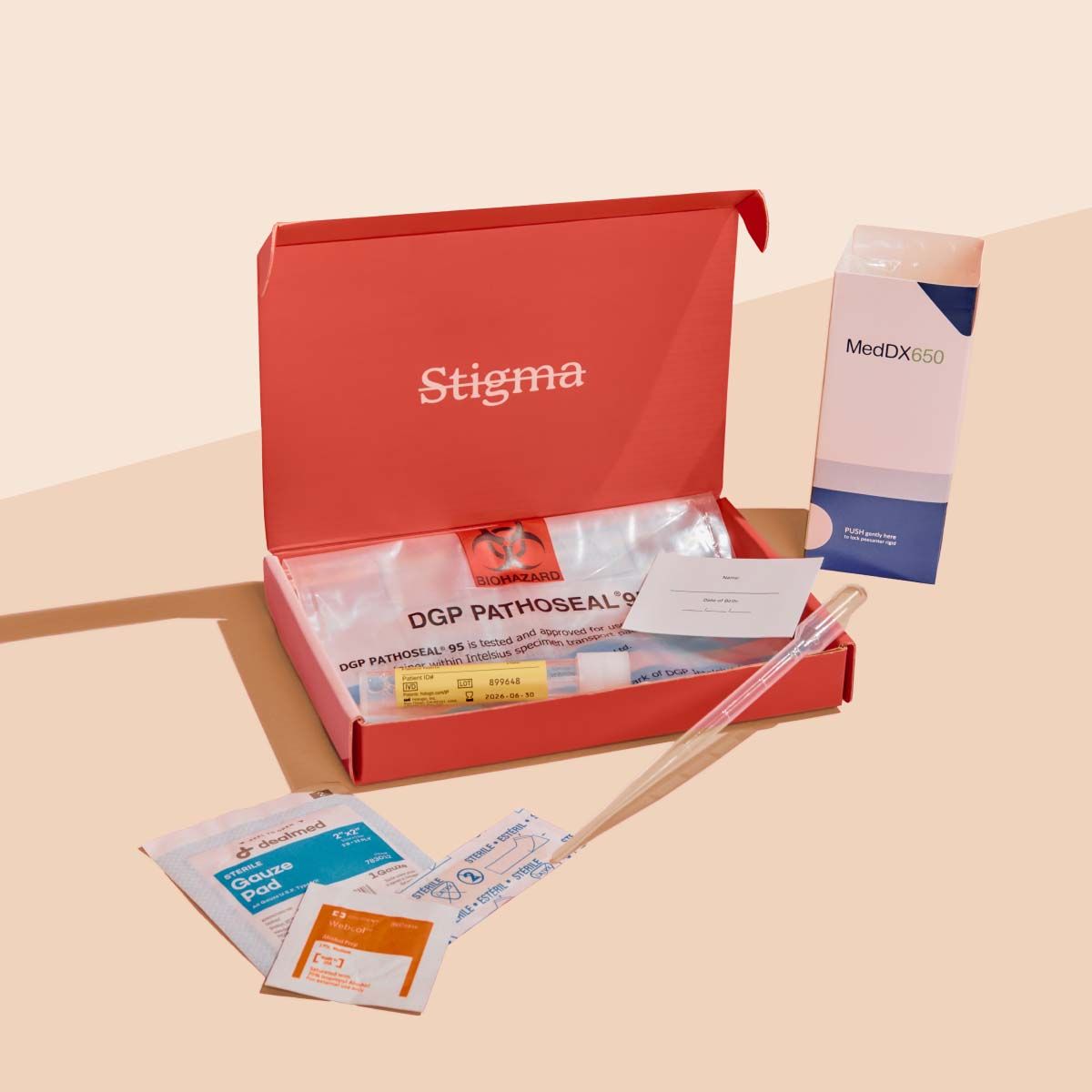
5-Panel STI Test
$179
Take charge of your sexual health from home with this expanded at-home, urine and blood test kit. Consult and treatment included if necessary.