Written by Kathleen Morrison
Medically Reviewed by Andrea Sleeth WHNP-BC, MSCP, a healthcare provider affiliated with Wisp
Key takeaways:
- Hormone replacement therapy (HRT) works by supplementing the estrogen and progesterone that your body gradually stops producing.
- The benefits and risks of hormone therapy vary based on your age, medical history, and how long it's been since menopause.
- Different forms of HRT, such as patches, gels, vaginal cream, and pills, come with different risk profiles and suit different needs.
- Timing matters: starting hormone therapy within 10 years of menopause or before age 60 is generally when the benefits outweigh the risks for most healthy people.
- Women who are 40 years of age or older or under 40 and have undergone surgical removal of the ovaries and uterus are eligible to take HRT.
- A provider can help you find the right type, dose, and delivery method based on your symptoms and health profile.
Hot flashes that jolt you awake at 2 a.m. Brain fog that has you blanking on words mid-sentence. Vaginal dryness that makes sex genuinely uncomfortable. Menopause is a natural transition, but nobody said it had to be miserable.
This is where hormone replacement therapy comes in. Also called HRT or menopausal hormone therapy, it's a well-studied approach to treating symptoms of menopause by replenishing the hormones your body stops producing as reliably. It's not a one-size-fits-all fix, and it's not right for everyone, but for many people, it's genuinely helpful.
If you're trying to figure out whether to take hormone therapy or just want to understand what it's all about, the risks and benefits of hormone therapy, and everything in between, you're in the right place.
Let's break it all down!
Wisp treatment options are available only after consultation with a licensed medical professional, if medically appropriate. You should consult with your healthcare provider before starting a new supplement or treatment regimen. Individual results may vary. For medication details and risks, see the site for details.
What is hormone replacement therapy for menopause? How does it work?
Menopause is the time when your ovaries gradually wind down estrogen and progesterone production. This shift in hormone levels is what causes symptoms such as hot flashes, mood swings, sleep disruption, and vaginal dryness.
Menopausal hormone therapy works by supplementing the hormones your body no longer makes in sufficient amounts, essentially stepping in where your ovaries are stepping back.
Types of hormone therapy
The two main types of hormone replacement therapy are:
- Estrogen-only therapy (ET): ET is appropriate when the uterus has been removed. Estrogen alone addresses the most common symptoms of menopause without the need for a progestin.
- Combination therapy (EPT): For people who still have a uterus, estrogen is paired with a progestin (a form of progesterone). Estrogen alone can cause the uterine lining to thicken over time, which raises endometrial cancer risk; adding a progestin can counteract this effect.
There's another type of hormone therapy that includes only progesterone/progestin to approach symptoms associated with menopause. However, it is less common because estrogen is considered the primary hormone responsible for alleviating most physical menopause symptoms.
It is used alone primarily for those who cannot tolerate estrogen or are in early perimenopause and only need help with sleep, anxiety, or heavy periods.
In some cases, it may be used off-label, such as micronized progesterone or medroxyprogesterone acetate, which are FDA-approved. Using them alone specifically for general menopause symptoms is often done at your provider's discretion rather than as a standard first-line treatment.
Pills, patches, or creams? Hormone therapy delivery formats
How you use menopause hormone therapy also matters. There are two main approaches:
- Systemic therapy: Hormones circulate throughout your body via pills, patches, or gels. Best for widespread menopausal symptoms.
- Vaginal estrogen therapy: Low-dose estrogen delivered directly to vaginal tissue via cream, ring, or tablet. Suited for localized vaginal symptoms with minimal systemic absorption.
Different forms of HRT suit different people, and your provider can help you sort through what makes the most sense based on your symptoms, medical history, and lifestyle.
What’s actually in your HRT? Bioidentical vs. synthetic explained
Not all hormone therapies are made the same, and knowing where the 'hormones' in your HRT come from can help you have a more informed conversation with your provider.
Synthetic hormones:
- Similar to, but not chemically identical to, your body's natural hormones
- Safe and appropriate for many people
- Generally thought to have more side effects in comparison to bioidentical hormones.
Bioidentical hormones:
- Structurally and chemically identical to the hormones your body naturally produces
- Derived from plants
- Generally thought to have fewer side effects
What often makes bioidentical hormones appealing is how closely they replicate your body’s own hormonal chemistry.
Many patients and providers prefer to start with bioidentical options for this reason, especially when the goal is to support hormone balance as close to your baseline as possible.
That said, individual responses can vary, and “better” ultimately depends on how your body responds and what aligns with your health needs.
Wisp only offers bioidentical hormones for menopause hormone therapy.
Estrogen-only therapy (ET) options for menopause symptoms
Estrogen is the foundation of hormone replacement therapy. The type and delivery method affect how your body absorbs it, and influence your overall risk profile.
Transdermal Estradiol Patches
Transdermal Estradiol Patches deliver estradiol through the skin directly into your bloodstream, bypassing your digestive system and liver.
You apply them to the lower abdomen or upper buttocks, rotating placement to avoid skin irritation.
Because they skip liver metabolism, transdermal patches may carry a lower risk of blood clots than oral estrogen. They provide steady hormone levels throughout the day (no peaks and valleys) which many people find more comfortable.
They are often available in 0.025–0.1mg doses, available as cyclic therapy with weekly or twice-weekly patches.
Side effects of Transdermal Estradiol Patches
Common side effects may include:
- Headache
- Bloating, stomach cramps, nausea, vomiting
- Breast pain or tenderness
- Irregular vaginal bleeding or spotting
- Fluid retention and swelling
This is not a complete list of risks and side effects, and others may occur. If symptoms worsen or you notice signs of an allergic reaction, contact a provider right away.
Estradiol Vaginal Cream
Estradiol Vaginal Cream targets local vaginal symptoms such as:
- Headache
- Bloating, stomach cramps, nausea, vomiting
- Breast pain or tenderness
- Irregular vaginal bleeding or spotting
- Fluid retention and swelling
Because the estrogen stays mostly in the vaginal tissue, this is often considered even for people who aren't candidates for systemic hormone therapy.
It's a solid option when vaginal symptoms are your primary concern rather than hot flashes or sleep disruption.
Estradiol Vaginal Cream is typically prescribed at 0.01% (0.1 mg/g) and is often dispensed as a 90-day supply.
Side effects of Estradiol Vaginal Cream
Common side effects may include:
- Headache
- Bloating, stomach cramps, nausea, vomiting
- Breast pain or tenderness
- Irregular vaginal bleeding or spotting
- Fluid retention and swelling
This is not a complete list of risks and side effects, and others may occur. If symptoms worsen or you notice signs of an allergic reaction, contact a provider right away.
Estradiol Gel (Non-Vaginal)
Non-Vaginal Estradiol Gel (Divigel) is another transdermal option.
You apply it daily to your thigh, alternating sides, and it absorbs through the skin. Like patches, gel delivers estradiol without first-pass liver metabolism, which may mean a more favorable clot risk profile compared to oral estrogen.
Some people prefer gel because it leaves no adhesive residue and is easy to adjust the dose.
Non-vaginal estradiol gel (Divigel) is often dispensed in 0.25 mg–1.25 mg gel packets, available as 30-, 60-, or 90-packet supplies.
Side effects of Estradiol Gel
Common side effects may include:
- Headache
- Bloating, stomach cramps, nausea, vomiting
- Breast pain or tenderness
- Irregular vaginal bleeding or spotting
- Fluid retention and swelling
This is not a complete list of risks and side effects, and others may occur. If symptoms worsen or you notice signs of an allergic reaction, contact a provider right away.
Estradiol pellet therapy
Pellet therapy is a compounded form of hormone delivery in which small estradiol pellets are inserted under the skin (usually near the hip) and release hormone over 3–6 months.
The appeal is convenience: no daily applications or weekly patch changes. The trade-off is that adjusting the dose requires a new insertion procedure and must be done in person.
Also, because the pellets release hormone steadily over months and can't be easily removed or adjusted, this approach can result in higher-than-intended hormone levels.
You must also know that compounded estradiol pellets are not FDA-approved and are often prescribed off-label based on the in-person provider’s discretion.
It’s generally considered a last-resort option because absorption can vary widely from person to person, and symptoms often return before the next administration is due.
Side effects of estradiol pellet therapy
Common side effects of estradiol pellet therapy may include:
- Headache
- Bloating, stomach cramps, nausea, vomiting
- Breast pain or tenderness
- Irregular vaginal bleeding or spotting
- Fluid retention and swelling
This is not a complete list of risks and side effects, and others may occur. If symptoms worsen or you notice signs of an allergic reaction, contact a provider right away.
Wisp does not offer estradiol pellet therapy. An in-person provider can help you explore this option.
Progesterone-only options for hormone replacement therapy
If you still have a uterus, you'll need a progestin alongside estrogen. Think of progestogen therapy as estrogen's co-pilot. It protects the uterine lining so estrogen can do its job safely.
It can also be used on its own if your provider thinks it makes sense (sometimes even off-label).
This usually comes up if you can’t tolerate estrogen or if you’re in early perimenopause and just need a little support. Think better sleep, steadier mood, or help with heavy periods.
Several formulations exist, each with different characteristics.
Oral Micronized Progesterone
Oral Micronized Progesterone is bioidentical. That means it's chemically identical to the progesterone your body naturally produces.
You take it orally at bedtime (it can cause drowsiness, which some people honestly appreciate when sleep is already a struggle).
Paired with a transdermal estradiol option, it's a commonly recommended approach for systemic menopausal symptoms.
The typical dosage is 100–200mg capsules to help treat menopause symptoms.
Side effects of Oral Micronized Progesterone
Common side effects may include:
- Bloating
- GI disturbance
- Sedation
- Headache
- Breast pain or tenderness
- Fluid retention and swelling
This is not a complete list of risks and side effects, and others may occur. If symptoms worsen or you notice signs of an allergic reaction, contact a provider right away.
Oral Medroxyprogesterone (generic Provera)
Medroxyprogesterone (generic Provera) is a synthetic progestin with decades of use in hormone therapies. It protects the uterine lining when combined with estrogen.
Your provider can help you weigh whether this fits your needs.
The typical dosage is 2.5–5mg tablets.
Side effects of Oral Medroxyprogesterone
Common side effects may include:
- Headache
- Bloating, stomach cramps, nausea, vomiting
- Breast pain or tenderness
- Irregular vaginal bleeding or spotting
- Fluid retention and swelling
This is not a complete list of risks and side effects, and others may occur. If symptoms worsen or you notice signs of an allergic reaction, contact a provider right away.
Combined Therapy (EPT) options for menopause
When you need both estrogen and a progestin/progesterone but don’t want to juggle two separate prescriptions, there are combo options that deliver both in one, nice and streamlined.
Here’s what that looks like:
Estradiol/Norethindrone Acetate
Estradiol/Norethindrone Acetate combines estradiol with the progestin norethindrone acetate in a single tablet. It's a combination therapy option that offers the convenience of one medication for both hormones.
If you want the advantages of transdermal delivery, this pairing is also available as a combination patch.
The downside is that because both hormones are combined in a fixed-dose product, they can’t be adjusted independently.
Estradiol/Norethindrone Acetate typically comes in 0.5–1mg/5mcg–0.5mg doses, available as 1-, 2-, or 3-month supplies.
Side effects of Estradiol/Norethindrone Acetate
Common side effects may include:
- Headache
- Bloating, stomach cramps, nausea, vomiting
- Breast pain or tenderness
- Irregular vaginal bleeding or spotting
- Fluid retention and swelling
This is not a complete list of risks and side effects, and others may occur. If symptoms worsen or you notice signs of an allergic reaction, contact a provider right away.
Wisp does not offer Estradiol/Norethindrone Acetate. An in-person provider can help you explore this option.
Estradiol and micronized progesterone (generic Bijuva)
For those who want the convenience of both hormones in a single capsule, Bijuva combines estradiol with micronized progesterone in one oral pill.
It's a popular choice for simplicity; one pill instead of managing separate medications, though it is available in limited dose options.
Side effects of Estradiol and micronized progesterone
Common side effects may include:
- Headache
- Bloating, stomach cramps, nausea, vomiting
- Breast pain or tenderness
- Irregular vaginal bleeding or spotting
- Fluid retention and swelling
This is not a complete list of risks and side effects, and others may occur. If symptoms worsen or you notice signs of an allergic reaction, contact a provider right away.
Wisp does not offer Bijuva or generic estradiol and micronized progesterone. If you're interested in this option, an in-person provider can help you explore it.
What are the benefits of hormone replacement therapy for menopause?
Here's the honest answer: the benefits of hormone replacement therapy for menopause go well beyond just cooling down hot flashes—though, yes, that's often the first thing people notice.
Here's what hormone therapy also does for many people:
- Treats vasomotor symptoms:
Hot flashes and night sweats are the most common symptoms of menopause, and HRT remains the most studied approach to managing them. Many people notice real improvement in frequency and intensity.
- Supports vaginal health:
Estrogen helps maintain vaginal tissue elasticity and moisture. For those dealing with genitourinary syndrome of menopause (GSM), the umbrella term for vaginal dryness, irritation, and urinary changes, estrogen therapy is a well-established option.
- Supports bone health:
Estrogen helps maintain bone density. Hormone therapy also supports long-term skeletal health, which matters more as you get further into postmenopause.
- Supports mood and sleep:
Fluctuating estrogen levels can contribute to irritability, anxiety, and disrupted sleep. Many report better mood stability and clearer thinking once therapy helps their symptoms.
- Helps support cardiovascular health:
For healthy people who begin HRT near the onset of menopause, hormone therapy can offer cardiovascular benefits, including support for blood vessel function and a more favorable cholesterol profile.
Understanding the risks of hormone therapy
Like any medication, hormone therapies carry potential health risks, and those risks vary based on formulation, dose, delivery method, and your personal profile.
Now that you know the common side effects of each type of therapy, it's worth knowing the risks so you have a real conversation with your provider, not just a scary Google spiral.
Here's what the research generally shows:
- Blood clots and stroke:
Hormonal HRT may carry a higher risk of blood clots, particularly for people over 60 or those who started therapy more than 10 years after menopause. Transdermal estradiol (patches and gels) appears to carry a lower risk of clotting because it bypasses the liver. Combined hormone therapy may also affect clotting factors, so the route of delivery matters.
- Cancer risks:
Combined estrogen + synthetic progestin therapy may increase breast cancer risk with long-term use. However, current research suggests bioidentical micronized progesterone (that’s not the same as synthetic progestin) may not carry the same risk.
And, possibly the most reassuring part is that research also suggests women who go on to develop breast cancer while using HRT tend to have more favorable outcomes than women who develop breast cancer without it.
One thing that hasn't changed: Estrogen on its own may raise the risk of endometrial (uterine) cancer for women who still have a uterus, which is exactly why a progestin gets added to the mix in combination therapy.
- Liver considerations:
Oral hormones are processed through the liver, so existing liver issues matter.
HRT may not be appropriate if you have a history of blood clots, stroke, liver disease, certain breast cancers, or unexplained vaginal bleeding.
Contradictions to be aware of
Estrogens can interact with grapefruit/grapefruit juice, smoking, blood thinners, thyroid medications, and several other medications. Tell your provider about every medication and supplement you take.
A thorough review of your symptoms, medications, supplements, and health risks with a provider is the right first step.
Who is eligible for hormone replacement therapy for menopause treatment options?
HRT is generally a good fit if you:
- Are 40 years of age or older and experiencing moderate to severe menopausal symptoms
- Are under 40 and have undergone surgical removal of your ovaries and uterus (surgical menopause), which can bring on sudden, intense symptoms
- Are experiencing early menopause (before age 45) or premature ovarian insufficiency
HRT may not be appropriate if you have a personal history of certain breast and endometrial cancers, blood clots, stroke, liver disease, or unexplained vaginal bleeding. Your provider will review your medical history thoroughly before recommending any hormone treatments.
When to start hormone therapy
Timing matters a lot with HRT. The research generally suggests that starting therapy within 10 years of menopause, or before age 60, offers the most favorable benefit-to-risk ratio.
Women within 10 years of their last period might see the clearest benefits from systemic hormone therapy.
If you go through menopause early (before age 45) or experience premature ovarian insufficiency, hormone therapy is often recommended until at least the average age of natural menopause.
Starting later (after age 60 or more than 10 years after menopause) generally comes with a less favorable risk-benefit picture, particularly around cardiovascular risk.
It's not automatically off the table, but it requires a more careful conversation.
Thinking about hormone therapy? Your provider can help you determine whether the timing is right for you.
What to expect once you start HRT
Once you start HRT, most providers recommend a follow-up within the first few months to see how your symptoms are responding and check for any side effects.
Adjustments are normal!
You might need a different dose of estrogen, a different progestin, or a different delivery method before things feel right.
Annual check-ins are standard after that. The goal of FDA-approved hormone therapy isn't to stay on it forever for most people. It's about using the appropriate dose for the time your symptoms and health profile support.
Breast exams and mammograms should continue on schedule. If you notice unexpected vaginal bleeding, new breast lumps, or other concerning symptoms between visits, reach out to your provider sooner rather than waiting.
Getting started with menopause care
Hormone replacement therapy for menopause isn't one-size-fits-all, but it is one of the most studied options for the treatment of menopausal symptoms. The right approach depends on your symptoms, your medical history, and your preferences.
Different forms of HRT mean there's flexibility in how you use hormone therapy, whether that's a patch plus a progesterone capsule, a vaginal cream for localized symptoms, or a combination pill that keeps things simple.
A provider who understands your full picture can help you figure out what makes sense.
If you're ready to talk through your options, start a menopause consult at Wisp for personalized, judgment-free care from the comfort of home.
This blog post is for informational and educational purposes only and should not be taken as professional advice. Always consult with a qualified professional before making any decisions based on the information provided here.
Trusted Treatments

Menopause Consult Online
Starting at $33/ month
Customized care for menopause & perimenopause symptoms including estrogen & progesterone hormone replacement.
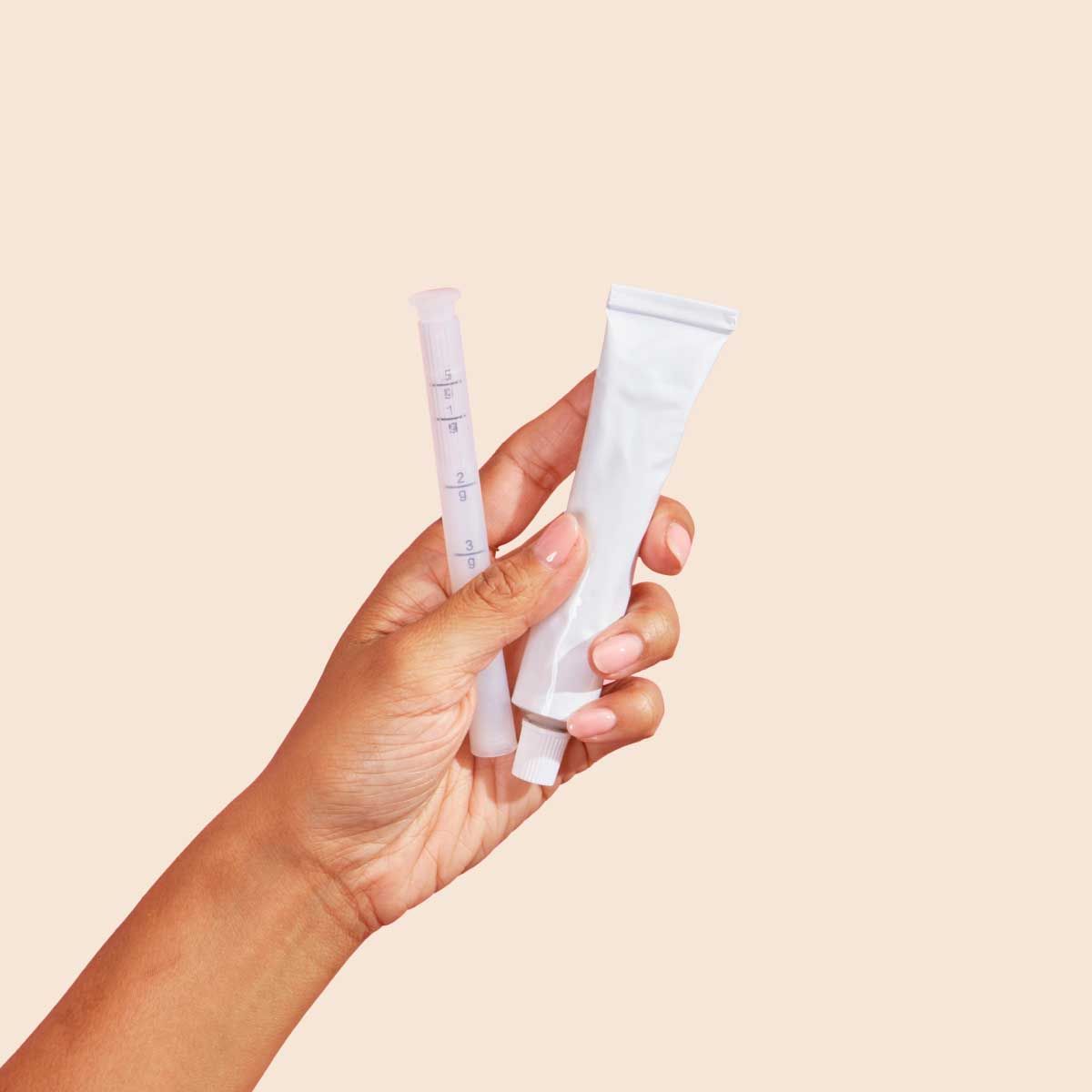
Estradiol Vaginal Cream
Starting at $20
A hormonal cream that soothes vaginal dryness caused by menopause, or during postpartum, especially with breastfeeding.
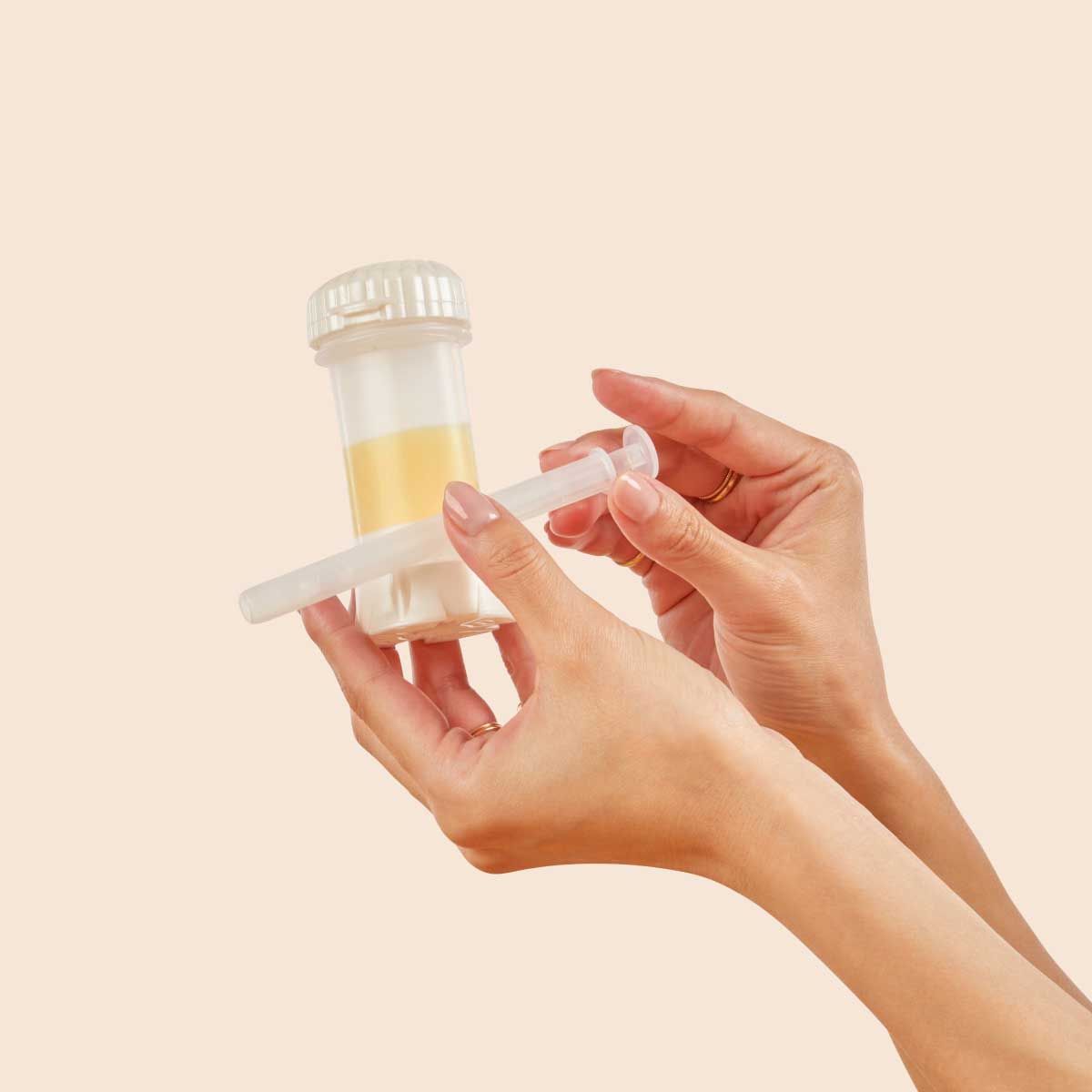
Non-Hormonal Vaginal Moisturizer
Starting at $60
Hormone-free moisture for all life stages, including breastfeeding, postpartum, and menopause.