Written by Kathleen Morrison
Medically Reviewed by Dr. Shannon Chatham, DO, a healthcare provider affiliated with Wisp
Key takeaways
- Low-Dose Naltrexone (LDN), typically 1.5 to 4.5 mg daily, is used off-label to help support mood stability, hormone balance, and overall well-being.
- For women, LDN may help support healthy inflammatory pathways and promote the body's natural endorphin production, which can influence emotional well-being and physiological balance.
- Common side effects of naltrexone include nausea, headache, and fatigue, though these are often milder at lower doses.
- Naltrexone is FDA-approved at higher doses (50 mg) to treat alcohol use disorder and opioid use disorder by blocking opioid receptors in the brain.
- Anyone considering naltrexone - at any dose - should work with a qualified healthcare provider to determine if it is the right fit for their needs.
When people look up naltrexone uses, they’re usually thinking of one thing: addiction treatment… and that’s correct. At standard doses, it’s FDA-approved to help manage alcohol and opioid use disorders.
But there’s also a lower-dose version that’s been getting more attention lately. It’s less headline news, more “you keep hearing about it” energy.
Low-Dose Naltrexone (LDN) means taking much smaller amounts, typically around 1.5 to 4.5 mg per day. At these doses, it’s not FDA-approved, but some healthcare providers are exploring its potential to support mood, inflammation, and overall well-being. The research is still evolving, so it’s not a guaranteed fix, but it’s definitely part of the conversation.
If LDN has been popping up on your feed or in group chats and you’re wondering what it actually does, you’re not alone.
Let’s break down how it works, what makes low doses different, and what to know before considering it.
Wisp treatment options are available only after consultation with a licensed medical professional. You should consult with your healthcare provider before starting a new supplement or treatment regimen. Individual results may vary.
How naltrexone works in the body
Naltrexone works differently at different doses:
High-dose naltrexone:
Think of high-dose naltrexone as a kind of “door blocker” in the brain. It sits on opioid receptors, so opioids can’t trigger the usual euphoric high—and alcohol may feel less rewarding too. For some people, that shift can make cravings easier to manage and support recovery.
One important heads-up: Because Naltrexone blocks opioid receptors, your body’s tolerance to opioids decreases over time during treatment. This makes the risk of overdose especially high after stopping naltrexone.
Amounts that were previously tolerated can become dangerous. Attempting to override its effects by taking large doses of opioids during treatment can also result in overdose, coma, or death.
Because of that, it’s usually recommended alongside counseling and ongoing support.
Wisp does not offer high-dose naltrexone. If you’re interested in this treatment option, please speak with your in-person healthcare provider.
Low-Dose Naltrexone:
At low doses (around 1.5–4.5 mg), naltrexone behaves a little differently than you’d expect.
Instead of fully blocking opioid receptors, it briefly and partially blocks them, kind of like a quick interruption.
In response, your body may compensate by increasing endorphins and enkephalins (your natural feel-good chemicals). This “rebound effect” is one of the ways LDN is thought to support mood and overall well-being.
But that’s not the whole story. Researchers also think LDN works by calming down inflammation, especially in the nervous system. It interacts with immune pathways (like TLR4) that are involved in activating inflammation.
This means it may help dial down an overactive immune response. And, that’s a big reason why it’s being explored for conditions linked to chronic inflammation. Additionally, the surge of endorphins and enkephalins from LDN may help support:
- Mood
- Emotional well-being related to hormonal health
- Reduced inflammation
- Immune adjustment and response
- Overall physiological balance.
It’s important to note that these are leading theories based on current research; the exact mechanisms of how Low-Dose Naltrexone works are not yet fully understood.
Prescription high-dose naltrexone uses
Naltrexone is FDA-approved for two main uses: alcohol use disorder and opioid use disorder after detox. These remain its most common clinical uses today.
Alcohol Use Disorder
Naltrexone helps reduce heavy drinking days by blocking the brain’s reward from alcohol, so the “that hit the spot” feeling is weaker. It doesn’t make you sick if you drink; it just makes saying no to the next round a little easier.
Studies in people with alcohol dependence show naltrexone can reduce relapse and heavy drinking.
Opioid Use Disorder
For opioid use disorder, naltrexone is used after detox. Once in your system, naltrexone blocks the euphoric effects of opioids. Trying to override it by taking large opioid doses can lead to overdose, coma, or death, so medical guidance is essential.
Off-label Low-Dose Naltrexone uses
While standard (high-dose) naltrexone is FDA-approved for treating alcohol and opioid dependence, a lower-dose variation (around 1.5–4.5 mg) is currently being explored for other potential benefits.
These benefits include helping support healthy inflammatory regulation, supporting longevity, and healthy aging protocols. That’s why Low-Dose Naltrexone (LDN) has started to become a convenient daily ritual for many individuals looking to support long-term well-being.
Important note: The use of LDN is considered off-label, meaning it is not approved by the U.S. Food and Drug Administration. It should only be used under the guidance of a qualified healthcare professional.
That said, let’s explore what potential benefits Low-Dose Naltrexone may have to offer:
Mood and emotional well-being
Many people choose LDN to support emotional balance. By gently interacting with opioid receptors, LDN may encourage your body to produce more of its own natural endorphins—the chemicals that help regulate mood and your overall sense of wellbeing.
Inflammation and immune modulation
LDN is often used to support immune balance and inflammation regulation. Some providers recommend it as a gentle option for those dealing with chronic inflammation or autoimmune concerns.
Hormone balance and physiological wellbeing
Because the opioid system interacts with other hormone-regulating pathways, some providers believe LDN may help support overall physiological balance. This is particularly relevant for women experiencing shifts related to menstrual cycles, perimenopause, or menopause.
Weight management
One area getting attention is weight management. Naltrexone combined with bupropion is approved for chronic weight management in certain adults.
The combination works on brain pathways involved in appetite and cravings, which may help some people reduce calorie intake when paired with lifestyle changes.
It’s important to note that naltrexone alone is not approved for weight loss. Also, the naltrexone doses recommended for approved weight-management therapies differ significantly from both the higher doses used for opioid or alcohol dependence and the lower doses meant to help support overall health.
Wisp’s naltrexone products do not use the same dosages or formulations studied in weight-management research, and our naltrexone products are not prescribed for weight management.
Chronic pain and inflammation
Low-Dose Naltrexone (about 1.5–4.5 mg daily) is also being further investigated for conditions like fibromyalgia and some autoimmune disorders. Early studies suggest LDN may influence inflammatory pathways and pain signaling, but evidence is still limited, and results vary.
Dosage and how to take naltrexone
Getting the dose of naltrexone right matters for safety and effectiveness:
High-dose oral naltrexone tablets
For many people, naltrexone therapy starts with the oral tablet form.
- The typical dose is 50 mg once daily for the treatment of alcohol use or opioid use disorder.
- Some providers may begin with 25 mg for the first few days to check tolerance before increasing to the usual dose.
- Tablets can generally be taken with or without food, though taking them with a meal may help if stomach upset occurs.
If daily medication feels like remembering to water a plant every day (easy to forget), there’s another option.
Extended-release injectable naltrexone (Vivitrol)
Extended-release naltrexone (Vivitrol) is given as a 380 mg intramuscular injection about every 4 weeks, administered by a healthcare professional.
This monthly option can help people who prefer not to manage a daily pill routine. Like the oral form, extended-release naltrexone binds and blocks opioid receptors, which reduces the rewarding effects of alcohol or opioids.
A super important note: As the medication wears off toward the end of the dosing interval, you may become more sensitive to opioids, so using opioids at previously tolerated amounts could increase overdose risk.
Wisp does not offer extended-release injectable naltrexone (Vivitrol). If you’re interested in this treatment option, please speak with your healthcare provider.
Wisp is not affiliated and does not sponsor or endorse any company names, logos, or brands shown or mentioned. All product names, logos, brands, and other trademarks or images shown or mentioned are the property of the respective brand owners and are only used to identify the products and services of their respective owners.
Low-Dose Naltrexone (off-label)
Low-Dose Naltrexone typically ranges from 1.5 mg to 4.5 mg daily. Because these doses are not commercially available in standard tablets, LDN is often compounded by specialty pharmacies or provided through telehealth services that offer LDN formulations.
LDN is usually taken once daily, often at bedtime. Some people start at the lower end of the range (1.5 mg) and gradually increase to find the dose that works best for them.
It can take 2-3 months to experience optimal improvements from LDN, as the benefits come from your body's gradual increase in endorphin and enkephalin production.
Side effects of High-Dose Naltrexone
Like any medication, high-dose naltrexone can cause side effects, and it's still important to know what to watch for.
Common side effects
- Abdominal or stomach cramping or pain (mild or moderate)
- Anxiety, nervousness, restlessness, or trouble sleeping
- Headache
- Joint or muscle pain
- Nausea or vomiting
- Unusual tiredness
Serious side effects
- Skin rash
- Severe abdominal/stomach pain
- Blurred vision, aching, burning, or swollen eyes
- Chest pain
- Confusion
- Discomfort while urinating or frequent urination
- Fever
- Hallucinations
- Itching
- Mental depression or other mood or mental changes such as suicide ideation
- Ringing or buzzing in the ears
- Shortness of breath
- Swelling of the face, feet, or lower legs
- Weight gain
- Symptoms of opioid withdrawal (if opioids were taken unknowingly)
Side effects of Low-Dose Naltrexone
If you’re considering taking Low-Dose Naltrexone capsules, you’ll likely find the side effect profile much more manageable.
However, there are still a few common reactions to keep on your radar:
Common side effects
- Sleep disturbances or vivid dreams
- Headache
- Nausea
- Fatigue
- Anxiety or irritability
- Depression
- Gastrointestinal discomfort
- Dizziness
- Hot flashes
- Appetite changes
These symptoms often improve within the first week or two.
Serious side effects
If you experience any of the following, seek in-person care immediately:
- Severe abdominal pain
- Yellowing of the skin or eyes
- Severe dizziness or fainting
- Signs of a severe allergic reaction
- Symptoms of opioid withdrawal (if opioids were taken unknowingly)
- May cause sudden (precipitated) withdrawal, rarely with respiratory distress or death if opioids are present
Note: Both high-dose and Low-Dose Naltrexone can interact with several medications. Always inform your healthcare provider about all prescription medications, over-the-counter drugs, vitamins, and supplements you take before starting naltrexone.
This is not a complete list of risks and side effects, and others may occur. If symptoms worsen or you notice signs of an allergic reaction, contact a provider right away.
Safety tips before starting naltrexone
Providers typically confirm that you’ve been opioid-free for about 7-10 days before starting naltrexone.
Starting naltrexone while opioids are still in your system can trigger sudden withdrawal symptoms, which may require medical care.
If you’re transitioning from medications like methadone or buprenorphine, your provider may recommend a longer waiting period to lower the risk of precipitated withdrawal.
Either way, dosing and timing should always be guided by a qualified healthcare provider—when it comes to recovery medications, personalization matters.
Who should not take naltrexone?
Naltrexone isn’t right for everyone. People taking naltrexone should not use any opioid drugs, and there are specific situations where the medication isn’t appropriate:
- Current or recent opioid use: Taking naltrexone while opioids are in your system can cause withdrawal, like sudden, severe symptoms that may need hospitalization.
- Active opioid withdrawal: If you’re currently experiencing opioid withdrawal symptoms, naltrexone will make them worse.
- Liver disease: Naltrexone is contraindicated in acute hepatitis or liver failure. Call your doctor right away if you start having dark urine, pain in the upper stomach, or yellowing of the eyes or skin while you are using this medicine.
- Upcoming opioid pain medication needs: If you might need opioid-containing medications for surgery, discuss this with your provider.
- Allergy: If you’ve had an allergic reaction to naltrexone before, don’t take it again.
- Pregnancy: Use during pregnancy should be carefully evaluated with your in-person provider. It is generally considered only for approved indications, such as alcohol use disorder (AUD) or opioid use disorder (OUD), and not for low-dose or off-label uses.
*Wisp does not offer Low-Dose Naltrexone during pregnancy. If you’re pregnant or think you might be, an in-person health care provider or OB-GYN is the best next step.
Taking the next step toward longevity & wellness
Whether you're curious about naltrexone for recovery support or exploring low-dose options for overall wellbeing, the first step is always a conversation with a qualified provider. They can help you understand how naltrexone might fit into your health goals and make sure you're using it safely.
If you're interested in exploring Low-Dose Naltrexone, Wisp offers Low-Dose Naltrexone Capsules as part of their longevity suite, designed to support immune balance, inflammation regulation, and overall well-being.
Getting started is simple: complete a quick online consultation, and a licensed provider will follow up to determine if LDN is right for you.
This blog post is for informational and educational purposes only and should not be taken as professional advice. Always consult with a qualified professional before making any decisions based on the information provided here.
Longevity Peptides
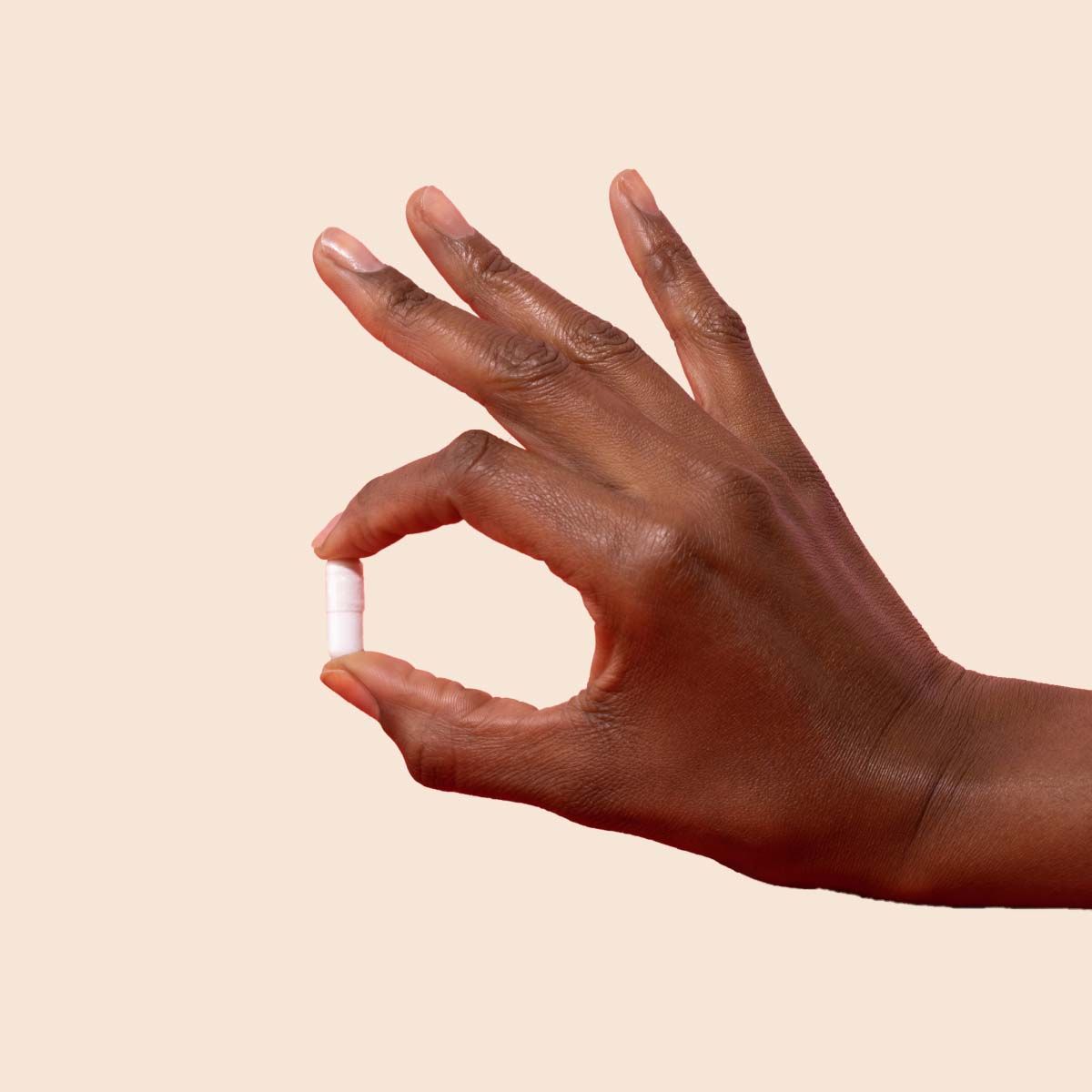
Low-Dose Naltrexone Capsules
Starting at $75
Daily oral capsule to help support physiological balance and immunity.