Facts to Know About
Over the Counter Yeast
Infection Treatment
Published on June 9, 2022
Updated on December 18, 2025
Written by Kathleen Morrison
Medically Reviewed by Andrea Sleeth WHNP-BC, MSCP
Key takeaways
- Over-the-counter (OTC) treatments can offer some relief for mild yeast infection symptoms, but they won’t necessarily fully clear the infection.
- Persistent or recurrent symptoms require prescription-strength antifungals to achieve a full and lasting recovery.
- OTC treatments can sometimes cause extra irritation, so combining them with a provider-guided prescription is often the safest and most effective approach.
- Oral medications and suppositories (like Diflucan or boric acid) are generally easy to use, comfortable, and can help manage reinfections compared to creams.
- Consulting a licensed medical provider is always a smart move, especially if symptoms persist, recur frequently, or if you’re unsure whether it’s actually a yeast infection.
- Treatment duration varies, but combining OTC and prescription methods usually speeds up recovery and reduces the risk of recurrence.
If you have a yeast infection, you’re probably wondering about the over-the-counter meds you can take to get some relief.
There’s a lot to know when it comes to yeast infection treatments, so let’s take a dive and discuss the facts you need before starting a treatment option.
Can you treat a Yeast Infection over-the-counter?
Yes—OTC treatments like boric acid suppositories can help, especially if you’re dealing with mild symptoms or want quick relief while you figure out your next steps, but this will take longer than prescription medication. Medications like Monistat are easily accessible and can offer some comfort.
But here’s the real talk: some OTC options don’t always fully clear a yeast infection, and for some people, they can even cause extra irritation, burning, or itching.
If you’re not feeling better after trying an over-the-counter treatment, or if your symptoms keep coming back, it usually means your body needs something a little stronger. That’s where prescription-strength antifungals come in. Pairing OTC treatments with a prescription can make recovery smoother, faster, and way more reliable.
Bottom line: OTC treatments are a helpful start, but don’t hesitate to reach for support from a medical provider if your symptoms are stubborn or severe. You deserve relief that actually works.
Wisp treatment options are available only after consultation with a licensed medical professional. You should consult with your healthcare provider before starting a new supplement or treatment regimen. Individual results may vary.
Do you have to get treatment?
Long answer short: yes. You shouldn’t wait for a yeast infection to go away on its own, especially if you’re in discomfort or pregnant. Over-the-counter yeast infection treatments, such as Monistat (miconazole), can help you get rid of your yeast infection.
However, they aren’t always enough, and they can cause unpleasant side effects like more burning and itching. Ultimately, you may still need to use them in combination with prescription medication. If you want relief from a bad yeast infection quickly and without hassle, using over-the-counter and prescription methods together can make the recovery process a lot smoother.
What are the best OTC medications for a Yeast Infection?
Some people delay getting treatments for their yeast infections because they aren’t sure what their options are. There are a few over-the-counter options, but if they haven’t worked well for you, it can be frustrating—you might start to think treatment doesn’t help.
But don’t worry, it might just mean that you need to combine them with a prescription-strength medication for full effect.
Can I use Monistat and boric acid together?
Sometimes—but it’s smart to check in with a clinician before you combine treatments. Monistat (an antifungal cream or suppository) and boric acid (a vaginal suppository that helps balance your vaginal pH) work in different ways, but that doesn’t mean more is always better. For some people, using both can be helpful, especially if you’re dealing with recurrent yeast infections or symptoms that keep coming back.
That said, boric acid can be irritating for some vaginas, and combining treatments without guidance can make things feel even more uncomfortable. A quick consult with a provider can help you figure out whether this combo makes sense for your body, your symptoms, and your history—and make sure you’re treating the right thing in the first place.
How long does treatment take?
This can depend on the individual and what specific medications you decide to take. If you take prescription anti-fungal medication (like Diflucan) in combination with boric acid suppositories, for example, you can expect your symptoms to be completely gone within a week.
However, if you decide to only use over-the-counter treatments, the risk of longer treatment times and recurring symptoms is greater.
What are the benefits of oral medications and suppositories?
It’s also crucial to know that oral tablets like Diflucan and suppositories like boric acid have a lot of benefits over creams and ointments.
While it’s ultimately up to you, choosing cream versions of over-the-counter medications is often messier, making it hard to apply frequently or well enough for full treatment. Pills and suppositories are easier to take and more comfortable for a lot of people, especially if you want to use something like boric acid as a routine preventative measure.
When should you consult a provider?
Whether you've decided on getting a prescription treatment yet or not, it can be immensely beneficial to consult a medical provider before you take any medications, over-the-counter or prescription.
Taking over-the-counter yeast infection meds might give the impression that you don’t need to involve medical providers, but it’s still always a good idea to get medical opinions, especially if you suffer from it frequently. If you don’t actually have a yeast infection and you start taking medications for it, that can make it even harder to find out what’s really going on.
Yeast happens, but relief is here
Managing a yeast infection can feel like a whole saga—itching, Googling, second-guessing what to buy at the pharmacy—but it doesn’t have to be that deep. OTC options can absolutely help, but knowing which ones actually work (and when to switch to something stronger) makes all the difference.
If your symptoms are sticking around, or if you’re just over the trial-and-error phase, you’re not alone, and you definitely don’t have to figure this out by yourself. With Wisp, you can get expert guidance and prescription-strength treatment from a provider, all online, no appointment or insurance required.
Your body deserves fast relief and zero shame. Find the right treatment options online and consult with a medical provider at Wisp, no appointment or insurance necessary.
This blog post is for informational and educational purposes only and should not be taken as professional advice. Always consult with a qualified professional before making any decisions based on the information provided here.
Trusted Treatments

Diflucan, Generic Fluconazole (Yeast Antifungals)
Starting at $45
Prescription antifungals used to treat vaginal yeast infections

Is it BV or Yeast Infection?
Starting at $15/month
Take our BV or yeast infection quiz!
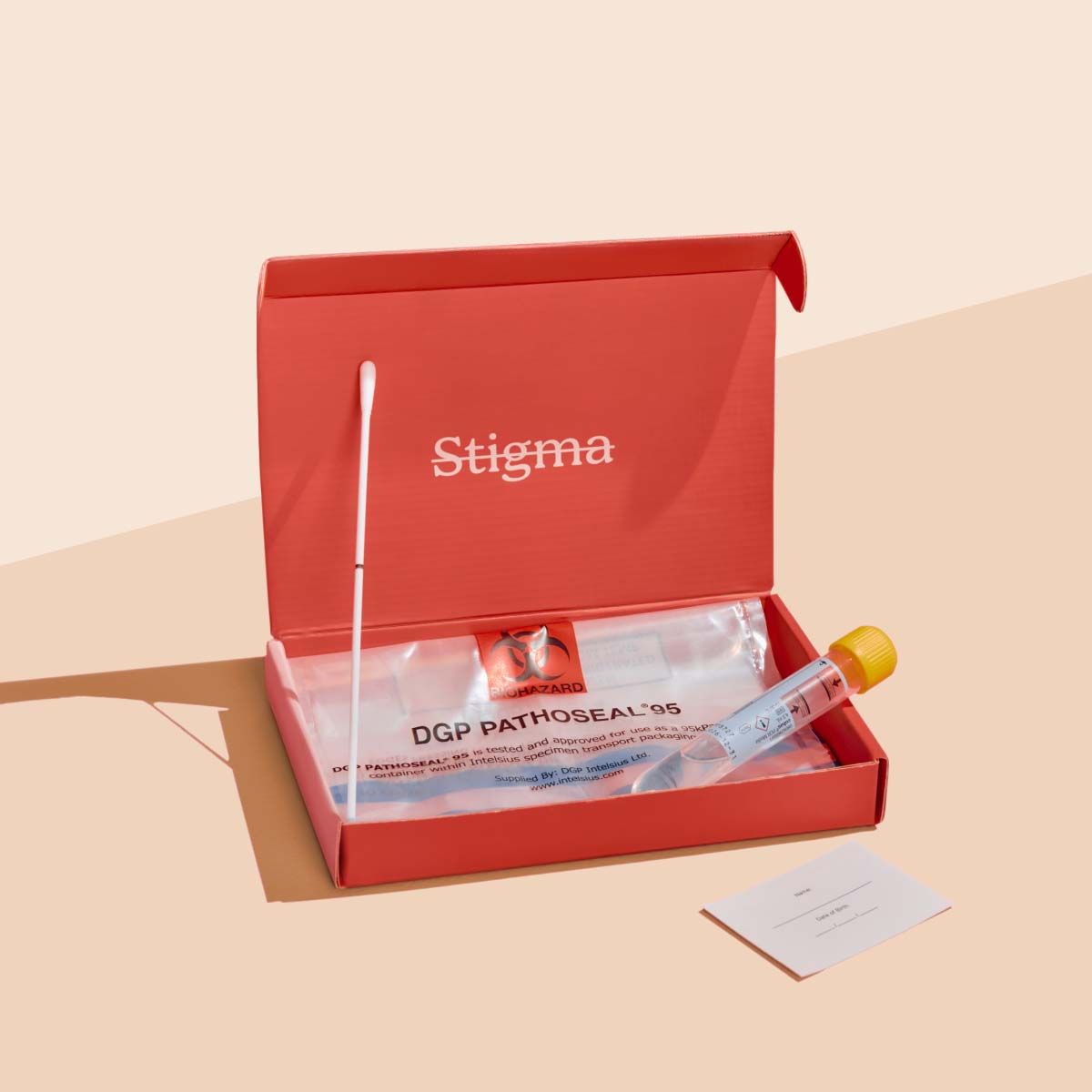
Vaginitis Test
$159
Test for the 10 most common disruptive microbes from the comfort of home with one swab.