Written by Kathleen Morrison
Medically Reviewed by Andrea Sleeth WHNP-BC, MSCP
Key takeaways:
- UTIs and STIs can cause similar symptoms like burning when you pee, frequent urges, pelvic discomfort, or unusual discharge—but they’re caused by different types of infections.
- UTIs happen when bacteria enter your urinary system, usually affecting the bladder or urethra. They’re treated with antibiotics, and most people start feeling relief within 24–48 hours.
- STIs spread through sexual contact and can affect the genitals, rectum, or throat. Treatment depends on the infection type—bacterial STIs use antibiotics, while viral infections are managed with antivirals.
- Testing is the only way to know for sure—guessing based on symptoms alone can lead to delays or ineffective treatment.
- Timing matters: get tested for UTIs as soon as symptoms appear, and wait the appropriate window for STI tests for the most accurate results.
- Early, correct treatment can help prevent complications, support faster recovery, and reduce the risk of spreading the infection to your partners.
Feeling a random burn when you pee or noticing some pelvic discomfort can be pretty stressful, and it’s totally normal to wonder, “Is this a UTI or an STD?”
While the symptoms can feel similar, knowing the difference matters because the way each is treated is super different. Getting it wrong can mean unnecessary stress or getting a treatment that doesn’t actually help.
Basically, a urinary tract infection (UTI) happens when bacteria sneak into your urinary system, usually affecting your bladder or urethra. Sexually transmitted diseases (STDs), on the other hand, are infections that spread through sexual contact and can affect different parts of your body. The overlap in symptoms—like painful urination, unusual discharge, or lower abdominal pain—can make it tricky to tell them apart.
The best move? Getting tested. Accurate testing gives you clarity and lets you get the right care without guessing or stressing.
A quick breakdown of a UTI vs. an STD
Here’s a quick guide to spotting the differences between a UTI and sexually transmitted infections.
Where it shows up:
- STD (general): Genital area (penis, vulva, vagina, cervix), and sometimes rectum or throat, depending on the infection.
- UTI (general): Anywhere in your urinary system—urethra, bladder, ureters, or kidneys.
How it usually feels:
- STD (general): Can include burning when you pee, unusual discharge, sores, itching, or pain during sex. Symptoms vary widely depending on the infection.
- UTI (general): Internal burning when you pee, frequent urgent need to go, pressure in your lower abdomen, sometimes cloudy or smelly urine.
Early signs to watch for:
- STD (general): Unusual discharge, sores or bumps, itching, pain during sex, or flu-like symptoms in some cases.
- UTI (general): Sudden urge to pee, mild burning, or a general sense of discomfort in your lower belly.
What it looks like:
- STD (general): Discharge can be clear, white, yellow, green, or bloody; sores or warts may appear; sometimes there are no visible signs at all.
- UTI (general): Usually clear, cloudy, or reddish urine, sometimes with a strong odor.
How it’s treated:
- STD (general): Depends on the infection—antibiotics for bacterial STDs, antiviral medications for viral STDs, or antifungal meds for yeast-related infections.
- UTI (general): Antibiotics prescribed by a healthcare provider.
How serious it can get:
- STD (general): Ranges from mild to serious and can cause long-term complications depending on the infection, such as infertility, chronic pain, or increased risk of other infections if untreated.
- UTI (general): Can range from mild to serious if the infection reaches the kidneys.
What is a Urinary Tract Infection?
A urinary tract infection happens when bacteria—usually E. coli from your digestive system—sneak into your urinary tract and start multiplying. UTIs are super common, especially for women, because a shorter urethra makes it easier for bacteria to travel up.
While a UTI can show up anywhere in your urinary system, most infections hit the lower tract—the bladder and urethra.
Your body actually has some pretty impressive defenses to keep bacteria out. Urine flow helps flush them away, and the bladder lining produces substances that make it hard for bacteria to stick around.
Sometimes these defenses get overwhelmed, letting bacteria attach, multiply, and trigger the inflammation that causes all those uncomfortable UTI symptoms.
What gets infected?
Your urinary tract has four main parts that work together to filter and remove waste from your body:
- Kidneys: These little powerhouses filter your blood and produce urine.
- Ureters: Tubes that carry urine from your kidneys down to your bladder.
- Bladder: A storage pouch for urine until you’re ready to go.
- Urethra: The exit route for urine when you pee.
Each part can get infected, but some areas are more commonly affected:
- Bladder infections: The most common type, causing frequent trips to the bathroom and pelvic pressure.
- Urethral infections: Usually create that burning sensation when you pee.
- Kidney infections: Less common but more serious, often causing fever, back pain, and nausea.
What is a Sexually Transmitted Infection?
A sexually transmitted infection, or STI, spreads from person to person through sexual contact—vaginal, oral, or anal.
They’re caused by bacteria, viruses, or parasites that thrive in warm, moist areas of the body. STIs are super common, with millions of new cases every year.
The tricky part is that many STIs don’t show symptoms at first, which is why regular testing is such a smart move if you’re sexually active. You can have an STI and not even know it, which makes partner communication important.
Most bacterial STIs are treatable with prescription antibiotics, and viral infections can be managed with antiviral medications so you can stay on top of your sexual health.
Wisp treatment options are available only after consultation with a licensed medical professional. You should consult with your healthcare provider before starting a new supplement or treatment regimen. Individual results may vary.
How STIs spread
STIs are generally transmitted through bodily fluids and skin-to-skin contact. Semen, vaginal fluids, blood, or other kinds of body juices can carry infection-causing organisms from one person to another.
Some STIs, like herpes and HPV, spread through direct contact with infected skin or mucous membranes—even if you don't have any visible sores.
Different kinds of sexual activities have different levels of risk. Unprotected penetrative sex is usually the highest risk, but oral sex can still transmit infections like gonorrhea, chlamydia, syphilis, and herpes.
Even non-penetrative contact, like genital touching or sharing sex toys, can pass on certain STIs.
Overlapping symptoms between UTIs and STIs
UTIs and STIs can share a bunch of similar symptoms, which is why it’s so tricky to figure out what’s going on without testing. Both infections trigger inflammation in nearby tissues, so your body responds in ways that look and feel alike. Here are the most common signs that pop up in both:
- Burning sensation while peeing: That unmistakable sting when you urinate is often the first clue. It can range from a mild tingle to a sharper discomfort, affecting your urethra, bladder, or genital area.
- Frequent urges to pee: Feeling like you constantly need to go, even if only a little comes out, can appear in both conditions.
- Pelvic or lower abdominal discomfort: Pressure, aching, or cramps in your pelvic area can show up with UTIs or STIs.
- Unusual discharge: Changes in color, consistency, or smell of vaginal or penile fluids can indicate an infection.
- Irritation or redness: Inflammation around your genitals, urethra, or surrounding skin can be another overlapping sign.
Because these symptoms overlap, guessing isn’t the way to go. Professional testing is the fastest, easiest way to know what’s actually happening and get the right treatment.
You can also make your own life easier with discreet mail-in STI/STD tests and rapid UTI treatment via same-day pharmacy* pickup or free delivery.
*Most prescriptions are sent to your pharmacy within 3 hours of completing your medical intake form and phone call or video chat when necessary.
How do you know if it's a UTI or an STD?
Unfortunately, figuring out whether you’re dealing with a UTI or an STI isn’t something you can do just by guessing from symptoms (a bunch of people have tried, it never works out well).
Professional testing is the only way to know for sure and get the right care. Luckily, modern healthcare makes it super convenient, whether through quick clinic visits or at-home testing kits that send lab-verified results straight to your phone.
With telehealth and mail-in testing, you can skip the awkward in-person waiting room and still get accurate results. Think same-day online visits, licensed provider follow-up, and prescriptions sent to your pharmacy today or shipped free. It’s basically healthcare without the stress, from your couch!
When to get tested
Timing matters for getting accurate results (which you definitely want).
For UTIs, testing as soon as symptoms appear is best since the infection can move from the bladder to the kidneys quickly. Most people notice symptoms within a day or two, so acting fast helps you feel better sooner.
For STIs, some infections need a little time before tests will pick them up. Chlamydia and gonorrhea tests are most accurate about a week after exposure. HIV and syphilis might require a few weeks before results are reliable. Knowing when to test helps you get answers quickly and take charge of your sexual health.
Treatment options for each infection
Both infections usually respond really well when caught early. The trick is finishing the full course of antibiotics, even if you start feeling better before the last dose. Stopping early can let the infection come back stronger or harder to treat. For STIs, your partner may also need treatment to avoid reinfection, while UTIs usually just need individual care.
UTI treatment
Most UTIs need antibiotics to clear the bacteria completely. Common options include nitrofurantoin, amoxicillin-clavulanic acid, and fosfomycin. Your provider picks the best one for you based on your symptoms, medical history, and local bacterial resistance. Most people feel symptom relief within a day or two of starting treatment.
A standard course for a simple UTI usually lasts a few days. Complicated UTIs or kidney infections may require a week or two or, in severe cases, intravenous antibiotics. Drinking plenty of water alongside your prescription can help flush out bacteria and support your body in bouncing back.
STI treatment
STIs need the right medication to clear up the infection, and the type you need is gonna depend on what’s going on down here.
Most bacterial STIs, like chlamydia, gonorrhea, and syphilis, are treated with prescription antibiotics.
Viral STIs, like herpes or HIV, aren’t curable, but antiviral medications can help you manage your symptoms and keep the virus under control.
It’s important to take every dose exactly as prescribed. Stopping early can let the infection stick around or come back stronger. For bacterial STIs, your partner may also need treatment to avoid reinfection.
Know the difference and take charge (ASAP)
If you've been confused whether that burning when you pee is a UTI or an STD, it's totally understandable—these two can feel super similar at first.
But UTIs usually stick to your bladder and urinary tract, giving you that familiar urge to pee all the time, cloudy pee, or some pressure down there. STDs on the other hand, can hit the same spots but might also bring extra surprises—like unusual discharge, spotting between periods, rashes, or sores.
Here’s the honest truth: guessing doesn’t work. Testing is the only way to know for sure. And the good news is you don’t even have to leave your house.
Wisp makes it easy with at-home testing, fast online results, and prescriptions sent to your local pharmacy for both UTIs and certain STDs if needed. Catching things early keeps treatment simple, and it saves you from unnecessary stress.
This blog post is for informational and educational purposes only and should not be taken as professional advice. Always consult with a qualified professional before making any decisions based on the information provided here.
Trusted Treatments
UTI Antibiotics Online Prescription
Starting at $65
Prescription antibiotics used to prevent & treat Urinary Tract Infections.

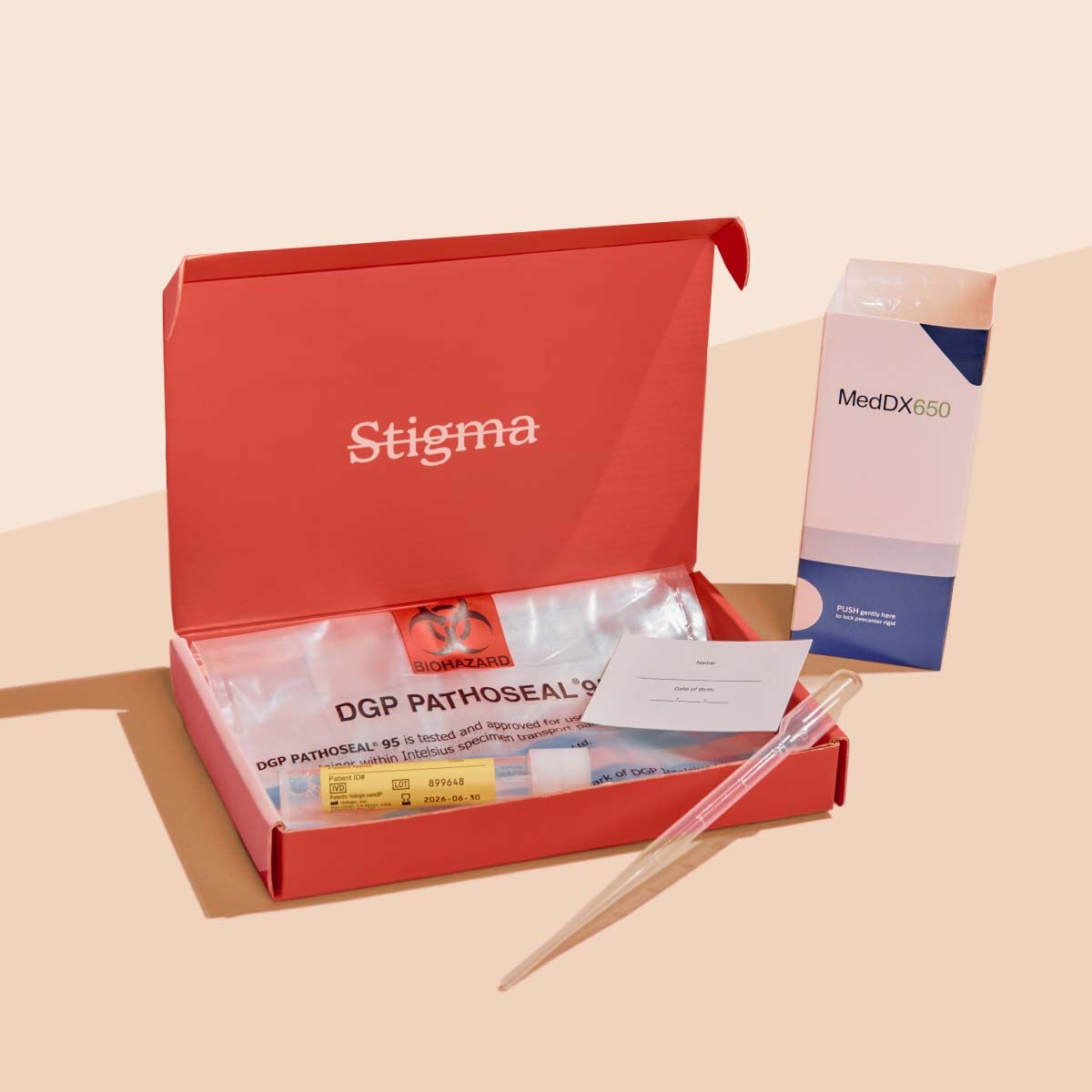
3-Panel Essential STI Test
$99
Take charge of your sexual health from home with this at-home, urine test kit. Consult and treatment included if necessary.