What Is Peptide Therapy?
Types, Benefits, Uses, and Safety
Published July 1, 2026
Written by Kathleen Morrison
Medically Reviewed by Andrea Sleeth WHNP-BC, MSCP, a healthcare provider affiliated with Wisp
Key takeaways:
- Peptides are short chains of amino acids that your body already produces. Peptide therapy uses lab-made versions to support targeted processes like metabolism, tissue repair, hormone signaling, and skin health.
- Common delivery methods include injections, nasal sprays, and oral supplements—each with different absorption rates and use cases.
- Side effects vary by peptide and can include injection-site reactions, nausea, headache, or shifts in blood sugar.
- Provider-led care is the safest path in; peptide therapy should always involve a licensed medical professional who can evaluate whether it's appropriate for you.
Peptide therapy is having a major moment in 2026. Somewhere between the GLP-1 boom, biohacking podcasts, and everyone suddenly tracking their sleep score like it’s a competitive sport.
At this point, peptides have become one of the most talked-about tools in modern wellness. That’s because they’re designed to work with the body’s existing signaling systems instead of taking a one-size-fits-all approach.
So what is peptide therapy, exactly? In simple terms, it uses lab-made versions of your body’s natural signaling molecules to help support specific biological processes.
Today, there’s peptide therapy for longevity, weight management, skin health, recovery, and more. Curious about how it works, and whether it actually lives up to the hype? Let’s get into it.
Wisp treatment options are available only after consultation with a licensed medical professional, if medically appropriate. You should consult with your healthcare provider before starting a new supplement or treatment regimen. Individual results may vary. Must be 18 or older. For medication details and risks, see site for details.
First, what are peptides, and what types are we talking about?
Think of peptides as your body's tiny text messages; short chains of amino acids that carry very specific instructions to very specific places.
They're related to proteins (which are just much longer amino acid chains), but their smaller size is what makes them such precise messengers.
Your body already uses peptides everywhere. Insulin? A peptide. Oxytocin, the "bonding hormone"? Peptide. Glutathione, your master antioxidant? Also, a peptide, technically a tripeptide (just three amino acids).
Here's a quick look at the types that matter most in the context of this conversation:
- Antioxidant peptides like glutathione, which can help support cellular health and the body's natural detox pathways
- Metabolic/GLP-1 peptides like semaglutide, which mimic hormones that regulate appetite, blood sugar, and metabolism;
- Growth hormone-stimulating peptides like CJC-1295 and Ipamorelin gently prompt the body’s natural signaling pathways to produce and release its own growth hormone.
- Structural peptides like collagen peptides, which may help support skin elasticity, joint health, and connective tissue when taken as a supplement
Peptide therapy uses synthetic peptide versions of these naturally occurring molecules and delivers them therapeutically via injection, nasal spray, or oral supplement, depending on the type and goal.
How does peptide therapy actually work?
Every therapeutic peptide is designed to bind to a specific receptor. Much like a key and a lock. Once a peptide reaches its target receptor on a cell's surface, it triggers a targeted cascade of responses inside that cell.
What makes peptide therapies interesting (and different from a lot of traditional medications) is their precision. Rather than affecting multiple systems at once, a specific peptide can target one receptor or pathway.
A few examples of how this plays out:
- GLP-1 peptides (like semaglutide) bind to receptors in the gut and brain that regulate appetite and insulin release, which is why they've become a cornerstone of modern weight care.
- Collagen peptides taken orally break down into bioavailable building blocks your skin uses to support elasticity and structure.
Depending on the peptide, it may be delivered via injection, nasal spray, or oral supplement, each with different absorption rates and purposes.
Peptide therapy for longevity
This is where a lot of people's curiosity lives, and honestly? The science is genuinely interesting here.
Certain peptides can help support healthy aging at a cellular level.
But the thing is, peptide therapy benefits for longevity aren't about a fountain of youth (sorry). It's about targeted support for systems that help support your lifespan by optimizing your body's natural functions as you age.
Glutathione: your body's original antioxidant
Glutathione is a tripeptide your body produces on its own, but levels decline with age, stress, and environmental exposure.
As a master antioxidant, it can help support cellular health, the body's natural detox pathways, and overall oxidative balance.
When diet and lifestyle alone aren't enough to maintain optimal levels, Glutathione Injections or Nasal Spray may be explored as part of a provider-led wellness plan.
NAD+: the cellular energy co-pilot
NAD+ (nicotinamide adenine dinucleotide) isn't technically a peptide, but it shows up in almost every serious peptide therapy for longevity conversation, and for good reason.
It's a coenzyme involved in cellular energy production, DNA repair, and metabolic function, and its levels decline meaningfully with age.
NAD+ injections or NAD+ nasal spray are often used alongside peptide protocols as part of a broader optimization approach to support energy, cognitive clarity, and overall cellular wellness.
Peptide therapy treatments for weight care
If peptide therapy has a "most talked about" category right now, GLP-1 medications win by a landslide, and the clinical data backs up the attention.
GLP-1 (glucagon-like peptide-1) agonists like semaglutide mimic a hormone your body already makes to signal fullness, slow digestion, and support blood sugar regulation.
They're FDA-approved for type 2 diabetes management. More recently, they have been used off-label to support weight management in people who meet certain criteria.
Popular options include:
- Semaglutide (Wegovy): a once-weekly GLP-1 injection that is FDA-approved for weight management and blood sugar regulation.
- Tirzepatide (Zepbound): a dual GIP/GLP-1 receptor agonist, also once weekly, that may help support weight care and metabolic health.
- Liraglutide (Saxenda): a daily GLP-1 injection that may help support weight management in people who meet specific criteria.
- Compounded Sublingual Semaglutide Drops: a daily under-the-tongue option delivering compounded semaglutide, available for those who prefer a non-injectable format. When combined with a healthy diet and a strength-training routine, it may help support weight-management goals, such as fat loss.
If you're curious whether this approach aligns with your health goals, a weight care consultation is the right place to start.
Peptide therapy for overall skin health
Your skin relies on peptides to maintain elasticity, support repair processes, and sustain that structural integrity that quietly does a lot of heavy lifting (literally).
Collagen is the most recognizable peptide in the wellness space to help support skin rejuvenation.
Hydrolyzed collagen peptides break down into bioavailable building blocks your body may be able to use to help support skin, joints, and connective tissue.
Unlike injected peptides that must bypass digestion, oral collagen is designed to be absorbed systemically. And, it can help support skin hydration and elasticity as part of a consistent routine.
Hydrolyzed Collagen Tablets are one option to explore for daily structural support.
These statements have not been evaluated by the Food and Drug Administration. This product is not intended to diagnose, treat, cure, or prevent any disease. Individual results may vary.
Other types of peptide therapy
There are other types of peptide therapies, including those that support growth hormone secretion and muscle recovery.
However, growth hormone-related peptide therapies are used off-label for wellness purposes. They are not FDA-approved for muscle growth or anti-aging goals, and this should be clearly understood before exploring them.
An in-person provider evaluation is essential before considering this type of peptide therapy.
Wisp does not currently offer growth hormone peptide therapy. If you're interested in exploring this option, we recommend consulting an in-person provider who can evaluate whether it's appropriate for your individual needs and health history.
Is peptide therapy safe?
It depends on the peptide, the source, and whether you're working with a licensed provider. FDA-approved peptide therapies used as directed have established safety profiles.
Off-label peptide use carries more uncertainty because these compounds don’t undergo the same level of clinical testing for your specific goal.
That doesn't automatically mean they're unsafe, but it does mean the evidence base varies widely.
Across different peptide therapies, common side effects may include:
- Injection site reactions (redness, swelling, or itching)
- Nausea or digestive discomfort
- Headache or dizziness
- Changes in appetite
- Fatigue or water retention
- Blood sugar fluctuations
This is not a complete list of risks and side effects, and others may occur. If symptoms worsen or you notice signs of an allergic reaction, contact a provider right away.
One thing worth underscoring: the source of your peptides matters enormously. Peptides from unregulated sources may be contaminated, mislabeled, or incorrectly dosed.
Working with a licensed provider who prescribes through certified pharmacies is a non-negotiable part of doing this safely.
Where to get peptide therapy
Peptide therapy should always be provider-led. A licensed medical professional needs to evaluate your health history, your goals, and whether a specific peptide is appropriate for you before anything is prescribed.
Telehealth has made this more accessible than ever; no specialized anti-aging clinic or lengthy wait is required.
What to look for in a provider:
- Licensed physicians or nurse practitioners reviewing your case personally
- A patient intake form and evaluation before prescribing
- Medications sourced from licensed, certified pharmacies
- Clear, honest information about off-label uses and the current state of evidence
- Ongoing monitoring and follow-up options
If anyone is willing to sell you peptides without a proper evaluation, that's your cue to walk away.
Your next step toward feeling your best
Peptide therapy is one of the more exciting frontiers in modern wellness, and also one where having the right guidance genuinely changes the outcome.
Whether you're curious about metabolic health, longevity support, or just want to understand your options without a side of overwhelm, Wisp makes it easy to connect with a licensed provider on your schedule, from wherever you are.
Because your health decisions should feel empowering, not like homework.
Wisp is not affiliated and does not sponsor or endorse any company names, logos, or brands shown or mentioned. All product names, logos, brands, and other trademarks or images shown or mentioned are the property of the respective brand owners and are only used to identify the products and services of their respective owners.
This blog post is for informational and educational purposes only and should not be taken as professional advice. Always consult with a qualified professional before making any decisions based on the information provided here.
Trusted Treatments
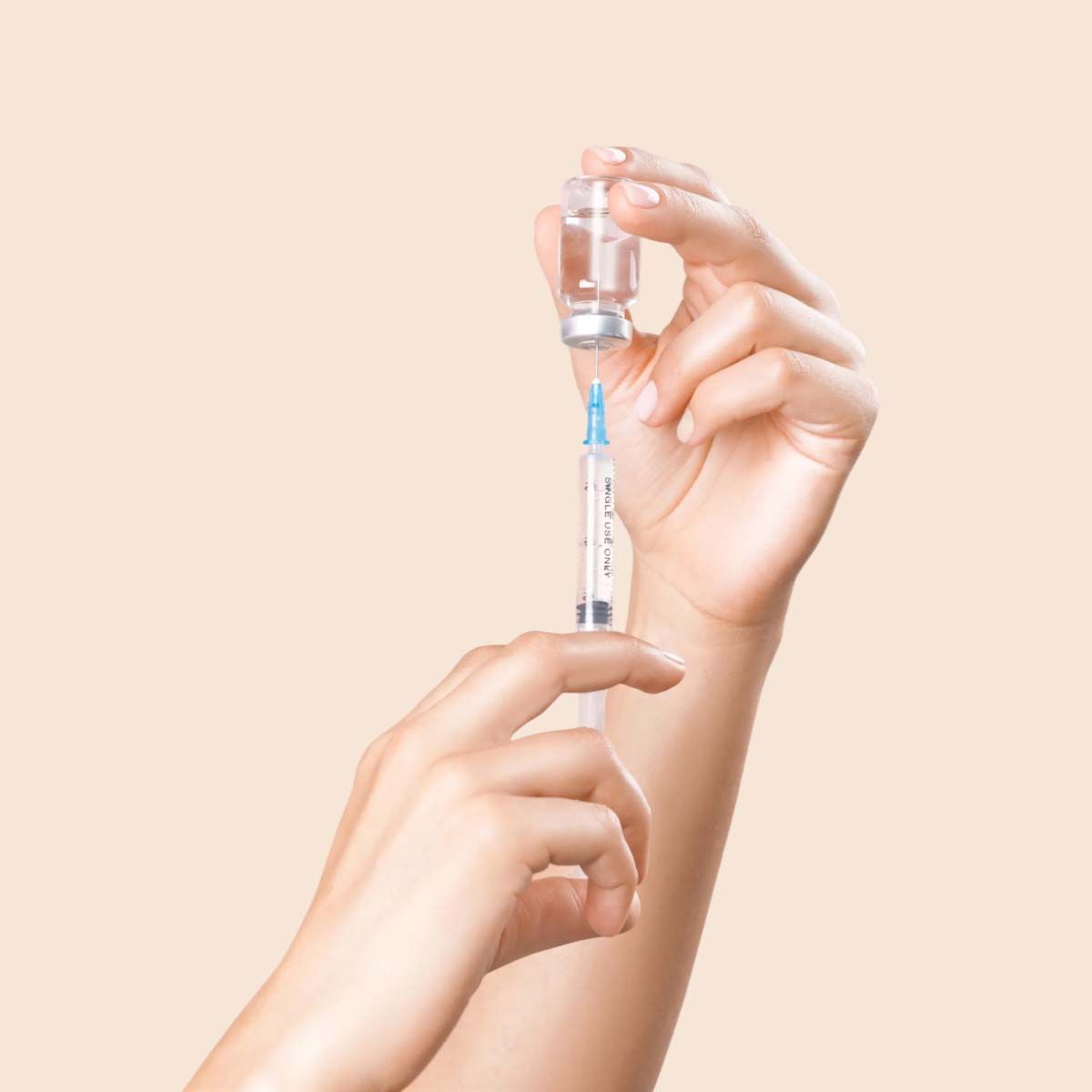
Glutathione Injection
Starting at $125/ month
The most direct antioxidant support for cellular defense and detox.

Weight Care Consult
$99
Prescription weight loss treatment and expert guidance to achieve your health goals safely and effectively.
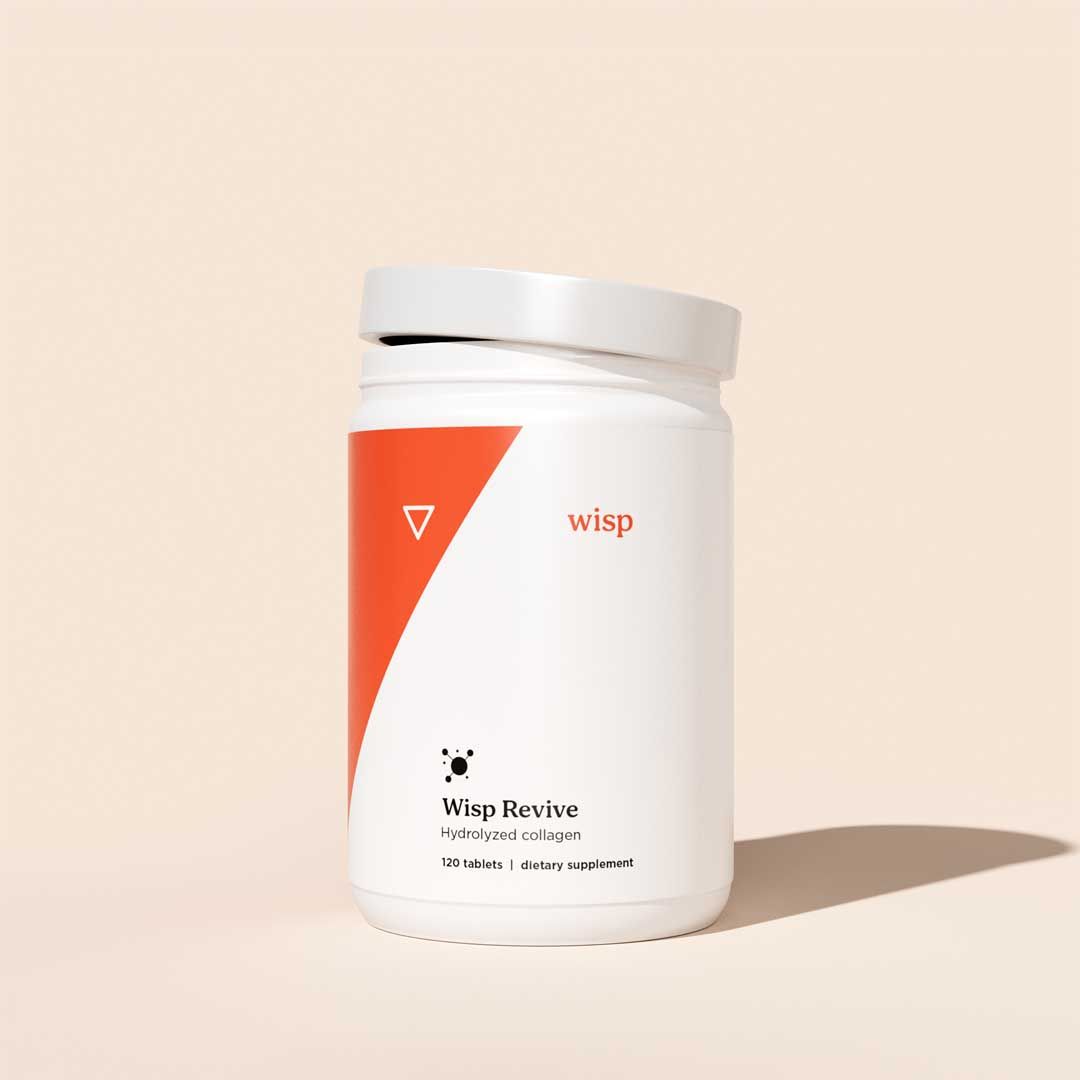
Wisp Revive Collagen Tablets
Starting at $22/ month
Support healthy hair, skin, and nails with hydrolyzed collagen.
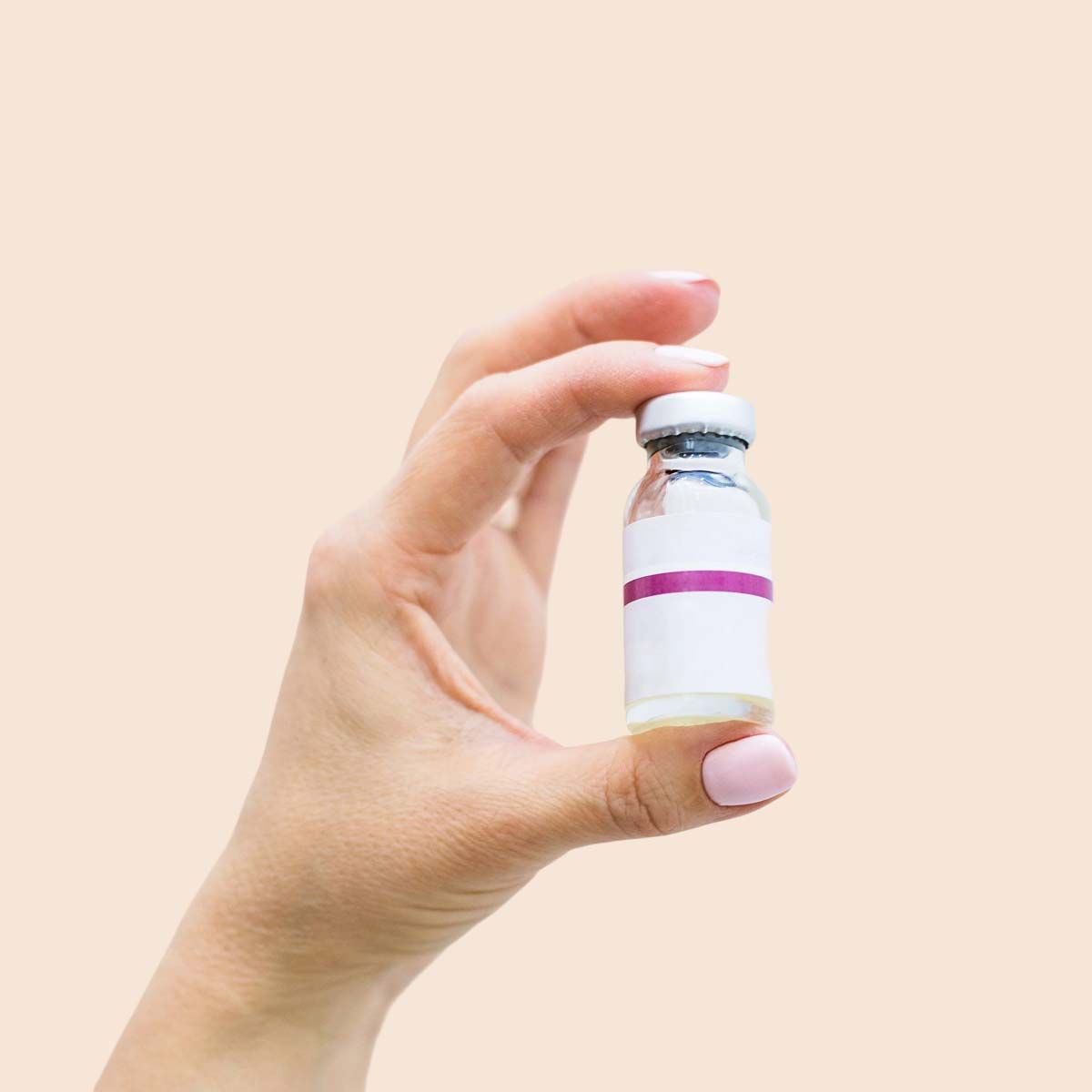
NAD+ Injections
Consult: $25
Acute support for improved energy & focus as you age.
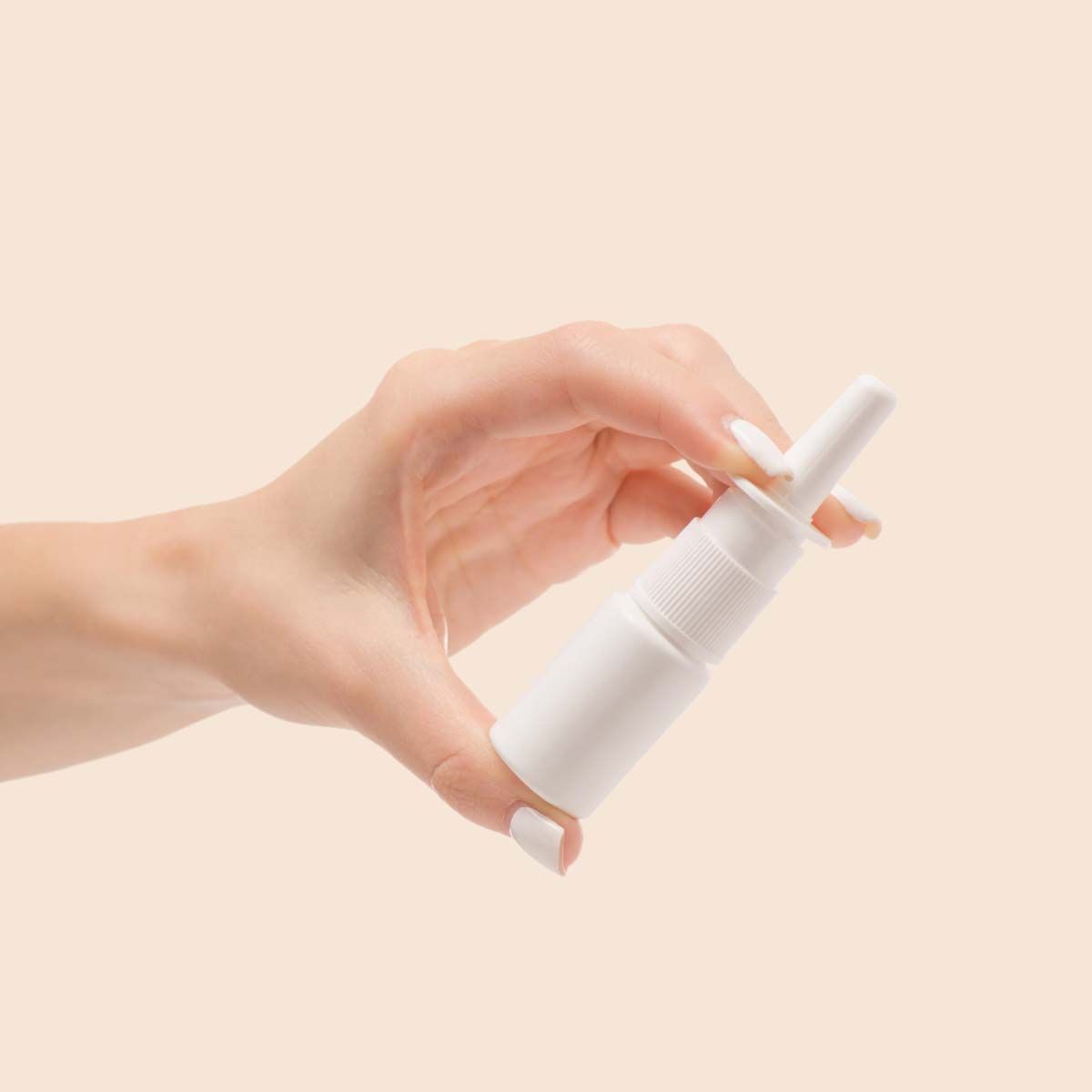
NAD+ Nasal Spray
Starting at $150
Daily nasal spray to help support vitality and healthy aging.
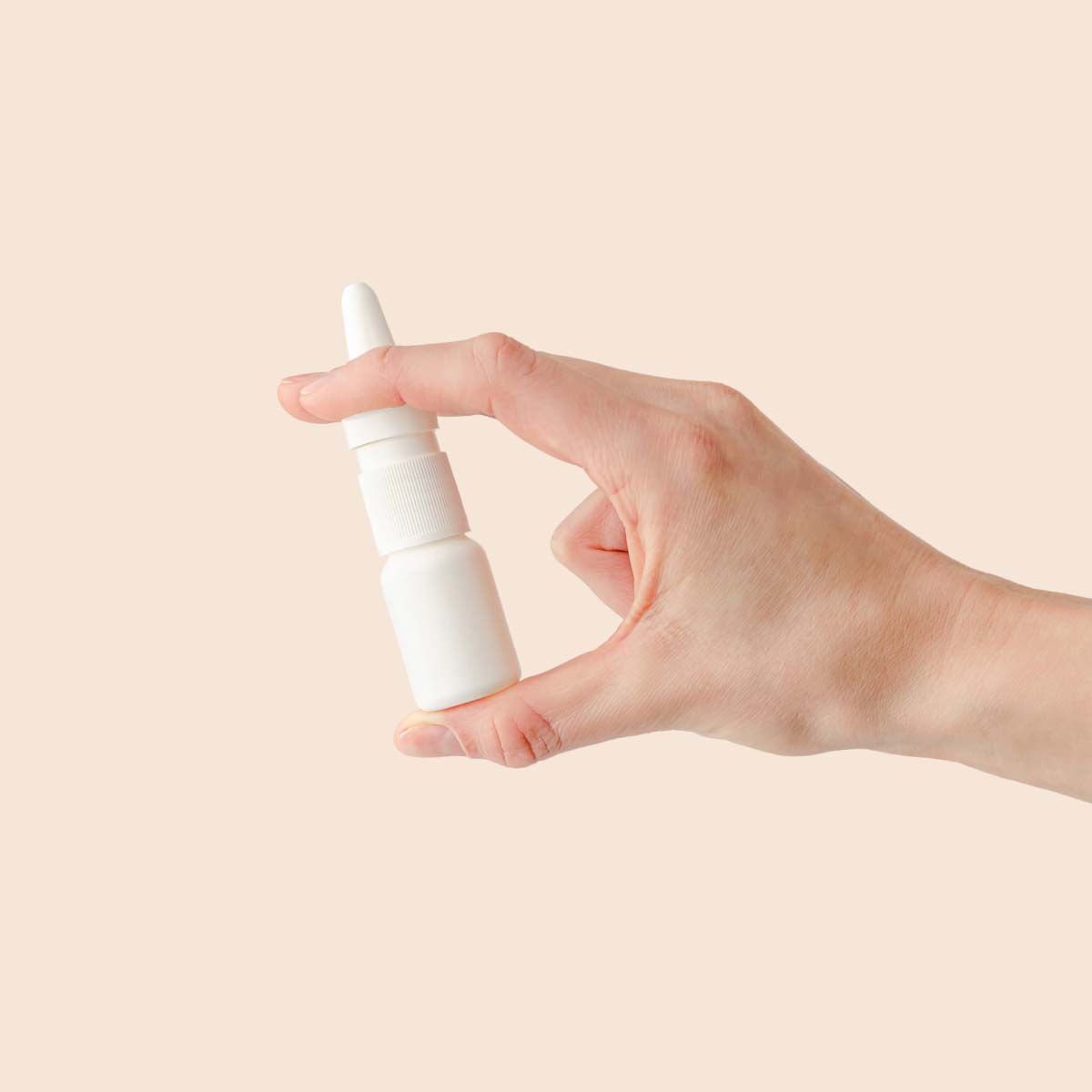
Glutathione Nasal Spray
Starting at $130
Daily antioxidant nasal spray to support mental clarity, help protect against oxidative stress, reinforce immune health, and more.