

Yeast Infection Bleeding:
What it Means and What to Do
Published on May 5, 2026
Written by Kathleen Morrison
Medically Reviewed by Andrea Sleeth WHNP-BC, MSCP, a healthcare provider affiliated with Wisp
Key takeaways
- Minor spotting during a yeast infection is usually caused by irritation or small tears from scratching, not the infection itself
- True, heavy bleeding with a yeast infection is rare and may point to another condition
- Over-the-counter antifungal treatments can help with mild infections, but prescription antifungal medication is an option when OTC hasn't done the job
- Seek care if bleeding is heavy, persistent, or comes with pelvic pain, fever, or unusual discharge
- Recurring infections, bleeding after sex, or symptoms that don't clear with treatment all warrant a conversation with a healthcare provider
Noticed a little blood alongside itching or that classic cottage cheese discharge? First things first: take a breath. Yeast infections aren't usually this dramatic, but minor spotting genuinely can happen, and it's more common than most people realize.
Most of the time, any bleeding comes down to irritation or tiny skin tears from scratching, not the infection itself. That said, knowing what's normal versus what deserves attention is exactly what puts you in control. For most people, prescription yeast infection antifungals clear things up quickly once the right diagnosis is confirmed.
Typical yeast infection symptoms include intense itching, redness, swelling, and thick, white discharge with little to no odor. Avoiding scented products, wearing breathable cotton underwear, and keeping the area dry can all help support vaginal health during and after treatment. If bleeding continues, symptoms return often, or discomfort runs deeper than usual, it's worth getting evaluated. You deserve clear answers and a care plan that works.
Wisp treatment options are available only after consultation with a licensed medical professional. You should consult with your healthcare provider before starting a new supplement or treatment regimen. Individual results may vary.
Spotting or bleeding—what's the difference?
Hard to know what your body is signaling sometimes. Here's a quick breakdown:
- Spotting: Very light, pink, or light brown blood. Usually only shows up on toilet paper or underwear.
- True bleeding: Heavier and bright red, likely requiring a pad or tampon.
With a vaginal yeast infection, spotting is far more common than full-on bleeding. Inflammation in the vagina and vulva can cause tiny amounts of blood, especially after wiping or during sex, and this typically resolves once the infection clears. If you're soaking through pads, seeing clots, or bleeding for more than a couple of days, something else may be going on.
What can cause bleeding with a yeast infection?
A yeast infection can sometimes lead to minor bleeding, usually because the tissue is inflamed and irritated. Understanding why it happens helps you figure out what you can handle at home and when it's worth looping in a provider.
Microabrasions from itching
Intense itching is one of the hallmarks of a yeast infection, and scratching can feel like the only option for relief. The catch? It creates tiny cuts called microabrasions on already-sensitive skin, which can leave light pink or red streaks on tissue or underwear.
The more you scratch, the more damage may accumulate, and the more irritated things can get. It's a frustrating cycle. Over-the-counter antifungal treatments, paired with gentle external itch relief, can help give your skin a chance to heal while addressing the infection itself.
Inflammation and fragile skin
A yeast infection triggers an immune response that causes redness, swelling, and inflammation, making the tissue temporarily fragile. Even routine things like inserting a tampon, having sex, or just going about your day can cause light spotting when the area is this sensitive. This usually settles as the infection clears and inflammation calms down. Gentle care and avoiding further irritation can help your body bounce back.
Other possible causes
Sometimes, light bleeding during a yeast infection has nothing to do with the yeast at all. Hormonal fluctuations, cervical irritation, or another type of infection, like an STI, can also be the culprit. If you notice heavy flow, clots, bleeding after sex, or anything that feels off for you, getting it checked sooner rather than later is the right call.
Signs to watch when bleeding is involved
Not all bleeding during a yeast infection is cause for alarm, but paying attention to what's happening helps you figure out your next steps.
Spotting vs. heavier bleeding
Light bleeding alongside classic yeast infection symptoms (itching, burning, thick white discharge) is usually just irritation from the infection, and it tends to improve once treatment begins. Signs that deserve extra attention include:
- Bleeding that continues even after finishing treatment
- Blood after sex
- Spotting between periods that's unusual for you
- Bleeding accompanied by pelvic pain or cramping
Discharge and odor changes
Your discharge can tell you a lot about what's going on. Yeast infections typically produce thick, white, cottage cheese-like discharge with little to no odor, sometimes a faint yeasty scent. If you're seeing gray, green, or yellow discharge or a strong fishy smell, another type of infection may be at play.
Bacterial vaginosis (BV) typically causes thin gray discharge with a noticeable odor, and some STIs can also affect discharge color or smell.
When blood mixes with discharge
Blood mixed with discharge can look pink, light brown, or streaky red. If it shows up alongside typical yeast infection symptoms and no strong odor, irritation is most likely the cause. Discharge that smells foul or looks unusual alongside bleeding is worth a prompt check-in with a healthcare provider.
Other causes of vaginal bleeding
A yeast infection can cause light spotting, but it's not the only explanation. Knowing what else could be going on helps you figure out when to get checked.
Bacterial vaginosis and STIs
Bacterial vaginosis happens when vaginal bacteria fall out of balance. It can cause irritation and sometimes spotting, especially after sex. Signs of BV often include thin, grayish discharge and a fishy smell.
Sexually transmitted infections like chlamydia, gonorrhea, or trichomoniasis can also cause bleeding by irritating the cervix, which can bleed easily when touched. Other signs can include unusual discharge, burning when you pee, or pelvic discomfort. If you're sexually active and noticing bleeding, getting tested for STIs is a smart move. Many infections show no obvious symptoms early on, and most bacterial STIs respond well to prescription antibiotics with prompt treatment.
Non-infection causes
Not all vaginal bleeding comes from an infection. Common non-infectious reasons include:
- Menstrual cycle changes, like irregular periods or breakthrough bleeding while on birth control
- Cervical irritation from sex, a pap smear, or cervical polyps
- UTIs where blood in the urine can be mistaken for vaginal bleeding
- Pregnancy-related bleeding, such as implantation or early complications
- Hormonal shifts that make vaginal tissue more sensitive
If your bleeding doesn't match typical yeast infection symptoms, or if pregnancy is possible, checking in with a healthcare provider is the safest next step.
When to get medical help
Most yeast infections clear up well with over-the-counter treatments, but sometimes your body is telling you something more is going on. Getting the right care sooner can save stress and get you feeling better faster.
Reach out to a healthcare provider if you notice any of the following:
- Bleeding that's heavy or lasts more than a couple of days
- Deep pelvic pain along with bleeding
- Symptoms that don't improve after a full course of treatment
- This is your first yeast infection, and you'd like confirmation
- Four or more yeast infections in a year
- A confirmed or possible pregnancy
- Fever alongside vaginal symptoms
- Bleeding and severe pain after sex happen regularly
For persistent or recurrent infections, prescription antifungal medication often works better than over-the-counter options. Telehealth makes it easy to get a prescription quickly, no in-person waiting room required. If bleeding is heavy, painful, or comes with a fever, don't wait it out.
Prescription treatment options
When over-the-counter options haven't done the trick, or if infections keep coming back, a prescription antifungal medication like fluconazole (generic Diflucan) is your next step. A single prescription dose can often clear an infection within a few days. For stubborn or recurring cases, a provider may recommend multiple doses spaced over a few weeks.
Prescription treatment may make sense if:
- OTC treatments like clotrimazole and miconazole haven't worked after a full course
- You've had multiple infections in a short period
- Symptoms are severe or significantly uncomfortable
- You're unsure whether it's actually a yeast infection
For cases involving bleeding or frequent flare-ups, getting evaluated and starting the right prescription can save time, discomfort, and unnecessary worry. Telehealth makes it simple to connect with a licensed provider and get a prescription quickly and privately.
Potential side effects of antifungal treatments
Both over-the-counter and prescription antifungal treatments can have side effects, so it helps to know what's normal versus what needs a closer look.
Common side effects of OTC vaginal antifungal creams, such as miconazole and clotrimazole, include:
- Clotrimazole side effects: Mild vaginal burning, itching, or irritation. Systemic allergic reactions (hives, difficulty breathing, or swelling of the face, lips, tongue, or throat) are rare but require emergency medical attention.
- Miconazole side effects: a temporary increase in burning, itching, or irritation when the cream or suppository is inserted. Some users may also experience abdominal cramping or headaches. Stop use and consult a healthcare provider if you develop hives, severe burning, or a skin rash.
Common side effects of oral fluconazole (generic Diflucan) include:
- Headache
- Nausea
- Stomach pain or diarrhea
- Dizziness
This is not a complete list of risks and side effects, and others may occur. If symptoms worsen or you notice signs of an allergic reaction, contact a provider right away.
Taking control of your vaginal health
Yeast infection bleeding can feel alarming, but in most cases it's just light spotting from irritation or scratching—and that typically clears up once the infection is treated. Heavier, persistent, or painful bleeding is less common and may point to something else, which is always worth getting checked out.
For typical yeast infections with mild spotting, over-the-counter antifungal options can often do the job. A 3-day or 7-day treatment paired with external itch relief can help calm irritation and give your skin a chance to recover.
If your symptoms or bleeding stick around after treatment, or infections keep coming back, Wisp offers a simple, private way to connect with a licensed provider and get prescription antifungal treatment—without the in-person waiting room.
Taking control of your vaginal health is about knowing when home care is enough and when a little extra professional support can make a real difference in feeling like yourself again.
This blog post is for informational and educational purposes only and should not be taken as professional advice. Always consult with a qualified professional before making any decisions based on the information provided here.
Trusted Treatments

Diflucan, Generic Fluconazole (Yeast Antifungals)
Starting at $45
Prescription antifungals used to treat vaginal yeast infections
BV Antibiotics (Tablets or Gel)
Starting at $15
Request topical or oral prescription antibiotics to treat bacterial vaginosis.
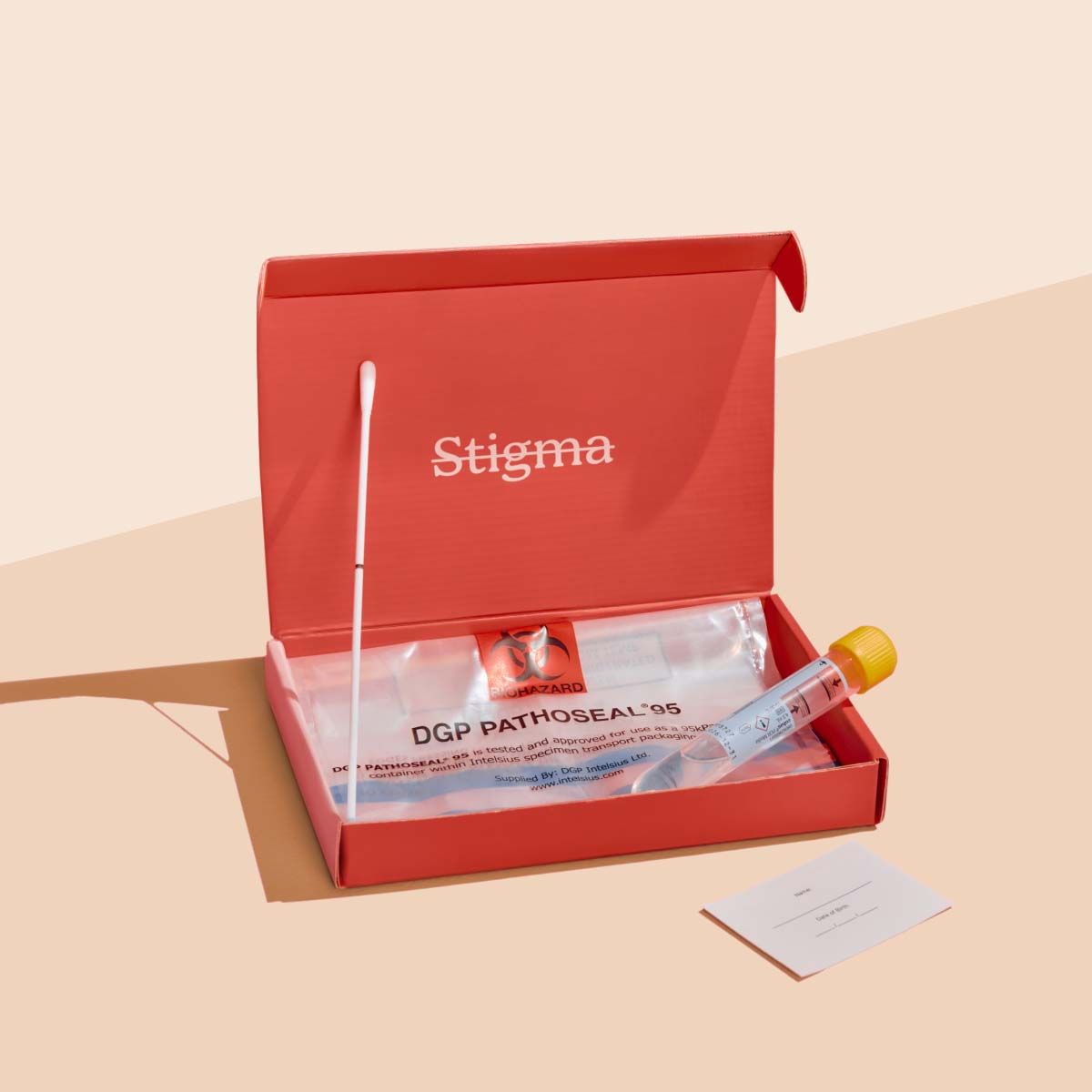
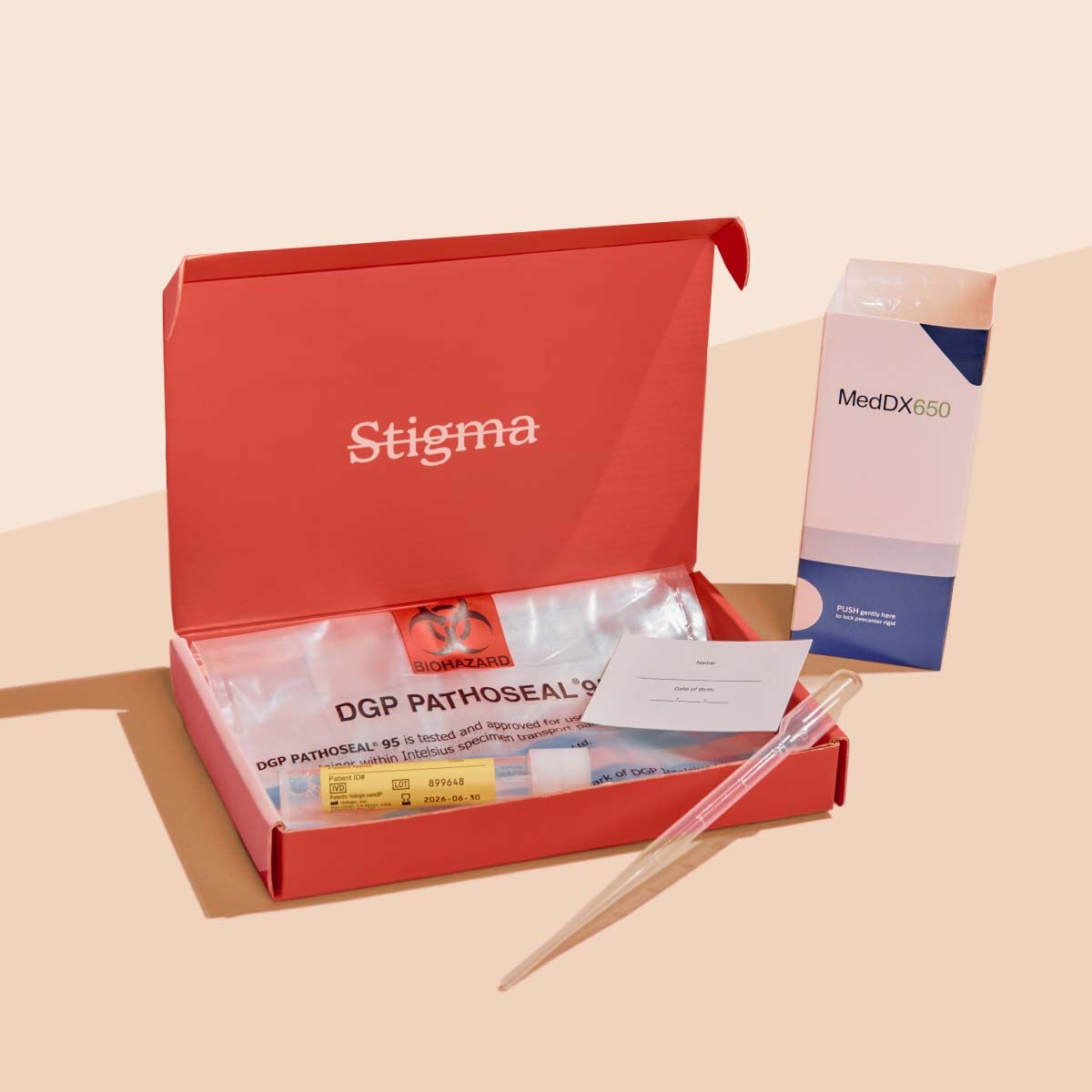
Vaginitis Test
$159
Test for the 10 most common disruptive microbes from the comfort of home with one swab.
3-Panel Essential STI Test
$99
Take charge of your sexual health from home with this at-home, urine test kit. Consult and treatment included if necessary.