
Yeast Infection Postpartum:
Causes, Symptoms, and Treatment
Published on April 22, 2026
Written by Kathleen Morrison
Medically Reviewed by Andrea Sleeth WHNP-BC, MSCP
Key takeaways
- Postpartum yeast infections are super common due to hormonal changes, antibiotic use during labor, and all that moisture from pads and healing.
- Symptoms include intense vaginal itching, thick white discharge that looks like cottage cheese, redness, and irritation around the vagina and the vulva.
- Many treatments are considered safe while breastfeeding, including topical antifungal creams like miconazole or clotrimazole and oral fluconazole (Diflucan).
- Thrush can show up on your nipples or in your baby's mouth. Watch for cracked nipples, burning pain during feeds, and white patches in the baby's mouth.
- Keeping the genital area dry, wearing breathable cotton underwear, and skipping scented products can help support vaginal health during recovery.
Itching, burning, or cottage cheese-like vaginal discharge after giving birth? You're not imagining things, and you're definitely not alone.
Postpartum yeast infections are common! Your body just went through a major event, and all those hormonal shifts, antibiotics during delivery, sweaty pads, and the general chaos of new parenthood can set the stage for Candida overgrowth.
The good news? A yeast infection is a fungal infection that's uncomfortable but totally manageable.
Whether you had a vaginal birth or a C-section, understanding what's happening can make it easier to get relief and get back to feeling like yourself (or at least a functioning version while running on three hours of sleep).
What is a postpartum yeast infection?
A vaginal yeast infection, also called vaginal candidiasis, happens when Candida yeast, a type of fungus that normally lives in small amounts in your vagina, overgrows.
Your vagina naturally keeps yeast in the vagina in check with good bacteria (hello, lactobacillus and acidophilus), but after childbirth, that balance can get thrown off pretty easily.
Pregnant women and new parents are especially susceptible because the postpartum period brings a perfect storm of factors that can tip the scales.
Whether you're a few days or several weeks postpartum, vaginal candidiasis can pop up and make recovery even more annoying.
Why are yeast infections more common after birth?
Your body goes through dramatic hormonal changes after giving birth. During pregnancy, estrogen levels climb high to support your growing baby.
After delivery, those estrogen levels drop fast, and this sudden shift can affect the vaginal environment in ways that can allow Candida albicans (the most common culprit behind yeast infections) to flourish.
If you're breastfeeding, your estrogen levels stay lower for longer, keeping your vagina's natural defenses in a more vulnerable state.
Other factors that can increase postpartum yeast infection risk
It's not just about hormones. Here's what else contributes to an increased susceptibility to the infection:
- Antibiotics during labor: If you received antibiotics for Group B strep, a cesarean section, or any infection, those medications frequently wipe out good bacteria along with the bad, leaving yeast room to grow.
- Moisture: Between lochia (postpartum bleeding), pad usage, and general sweating, your genital area stays moist. Yeast loves warm, damp environments.
- Weakened immune system: Your body is recovering from a huge event, and your immune system may not be firing on all cylinders.
- Diabetes or gestational diabetes: If your blood sugar was elevated during pregnancy and hasn't fully stabilized, yeast infections may be more likely since yeast feeds on sugar.
How to spot symptoms of a yeast infection postpartum
Recognizing a yeast infection in the weeks after delivery can feel tricky. Your body is going through so much change that it's easy to dismiss new discomfort as "just part of recovery."
But knowing what to look for can help you get the right care faster.
The common symptoms of vaginal yeast infections include:
- Intense itching around the vulva and vagina (like, can't-ignore-it level itchiness)
- Thick, white discharge that looks like cottage cheese
- Redness, swelling, or irritation in the vaginal area
- A sore or burning sensation when you urinate or during intimacy
- The discharge typically doesn't have a strong odor
Yeast infection vs. lochia: How to tell the difference
Here's where it gets confusing: postpartum bleeding (lochia) is totally normal after birth. Lochia starts red and heavy, then becomes lighter over several weeks.
It doesn't cause significant vaginal itching. A yeast infection, on the other hand, brings that unmistakable itch along with the characteristic discharge.
Also, pay attention to timing. Many new parents notice infection symptoms appearing a week or two after delivery, especially if they received antibiotics during labor.
If you notice cracks or sores in the vagina or around the vulva along with intense itching, that's another sign something's up.
Thrush while breastfeeding: what to watch for
If you're breastfeeding, a yeast infection while breastfeeding can show up in a frustrating place: your nipples. This is called thrush, and it happens when candida spreads to your breast tissue or transfers between you and your baby.
Signs of nipple thrush include:
- Cracked nipples that look shiny, pink, or unusually red
- Burning, stabbing, or shooting pain during or after feeds
- Deep breast pain that doesn't go away
- Itchiness on or around the nipple
Your baby might also show signs of thrush, like white patches in their mouth that don't wipe away, fussiness during feeds, or a diaper rash that won't quit.
Thrush treatment usually involves treating both you and your baby to avoid passing the fungal infection back and forth. Your provider may recommend nystatin for the baby's mouth and a topical antifungal or a prescription for you.
Nystatin is an antifungal medication specifically used to treat infections caused by yeast, primarily Candida. Unlike many other antifungals, Nystatin works by binding to the cell walls of the fungus, causing them to leak and eventually die off.
Common side effects of nystatin include mouth irritation and upset stomach, which do not usually require medical attention.
Less common side effects of nystatin include:
- Diarrhea
- Nausea or vomiting
- Stomach pain
This is not a complete list of risks and side effects, and others may occur. If symptoms worsen or you notice signs of an allergic reaction, contact a provider right away.
What treatments are safe for yeast infections while breastfeeding?
Finding treatments that work without affecting your milk supply or your baby's health is a top priority for nursing parents.
Over-the-counter antifungal treatments
For vaginal yeast infections while breastfeeding, over-the-counter 7-day azole creams like miconazole or clotrimazole are commonly recommended.
These topical treatments work locally with minimal absorption into the bloodstream, gentler than 1-day treatment kits, which can be too harsh for healing postpartum tissues.
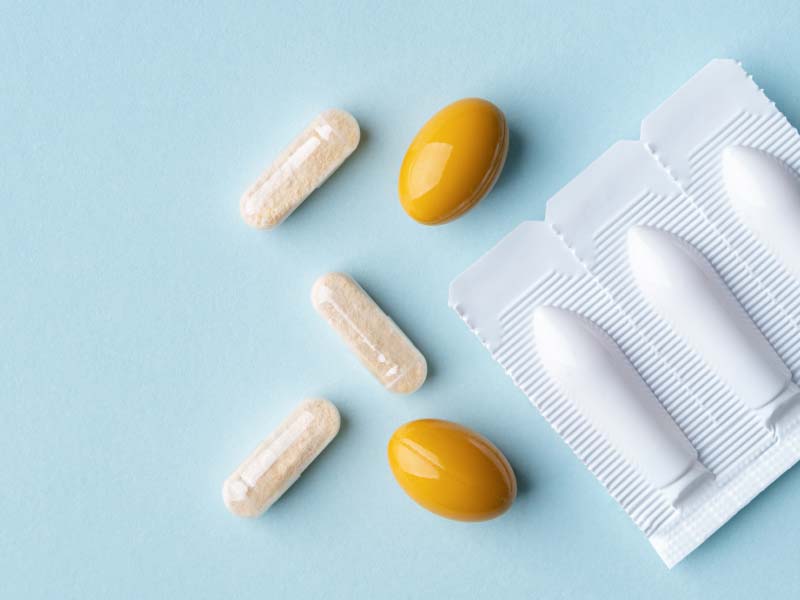
You can also try a suppository form if that's more comfortable. These creams and suppositories treat yeast infections by targeting the fungus directly at the source.
Side effects you should be aware of
Most side effects are mild and stay limited to the skin.
- Side effects of clotrimazole include mild vaginal burning, itching, or irritation. Systemic allergic reactions (hives, difficulty breathing, or swelling of the face, lips, tongue, or throat) are rare but require emergency medical attention.
- Side effects of miconazole include a temporary increase in burning, itching, or irritation when the cream or suppository is inserted. Some users may also experience abdominal cramping or headaches. Stop use and consult a healthcare provider if you develop hives, severe burning, or a skin rash.
This is not a complete list of risks and side effects, and others may occur. If symptoms worsen or you notice signs of an allergic reaction, contact a provider right away.
Prescription antifungal options
When over-the-counter options don't cut it, prescription medications can help. Fluconazole (generic Diflucan) is the most prescribed oral medication for vaginal yeast infections.
A single dose can often clear the infection within a few days. The medication does pass into breast milk in small amounts, so discussing this with your healthcare provider helps you make an informed choice.
For stubborn or recurring infections, your provider might suggest terconazole cream.
Common side effects of this prescription antifungal include headaches and vaginal burning. Some users may experience flu-like symptoms. Your healthcare provider can determine if it's appropriate for you.
This is not a complete list of risks and side effects, and others may occur. If symptoms worsen or you notice signs of an allergic reaction, contact a provider right away.
Wisp treatment options are available only after consultation with a licensed medical professional. You should consult with your healthcare provider before starting a new supplement or treatment regimen. Individual results may vary.
Caring for your vaginal health after delivery
The postpartum period requires gentle care for your healing body. Whether you had a vaginal birth or cesarean section, proper care supports healing and may help manage the risk of yeast overgrowth:
- Keep things clean and dry: Change pads at least every few hours (choose unscented ones without plastic backing). Pat dry instead of rubbing after using the bathroom, and give your vaginal area time to air out when possible.
- Skip anything scented: Your vulva and vagina don't need fancy products. Scented soaps and feminine sprays can disrupt vaginal pH. Plain warm water is enough.
- Skip douching: Please, no douching! It washes away the good bacteria that help fight the infection. Your vagina is self-cleaning.
- Soothe the itch: Cool compresses, sitz baths with plain warm water, and loose breathable clothing can all help while you're waiting for treatment to work.
- Use supportive probiotics: Probiotics containing Lactobacillus strains may help support a healthy vaginal microbiome. You can find probiotics in supplement form or in fermented foods like yogurt with live cultures. Just know that they aren't a treatment for active yeast infections.
When to contact a healthcare provider for postpartum itching
Not every case of postpartum itching, discharge, or discomfort is a yeast infection.
Reach out to your healthcare provider if:
- This is your first suspected yeast infection
- Symptoms are severe or getting worse despite treatment
- You have fever, chills, or pelvic pain
- Discharge has a strong odor or unusual color (green, gray, or yellow)
- You experience four or more yeast infections in a year
Bacterial vaginosis, sexually transmitted infections, a urinary tract infection, and product reactions can all mimic yeast infection symptoms.
Get back to feeling like yourself
Dealing with a postpartum yeast infection adds one more challenge to an already demanding time. But you don't have to figure it out alone.
Understanding your symptoms, knowing which treatments are safe while breastfeeding, and practicing gentle care for your healing body can make a real difference.
If symptoms persist, keep returning, or feel different from a typical yeast infection, reaching out to a healthcare provider ensures you get the right diagnosis and care.
Wisp offers convenient telehealth consultations and treatment options that fit into your busy life as a new parent—plus same-day prescriptions* if medically appropriate. You deserve to feel comfortable in your body, and help is available when you need it.
*Most prescriptions are sent to your pharmacy within 3 hours of completing your patient intake form and phone call or video chat when necessary. Pending retail pharmacy hours.
This blog post is for informational and educational purposes only and should not be taken as professional advice. Always consult with a qualified professional before making any decisions based on the information provided here.
Vaginal Support
Diflucan, Generic Fluconazole (Yeast Antifungals)
Starting at $45
Prescription antifungals used to treat vaginal yeast infections
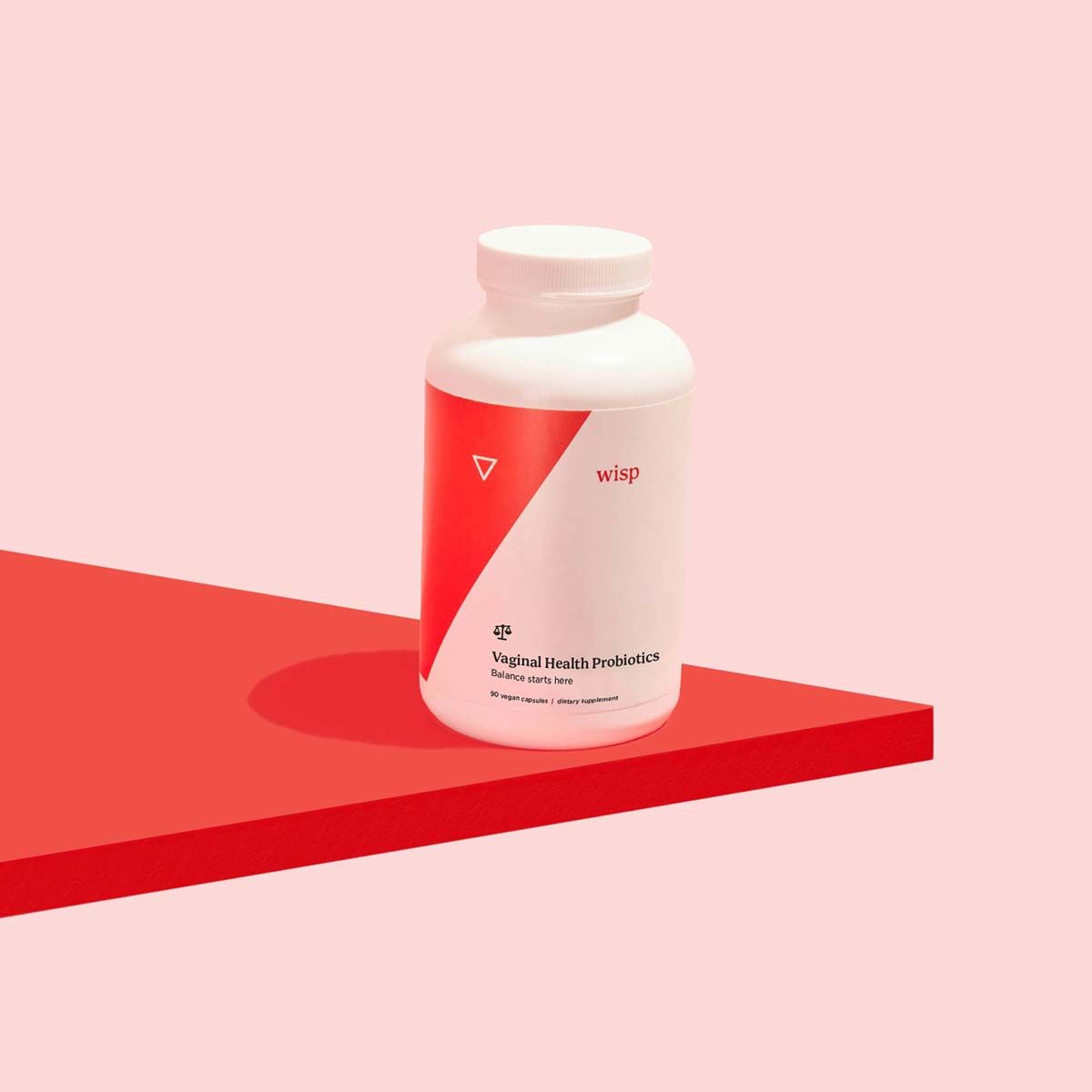
Wisp Vaginal Health Probiotics
Starting at $30/ month
Daily vaginal microbiome support against disruptive microorganisms.