Yeast Infection Bumps:
Appearance, Causes & Treatment
Published on February 11, 2026
Written by Kathleen Morrison
Medically Reviewed by Andrea Sleeth WHNP-BC, MSCP
Key takeaways
- Yeast infection bumps are small, red, raised skin areas that are triggered when the yeast Candida overgrows
- It often shows up in the genital area, skin folds, or other moist areas of the skin.
- Common symptoms of a yeast infection include vaginal itching, burning, redness, and sometimes thick white discharge
- Over-the-counter antifungal cream like clotrimazole or miconazole can help, but persistent or recurring bumps may need prescription-strength treatment such as fluconazole.
- Keeping the area clean, dry, and breathable goes a long way in supporting healing and helping to reduce your risk of future infections.
You know that frustrating moment when something feels off down there, and you're not sure what's going on?
Yeast infections are super common, and sometimes, they show up as small bumps that leave you wondering what the deal is.
Yeast infection bumps typically appear as small, red, raised areas around the vaginal opening or other moist areas of the skin. They're one of your body's ways of responding to Candida overgrowth.
And, while they can be uncomfortable, understanding what you're dealing with makes it way easier to get the right treatment.
Wisp treatment options are available only after consultation with a licensed medical professional. You should consult with your healthcare provider before starting a new supplement or treatment regimen. Individual results may vary.
What causes yeast infection bumps?
Yeast infection bumps are skin reactions that trigger when Candida—a type of fungus that normally lives on your body—grows out of control.
Several factors can trigger too much yeast growth and cause an infection (as well as yeast bumps):
- When you take antibiotics: They disrupt your body's bacterial balance, letting yeast flourish. This is one reason yeast infections often follow antibiotic treatment.
- High blood sugar: Feeds the fungus, which is why people with diabetes or HIV infection are more prone to yeast infections.
- Hormonal changes: Pregnancy or birth control can create favorable conditions for yeast growth.
- Tight, synthetic clothing: Traps heat and moisture, creating an environment where the yeast that normally lives harmlessly on your skin gets the chance to overgrow.
- Weakened immune system: Conditions that suppress the immune system can't keep the yeast in check.
Signs & symptoms you've got a yeast infection
Beyond the visible bumps, yeast infections bring a collection of symptoms.
Intense itching is usually the first sign something's off, sometimes severe enough to disrupt sleep.
If you happen to have a vaginal fungal infection, you might also notice:
- Thick, white discharge that looks like cottage cheese
- Burning sensations during urination or sexual contact
- Redness and swelling extending beyond the vaginal area
- Raw, tender skin or small cracks caused by infection and scratching
According to the National Library of Medicine, vaginal candidiasis (the medical term for a genital yeast infection) is incredibly common. And, the best part is it is easily treatable, too.
What do these "bumps" look like?
A yeast infection can pop up anywhere moisture gets trapped, but it's especially common:
- around the vagina (due to vaginal yeast infection)
- on the vulva, called vulvar bumps
- under breasts
- other skin folds.
The bumps themselves can vary quite a bit.
Some bumps may look like red skin with tiny pimples. Others might resemble small blisters filled with clear fluid.
You might notice just a few scattered bumps or clusters of them across the affected area.
The skin around these bumps often looks bright red and inflamed, sometimes with white skin patches or scaling at the edges.
What do vulvar bumps look like?
Vulvar bumps from yeast typically appear as small, raised areas on the vulva, vaginal opening, or surrounding skin.
They usually look red or pink, though the color can vary. These bumps might be scattered individually or grouped in patches. And, unlike pimples, they don’t usually have dark centers or obvious heads.
One telltale sign of candidiasis? A red border around the main rash area, with satellite lesions (smaller patches of rash) nearby. The entire affected area usually feels warm and extremely sensitive.
When bumps turn into yeast infection sores
Most yeast infection bumps stay pretty surface-level. A typical yeast rash shows up as a solid patch of redness with clearly defined edges, often paired with small bumps. But the skin itself usually stays intact.
Sores are a different story. Yeast infection sores happen when the skin actually breaks. This can occur with more severe or long-standing infections, or when constant scratching damages already-irritated skin. These sores are usually shallow and may leak clear fluid.
The big takeaway? Most yeast infections don’t cause open sores.
But when an infection is left untreated (or scratching goes a little too hard), bumps can progress into broken skin. Scratching also raises the risk of bacteria getting involved.
If you notice deep sores or blisters filled with cloudy fluid, it’s time to check in with a doctor. That helps rule out other possibilities like genital herpes or another sexually transmitted infection.
How to tell yeast bumps apart from other skin conditions
Not every bump in your genital area or elsewhere means a yeast infection, and loads of common skin conditions can look similar.
Here's how to spot the differences:
- Genital herpes:
These typically start with painful blisters that burst into shallow ulcers. They are usually more painful than itchy and appear in clusters.
In contrast, yeast bumps are solid, raised bumps that rarely burst. If you're concerned about something like genital herpes, getting tested can provide peace of mind. - Genital warts:
These create flesh-colored or gray growths resembling tiny cauliflowers, usually painless, without the intense itching caused by a yeast infection. - Contact dermatitis:
This condition is caused by soaps or latex, but can mimic yeast infections. It usually appears within hours of exposure rather than gradually. - Bacterial vaginosis:
Bacterial vaginosis (BV) might irritate, but it typically doesn't produce distinct bumps. If you're experiencing unusual odor and grey or green discharge, you're likely dealing with BV, or another vaginal infection, not a yeast infection. A symptom quiz can help figure out whether it's BV or a yeast infection.
The bottom line? If you can't diagnose a yeast infection on your own or symptoms like itching, burning, and bumps don't match what you'd expect, getting tested through a reliable practitioner can provide quick answers.
Effective treatment options for yeast infection bumps
Getting rid of yeast infection bumps means targeting the underlying fungal skin infection while soothing irritated skin.
Here's what actually works:
Over-the-counter antifungal creams
For most people, OTC antifungal creams are a solid first step.
Products containing clotrimazole 1% or miconazole 2% are commonly used to treat yeast-related skin symptoms, including yeast infection bumps.
Apply a thin layer to clean, dry skin, covering the bumps and a small area beyond them.
Seven-day formulations tend to be more effective than shorter courses. Use the cream twice daily and finish the full treatment, even if things start looking better early.
Side effects you should be aware of
Most side effects are mild and stay limited to the skin.
With clotrimazole, the most common issue is skin irritation. Stop using it and get medical help right away if you notice signs of a serious allergic reaction, such as trouble breathing, swelling of the face or throat, or stomach cramps.
With miconazole, mild redness, dryness, or irritation can happen and usually isn’t serious unless it persists. However, if you notice allergic reactions (rash, itching, hives, swelling of the face, lips, tongue, or throat) or significant burning, peeling, or crusting, check with your doctor immediately.
Prescription antifungal options
If symptoms don’t improve after a few days, a healthcare provider can recommend a prescription antifungal, such as fluconazole (generic Diflucan), to treat the yeast infection systemically.
Prescription options can be especially helpful for persistent or recurrent symptoms and are often available with same-day pickup* or delivery.
If your body’s still not cooperating, that’s your cue to bring in backup, not to push through alone.
*Most prescriptions are sent to your pharmacy within 3 hours of completing your medical intake form and phone call or video chat when necessary. Pending retail pharmacy hours.
Support your vaginal health to help with healing
A few habits can help support healing alongside treatment:
- Wear breathable cotton underwear and avoid tight clothing
- Keep the area clean and dry
- Skip scented products or douching
- Change out of sweaty clothes promptly
These steps won't cure an active infection, but they can help with healing and support your vaginal health along the way.
Get back to the life you love
Yeast infection bumps are uncomfortable, but totally treatable. With the right care, whether an over-the-counter antifungal or something stronger, most clear up within a week.
The key is knowing what you're dealing with and taking action.
Wisp makes it easy with same-day online consultations with licensed providers, plus prescription treatment delivered free in discreet packaging or sent to your local pharmacy. There is an additional fee for local pickup.
Ready to skip the in-person waiting room? Take the symptoms quizand get the care you deserve because you shouldn't have to put your life on hold for a yeast infection.
This blog post is for informational and educational purposes only and should not be taken as professional advice. Always consult with a qualified professional before making any decisions based on the information provided here.
Trusted Treatments
Diflucan, Generic Fluconazole (Yeast Antifungals)
Starting at $45
Prescription antifungals used to treat vaginal yeast infections
BV Antibiotics (Tablets or Gel)
Starting at $15
Request topical or oral prescription antibiotics to treat bacterial vaginosis.
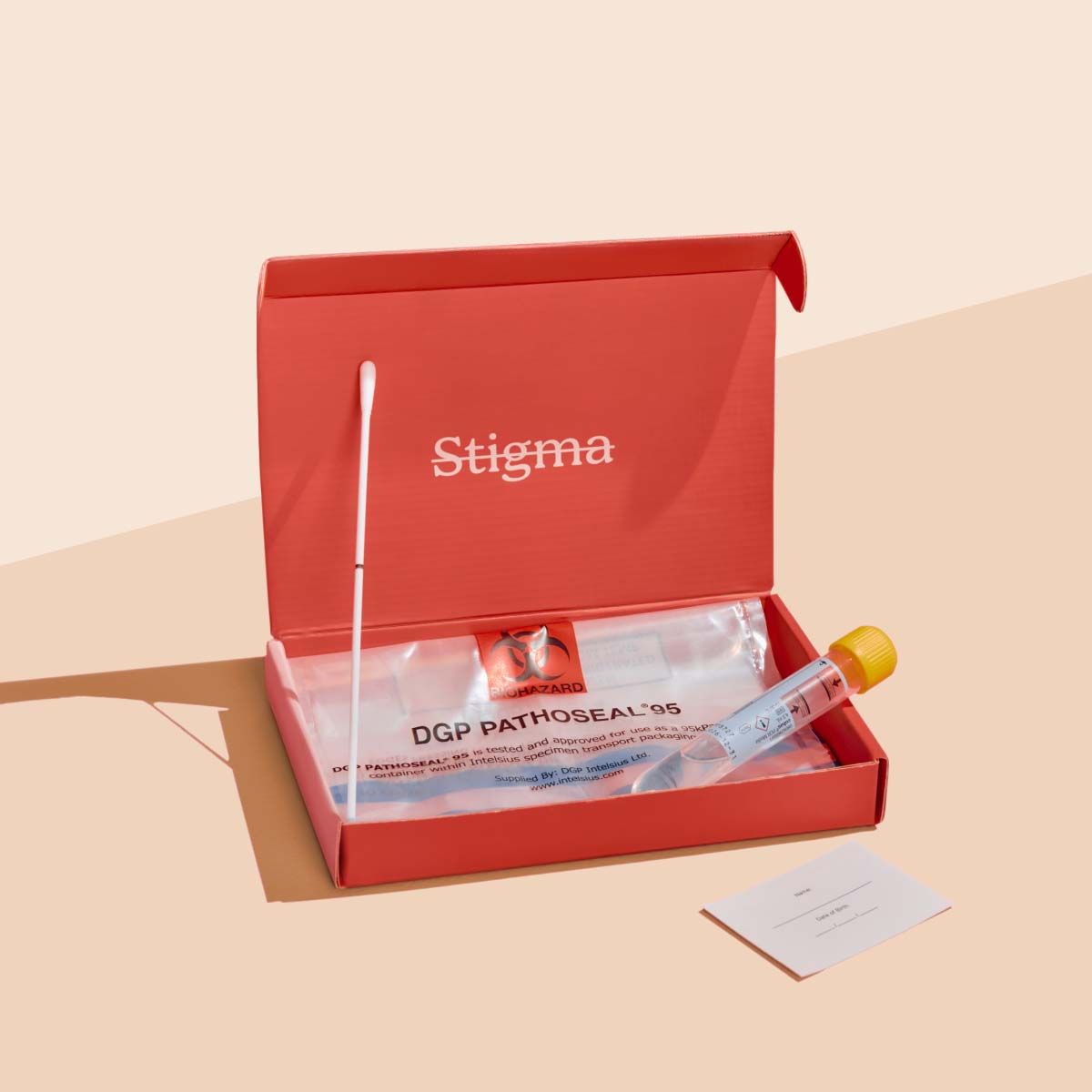
Vaginitis Test
$159
Test for the 10 most common disruptive microbes from the comfort of home with one swab.