What Are Yeast Infection
Sores and How Do You
Get Rid of Them?
Published on January 22, 2026
Written by Kathleen Morrison
Medically Reviewed by Andrea Sleeth WHNP-BC, MSCP
Key takeaways:
- Yeast infection sores can develop when Candida overgrowth causes inflammation and fragile skin that cracks or breaks.
- These sores often show up as small cuts, red patches, or open areas around the vulva and vaginal opening.
- Scratching, severe itching, and untreated infections can make sores worse and slow healing.
- Antifungal treatments that target the yeast infection help soothe irritation and allow the skin to repair.
- Getting the right treatment early can ease discomfort quickly and prevent symptoms from lingering or returning.
If you’ve ever dealt with a yeast infection, you know it can be a real pain—literally. Most women experience at least one in their lifetime, and sometimes it comes with sores that make things even more uncomfortable.
These sores usually show up as small red bumps or open patches, and sometimes you’ll also notice a bit of white, cottage cheese-like vaginal discharge. They can appear on the vulva, around the vaginal area, or nearby skin, ranging from tiny spots to larger inflamed patches that might even crack or bleed (ouch).
Treating yeast infection sores usually involves prescription antifungal medications, either creams you apply directly or pills you take orally, plus keeping the area clean and dry. You can usually find relief within just a few days, but getting proper guidance from a healthcare provider is always important so that you heal safely and fully, ASAP.
Wisp treatment options are available only after consultation with a licensed medical professional. You should consult with your healthcare provider before starting a new supplement or treatment regimen. Individual results may vary.
What are Yeast Infection sores?
Yeast infection sores show up when a vaginal yeast infection gets more intense or when constant scratching irritates sensitive skin.
You might notice small cuts, cracks, or open patches around your vulva or vaginal area, often with burning and general discomfort. Most yeast infections stick to itching and vaginal discharge, but sores can pop up in trickier cases.
The culprit is usually a fungus called Candida albicans, which triggers inflammation that makes your skin more delicate. Scratching the itchy spots can create tiny wounds that become visible sores. When you have a yeast infection, your natural vaginal balance is thrown off, weakening your skin’s defenses. That means sores or blisters can appear around the vulva, vaginal area, or even inner thighs in more severe cases.
Common Symptoms of a Yeast Infection
Yeast infections don’t just bring sores—they generally come with a handful of other uncomfortable symptoms:
- Thick, white discharge that looks like cottage cheese and usually doesn’t have a strong odor
- Intense vaginal itching, often worse at night
- Red, swollen vulva and vaginal tissues
- Burning sensations that flare up during urination or sex
How do sores and blisters form?
Sores happen because a few things are happening at once. Candida overgrowth sets off inflammation and swelling in the vulva, making skin fragile and prone to tearing—kind of like chapped lips on overdrive. Scratching to deal with the intense itch can turn tiny cracks into open sores.
And while the infection is still active, these areas can’t heal properly, creating a cycle where sores worsen until you treat the yeast infection effectively.
What if it’s something else?
Not all sores down there are caused by yeast infections. Sometimes similar bumps, cracks, or blisters can be linked to sexually transmitted infections (STIs) like herpes, HPV, or other infections.
If you notice sores that aren’t improving, come back repeatedly, or are accompanied by unusual symptoms like pain during urination, fever, or a strange discharge, it’s a good idea to get checked.
The good news is you don’t always have to leave the house—at-home STI testing kits can help you figure out what’s going on from the comfort of home. Once you know, you can get the right treatment fast, so you can stop worrying and start feeling better.
What causes a Yeast Infection sore?
Not every yeast infection turns into painful sores, but understanding why some do helps you spot risk factors and take charge of your vaginal health. Sores usually show up when a mild yeast infection escalates, which depends on a mix of how much Candida is overgrowing, how your immune system responds, and things like scratching.
Candida overgrowth and fungal infections
Candida lives in your vagina in small, harmless amounts, held in check by good bacteria and your immune system. Trouble starts when that balance tips and the fungus multiplies too quickly. This overgrowth triggers inflammation that can make skin sensitive and prone to sores.
While that pesky Candida albicans causes most infections, other Candida species can cause more severe symptoms or resist standard treatments, letting the infection linger. Your body’s immune response actually adds to the problem—white blood cells rush in to fight, releasing chemicals that create swelling and irritation, which can lead to visible sores.
Who’s more likely to get severe symptoms?
Certain factors make it more likely for a yeast infection to get intense enough to cause sores:
- Diabetes: high blood sugar feeds yeast and can weaken your immune system
- Pregnancy: hormonal changes can tip the balance toward yeast overgrowth
- Antibiotics: these can wipe out good bacteria that usually keep Candida in check
- Birth control pills: especially high-estrogen types, which can shift vaginal pH
- Tight, non-breathable clothing: traps moisture, giving fungus a cozy environment
- Weakened immune system: from conditions like HIV, chemotherapy, or certain medications
By knowing these factors, you can stay alert and act quickly if symptoms start to escalate.
How to treat Yeast Infection sores
Getting treatment quickly can make a huge difference when you’re dealing with painful yeast infection sores. The goal is twofold: calm the fungal infection causing discomfort and help the sores heal. The right approach depends on how severe your symptoms are, how often infections occur, and how your body responds to different treatments.
Over-the-counter antifungal options
For mild sores, vaginal antifungal treatments like miconazole and clotrimazole can sometimes do the trick. These come as creams, ointments, or suppositories with treatment lengths ranging from one to seven days. Seven-day courses often work best for sores since the medication stays in contact longer.
Applying external creams directly to vulvar sores can ease burning and speed up healing. Combining internal and external treatments generally gives the best results. Boric acid suppositories can also be helpful for recurring infections, though they aren’t recommended during pregnancy.
Prescription medication
If over-the-counter treatments aren’t cutting it, prescription medications for yeast infections can tackle more stubborn or severe issues.
Fluconazole, a single-dose oral medication, is super effective and works throughout your body. Some people experience mild side effects, like a bit of an upset stomach or headache.
Terconazole creams or suppositories can also be pretty powerful against tough infections. Prescription-strength clotrimazole is another option, though you might notice headaches and/or some temporary burning initially.
When painful sores need super-fast care and comfort, the convenience of online treatment is a game-changer.
Don’t let yeast infection sores crash your party
Yeast infection sores pop up when Candida overgrowth causes inflammation and little breaks in your skin down there. They’re uncomfortable, sometimes painful, and need prompt treatment to heal properly. Knowing the difference between yeast-related sores and other conditions, like genital herpes, helps you get the right care fast.
Treatment can be as simple as over-the-counter vaginal creams or as powerful as prescription options like fluconazole. The best part? Online services make it easy to get evaluated by a professional and pick up your prescription the same day*, all without a clinic visit.
If you’re dealing with severe symptoms, recurring infections, or just want peace of mind, getting tested and treated quickly makes all the difference. Head over to Wisp to do a quick symptom check and get same-day treatment with discreet delivery options. Taking care of your vaginal health has never been this easy—or this discreet.
*Most prescriptions are sent to your pharmacy within 3 hours of completing your medical intake form and phone call or video chat when necessary. Pending retail pharmacy hours.
This blog post is for informational and educational purposes only and should not be taken as professional advice. Always consult with a qualified professional before making any decisions based on the information provided here.
Trusted Treatments

Diflucan, Generic Fluconazole (Yeast Antifungals)
Starting at $45
Prescription antifungals used to treat vaginal yeast infections
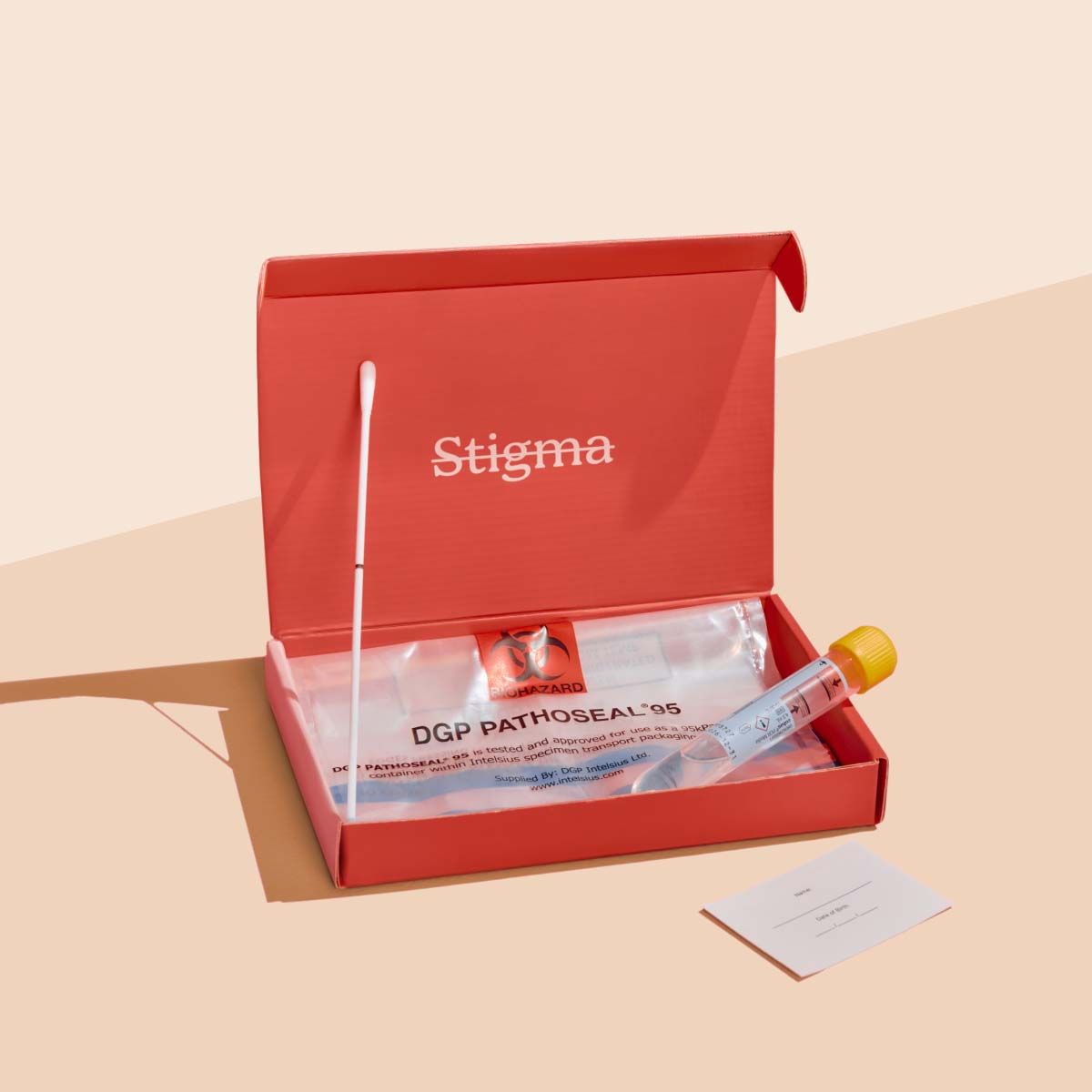
Vaginitis Test
$159
Test for the 10 most common disruptive microbes from the comfort of home with one swab.
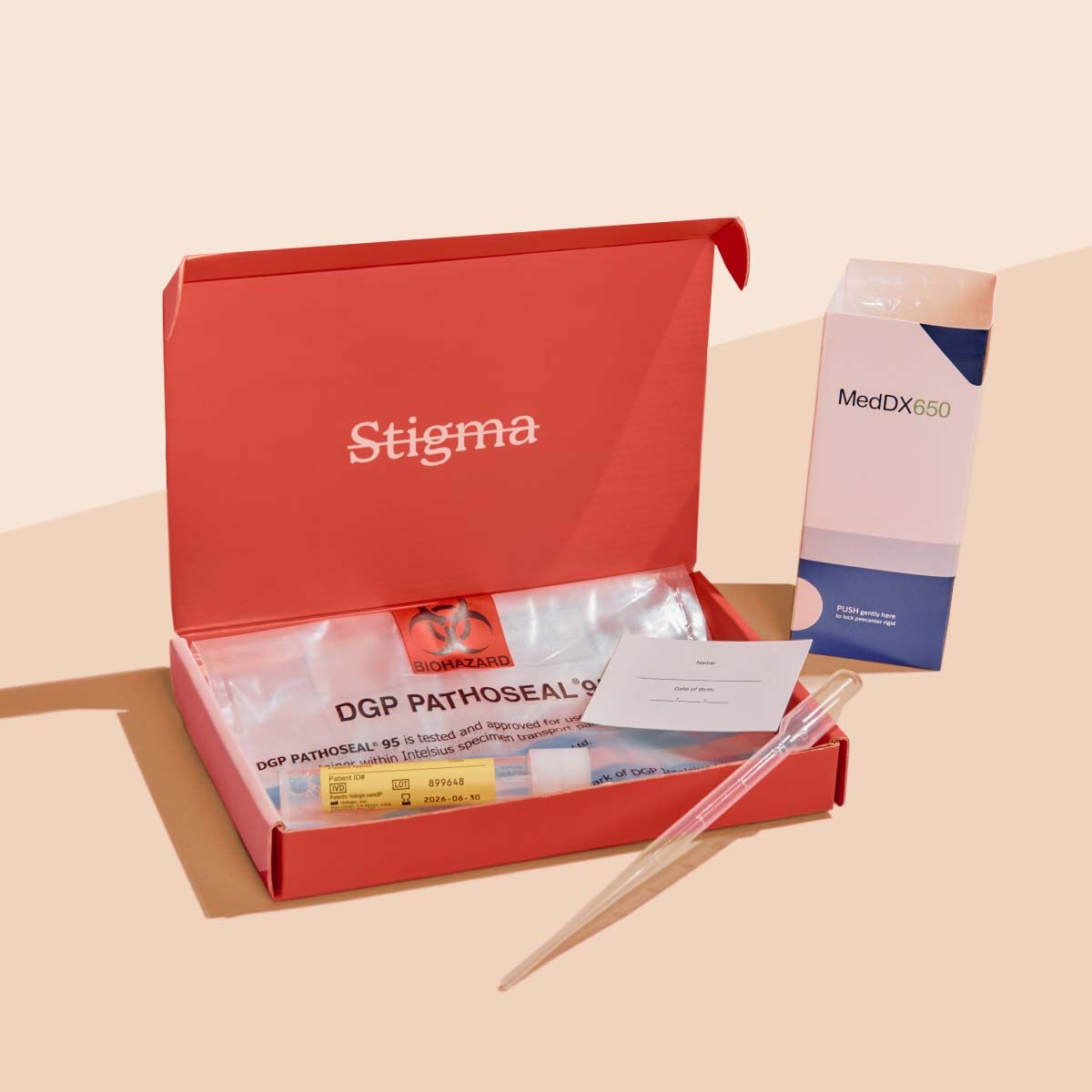
3-Panel Essential STI Test
$99
Take charge of your sexual health from home with this at-home, urine test kit. Consult and treatment included if necessary.