Written by Kathleen Morrison
Medically Reviewed by Dr. Shannon Chatham, DO, a healthcare provider affiliated with Wisp
Key takeaways:
- Adrenal fatigue is a term used to describe a cluster of symptoms such as exhaustion, brain fog, and cortisol imbalance, but it's not recognized as a medical diagnosis in conventional medicine.
- Adrenal insufficiency is a distinct, diagnosable condition that requires proper diagnosis and treatment from an in-person provider.
- Chronic stress, poor sleep, and hormonal shifts (perimenopause and menopause included) can all affect adrenal function.
- Lifestyle adjustments and targeted support may help manage stress, restore balance, and boost energy levels.
- NAD+ therapy is an emerging off-label option that can help support cellular energy metabolism and overall vitality.
Dragging through the day, wired at night, craving salty or sugary foods like it's a full-time job? If you've been searching for "adrenal fatigue support," you're not alone, and you're not imagining it.
Here's the honest truth: adrenal fatigue is a term used to describe a very real group of symptoms, but it's not recognized as a medical diagnosis by major medical organizations.
Your exhaustion is valid. The label, though? Gray zone.
So, what can you do? Quite a bit.
While adrenal fatigue “treatment” doesn’t exist in its truest sense (as it’s not a medically diagnosed condition), support options range from lifestyle shifts to targeted approaches like NAD+ therapy, available as a Nasal Spray or NAD+ Injections. These can help support cellular energy metabolism from the inside out.
For women in perimenopause or menopause, hormonal shifts can layer on top of adrenal stress in ways that make fatigue feel impossible to shake, making support even more important.
Wisp treatment options are available only after consultation with a licensed medical professional, if medically appropriate. You should consult with your healthcare provider before starting a new supplement or treatment regimen. Individual results may vary. Must be 18 or older. For medication details and risks, see site for details.
Wait, so is adrenal fatigue even real?
Yes and no, and we know that's deeply unsatisfying, so let's actually explain.
Adrenal fatigue is a term that emerged in the late 1990s to describe the theory that chronic stress overworks the adrenal glands until cortisol production can't keep up.
Sounds logical. Except that adrenal fatigue is not recognized as a medical condition by conventional endocrinology, and no reliable test (yes, including that saliva test your wellness influencer swears by) can confirm it.
That doesn't mean you're imagining things. It means the symptoms of adrenal fatigue often overlap with underlying health issues that do have appropriate support options.
What causes adrenal fatigue?
Your adrenal glands sit on top of each kidney and are run by the adrenal cortex, which produces cortisol (your primary stress hormone), DHEA, and aldosterone — the hormone responsible for regulating your salt and fluid balance — along with other hormones that govern your body's response to stress, blood sugar levels, and more.
When your body is under prolonged stress, the cortisol rhythm can be seriously disrupted. That's when tiredness and other symptoms start to pile up, a condition people call adrenal burnout.
And if you're also navigating the hormonal shifts of perimenopause or menopause, this disruption can feel even more amplified, because it often is.
Not the same thing: adrenal fatigue vs. adrenal insufficiency
Before we go any further, it's worth pausing here because these two terms are used all the time interchangeably, and they absolutely should not be.
One is a recognized medical condition with specific diagnostic criteria. Confusing them can mean either dismissing real symptoms or chasing the wrong answers entirely.
Adrenal fatigue and its symptoms
Adrenal fatigue is not recognized as a medical diagnosis. Symptoms are real but non-specific and can stem from many causes: hormonal imbalance, thyroid dysfunction, iron deficiency, depression, poor sleep, perimenopause and menopause, and more.
People who may be suffering from adrenal fatigue often describe feeling exhausted regardless of how much sleep they get, a mid-afternoon energy wall that coffee can't fix.
Getting checked for hormonal imbalances or an iron deficiency is a good place to start if you’re struggling here.
Some more specific signs may include:
- Persistent exhaustion that doesn't improve, no matter how much you sleep
- Feeling wired at night when you should be winding down
- Brain fog, poor concentration, and general mental fuzziness
- Intense cravings for salty or sugary foods
- Difficulty handling stress that used to feel totally manageable
- Low blood sugar dips between meals, often paired with irritability
- A weakened immune response (catching every bug going around just sucks)
- Low mood, low motivation, and a general sense of running on empty
Adrenal insufficiency and its symptoms
Adrenal insufficiency is a diagnosable medical condition where the adrenal glands genuinely cannot produce adequate adrenal hormone levels.
To diagnose adrenal insufficiency, an in-person provider typically orders targeted blood tests, including morning cortisol and an ACTH stimulation test.
If you're experiencing low blood pressure, dizziness, skin darkening in skin folds, or severe fatigue that keeps you from daily activities, reach out to an in-person provider promptly.
Adrenal fatigue: conventional medicine vs. integrative medicine
Like we said, adrenal fatigue is not recognized as a medical diagnosis in conventional medicine.
Integrative medicine takes a broader view, looking at how chronic stress, hormonal imbalance, sleep, and lifestyle collectively affect adrenal function.
A provider typically evaluates cortisol, hormone, thyroid function, and nutrient status before making personalized recommendations. The key is to rule out underlying health issues first, then build your support plan from there.
Lifestyle support: the foundation of adrenal health
Whether or not testing reveals a specific diagnosis, lifestyle adjustments are the most important foundation, and for many people, the most underrated one.
Sleep: get consistent, not just longer
Your cortisol rhythm is deeply tied to your circadian rhythm. Consistent wake and bed times—yes, even on weekends, even when you really don't want to—support cortisol production and your body's stress response far more than sleeping in ever will.
If you feel wired at night and groggy all morning, that flip-flopped cortisol rhythm is a pattern worth discussing with a provider.
- Keep a consistent wake time, even on weekends; your cortisol levels thank you for it
- Keep your room cool and dark; cut caffeine after noon and screens before bed
- If sleep problems persist, ask your provider about CBT-I (cognitive behavioral therapy for insomnia).
- For women in perimenopause and menopause, night sweats and hormonal disruption can dramatically worsen adrenal fatigue symptoms. Ask a provider about whether hormonal support makes sense alongside sleep hygiene.
Food: stabilize blood sugar, fuel your body
Skipping meals or leaning on caffeine creates blood sugar crashes that can worsen adrenal fatigue symptoms significantly.
When blood sugar levels dip, your adrenal glands have to compensate, which puts more demand on an already-stressed system.
- Eat regular meals anchored in protein, healthy fats, and complex carbohydrates. Skip the meal-skipping (literally!)
- Don't skip breakfast; cortisol levels are highest in the morning, and food helps regulate them
- Salt cravings that seem out of nowhere? Flag them with your provider; they might signal low blood pressure or hormonal shifts
- Whole foods over supplements as your primary source of vitamins and minerals to support adrenal health
- For women in perimenopause and menopause, declining estrogen can affect insulin sensitivity, making blood sugar stability especially important.
Manage stress: actually and sustainably
Chronic stress is one of the biggest drivers of adrenal imbalance.
But "reduce stress" is the most useless advice ever given without specifics on how.
The goal isn't to eliminate stressful situations (as if). It's to build your capacity to recover from them.
- Five minutes of breathwork you do every day beats a 30-minute routine you abandon by Thursday
- Move regularly; even walking counts, and exercise is one of the easiest ways to help manage stress and support adrenal function
- Set real limits around work hours, notifications, and the obligations you've said yes to out of guilt
- If anxiety, depression, or past trauma are part of the picture, therapy is foundational
- For women in perimenopause and menopause, hormonal shifts may make the stress response feel more intense. Addressing adrenal health alongside hormonal support often works better than managing either alone
Prescription options to support energy
When lifestyle changes aren't quite cutting it, prescription options can help fill the gap. Here's a breakdown of what's out there and how each one works.
NAD+ therapy: supporting cellular energy from within
Let's start here, because this one is gaining serious traction, and for good reason.
NAD+ stands for nicotinamide adenine dinucleotide, a coenzyme found in every single cell in your body. It is central to many bodily functions, including cellular energy metabolism.
Without adequate NAD+, your cells can't efficiently convert food into energy, repair themselves, or respond to stress effectively.
Sounds a lot like what people call adrenal burnout, doesn't it?
Research suggests NAD+ levels may decline significantly with age — some estimates suggest by as much as 50% between the ages of 40 and 60, though human data is still emerging. So if you're in that window, especially navigating perimenopause or menopause alongside adrenal stress, your cellular energy engine may simply be running on less fuel than it used to.
Maintaining NAD+ levels may help support:
- Brain energy and mental clarity (goodbye, brain fog)
- Overall vitality and daily energy
- Healthy mitochondrial function
- Menopause-related fatigue that lifestyle changes alone don't fully address
This is an off-label use without FDA approval for adrenal conditions specifically, but it's gaining genuine interest in integrative medicine as a way to support cellular energy metabolism, longevity, and healthy aging.
A provider should evaluate your full health picture to determine whether it's appropriate for you.
NAD+ Nasal Spray
NAD+ Nasal Spray is a convenient at-home option for those looking to help maintain healthy NAD+ levels without infusions or clinic visits.
It's designed to support brain energy and overall vitality on your own schedule, making it a practical fit for anyone dealing with the day-to-day fatigue and fog commonly associated with adrenal fatigue.
NAD+ Injections
NAD+ Injection offers a more direct delivery method. Some people, particularly those dealing with significant fatigue, brain fog, or low vitality linked to adrenal burnout or hormonal changes, report meaningful improvements in energy and mental clarity.
Hydrocortisone therapy
For confirmed adrenal insufficiency, NOT suspected adrenal burnout, hydrocortisone replaces the amount of cortisol your adrenal glands can't produce on their own, dosed to mimic your body's natural cortisol rhythm.
Common side effects of hydrocortisone include:
- Nausea or upset stomach
- Headache
- Dizziness
- Insomnia or sleep disturbances
- Increased appetite or weight changes
- Mood changes or irritability
- Fluid retention
This is not a complete list of risks and side effects, and others may occur. If symptoms worsen or you notice signs of an allergic reaction, contact a provider right away.
Your body, your energy, your longevity. Get the support you deserve
Feeling perpetually exhausted, foggy, and depleted, is your body asking for something that truly supports it. And you deserve actual answers, not a shrug and a vague recommendation to "take it easy."
If you've made consistent lifestyle changes and still can't shake the fatigue, or if you're navigating adrenal stress layered on top of perimenopause or menopause, Wisp connects you with a licensed provider who can help you actually work through it, not just manage around it.
That might mean exploring cellular energy support like NAD+ Injections or NAD+ Nasal Spray, hormone therapy for menopausal and perimenopausal women, or starting with at-home testing to get to the root of what's going on.
Longevity isn't just about longer lifespans. It's about feeling genuinely well in the life you already have.
Start a real conversation to build a plan around you!
This blog post is for informational and educational purposes only and should not be taken as professional advice. Always consult with a qualified professional before making any decisions based on the information provided here.
Trusted Treatments

NAD+ Nasal Spray
Starting at $150
Daily nasal spray to help support vitality and healthy aging.

NAD+ Injections
Consult: $25
Acute support for improved energy & focus as you age.
Wisp Female Hormone Health Panel
Starting at $229
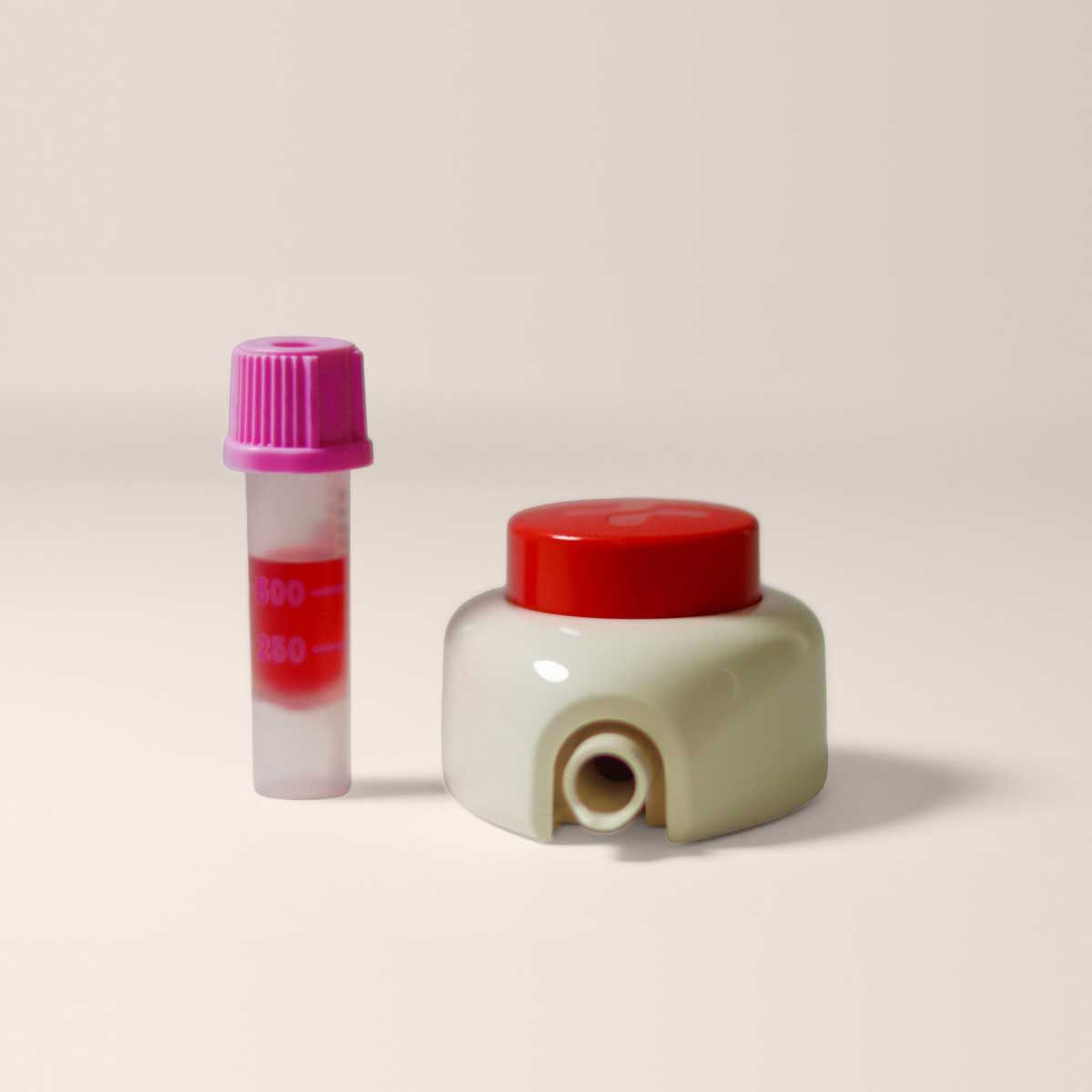
At-home blood testing panel that covers 6 key hormonal health markers.