Written by Kathleen Morrison
Medically Reviewed by Andrea Sleeth WHNP-BC, MSCP
Key takeaways
- Aerobic vaginitis and bacterial vaginosis involve completely different types of bacteria.
- BV typically causes thin, grayish discharge with a fishy odor
- AV brings thicker yellowish discharge, inflammation, and intense burning.
- BV responds to prescription antibiotics like metronidazole
- AV often needs different antibiotics targeting aerobic organisms.
- Getting the right diagnosis matters. Using the wrong treatment can make symptoms worse or lead to recurring vaginal infections.
Both bacterial vaginosis (BV) and aerobic vaginitis (AV) affect tons of people every year, yet so many of us don't really understand the differences between these two conditions.
And honestly? That matters more than you might think.
Here's the thing: bacterial vaginosis happens when there's an overgrowth of anaerobic bacteria (the kind that thrive without oxygen), while aerobic vaginitis involves an overgrowth of aerobic bacteria like E. coli or Streptococcus.
AV is generally less prevalent than BV, which is partly why it flies under the radar so often.
But when you're the one dealing with symptoms? You need answers—not guesswork.
Let's break down everything you need to understand the differences between AV and BV so you can advocate for yourself and get the care you actually need.
What is the difference between BV vs AV infections?
Understanding the difference between aerobic vaginitis (AV) and bacterial vaginosis (BV) starts with knowing that these vaginal infections involve completely different types of bacteria in the vagina.
In a healthy vaginal microbiome, lactobacillus bacteria maintain an acidic environment that keeps harmful bacteria in check.
When there's a shift in the vaginal microbiome, either anaerobic or aerobic bacteria can flourish—and that's when vaginitis symptoms show up.
When aerobic bacteria overgrow, it can lead to AV. And, when anaerobic bacteria grow, it can lead to BV.
Like bacterial vaginosis, AV disrupts your vaginal flora, but the invaders and your body's response are totally different.
Causes & risk factors
What triggers these vaginal infections? It all comes down to which bacteria take over your vaginal flora and why.
BV
- Bacterial vaginosis can cause issues when there's an overgrowth of anaerobic bacteria like Gardnerella vaginalis
- Bacterial vaginosis may be associated with douching, using scented feminine hygiene products, or new sexual partners
- Women with BV often have a significant decrease in protective lactobacillus bacteria
AV
- Associated with aerobic vaginitis are AV bacteria like E. coli, Group B Streptococcus, and Staphylococcus aureus
- These aerobic bacteria actively damage vaginal tissues and trigger an inflammatory response
- Can occur when bacteria from the intestinal tract migrate to the vagina
- Like BV, AV involves a major drop in healthy lactobacillus populations
Symptoms
Your vagina is pretty good at letting you know when something's off.
Here's how symptoms differ between these two conditions:
BV
- Thin, watery vaginal discharge with a gray or white color
- A distinctive fishy odor that becomes stronger after sex or during your period
- Mild irritation occasionally, but severe burning or redness isn't typical
- BV typically doesn't cause significant inflammation in vaginal tissues
- Some folks don't have any symptoms at all—discovering BV only during routine exams
AV
- Thick, sticky abnormal vaginal discharge that appears yellowish or greenish
- A rotten or foul unpleasant odor (distinct from bacterial vaginosis's fishy smell)
- Significant inflammation with redness, swelling, and intense burning sensations
- Pain during sex and stinging when urinating are hallmark signs
- In severe AV cases, you may notice ulceration or visible irritation extending to the vulva
Desquamative inflammatory vaginitis (DIV) represents the most severe form of the aerobic vaginitis spectrum
Vaginal discharge differences
Discharge is one of the biggest clues for telling these conditions apart, though it can still be tricky to identify on your own.
BV
- Thin, homogeneous discharge that coats vaginal walls evenly
- Gray or off-white color—no yellow or green tints
AV
- Thicker, stickier abnormal vaginal discharge, sometimes resembling pus in severe cases
- Yellow or green coloration indicates white blood cells fighting the infection
Diagnosis
Getting an accurate diagnosis is crucial since these vaginitis conditions need different treatment options.
Your provider may take a sample of vaginal discharge using a swab or perform a vaginal culture test.
BV
- Providers look for "clue cells"—vaginal cells covered with bacteria—under a microscope
- A pH test showing levels at 4.5 or higher suggests abnormal vaginal flora consistent with BV
- The "whiff test" checks for that telltale fishy odor
You can also take a simple BV test at home to confirm your symptoms.
AV
- Requires checking for increased white blood cells (indicating inflammation)
- Presence of parabasal or immature epithelial cells signals tissue damage
- Advanced testing, like a vaginal microbiome test, can identify specific bacteria present
Treatment options for bacterial vaginosis
When it comes to BV, prescription antibiotics are the mainstay. They’re designed to calm down the overgrowth of anaerobic (“low‑oxygen loving”) bacteria and help your normal vaginal flora recover.
Your provider will choose the route (oral vs vaginal) that fits your symptoms, preferences, and health history.
No matter which BV treatment you and your provider pick:
- Always complete the full prescribed antibiotic course, even if you feel better before you’re done.
- Stopping early can make BV more likely to come back and may contribute to antibiotic resistance.
Metronidazole for BV (oral and topical)
Metronidazole is one of the most commonly prescribed treatments for BV and is recommended by major guidelines like the CDC.
It works by directly targeting the anaerobic bacteria linked to BV while generally sparing protective lactobacilli.
If you’re prescribed oral metronidazole, you’ll usually get 14 tablets and be asked to take 1 tablet by mouth twice a day for 7 days.
With the metronidazole vaginal gel, treatment is more local, right where BV is happening.
A common regimen is 1 full applicator of gel inserted into the vagina at bedtime for 5 nights in a row.
Side effects of oral metronidazole:
- Abdominal pain or cramping
- Dizziness or lightheadedness
- Dark or reddish‑brown urine
- Local irritation, mild burning, or discharge changes
- Headache
- Heartburn
- Nausea or vomiting
- Metallic taste in your mouth
- Yeast infection (Candida vaginitis)
Side effects of vaginal metronidazole gel
- Vaginal dryness
- Scaling or flaking of skin
- Itching or pruritus
- Stinging or burning sensations
- Local irritation or allergic reaction
This is not a complete list of risks and side effects, and others may occur. If symptoms worsen or you notice signs of an allergic reaction, contact a provider right away.
Wisp treatment options are available only after consultation with a licensed medical professional. You should consult with your healthcare provider before starting a new supplement or treatment regimen. Individual results may vary.
Clindamycin cream for BV (vaginal)
Clindamycin is another guideline‑supported option for BV. It works by inhibiting protein synthesis in BV‑associated bacteria.
For bacterial vaginosis, clindamycin cream is typically prescribed as a 2% vaginal cream (20 mg of clindamycin per gram).
The usual regimen is to insert one full applicator of cream high into the vagina once at bedtime for 7 nights in a row, unless your provider gives you different instructions.
Side effects to watch for (vaginal clindamycin):
- Abdominal pain or cramping
- Dizziness or headache
- Nausea, vomiting, or mild diarrhea
- Local irritation or discharge changes
- Yeast infection
This is not a complete list of risks and side effects, and others may occur. If symptoms worsen or you notice signs of an allergic reaction, contact a provider right away.
Treatment options for aerobic vaginitis
AV management usually combines antibiotics active against aerobic bacteria with anti‑inflammatory support when needed.
Clindamycin cream for aerobic vaginitis
Intravaginal clindamycin cream is currently considered a first‑line treatment for uncomplicated aerobic vaginitis.
Usually applied intravaginally as a cream for a set number of days (your provider will tailor duration and dosing to your AV severity and culture results).
It's often chosen when symptoms suggest AV (discharge, burning, redness, elevated leukocytes on microscopy) and tests show predominantly aerobic bacteria.
Other options for AV
- Topical corticosteroids (adjunct, not first‑line alone): Topical vaginal steroids are not a standalone first‑line antibiotic treatment, but they can be extremely helpful when inflammation is front and center.
- Vaginal suppositories containing kanamycin: Kanamycin vaginal ovules (although not first-line) are considered when first‑line intravaginal clindamycin isn’t suitable, isn’t tolerated, or when cultures indicate susceptible organisms.
Kick BV and AV to the curb
Now that you understand the differences between bacterial vaginosis and aerobic vaginitis, you're way better equipped to advocate for yourself and get the right care.
These vaginal infections might share similar symptoms —and that's exactly why accurate diagnosis matters so much.
Ready to figure out what's going on? Wisp offers convenient access to testing and prescription treatment options, helping you take charge of your vaginal health with same-day care and discreet delivery.
No awkward in-person waiting rooms. Just straightforward care when you need it most.
*Most prescriptions are sent to your pharmacy within 3 hours of completing your medical intake form and phone call or video chat when necessary. Pending retail pharmacy hours.
This blog post is for informational and educational purposes only and should not be taken as professional advice. Always consult with a qualified professional before making any decisions based on the information provided here.
Trusted Treatments

BV Antibiotics (Tablets or Gel)
Starting at $15
Request topical or oral prescription antibiotics to treat bacterial vaginosis.
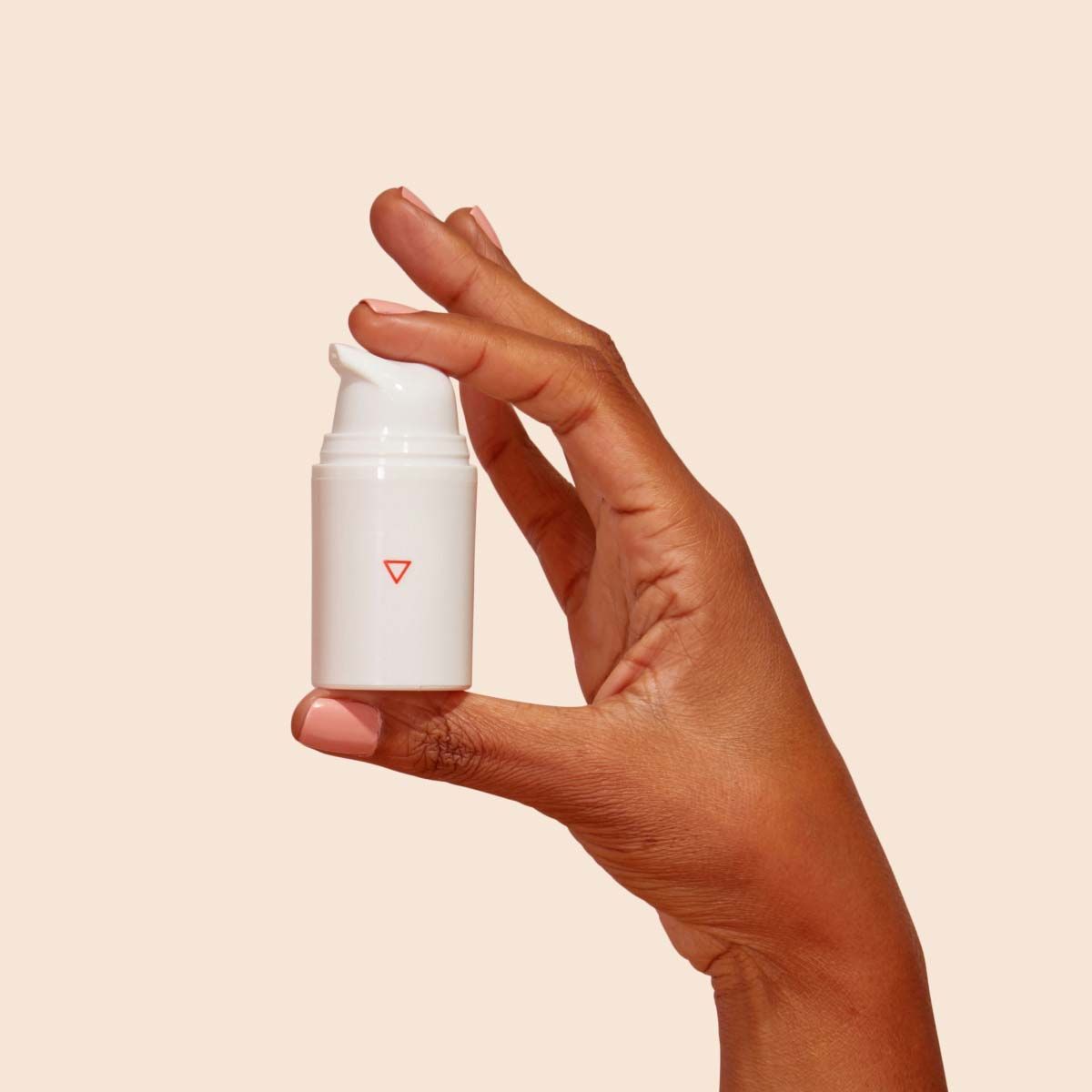
Metronidazole Gel (Metrogel)
Starting at $90
Prescription vaginal cream to treat new or chronic BV infections from home.
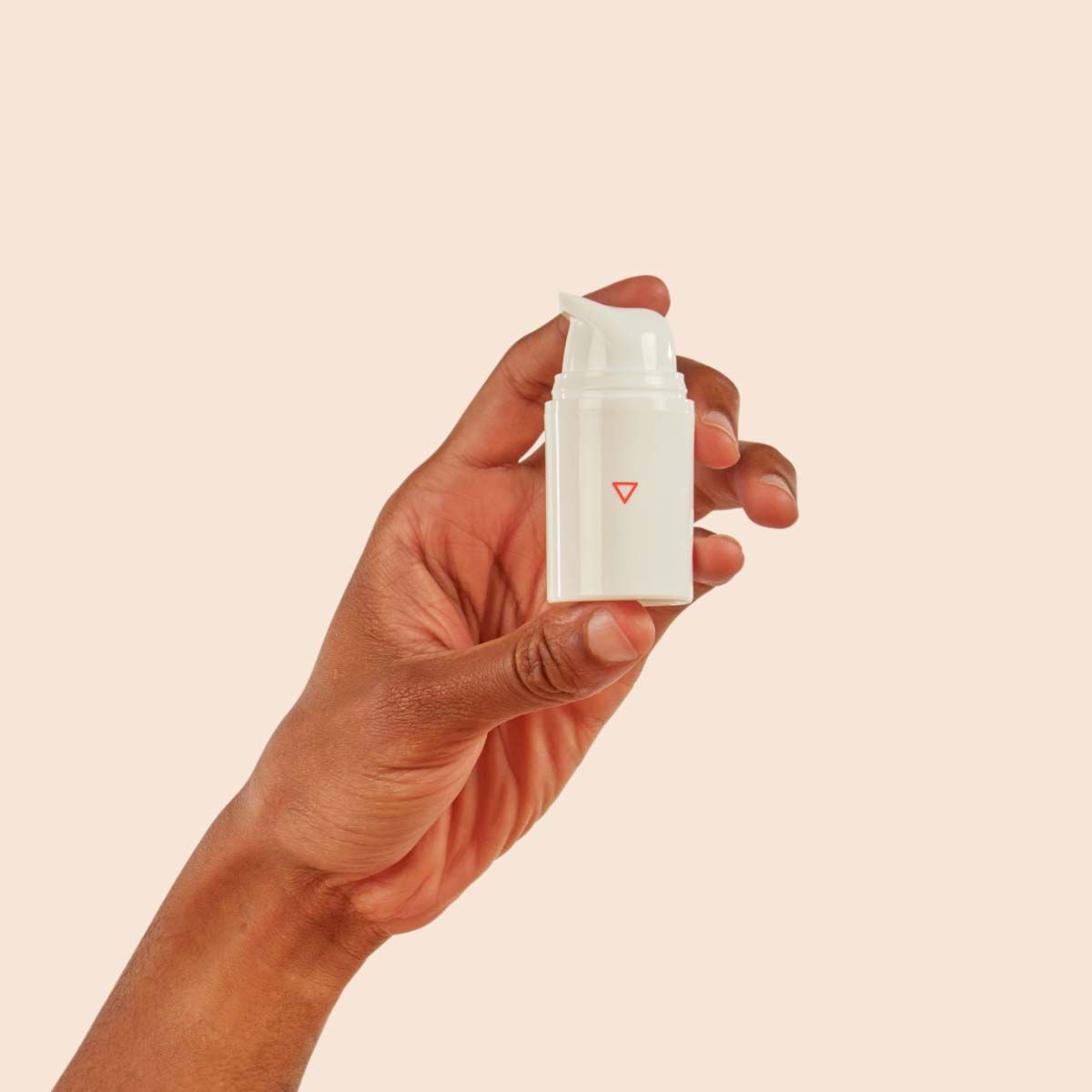
Clindamycin Cream (Cleocin)
Starting at $100
Topical Clindamycin is a trusted prescription antibiotic approved by the FDA to treat chronic and first-time BV.

Vaginitis Test
$159
Test for the 10 most common disruptive microbes from the comfort of home with one swab.