Written by Kathleen Morrison
Medically Reviewed by Andrea Sleeth WHNP-BC, MSCP
Key takeaways
- BV cannot turn into chlamydia. They're caused by completely different bacteria.
- Having BV can increase the risk of contracting sexually transmitted infections like chlamydia and gonorrhea if you're exposed.
- Changes in the cervicovaginal microbiome from BV may set the stage for chlamydia and other STIs by weakening your body's natural defenses.
- BV and chlamydia require different antibiotic treatment, so getting the right diagnosis matters.
- Regular testing helps catch infections early, especially since both conditions can sometimes have no symptoms at all.
If things feel off down there, it’s totally fair to spiral a little and ask: Can BV turn into chlamydia? The answer is no!
Bacterial vaginosis (BV) can’t transform into a sexually transmitted infection.
But (and this is an important but), the connection between BV and chlamydia is a little more nuanced than it seems.
While BV itself isn’t an STI (sexually transmitted infection), the imbalance it causes in the vaginal microbiome can make it easier for infections like chlamydia to take hold if you’re exposed.
If that raised an eyebrow, you’re in the right place. Let’s get into how BV affects your risk, what that actually means for your health, and what you can do next.
Why BV doesn't turn into chlamydia
BV is caused by the overgrowth of bacteria already present in your vagina (like Gardnerella vaginalis), while chlamydia comes from external bacteria introduced through sexual contact.
No amount of bacterial imbalance will spontaneously create chlamydia bacteria. They're completely different organisms that can't morph into one another.
How BV can increase your chances of catching chlamydia
Your vaginal microbiome acts like a security system. When balanced, beneficial lactobacilli produce lactic acid, creating an acidic environment that harmful bacteria don't love.
BV can shift your vaginal pH and microbiota.
What research shows is that the changes may create a more permissive environment for certain pathogens while also affecting local immune responses.
In plain terms? When that balance is off, it can be a little easier for Chlamydia trachomatis and other STIs to get comfortable if you’re exposed.
BV isn’t handing out infections on its own, but it can lower the body’s natural defenses in a way that makes infections more likely to take hold.
Key difference between BV and chlamydia
Recognizing the differences between these conditions helps you figure out what's happening with your body.
The key difference is that BV is not classified as an STI or STD because it results from an imbalance of naturally occurring bacteria. You can develop BV without being sexually active.
Chlamydia, on the other hand, requires direct transmission from an infected partner through sexual contact.
Also, BV often comes with thin, gray, or white vaginal discharge. Chlamydia, on the other hand, comes with abnormal vaginal discharge (often yellowish or mucous‑like).
How are BV and chlamydia different in causes and treatment?
Effective treatment requires understanding that BV and chlamydia are caused differently and need different approaches.
Causes of BV and chlamydia
BV happens when the balance of vaginal bacteria shifts. Normally, your vagina is home to protective Lactobacillus bacteria, which keep pH low and harmful bacteria in check.
In contrast, chlamydia is a sexually transmitted infection caused by the bacterium Chlamydia trachomatis.
Getting the right prescription antibiotics for each condition ensures complete recovery and helps you get back to feeling like yourself.
First steps: Testing is key
If you're experiencing symptoms (or even if you're not), getting tested helps you figure out what's going on.
- Use a vaginitis test to check if you've got BV or if you're unsure whether it's BV, yeast infection, or something else.
- For screening for chlamydia, at-home options like the chlamydia and gonorrhea test can help you test privately and conveniently.
Treatment for BV
BV is treated with prescription antibiotics that target anaerobic bacteria associated with the infection.
Standard treatment regimens include:
- Metronidazole 500 mg orally twice daily for 7 days, OR
- Metronidazole gel 0.75% (one full applicator, 5 g) inserted vaginally once daily for 5 days, OR
- Clindamycin cream 2% (one full applicator, 5 g) inserted vaginally at bedtime for 7 days.
Alternative regimens may include oral clindamycin, tinidazole, or single-dose secnidazole granules, depending on your situation.
Wisp treatment options are available only after consultation with a licensed medical professional. You should consult with your healthcare provider before starting a new supplement or treatment regimen. Individual results may vary.
Side effects of BV treatment regimens
BV treatments are generally well-tolerated, and most side effects (if they happen at all) are mild and temporary. Still, it’s normal to want a heads-up.
Knowing what’s common (and what’s not) helps you stay informed and recognize when to check in with your health care provider.
Metronidazole (oral or vaginal)
- Nausea
- Diarrhea
- Headache
- Abdominal pain or cramping
- Vomiting
- Constipation
Warning: Do not drink alcohol while you are taking metronidazole.
Clindamycin (oral)
- Nausea or vomiting
- Stomach pain
- Mild skin rash
- Vaginal itching or discharge
- Metallic taste in the mouth
Warning: Clindamycin (oral and topical) carries a black box warning on this antibiotic due to the risk for Clostridium difficile that can require hospitalization for complications. Watery or bloody diarrhea requires immediate medical attention, and changes in bowel habits or severe abdominal pain should be evaluated promptly.
Clindamycin (vaginal cream)
- Burning or itching
- Dryness
- Redness or irritation
Tinidazole
- Bitter taste
- Metallic taste
- Acid or sour stomach
- Cramps
- Difficulty having a bowel movement
- Dizziness
Treatment for chlamydia
Prescription antibiotics for chlamydia target Chlamydia trachomatis.
Doxycycline is the preferred first-line treatment, with azithromycin as an alternative option.
Standard treatment regimens include:
- Doxycycline 100 mg orally twice daily for 7 days (preferred), OR
- Azithromycin 1 g orally as a single dose (alternative).
Both you and your recent sexual partners need to be treated, even if they don't have symptoms.
You should also avoid all sexual activity until treatment is complete and all partners are treated to prevent reinfection.
Side effects of chlamydia treatment regimens
Chlamydia treatment is generally safe and well-tolerated. That said, your body might need a minute to adjust.
Knowing what’s normal (and what’s not) can help you stay calm, stay informed, and know when to check in with your health care provider.
Azithromycin
- Diarrhea
- Nausea
- Stomach pain
- Vomiting
Warning: Seek medical care if you’re having allergic reactions such as rash, itching, hives, or swelling of the face, lips, tongue, or throat.
Heart rhythm changes, signs of liver injury, and severe diarrhea, especially with fever, should be promptly evaluated by a medical professional.
Doxycycline (oral)
- Nausea or upset stomach
- Increased sensitivity to sunlight (sunburns happen faster—SPF is your best friend here)
- Diarrhea
How to manage your vaginal health after treatment
- Avoid douching: Avoid douching, which disrupts natural bacteria.
- Don't go harsh down there: Opt for unscented soaps and breathable cotton underwear to help maintain a healthy environment.
- Manage menstrual hygiene safety: Change tampons regularly as recommended by the manufacturer to reduce the risk of complications like toxic shock syndrome.
- Prioritize sexual health practices: Use barrier protection to help reduce the risk of chlamydia and other STIs, which protects both you and your partners.
- Catch infections off-guard with testing: Schedule regular testing if you are sexually active, especially if you are an adolescent, young adult, have new partners, or have a history of chlamydia.
- Get the right guidance: If you need personalized guidance, an online STD consult connects you with a licensed provider who can help you figure it out.
Get answers and feel confident about your health
While BV doesn't directly turn into a chlamydia infection, it can create conditions that can set the stage for chlamydia and other STIs if you're exposed. Taking action at the first signs of symptoms protects your long-term reproductive health.
Your vaginal health deserves proactive care—and you deserve answers without the awkward, in-person waiting room vibes.
If you're experiencing symptoms or have concerns about BV or STIs, Wisp offers convenient, judgment-free healthcare solutions.
With same-day provider consultations, prescription antibiotics, discreet delivery options, and at-home test kits, you can address your health needs on your terms.
This blog post is for informational and educational purposes only and should not be taken as professional advice. Always consult with a qualified professional before making any decisions based on the information provided here.
Trusted Treatments

BV Antibiotics (Tablets or Gel)
Starting at $15
Request topical or oral prescription antibiotics to treat bacterial vaginosis.

Vaginitis Test
$159
Test for the 10 most common disruptive microbes from the comfort of home with one swab.
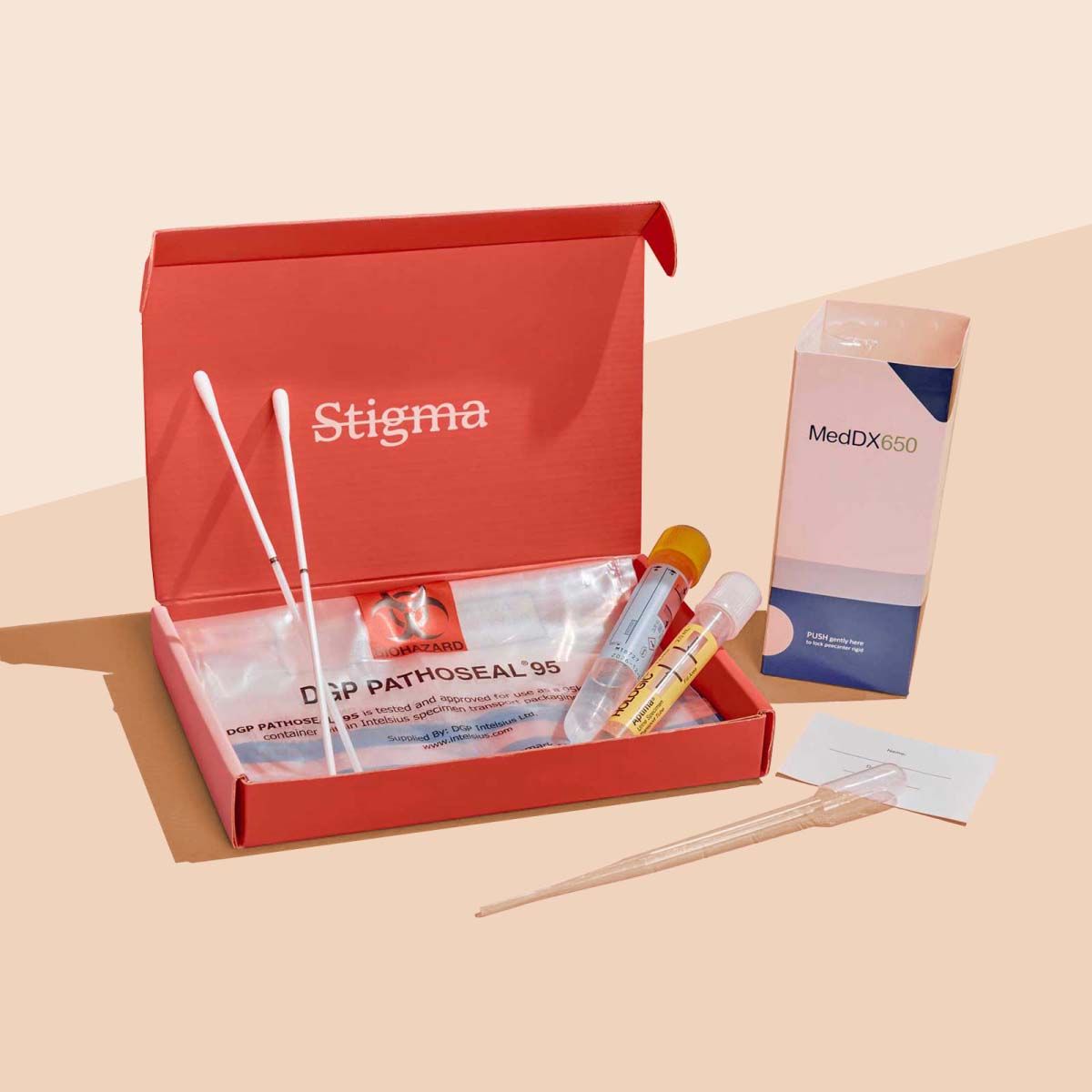
3-Site STI Test
$149
Screen for the two most common STIs in the throat, genitals, and anus. Consult and treatment included if necessary.