Written by Kathleen Morrison
Medically Reviewed by Andrea Sleeth WHNP-BC, MSCP
Key takeaways
- Yes, clindamycin is an effective prescription antibiotic that treats bacterial vaginosis.
- Clindamycin cream (2%) for BV is typically applied vaginally daily for 7 days.
- Clindamycin tablet (300mg) is typically taken twice daily for 7 days.
- Most women experiencing symptoms notice improvement within a few days, with full relief typically occurring by the end of the treatment course.
If you've been diagnosed with bacterial vaginosis (BV), you're probably wondering about your treatment options, including clindamycin.
Here's the good news: yes, clindamycin does treat BV effectively, and it's one of the two main prescription antibiotics healthcare providers rely on for this common vaginal infection.
Your healthcare provider may prescribe clindamycin as a vaginal cream, gel, or oral tablets, depending on your needs and medical history.
Most women notice symptoms improving within a few days, though it's important to complete the full course even when feeling better.
Understanding these treatment basics helps you make informed decisions about managing your vaginal health.
Wisp treatment options are available only after consultation with a licensed medical professional. You should consult with your healthcare provider before starting a new supplement or treatment regimen. Individual results may vary.
First, what is bacterial vaginosis?
Bacterial vaginosis happens when the natural balance of bacteria in your vagina gets disrupted. Your vagina naturally contains both good and harmful bacteria, but BV occurs when anaerobic bacteria overgrow and outnumber the beneficial lactobacillus bacteria.
This bacterial imbalance leads to the telltale symptoms of bacterial vaginosis: thin, grayish vaginal discharge with a distinct fishy odor.
Some women also experience burning during urination or vaginal itching.
A simple BV swab test can help you figure out what’s going on down there.
How does clindamycin help in BV treatment?
Clindamycin is used to treat BV by slowing or stopping the growth of bacteria causing the infection. This antibiotic belongs to the lincosamides class (related to lincomycin).
Think of clindamycin as a very focused “germ blocker” rather than a magic eraser for the treatment of bacterial vaginosis.
It targets certain bacteria linked with BV. These bacteria need to make proteins to grow and multiply. Clindamycin blocks that protein‑making process, so the BV‑causing bacteria can’t grow as easily and start to die off over time.
When you use clindamycin, it helps lower the level of BV‑related bacteria in the vagina, which can ease symptoms like odor and unusual discharge.
As those bacteria go down, your natural “good” bacteria (like lactobacilli) have a better chance to come back and support a healthier pH balance.
What clindamycin doesn’t do (and what to keep in mind)
It’s important to know that clindamycin doesn’t remove every single germ in the vagina, and it doesn’t treat yeast infections or sexually transmitted diseases.
Everyone’s body is different, so symptom relief and long‑term results can vary, and some people face BV recurrence even after treatment.
How fast does clindamycin start helping?
Symptoms typically start to improve within the first week of starting vaginal clindamycin.
The fishy odor typically fades first, while abnormal vaginal discharge usually improves next.
Complete symptom resolution typically occurs by the end of the treatment course.
Dosage, forms, & side effects of clindamycin for BV
Clindamycin comes in several forms, and depending on the form, the dosage varies:
- Vaginal Cream (2%): Applied intravaginally once daily at bedtime, usually for 7 days.
- Vaginal Ovules/Suppositories (100 mg): Inserted intravaginally once daily at bedtime for 3 days.
- Vaginal Gel/Hydrogel (2%): A single-dose, bioadhesive gel for one-time application.
- Oral Capsules (300 mg): Taken orally twice daily for 7 days.
Oral clindamycin side effects
Taking clindamycin by mouth can help treat bacterial vaginosis, but it’s important to be aware of possible reactions:
- Abdominal pain
- Dizziness
- Headache
- Nausea
- Vomiting
- Diarrhea
- Yeast Infection
- Stomach cramps
- Other possibilities, such as rash and sensitivity reactions
Serious warning: Oral clindamycin carries a boxed warning for Clostridioides difficile-associated diarrhea (CDAD). It is a potentially severe infection that can cause serious complications and require hospitalization.
Watery diarrhea (3+ times daily), abdominal cramping, fever, nausea, or loss of appetite could indicate Clostridium difficile. If you notice such symptoms, seek medical care immediately.
Vaginal clindamycin (cream/gel) side effects
Topical clindamycin is usually easier on your system overall (since it stays mostly where it’s applied), but that doesn’t mean it’s totally drama-free.
Here's what to watch out for:
- Local irritation: itching, burning, redness, vaginal pain, discharge changes
- Other reactions: abdominal pain, dizziness, headache, nausea, vomiting, diarrhea, yeast infection
- Allergic signs: hives, swelling, difficulty breathing (seek medical care).
Oral clindamycin vs vaginal clindamycin: Which is better?
The most common prescription is intravaginal clindamycin cream (2%) with disposable applicators.
There are also clindamycin suppositories and gel for bacterial vaginosis.
These vaginal treatments may offer advantages over oral therapy.
That's because with vaginal clindamycin phosphate, the medicine stays mostly in the vaginal area, so you're less likely to experience severe systemic side effects.
When can your provider prescribe the oral clindamycin?
Your provider will usually start clindamycin vaginal gel or cream as an effective treatment for bacterial vaginosis.
But oral clindamycin* might be chosen when you need a systemic antibiotic because of other health issues your provider is considering.
You should know that it comes with a black box warning because it can increase the risk of Clostridioides difficile, a serious gut infection that can sometimes require hospitalization.
That risk is exactly why oral clindamycin isn’t usually the first-line treatment for BV. It’s also why providers are careful about when and how it’s prescribed.
*Due to safety concerns, Wisp is removing oral clindamycin from the bacterial vaginosis (BV) treatment protocol and will be recommending other antibiotic options that are still effective but come with a more favorable safety profile.
How to use clindamycin properly?
Using clindamycin the right way really matters for both safety and results. Always follow the exact directions your prescriber gives you and what’s on the medication insert (not just what you read online).
For vaginal clindamycin gel, cream, or suppositories, you’ll usually:
- Wash your hands, then lie on your back or get into a comfy position.
- Fill or use the prefilled applicator as instructed, and gently insert it into your vagina.
- Press the plunger to release all the medicine, then remove the applicator.
These products are often used once a day at bedtime for several days, or as a single dose, depending on the brand and your provider’s plan.
If you’re prescribed oral clindamycin capsules for BV or another infection, take them exactly on schedule with a full glass of water and don’t stop early, even if you feel better
Proper usage ensures the best results.
Precautions for treatment with clindamycin for BV
While you’re using vaginal clindamycin, it’s best to keep things simple down there:
- Skip tampons or douches, and any other vaginal products.
- You’ll also want to pause vaginal sex until you’ve finished the full course.
- Giving your body a little breathing room can help the treatment do its thing.
One important heads-up : Clindamycin cream and ovules can weaken latex or rubber products like condoms and diaphragms for several days. That means they may be less effective at preventing pregnancy and sexually transmitted infections during that time.
Bottom line? Always check the instructions that come with your medication for the best BV results and to help avoid treatment failure.
Does clindamycin treat BV effectively compared to other antibiotics?
Clindamycin treats BV successfully in most cases when you complete the full treatment course. Clindamycin cream appears in the CDC guidelines as an effective recommended regimen.
Vaginal clindamycin preparations tend to be well tolerated since they work locally and have low systemic absorption.
It is a well‑studied, guideline‑supported antibiotic for BV, available as vaginal cream, gel, or suppositories.
Many women feel noticeably better within a week, and a large share have short‑term symptom relief or cure after a single course, especially in the first few weeks.
And while recurrence is common with BV in general, whether someone uses clindamycin or other antibiotics, needing repeat treatment or a different strategy later is normal and not a “you failed” situation.
Clindamycin vs metronidazole for BV: How do they compare?
When treating BV, healthcare providers typically choose between clindamycin and metronidazole.
Both prescription antibiotics work through different mechanisms and get the job done, just in different ways.
How they work
- Metronidazole: Damages bacterial DNA so the bacteria can’t grow.
- Clindamycin: Blocks bacterial protein production, which slows or stops growth.
Common doses & forms
(Your exact prescription may be different—always follow your provider’s directions.)
- Metronidazole: Often 500 mg tablets taken twice daily for 7 days, or 0.75% vaginal gel used once daily for 5 days.
- Clindamycin: Commonly 2% clindamycin vaginal cream (one applicator at bedtime for 7 days) or vaginal ovules for 3 days; oral clindamycin is sometimes used as an alternative.
Side effects:
- Metronidazole: Metronidazole commonly causes a metallic taste and stomach upset.
- Clindamycin: Clindamycin can cause vaginal irritation, discharge changes, and sometimes diarrhea or yeast infection. Oral clindamycin carries a high risk of causing Clostridium difficile, which can require hospitalization for complications.
Lifestyle interactions:
- Metronidazole: Many clinicians advise avoiding alcohol while taking oral metronidazole during the treatment for BV.
- Clindamycin: Clindamycin is not linked to the same reaction, but alcohol can worsen GI side effects with any antibiotic.
Your provider will weigh your history, preferences, and past responses before recommending one treatment approach.
Take charge of your vaginal health with the right treatment
The bottom line is clindamycin treats BV effectively. Whether you choose clindamycin cream, gel, or suppositories, completing the full treatment course gives you the best chance of clearing the infection and restoring your vaginal microbiome.
For convenient, judgment-free care for BV and other women's health concerns, Wisp offers prescription treatments.
Taking charge of your vaginal health becomes easier when you have access to effective treatments on your own terms.
This blog post is for informational and educational purposes only and should not be taken as professional advice. Always consult with a qualified professional before making any decisions based on the information provided here.
Trusted Treatments

BV Antibiotics (Tablets or Gel)
Starting at $15
Request topical or oral prescription antibiotics to treat bacterial vaginosis.
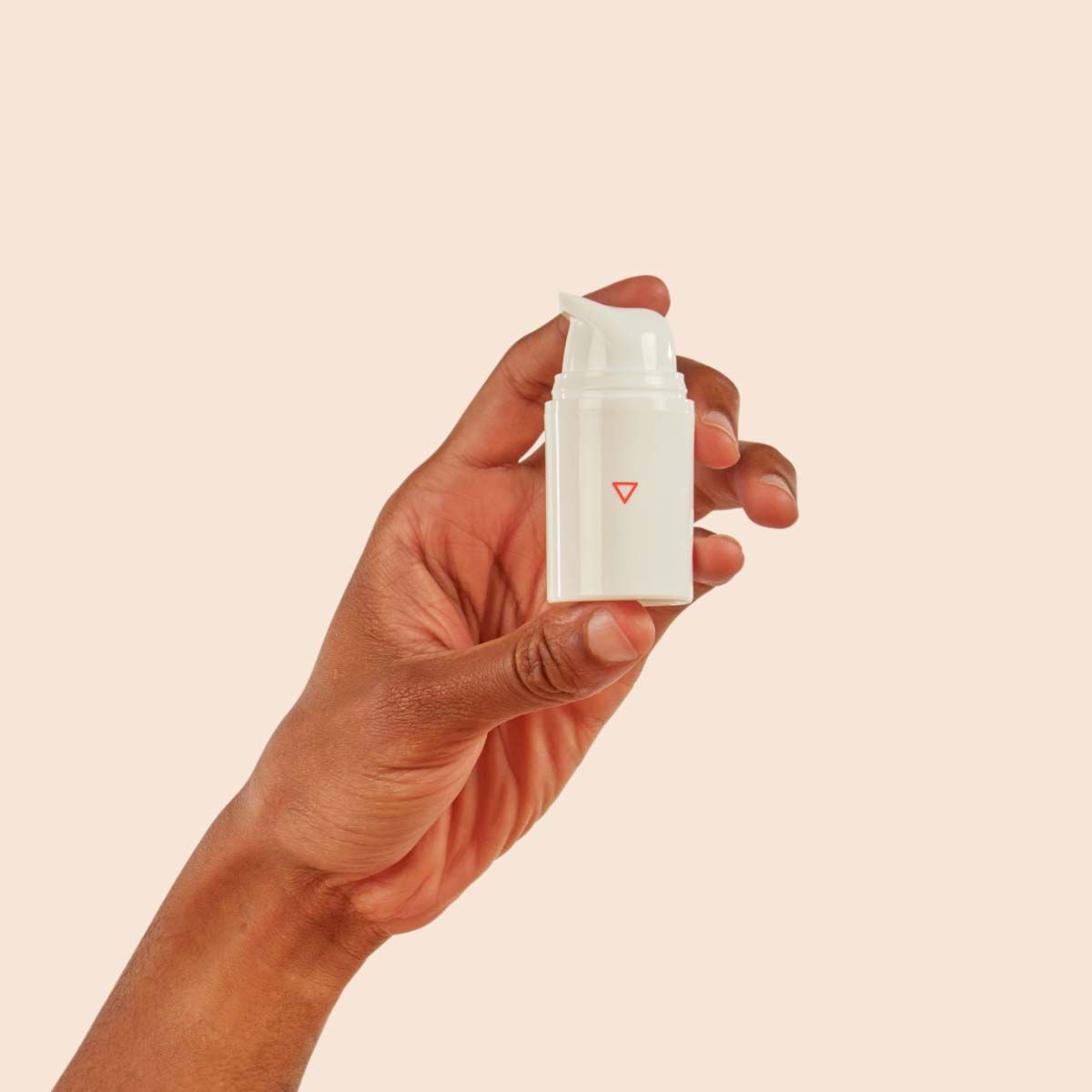
Clindamycin Cream (Cleocin)
Starting at $100
Topical Clindamycin is a trusted prescription antibiotic approved by the FDA to treat chronic and first-time BV.

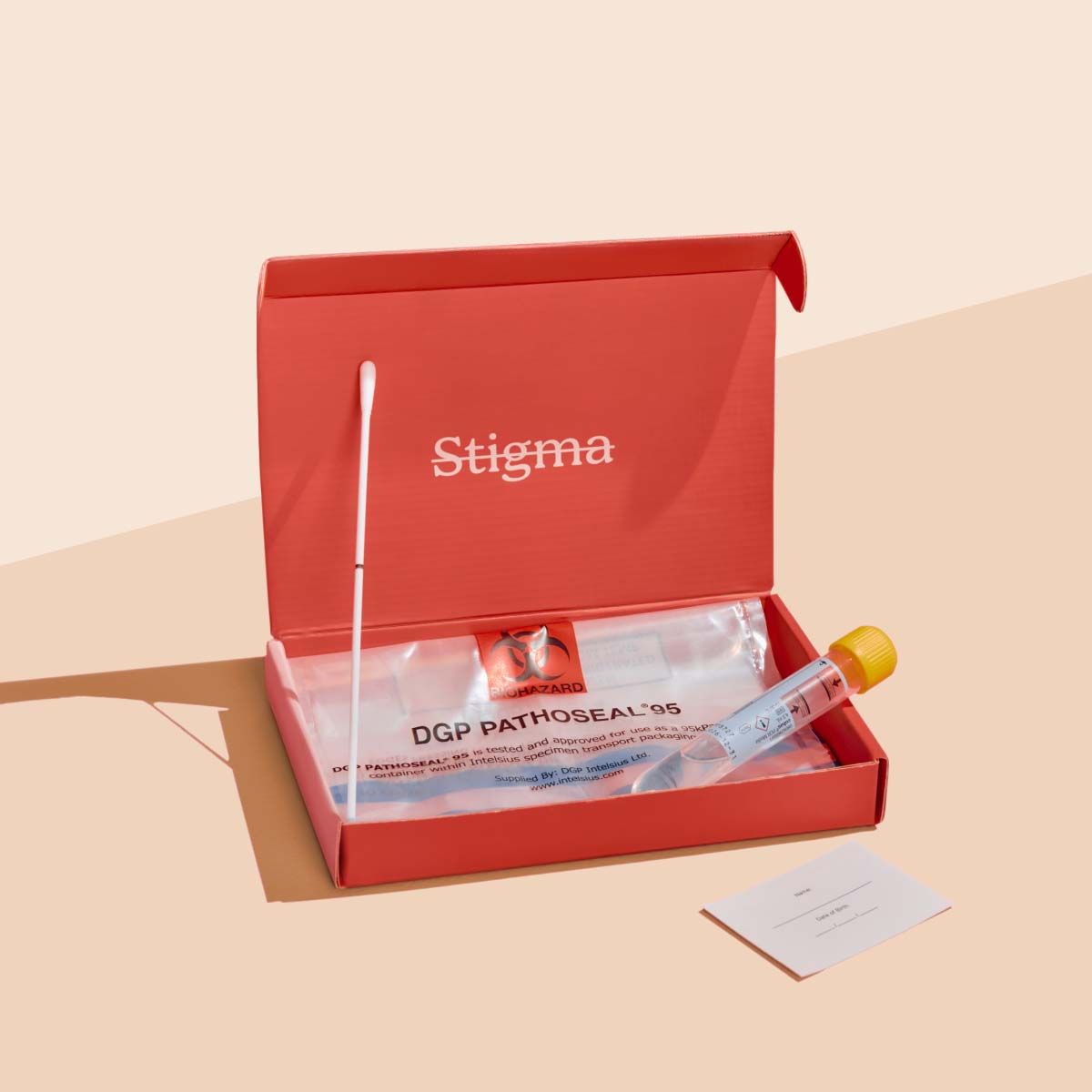
Vaginitis Test
$159
Test for the 10 most common disruptive microbes from the comfort of home with one swab.