Written by Kathleen Morrison
Medically Reviewed by Andrea Sleeth WHNP-BC, MSCP, a healthcare provider affiliated with Wisp
Key takeaways
- Herpes cannot be cured, but a herpes infection can be managed with prescription antivirals prescribed by a healthcare provider, if medically necessary and appropriate.
- HSV-1 more often causes oral herpes (cold sores) and HSV-2 more often causes genital herpes, though either virus type can show up in either spot.
- Episodic treatment is used at the first sign of an outbreak, while suppressive therapy is taken daily and is used to help manage the frequency of recurrences of genital herpes symptoms.
- Healthcare providers may recommend starting antiviral medication (for episodic treatment) at the first sign of herpes symptoms.
- HSV can shed from the skin even when you have no symptoms, so asymptomatic viral shedding can still transmit the virus to another person.
- Rest, gentle cleansing, and loose clothing may help you feel more comfortable during an outbreak, alongside treatment from a provider, if medically necessary and appropriate.
If you've just spotted a sore or felt something off down there, take a deep breath. Herpes is super common (like, really common), and having it doesn’t say a thing about your worth or your sex life. Pinky promise.
What matters most is how you care for your body moving forward. Learning what works for you, from prescription herpes treatments, lifestyle adjustments, and taking general precautions, can help you feel more in control and less stressed when outbreaks pop up.
You’ve got options, and you’re not alone.
Below, we’ll break down what the herpes simplex virus actually does in your body, which antiviral medication options exist, what a first outbreak needs, how to handle this without insurance, and what an online visit looks like.
Wisp treatment options are available only after consultation with a licensed medical professional, if medically appropriate. You should consult with your healthcare provider before starting a new supplement or treatment regimen. Individual results may vary. Must be 18 or older. For medication details and risks, see site for details.
Understanding the herpes simplex virus
So, basically, the Herpes Simplex Virus (HSV) is passed through skin-to-skin contact, including contact with a sore, saliva, or genital fluids, and it can spread even when no sores are visible.
Once it’s in the body, it chills in your nerve cells, and things like stress, sickness, or exhaustion can invite it to make an appearance.
Yes, it sticks around for life, but that doesn’t mean you’re powerless.
Noticing your herpes triggers, listening to your body, and responding early can help keep things calm.
And know that herpes is a condition with a PR problem, not a character flaw.
Types of herpes
There are two main types of herpes, and while they’re similar, knowing which one you have can help guide your care plan.
- HSV-1 can cause oral herpes (cold sores), but it can also show up in the genital area.
- HSV-2 is typically associated with genital herpes, though it can also appear orally.
Both types can spread through direct contact, like kissing or oral sex. Oral HSV can also spread by sharing things like lip balm or utensils while a sore is present.
A swab taken from an active sore is a common step when a provider is working toward a diagnosis of genital herpes. A lab test can help identify which type of herpes may be causing your symptoms, and a provider can help review your results.
And, when you know your type and location, it can get easier to track your symptoms, notice patterns, and make confident choices about treatment and intimacy.
These statements have not been evaluated by the Food and Drug Administration. This product is not intended to diagnose, treat, cure, or prevent any disease. Individual results may vary.
Treatments for managing herpes
Herpes, unfortunately, can’t be cured, but it can be managed. The most common antiviral medication options for herpes are (thank goodness) designed to fit right into your day-to-day life.
They're designed to slow the herpes virus down when it's trying to stir things up.
Treatment generally falls into two main types: episodic treatment (taken during an outbreak) and daily suppressive therapy (taken continuously to help manage recurrence frequency); more on this later!
Whether you and your provider land on episodic care for sudden flare-ups or daily suppressive therapy, it all starts with the right antiviral lineup.
Let’s dive into the common prescription antivirals that power both approaches.
Antiviral medications for oral and genital herpes
Healthcare providers may prescribe antiviral medications for genital herpes, such as Acyclovir and Valacyclovir. For cold sores, providers may recommend FDA-approved treatments or prescribe medications off-label based on their clinical judgment and your individual needs.
These antiviral therapy meds are used to help soothe discomfort and support skin health across both oral and genital areas.
Sticking to the schedule is important, though. Skipping doses can affect how well the medication works, so setting a reminder is a good move.
*This specific use of this prescription medication is not approved by the U.S. Food and Drug Administration (FDA). Such use, known as “off-label” use, may be prescribed by a licensed healthcare provider based on their clinical judgment. The safety and effectiveness of medications for off-label uses may not be established by the FDA. This information is for educational purposes only and is not medical advice. Always consult your healthcare provider regarding treatment decisions.
Side effects of prescription herpes antivirals
Common side effects of oral Acyclovir can include:
- Nausea, vomiting, or diarrhea
- Headache
- Skin rash or itching
- Mild skin pain
This is not a complete list of risks and side effects, and others may occur. If symptoms worsen or you notice signs of an allergic reaction, contact a provider right away.
You are encouraged to report negative side effects of prescription drugs to the FDA. Visit www.fda.gov/medwatch or call 1-800-FDA-1088.
Common side effects of oral Valacyclovir can include:
- Nausea
- Stomach pain
- Headache
This is not a complete list of risks and side effects, and others may occur. If symptoms worsen or you notice signs of an allergic reaction, contact a provider right away.
You are encouraged to report negative side effects of prescription drugs to the FDA. Visit www.fda.gov/medwatch or call 1-800-FDA-1088.
And if you can’t vibe with one medication, a provider can help find another option that may be a better fit. Everyone’s body is different, and that’s totally normal.
Episodic treatment vs. suppressive therapy
As we said, there are two main ways to approach treatment: episodic vs. suppressive.
The right treatment for you depends on what you work out together with your provider.
Here’s what each type of treatment can look like:
- Episodic treatment: You take medication only when an outbreak is starting. It may be a fit if you don’t get flare-ups often or if you usually notice them early. Think of it as your “in case of emergency” plan.
- Daily suppressive therapy: This means taking medication every day, which can help keep things low-key long-term. It may be a fit if outbreaks happen often or you just want that steady sense of control, like carrying that umbrella every day, just in case.
Suppressive treatment is used to help manage the frequency of recurrences of genital herpes as well as asymptomatic shedding, and Valacyclovir is also FDA-approved to help reduce the risk of transmission of genital herpes to a sexual partner when used alongside safer sex practices.
Whichever path you choose, it’s about finding what makes you feel most comfortable and confident.
Tracking when outbreaks happen, how your body responds, and how the meds are working can help you fine-tune your plan so it can keep working for you.
How to treat herpes through an online visit instead of a clinic?
If sitting in an in-person waiting room is the part you dread most, an online herpes consult can help with many routine herpes needs. Here's how it works:
- You start with a patient intake form: questions about your herpes symptoms, when they started, whether you have had an outbreak before, your medical history, and anything else you take.
- A licensed provider reviews your answers, usually over secure chat, with a video call if they need to talk something through.
- If treatment is medically necessary and appropriate, a prescription is sent to the pharmacy of your choice.
What an online visit cannot do is examine you in person or swab a sore. Plus, if something looks unusual, a provider may point you toward in-person care for diagnosis and treatment.
Other needs, including refills and switching between episodic treatment and suppressive therapy, can generally travel well online.
How to treat herpes without insurance in the US affordably?
Nobody should be rationing an antiviral because of what the pharmacy counter might say, so let us take the mystery out of the money part.
The antiviral drugs used for HSV have been around for decades and are widely available as generics, which can help keep self-pay costs down.
Without insurance, you generally have a few routes. Many self-pay telehealth visits list the visit cost upfront, so you can see the number before you commit to anything.
Pharmacy discount cards can often be applied to generic Acyclovir or Valacyclovir at the counter.
What you pay can vary between pharmacies, so it is worth calling around.
Community health centers and local sexual health clinics often run on sliding-scale fees based on income.
Other herpes treatment options through an in-person provider
Famciclovir is another oral antiviral drug used for herpes simplex virus infections, and it is one to raise with an in-person provider.
Wisp does not offer Famciclovir. If you are considering Famciclovir, an in-person provider is the best next step for evaluation and ongoing monitoring.
Common side effects of oral Famciclovir can include:
- Headache
- Nausea
- Diarrhea
- Stomach pain
- Cramps
This is not a complete list of risks and side effects, and others may occur. If symptoms worsen or you notice signs of an allergic reaction, contact a provider right away.
You are encouraged to report negative side effects of prescription drugs to the FDA. Visit www.fda.gov/medwatch or call 1-800-FDA-1088.
What else can an in-person provider help with?
- Pregnancy or trying to conceive: HSV management can involve additional considerations during pregnancy, particularly around a first outbreak or an outbreak close to delivery. For people with a history of genital herpes, in-person providers will typically recommend starting suppressive treatment during pregnancy, especially toward the end. If an outbreak happens close to delivery, they may also talk through delivery options.
- Possible neonatal herpes: If there are concerns about HSV exposure around childbirth, an in-person provider can help put the situation into context and work through the appropriate next steps.
- Sores near or in the eye: Herpes can affect the eye, so sores or symptoms around the eye need urgent in-person evaluation and treatment, since eye involvement can affect your eyesight and, in some cases, may lead to permanent vision loss.
- Unusual, severe, or persistent symptoms: If an outbreak looks different from your usual pattern, feels unusually severe, or simply refuses to heal as expected, an in-person provider may want to take a closer look and possibly run some physical tests.
Essentially, if your situation has extra moving parts, or the usual HSV playbook doesn’t seem to fit, an in-person provider may be able to fill in the missing pieces.
Wisp does not provide herpes treatment during pregnancy. If you're pregnant or think you might be, an in-person health care provider or OB-GYN is the best next step.
How to treat herpes symptoms at home during a first outbreak?
A first outbreak can often feel like a lot: sores, swollen glands, fatigue, fever, and that “why do I feel like I got hit by a truck?” feeling. Prescription antivirals are the main event.
A provider may prescribe an antiviral if medically appropriate.
Since first outbreaks can be particularly cranky, getting medical guidance early is worthwhile.
Comfort measures that may help while you heal
Your home-care strategy beyond prescription treatment? Be aggressively boring. Here’s what that can look like:
- Rest. Your body is working through a viral infection, and sleep is doing real work.
- Gentle cleansing. Warm water and a mild, fragrance-free cleanser, then pat dry instead of rubbing.
- Loose clothing. Cotton underwear and roomy pants can help keep fabric from dragging across sores in the genital area.
- Cool compresses. A clean, cool cloth may help take the edge off soreness and swelling.
- Hydration. Water can help support your body while you work through an outbreak, especially if you are running a fever.
- Hands off! Do not pick at sores, and wash your hands after touching them so you are not moving the virus around.
- Skip the DIY potion-making. Fragranced products and random home remedies can irritate already-angry skin.
What home care cannot do is replace provider care. A first episode of genital herpes is the moment to get evaluated, because clinical guidelines recommend starting antiviral medication early.
So, if you're ready to talk to a provider about treatment, start with a first herpes outbreak consult.
Living with herpes: Everyday ways to help support your body
For some people, a few everyday habits can help make living with HSV a bit easier. These approaches may help support your body’s natural defenses and create a healthy, happy environment.
Think of them as supportive additions, not as replacements for medical advice.
Food habits
Certain foods may help create a balanced environment in your body to support your immune system:
- Foods high in lysine (such as dairy, fish, and eggs) are part of a balanced diet that supports overall health.
- Cutting down on arginine-rich foods (like chocolate and peanuts) may be part of a balanced routine for some people.
- Staying hydrated is key! Water can help support your body with its natural cleansing processes; think of it like washing dishes in a busy kitchen.
- A well-rounded diet with plenty of fresh fruits, vegetables, and lean proteins may help support a strong immune system.
If you’re feeling tired often or catching colds more frequently, it might be time to check your nutrient levels. But remember, before making big changes, chat with your provider to make sure your new habits are a good fit for you.
Herbal helpers
While they're absolutely not a replacement for prescription treatment, some herbal remedies and supplements may offer a little extra gentle support while your body does its thing.
A few worth knowing about:
- Lysine: It's an amino acid your body doesn't make on its own. It may help support immune health.
- Echinacea: A popular herb that may help support immune function.
- Lemon balm (Melissa officinalis): May be applied topically and may feel soothing on skin.
- Diluted tea tree oil: May feel soothing when skin is itchy or uncomfortable, but be sure to patch test first to check for skin sensitivity. Avoid applying it to open sores or genital skin.
While these measures can be comforting, remember they shouldn’t replace standard prescription treatments. These may be a nice addition to your self-care routine, but they're not miracle workers!
These statements have not been evaluated by the Food and Drug Administration. These products are not intended to diagnose, treat, cure, or prevent any disease. Individual results may vary.
Lifestyle tweaks
Stress can be a trigger for HSV flare-ups, so finding ways to relax is a good idea.
Start with some mindful activities like a daily walk or a few minutes of slow, meditative breathing. These small practices may help ease stress and help you feel more balanced.
Your sleep routine matters too. Cutting back on screen time before bed can help support sleep, and sticking to a consistent sleep schedule can help your body recharge.
Gentle physical activity, like yoga or light cycling, may help support circulation and mood without putting unnecessary stress on your body.
Transmission risk: How to help keep the virus from getting a “plus one”
When it comes to HSV (and any other sexually transmitted infection), it’s all about being open and taking a few simple steps to keep things as comfortable as possible for everyone.
Honest chats and intimate practices
Here’s the thing: talking it out with your partner is key.
Let them know how often you have outbreaks, what symptoms to look out for, and what they can do if they notice something off.
Remember, it’s way better to be upfront and clear than to let things go unspoken.
Plus, washing your hands after touching a sore or putting on ointment is a smart move to help keep things cleaner.
If you’re using lip balm or makeup, it’s best to keep those personal while you’re dealing with cold sores.
You can encourage your partner to get tested, too! It’s all about taking the guesswork out of the situation.
No one wants to feel uncertain about their health, so the more you can both know, the better. Having these kinds of conversations? It’s just a sign of respect.
You’re not weak for sharing your HSV status; you’re being upfront and caring. And a partner who reacts badly to that conversation just told you something useful.
Condoms and barriers
Now, let’s talk about condoms and dental dams. They can help create a barrier between you and any skin that might be shedding the virus. Sure, they don’t cover everything (so transmission can still happen), but they can be a helpful tool.
Using them every single time, even when you don’t have visible sores, can help lower the risk of transmission.
Some folks also choose to avoid sexual contact if they notice a sore, which can help manage the chances of spreading herpes simplex infections.
Limiting the number of sexual partners you have can be another way to help lower the overall risk.
Regular STI testing is a good habit if you're sexually active, and a provider can help you decide which tests make sense for you.
It’s all about combining safe practices, open communication, and checkups to help keep things feeling relaxed and respectful.
You've got a plan now. Go live your life.
Herpes doesn’t have to stop you from living a full, rewarding life. Once you understand your triggers and develop a self-care routine, you’ll feel more prepared when outbreaks happen. Over time, you may start to recognize early signs, which can help you act early.
Focusing on facts and open communication can help you feel empowered and may help chip away at herpes stigma.
There’s no one-size-fits-all solution, but combining prescription treatment, some lifestyle adjustments, and the right emotional support can help you manage HSV day to day.
Ready to take charge of your sexual health? Wisp offers private, judgment-free access to prescription herpes treatment from a provider, if medically necessary and appropriate, with oral and genital options for episodic treatment and suppressive therapy starting at $10/month.
This blog post is for informational and educational purposes only and should not be taken as professional advice. Always consult with a qualified professional before making any decisions based on the information provided here.
Trusted Treatments
Valacyclovir & Acyclovir For HSV-2
Starting at $10/ month
Prescription antiviral pills used to prevent & treat outbreaks
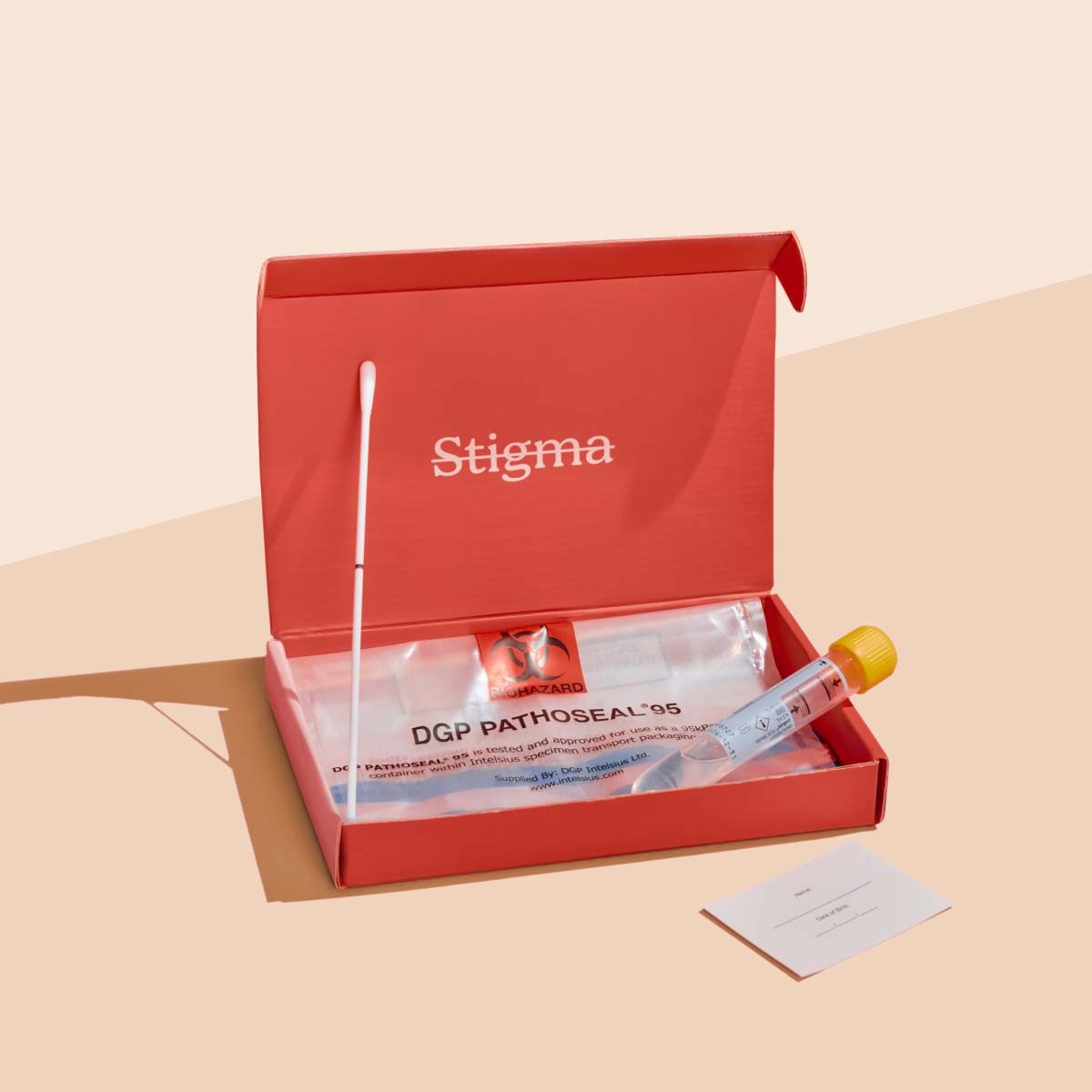
Herpes (HSV) Test
$169
At-home HSV-1 and HSV-2 testing, made simple—swab, ship, and treat. Consult and treatment included if necessary.
Valacyclovir (Valtrex) or Acyclovir | HSV-1
Starting at $10/ month
Prescription antiviral pills used to prevent & treat outbreaks.

First Herpes Outbreak Consult | Oral & Genital
$65
Consult with a medical provider to get matched with the right herpes treatment and prevent future outbreaks.