Written by Kathleen Morrison
Medically Reviewed by Andrea Sleeth WHNP-BC, MSCP, a healthcare provider affiliated with Wisp
Key takeaways:
- Early menopause means reaching menopause before age 45, while premature menopause (or primary ovarian insufficiency) occurs before age 40.
- Common early menopause symptoms include irregular periods, hot flashes, night sweats, vaginal dryness, mood changes, and sleep disruptions.
- Causes range from genetics and family history of early menopause to cancer treatment, autoimmune conditions, and surgical removal of the ovaries.
- Hormone therapy is generally recommended for women who experience early menopause to help support bone health and cardiovascular protection during the years they'd normally still produce estrogen.
- Early menopause and perimenopause can look similar, but they require different approaches and timelines for care.
- A provider can evaluate your symptoms, run the right tests, and help you figure out a plan that fits your body and your life.
Your period has been acting strange for months. Maybe it disappeared entirely, maybe it shows up whenever it feels like it, or maybe you're waking up drenched in sweat at 38 and thinking, "Isn't this supposed to happen to my mom right now, not me?"
If you're noticing signs of menopause before age 45, you might be going through early menopause. It's more common than most people realize, and it can feel isolating when everyone else your age is still dealing with regular cycles.
But you're not broken, you're not imagining things, and there are real options to help manage your symptoms and support long-term health.
What are early and premature menopause?
When menopause happens before age 45, it's considered early. When it occurs before age 40, providers typically call it premature menopause or primary ovarian insufficiency (POI).
Both mean your ovaries have slowed or stopped producing the hormones that regulate your menstrual cycle, but the timing is ahead of schedule.
Here's why that distinction matters: the earlier your estrogen levels drop, the longer your body goes without that hormone's protective effects on your bones, heart, and brain. Primary ovarian insufficiency affects roughly 1 in 100 people with ovaries under 40, while early menopause before 45 touches about 5% of that population.
One important note: some people with primary ovarian insufficiency still have occasional periods and may even still get pregnant spontaneously, which sets it apart from complete menopause. Your ovaries haven't necessarily shut down forever. They're just... dramatically underperforming.
Why does early menopause happen?
Sometimes there's a clear cause, and sometimes there isn't. About half of early or premature menopause cases have no identifiable explanation, which can feel frustrating when you're looking for answers.
Genetics and family history: If your mother or sister went through early menopause, you're more likely to experience it yourself. A family history of early menopause is one of the strongest predictors. Certain chromosomal conditions, like Turner syndrome or Fragile X premutation, may also increase risk.
Medical treatments: Chemotherapy and pelvic radiation can damage ovarian tissue, sometimes permanently. A hysterectomy that removes your uterus but leaves your ovaries may still push you toward earlier menopause because surgery can affect blood flow to the ovaries. Surgical removal of both ovaries causes immediate menopause, regardless of your age.
Autoimmune conditions: When your immune system mistakenly attacks your own tissues, it can target the ovaries. Thyroid disorders, rheumatoid arthritis, and lupus have all been linked to earlier ovarian decline.
Lifestyle factors: Smoking is associated with reaching menopause one to two years earlier than nonsmokers. It's one of those modifiable risk factors that tends to fly under the radar.
Symptoms to watch for in your 30s and 40s
Early menopause symptoms mirror what happens during typical menopause, but they hit when you're not expecting them. The intensity varies wildly from person to person.
Irregular periods and menstrual changes
Your menstrual cycle is usually the first thing to shift. Periods might come closer together, then spread further apart, or skip months entirely. Flow can become heavier or lighter than your normal pattern. You might spot between periods or have cycles that vary so much in length you can't predict anything anymore.
Tracking these changes gives you real information to bring to a provider. Irregular periods alone don't confirm early menopause (plenty of conditions cause cycle disruptions), but combined with other symptoms under age 45, they're a signal worth investigating.
Hot flashes and night sweats
That sudden wave of heat spreading across your chest and face, followed by drenching sweat and then chills as your body overcorrects? Classic.
Night sweats are the same thing happening while you sleep, and they can turn your sheets into a situation that requires a full bed-linen change at 2 AM.
Vaginal dryness and sexual changes
Lower estrogen levels affect vaginal tissue directly. The walls become thinner, less elastic, and produce less natural lubrication. This can make sex uncomfortable or painful and may increase susceptibility to recurrent UTIs.
If intimacy has started feeling like something you'd rather avoid, or you're dealing with pelvic discomfort that won't quit, know that these are legitimate physical changes, not something you should just push through.
Mood changes and brain fog
Estrogen influences neurotransmitters like serotonin and dopamine, so when hormone levels shift, your mood can feel... unpredictable.
You might feel more anxious, irritable, or sad without any obvious external trigger. Some people describe it as feeling like themselves with the emotional volume turned way up.
And then there's brain fog. That frustrating difficulty finding words, forgetting why you walked into a room, or losing your train of thought mid-sentence. It's not you getting "dumber." It's hormones messing with your cognitive function, and for most people, it tends to improve once hormone levels stabilize.
Sleep disruption and fatigue
Between night sweats waking you up and hormone-related insomnia keeping you staring at the ceiling, quality sleep can feel impossible.
Chronic sleep disruption can lead to daytime fatigue that no amount of coffee actually fixes. The tired-all-the-time feeling isn't laziness, it's just your body.
Bone density loss
Estrogen plays a protective role in maintaining bone density, so when levels drop early, bone breakdown may accelerate.
Women who go through early or premature menopause have more years of lower estrogen, which can increase osteoporosis risk compared to those who reach menopause at the average age.
This is one of the biggest reasons providers tend to recommend hormone therapy for people with early menopause.
Early menopause vs. perimenopause: how to tell the difference
This is a question that comes up constantly, and it makes sense. Both involve hormonal shifts, irregular periods, hot flashes, and mood changes. So how do you know which one you're dealing with?
Perimenopause is the transition phase leading up to menopause. It's a normal part of aging that typically begins in your mid-40s, and it means your ovaries are gradually winding down. You're still producing some estrogen, still ovulating (sometimes), and your periods may still happen, just less predictably.
Early menopause means your ovaries have stopped or nearly stopped functioning ahead of schedule. Your periods have been absent for 12 consecutive months before age 45, and hormone tests show consistently elevated FSH and low estrogen levels.
The key differences:
- Timing:
Perimenopause before 45 could be normal-early. No periods for 12+ months before 45 suggests early menopause.
- Fertility:
During perimenopause, pregnancy is still possible (sometimes unexpectedly). With early menopause, natural conception becomes very unlikely, though not always impossible with POI.
- Treatment approach:
Perimenopause symptoms may be managed with lifestyle changes or short-term interventions. Early menopause often calls for hormone therapy to help support long-term bone and cardiovascular health, not just symptom relief.
A provider can distinguish between the two with blood tests measuring FSH and estrogen levels, typically repeated over several weeks since hormones fluctuate.
How is early menopause diagnosed?
Diagnosis involves symptom review, medical history, and blood work. Your provider will ask about your menstrual patterns, symptoms, family history of early menopause, and any medical treatments you've had.
You might need to visit an in-person provider to get things cleared up. Blood tests measure follicle-stimulating hormone (FSH) and estrogen. FSH rises when your ovaries aren't responding to signals to release eggs, so consistently elevated FSH (typically above 30-40 mIU/mL) alongside low estrogen suggests ovarian function is declining. Tests are usually repeated over several weeks because hormone levels fluctuate day to day.
Your in-person provider might also check anti-Mullerian hormone (AMH), which reflects ovarian reserve, and thyroid function, since thyroid disorders can mimic or worsen menopausal symptoms.
Treatment options for early menopause
Finding what works takes some experimentation, but there are real options. The right approach depends on your symptoms, health history, and what you actually want your day-to-day to look like.
Hormone therapy
For people with early or premature menopause, hormone therapy isn't just about symptom relief. It's about replacing the estrogen your body would normally still be producing.
Hormone therapy for women with primary ovarian insufficiency can help support bone density, cardiovascular health, and overall well-being during the years before natural menopause would typically occur.
Options include estrogen patches, gels, pills, etc. If you have a uterus, progesterone is added to protect your uterine lining.
Common side effects of hormone therapy may include:
- Headache
- Bloating, stomach cramps, nausea, vomiting
- Breast pain or tenderness
- Irregular vaginal bleeding or spotting
- Fluid retention and swelling
- Spotting or irregular bleeding
This is not a complete list of risks and side effects, and others may occur. If symptoms worsen or you notice signs of an allergic reaction, contact a provider right away.
Potential risks of hormone therapy
Like any medication, hormone therapy carries potential risks, which vary based on the type of hormones used, the dose, how they're taken, and your personal health history.
Oral hormone therapy may increase the risk of blood clots and stroke, while transdermal estradiol (patches and gels) appears to carry a lower risk of blood clots.
Long-term use of combined estrogen plus synthetic progestin may also increase breast cancer risk, though current research suggests bioidentical micronized progesterone may not carry the same risk.
Ultimately, these risks vary based on the hormones used, how they're taken, and your personal health history. Your provider can help you determine which option is right for you.
That’s why starting off by having an online menopause consultation can be an easy, low-stress, and low-pressure first step if you're not sure whether hormone therapy is the right choice for you.
Non-hormonal options
For people who can't use hormone therapy, non-hormonal prescription options may help manage specific symptoms like hot flashes. An in-person provider can discuss options that might fit your situation.
Everyday strategies that may help you feel better
- Cooling tactics: Breathable layers, a fan by your bed, moisture-wicking sheets
- Vaginal comfort: pH-friendly moisturizers used regularly (not just during sex) and water-based lubricants may help maintain tissue hydration
- Bone support: Weight-bearing exercise like walking, dancing, or lifting weights may help support bone maintenance. Adequate calcium and vitamin D intake matters more now than ever.
- Sleep support: Consistent sleep schedule, cool bedroom (around 65 degrees F), limiting caffeine after noon
Get care that actually fits your life
Dealing with early menopause symptoms can feel stressful and frustrating, especially when you're decades younger than anyone else you know dealing with this.
But understanding what's happening in your body is the first step toward feeling better.
Wisp offers online consultations where you can talk through your symptoms with a licensed provider who can help address menopause, including when it shows up earlier than expected.
Get guidance on treatment options, same-day prescriptions when appropriate, and judgment-free care that meets you where you are. No in-person waiting rooms, no hassle. Schedule a menopause consult and start the conversation.
Most prescriptions are sent to your pharmacy within 3 hours of completing your patient intake form and video chat when necessary. Pending retail pharmacy hours.
This blog post is for informational and educational purposes only and should not be taken as professional advice. Always consult with a qualified professional before making any decisions based on the information provided here.
Trusted Treatments

Menopause Consult Online
$99
Customized care for menopause & perimenopause symptoms including estrogen & progesterone hormone replacement.
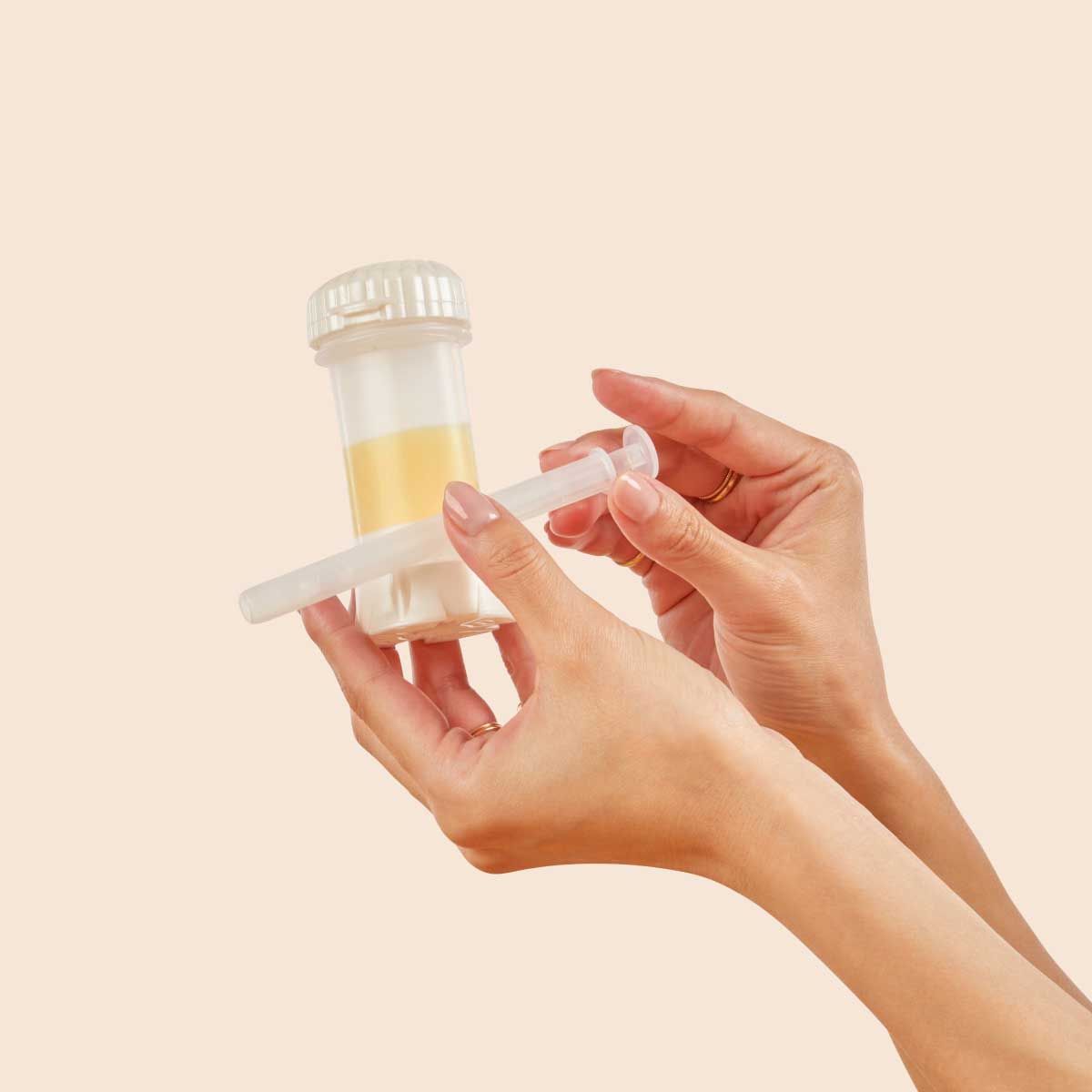
Non-Hormonal Vaginal Moisturizer
Starting at $60
Hormone-free moisture for all life stages, including breastfeeding, postpartum, and menopause.
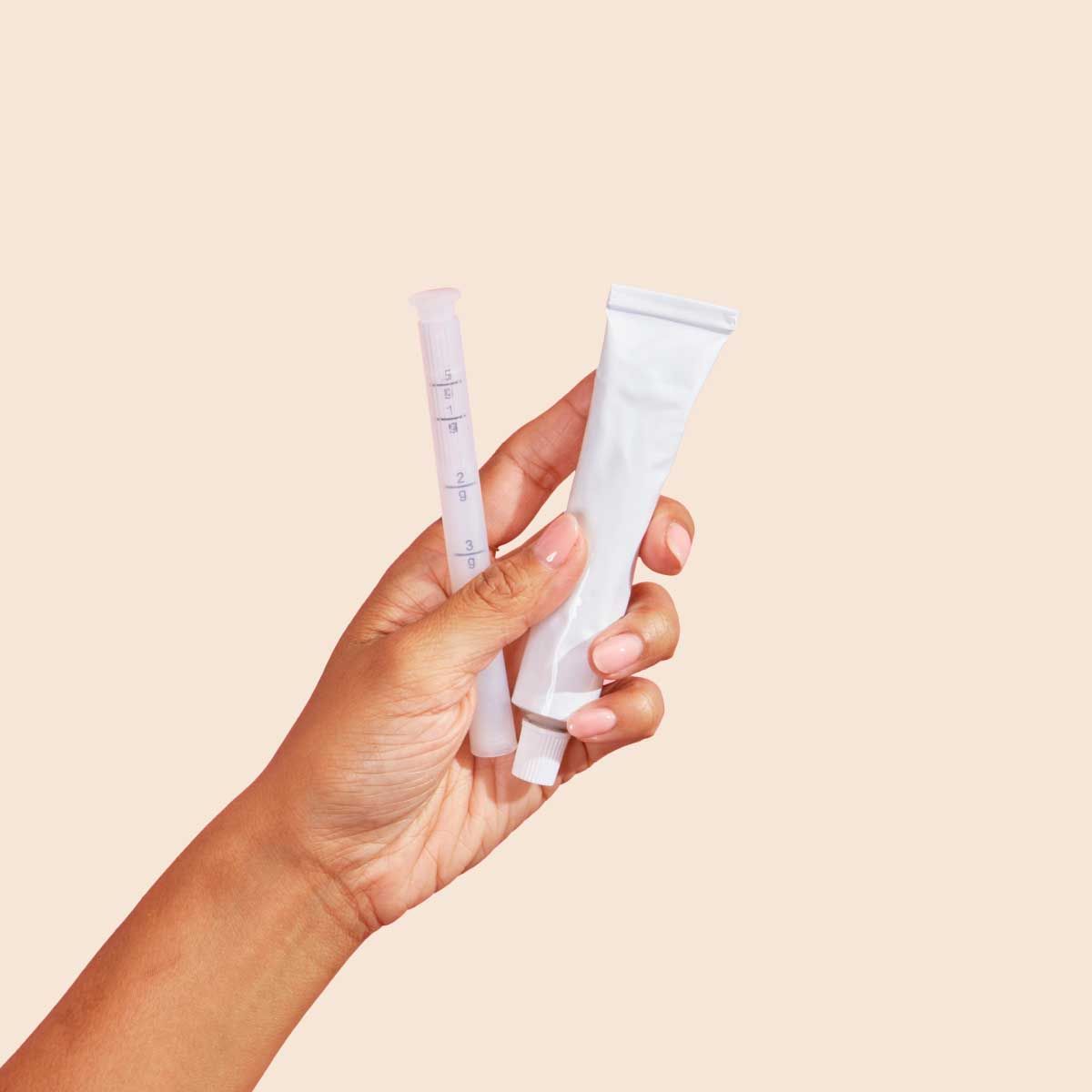
Estradiol Vaginal Cream
Starting at $20
A hormonal cream that soothes vaginal dryness caused by menopause, or during postpartum, especially with breastfeeding.