Written by Kathleen Morrison
Medically Reviewed by Andrea Sleeth WHNP-BC, MSCP
Key takeaways
- Low estrogen can affect periods, mood, sleep, and sexual comfort—pay attention to changes in your body.
- Hot flashes, night sweats, and vaginal dryness are common symptoms that may appear even before menopause.
- Estrogen supports bone density, heart health, and brain function; low levels can impact all three.
- Diagnosis often combines symptoms, medical history, and hormone testing; at-home testing can be a helpful first step.
- Treatment options range from hormone therapies to lifestyle changes like diet, exercise, and stress management.
If your body’s been feeling a little off lately, there's always a chance it's your hormones. Lots of women deal with shifts in estrogen at different points in their lives, and your body usually gives you hints when something’s changing.
Maybe your cycle’s acting up, your mood feels wobbly, you’re noticing hot flashes or vaginal dryness, or sleep just isn’t cooperating. While these things often show up around menopause, younger women can experience them too because hormones love doing their own thing.
Once you know what’s going on, you have plenty of ways to help yourself feel better. Some people find relief through lifestyle tweaks, others through medical support or routines that bring things back into balance. Every woman’s experience is different, so think of this as your gentle reminder that you get to explore what works best for you—and you don’t have to figure it out alone.
Estrogen's role in your body
Estrogen is your body’s behind-the-scenes MVP. It keeps so many systems running smoothly that you hardly think about it until something feels off. And once you know everything estrogen’s responsible for, it’s way easier to understand why low levels can show up in so many different (annoying) ways.
Your body makes three types of estrogen, and each one shows up for you at different stages of life:
- Estradiol: the main player during your reproductive years
- Estriol: the one that takes center stage during pregnancy
- Estrone: the type that sticks around after menopause
Your ovaries produce most of your estrogen, but your adrenal glands and fat tissue help out too. And this hormone doesn’t just hang out in one place; it influences everything from your brain to your bones to your sexual health.
Estrogen naturally rises and falls throughout your menstrual cycle. Early in your cycle, it helps build your uterine lining, and later it helps trigger ovulation. It also guides your body through puberty, shaping breast development and helping your cycle get into a rhythm.
Beyond that, estrogen is quietly supporting you every day by helping to:
- keep your skin bouncy
- support brain function
- manage cholesterol
- maintain comfortable vaginal tissue
- strengthen your bones
Think of estrogen as your body’s multitasking maintenance crew. When levels are steady, everything feels pretty seamless. But when estrogen dips, the systems that depend on it start sending signals—and that’s when symptoms start popping up.
Common symptoms of low estrogen
Low estrogen symptoms can look super different person to person, but some signs pop up more often than others. Your menstrual cycle is usually the first thing to feel wonky, with irregular or missed periods becoming the new normal. Physical symptoms like hot flashes, night sweats, and vaginal dryness can also sneak in, making intimacy and daily life feel tricky.
Hot flashes and night sweats
Hot flashes hit out of nowhere, sending sudden waves of heat through your body. Your face flushes, your heart races, and sweat appears seemingly instantly. Night sweats are basically hot flashes during sleep, often leaving pajamas and sheets soaked.
Here’s why it happens: estrogen helps regulate your body’s thermostat (aka the hypothalamus). When levels drop, your body overreacts to small temperature changes, triggering unnecessary sweating and flushed skin.
Vaginal dryness and discomfort
Low estrogen can make your vaginal tissue thinner, less elastic, and less naturally lubricated. That means sex can feel uncomfortable, and you might notice burning or irritation. Vaginal dryness affects nearly half of postmenopausal women, but it can happen at any age.
Options to ease dryness include:
- Over-the-counter vaginal moisturizers to help with painful sex
- Proper lubricants
- Prescription options such as vaginal estradiol
Using the right products can make a huge difference for comfort and intimacy.
Wisp treatment options are available only after consultation with a licensed medical professional. You should consult with your healthcare provider before starting a new supplement or treatment regimen. Individual results may vary.
Mood swings and brain fog
Estrogen impacts brain chemistry, so it’s no surprise that low levels can lead to mood swings, anxiety, or irritability. You might also experience “brain fog,” which can look like forgetting words, struggling to focus, or feeling mentally drained.
Sleep often takes a hit, too. Poor sleep can worsen mood swings, creating a frustrating cycle. Since estrogen helps regulate body temperature and sleep cycles, when it dips, restful sleep can be elusive.
Bone and heart health
Estrogen helps keep your bones strong by managing calcium absorption and bone turnover. When estrogen drops, bone loss accelerates: women can lose up to 20% of bone density in the five to seven years after menopause.
It also affects heart health and heart disease risk. Estrogen supports healthy cholesterol levels, keeps blood vessels flexible, and reduces inflammation. When levels fall, health risks for high blood pressure, heart attacks, and strokes can rise.
When to talk to a provider
Figuring out when to check in with a healthcare professional can feel confusing, but your body usually gives clues that shouldn’t be ignored. Early changes in your periods, hot flashes, mood swings, or vaginal symptoms are all worth paying attention to.
Reach out to a provider if you notice:
- Irregular periods for more than three months, especially if you’re under 40
- Sudden stop of periods in younger women, which could signal underlying issues like hypothalamic amenorrhea or primary ovarian insufficiency
- Symptoms that interfere with your day-to-day life, like intense hot flashes, mood swings that feel unmanageable, or discomfort during intimacy
Your quality of life matters, and effective options exist. Telehealth makes it easier than ever to connect with healthcare providers who know what's up, so you can get answers, guidance, and treatment without the stress of in-person appointments.
How do you get a low estrogen diagnosis?
Unfortunately, getting a full, clear picture of your estrogen levels is going to take more than a single blood test. Providers usually combine symptom check-ins, medical history, and lab tests to see the full picture. Blood work can measure hormones like estradiol, follicle-stimulating hormone (FSH), and luteinizing hormone (LH). Timing matters too, since estrogen naturally fluctuates throughout your cycle.
At-home hormone testing can be a super convenient first step. These tests let you check key hormone levels from the comfort of your couch, giving you insights that you can chat to your healthcare provider about. Plus, it's way less intimidating than having to make an IRL appointment.
This way, you can take charge of your hormonal health on your own terms.
How do you treat low estrogen?
How you manage low estrogen depends on your symptoms, age, and what feels right for your body. Here’s a breakdown of some of your main options:
Hormone replacement therapy (HRT): Pills, patches, gels, or vaginal preparations. For women with a uterus, the hormone progesterone is usually added to balance things out. This can be helpful for moderate to severe symptoms.
Localized vaginal estrogen: Creams, tablets, or rings that deliver estrogen directly where it’s needed. Perfect for vaginal dryness or urinary discomfort, with minimal effect on the rest of your body.
Non-hormonal medications: Certain medications can help with hot flashes, night sweats, or mood swings if HRT isn’t right for you.
Alternative or complementary approaches: Plant-based bioidentical hormones and lifestyle strategies can help alongside medical treatments to support your overall well-being.
Lifestyle changes to help support your hormones
Small tweaks to your daily routine can help make a difference in how your hormones behave and how you feel. Nutrition plays a huge role in helping to keep things balanced:
- Eat whole, hormone-friendly foods: Focus on phytoestrogen-rich options like soy, flaxseeds, and legumes. These plant compounds can gently mimic estrogen’s effects.
- Support your bones: Calcium and vitamin D are your best friends when estrogen dips, helping keep bones strong.
Exercise also pulls a lot of weight when it comes to hormone health and managing weight gain (which can also mess with your hormones):
- Strength training: Keeps muscles toned and bones dense.
- Cardio: Supports your heart and keeps energy levels up.
- Mind-body movement: Yoga or tai chi not only moves your body but can also help calm stress, which can impact hormones, too.
Aim for about 150 minutes of moderate activity per week, but listen to your body... Too much intense exercise can actually throw your hormones off balance. Small, consistent steps go a long way in helping you feel your best.
Take charge of your hormones and feel like yourself again
Symptoms of low estrogen in women can show up in all sorts of ways—hot flashes, mood swings, sleep struggles, or even heart and bone health concerns—but knowing what’s going on gives you the power to do something about it. Whether you’re exploring hormone therapy, lifestyle tweaks, or non-hormonal options, there are multiple ways to manage symptoms and keep living life on your terms.
The key is having support that actually listens to you and tailors a plan to your needs. With at-home hormone testing and personalized menopause guidance, you can get a clear picture of your levels and take confident steps toward feeling like yourself again.
Ready to take the guesswork out of your hormones? Try Wisp’s at-home hormone test and connect with menopause support designed around you—because navigating hormonal changes shouldn’t be complicated.
This blog post is for informational and educational purposes only and should not be taken as professional advice. Always consult with a qualified professional before making any decisions based on the information provided here.
Trusted Treatment
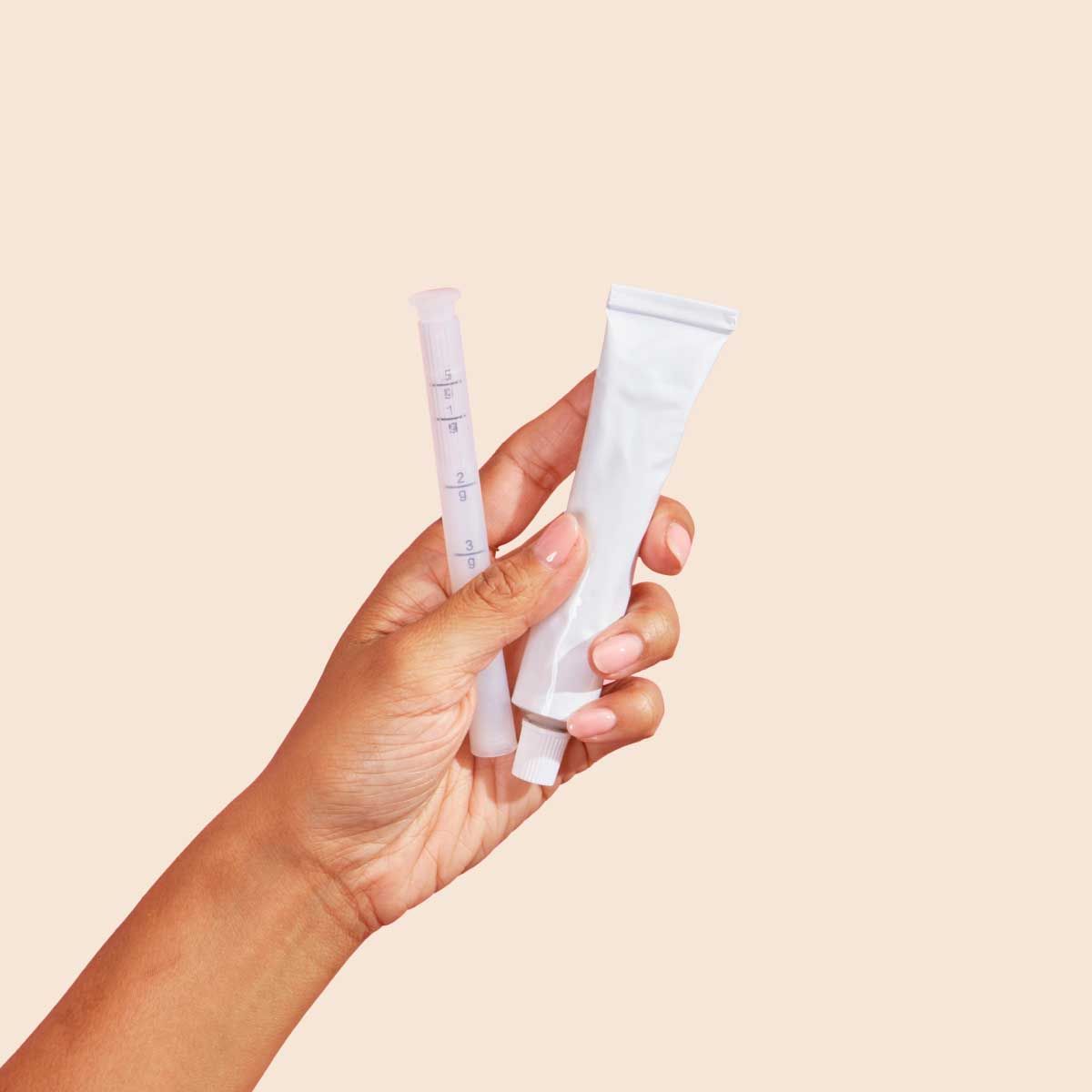
Estradiol Vaginal Cream
Starting at $20
A hormonal cream that soothes vaginal dryness caused by menopause, or during postpartum, especially with breastfeeding.