Lower Back and Pelvic Pain
in Women: Signs & Support
Published on February 11, 2026
Written by Kathleen Morrison
Medically Reviewed by Andrea Sleeth WHNP-BC, MSCP
Key takeaways
- Low back and pelvic pain is a common issue that can stem from gynecological conditions, urinary tract infections, or musculoskeletal problems. Sometimes all three are connected.
- UTIs don’t always cause classic burning during urination; some women experience mainly pelvic pressure and pain in the lower back.
- Your pelvic floor muscles and spine work as a team, so weakness or tension in one area often shows up as pain symptoms in the other.
- Recognizing when pain needs urgent attention versus home remedies helps you get the right care faster.
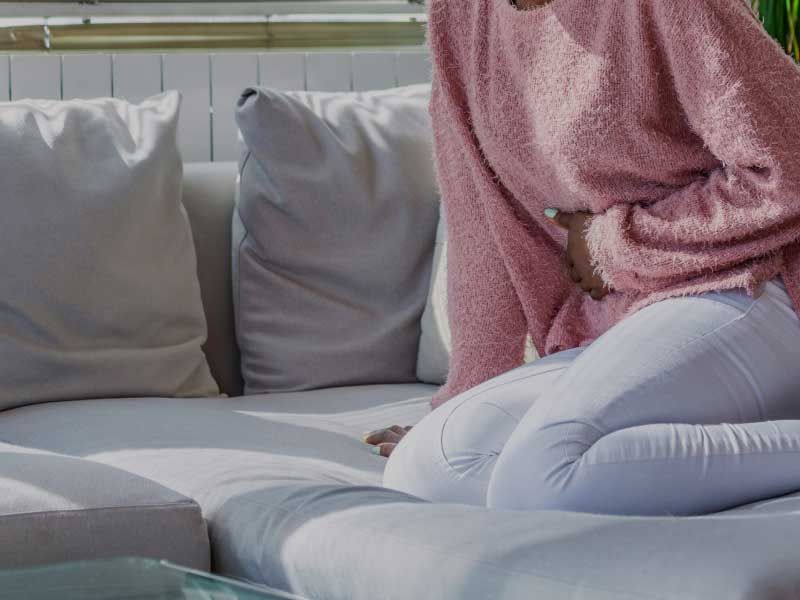
Lower back and pelvic pain in women, also called lumbopelvic pain, affects many women each year.
This type of pain can range from a dull ache to sharp, stabbing sensations that totally mess with your daily routine.
And honestly? It can be tough to figure out whether your discomfort is coming from reproductive issues, musculoskeletal problems, or an infection that needs immediate attention.
The good news is that once you understand the potential causes and available treatment options, you can take steps to find pain relief (and fast).
Plus, testing for infections early can help keep minor issues from becoming chronic pain and discomfort.
Common causes and symptoms of lower back and pelvic pain in women
Your reproductive system, urinary tract, and musculoskeletal system all connect in the pelvic region.
That means issues with the pelvic area often cause pain that shows up in your pelvis and lower back.
Gynecological conditions that contribute to pain
It’s super common for reproductive issues to show up as back pain.
Here is how these conditions can cause lower back and pelvic pain in adult women:
Pregnancy
Pregnancy often triggers lower back and pelvic pain as your body adapts to growing a baby.
Hormones like relaxin loosen pelvic ligaments and joints for birth, shifting your center of gravity forward and straining the lower back.
Added weight (25-35 lbs average) stresses the spine/pelvis muscles, which can add to pain during pregnancy.
What it feels like:
- Dull, achy pain in lower back, sacroiliac joints, or pubic area (not sharp/stabbing)
- Worsens with standing long, walking upstairs, or rolling in bed
- Felt bilaterally or across the pelvis (vs. one-sided severe pain)
Endometriosis
Endometriosis affects certain reproductive-aged women and happens when tissue similar to the uterine lining grows outside the uterus.
This rogue tissue causes significant inflammation and severe pain that can radiate to the lower back.
What it feels like:
- Deep, aching discomfort that lingers.
- Pain that gets noticeably worse during menstruation.
- Radiating aches in the lower back and pelvis.
Uterine fibroids
Uterine fibroids are non-cancerous growths that can develop in or on the uterus. Believe it or not, they affect up to 70% of women by the time of menopause. As they grow, they can press on nerves and muscles, causing both lower back pain and abdominal pain.
What it feels like:
- Heavy pressure or pain in the lower abdomen.
- Dull aches in the lower back.
Ovarian cysts
These fluid-filled sacs can form on the ovaries. While many are harmless, some can rupture or grow large enough to cause trouble.
What it feels like:
- Sharp, sudden pain on one side of the lower abdomen.
- Pain that radiates to your lower back and pelvis.
Pelvic Inflammatory Disease (PID)
Pelvic inflammatory disease (PID) is an infection of the reproductive organs that is often one of the common causes of lower back pain.
What it feels like:
- Generalized pelvic pain.
- Fever or chills.
- Unusual discharge.
Pelvic Congestion Syndrome
Think of this as varicose veins, but in your pelvis. It happens when veins in the pelvic region become enlarged, causing chronic pelvic pain that may also radiate to your back.
What it feels like:
- A dull, heavy ache in the pelvis.
- Pain that worsens after standing for a long time.
- Discomfort radiating to the lower back.
Musculoskeletal issues affecting the back and the pelvis
Your spine, pelvis, and surrounding muscles are best friends—they work together to support you. So, when one area is unhappy, the others often suffer too.
Sacroiliac Joint Dysfunction
This condition happens when the joints connecting your spine to the pelvis become inflamed. It creates a domino effect of joint pain.
What it feels like:
- Sharp or aching joint pain.
- Pain spreading through the buttocks.
- Sensations shooting down the legs.
Poor posture
We’re all guilty of this!
Poor posture, especially from sitting for long periods, puts massive extra strain on the pelvic muscles supporting your lower back and pelvis.
Over time, this leads to lower back pain caused by muscle fatigue.
What it feels like:
- Constant, dull tension in the back that can lead to pain.
- Muscle fatigue after sitting or standing.
UTIs and bladder conditions
Here’s something that might surprise you: bladder issues often masquerade as back problems.
Urinary Tract Infections (UTIs)
UTIs can cause more than just burning during urination. The infection can create inflammation in your bladder and surrounding tissues, leading to noticeable discomfort elsewhere.
What it feels like:
- Pelvic pressure.
- Nagging pain in the lower back.
- Burning sensation when you pee.
When to test for a UTI
If you’re dealing with low back and pelvic pain alongside any of these symptoms, it’s worth getting tested:
- Pain or pressure that gets worse while urinating
- Frequent urination or feeling like you constantly need to go
- Cloudy, strong-smelling, or discolored urine
- Mild fever, abdominal pain, or general achiness
Interstitial Cystitis
Interstitial cystitis causes chronic pelvic pain without any infection being present. It creates intense pressure in the abdomen and back.
What it feels like:
- Pressure that gets worse as your bladder fills.
- Back pain accompanying inflamed bladder tissue signals.
What's the association between lumbopelvic pain and pelvic floor dysfunction?
Lumbopelvic pain and pelvic floor dysfunction often show up as a duo because they share the same “core support team.”
Your pelvic organs aren't just about bladder control.
The pelvic floor also helps manage pressure in your abdomen and works with your deep core and hips to steady your spine when you move.
So if it is too tight, too weak, or poorly coordinated, your body starts compensating.
That compensation can look like gripping through your glutes, tensing your low back, or moving differently to avoid discomfort, which keeps the pain loop going.
On the flip side, ongoing low back pain can cause the pelvic floor to brace as a protective response, which can trigger pelvic pain, heaviness, or pain with sitting, exercise, or sex.
Basically, when one part of the system feels unsafe, everything nearby tightens or overworks.
What can help relieve back or pelvic discomfort in women?
Effective treatment for pelvic pain and lower back pain often requires addressing multiple contributing factors.
The best approach depends on the cause of your pain and your individual health needs.
Start with a quick “is this urgent?” check
Many things can contribute to lower back pain and referred pain in the pelvic region. So it helps to first rule out anything that needs same-day care.
Get in touch with your doctor right away if:
- You could be pregnant, and you have moderate to severe pelvic pain with or without vaginal bleeding, fainting/lightheadedness, or shoulder pain (possible ectopic pregnancy warning signs).
- Pelvic pain signals come with fever/chills, or you feel significantly unwell.
- You have UTI-type symptoms (burning with urination, frequent urge) or pelvic/lower back pain with nausea/vomiting.
- Pain is new after a procedure (like an IUD placement) or after an injury.
- Worsening pain that does not go away with lifestyle support.
Pelvic floor physical therapy (PFPT) + targeted PT
If your pain feels deep, achy, or “stuck,” and it’s worse with sitting, sex, or tampons, pelvic floor muscle tension can be part of the story.
Pelvic floor physical therapy (PFPT) is a great option in this case to support the pelvic organs and relieve pain.
Actionable PFPT to do with a pelvic PT/clinician:
- Breathing coordination to help down-train pelvic floor tension (often part of PFPT plans).
- Posture and body-mechanics retraining to reduce constant “guarding” in the pelvis/low back.
- Biofeedback-guided pelvic floor muscle training (when appropriate).
- Myofascial release/manual therapy approaches when pelvic floor trigger points or tightness are contributing.
- Ask for PFPT specifically if pelvic pain overlaps with painful sex or pelvic floor “tightness” symptoms.
Pain medications (and treating the root cause)
Pain relief works best when it matches the driver (inflammation/cramping vs infection vs other conditions).
Treatment options available (and when they’re used):
- NSAIDs like ibuprofen/naproxen: pain relievers often used for menstrual cramping and endometriosis-related pelvic pain symptom relief.
- Prescription antibiotics: used when symptoms point to a UTI and a clinician determines antibiotics are appropriate.
If you want care without the waiting room, a sexual health consult is an option for clinician review and next steps.
Wisp treatment options are available only after consultation with a licensed medical professional. You should consult with your healthcare provider before starting a new supplement or treatment regimen. Individual results may vary.
Simple lifestyle changes that may help
Gentle heat and smart, low-impact movement can help reduce muscle tension and keep your body from stiffening up around pain.
Lifestyle strategies to try:
- Heat for muscle tightness: heating pad or warm bath/shower for up to ~20 minutes; don’t sleep with a heating pad on and use caution with the temperature of baths while pregnant.
- Low-impact movement: walking, gentle yoga, or swimming (often better tolerated than high-impact activity when you have radiating pain).
- “Stop-the-spike” rule: if a stretch/workout causes sharp or worsening pain, stop and scale down rather than pushing through.
Get answers and feel like yourself again
Pain in adult women—whether it shows up in your lower back, pelvis, or both—deserves attention.
Understanding what might be behind your discomfort is the first step toward finding relief.
Taking action early through telehealth consultations can help keep minor issues from becoming chronic problems, but some still may require in-person evaluation.
And if a UTI or other infection is the culprit, getting same-day treatment* through Wisp means you can start feeling better fast (no in-person waiting room required).
Ready to figure out what’s going on? Take Wisp’s Symptoms Quiz to get personalized guidance and connect with licensed providers who can help you get the relief you deserve.
*Most prescriptions are sent to your pharmacy within 3 hours of completing your medical intake form and phone call or video chat when necessary. Pending retail pharmacy hours.
Wisp does not provide general medical evaluations for back pain or pelvic pain unrelated to UTIs. Symptoms outside the scope of a UTI may require assessment by an in-person health care provider.
This blog post is for informational and educational purposes only and should not be taken as professional advice. Always consult with a qualified professional before making any decisions based on the information provided here.
Trusted Treatments
UTI Antibiotics Online Prescription
Starting at $65
Prescription antibiotics used to prevent & treat Urinary Tract Infections.
Find the Right Test Kit
Starting at $99
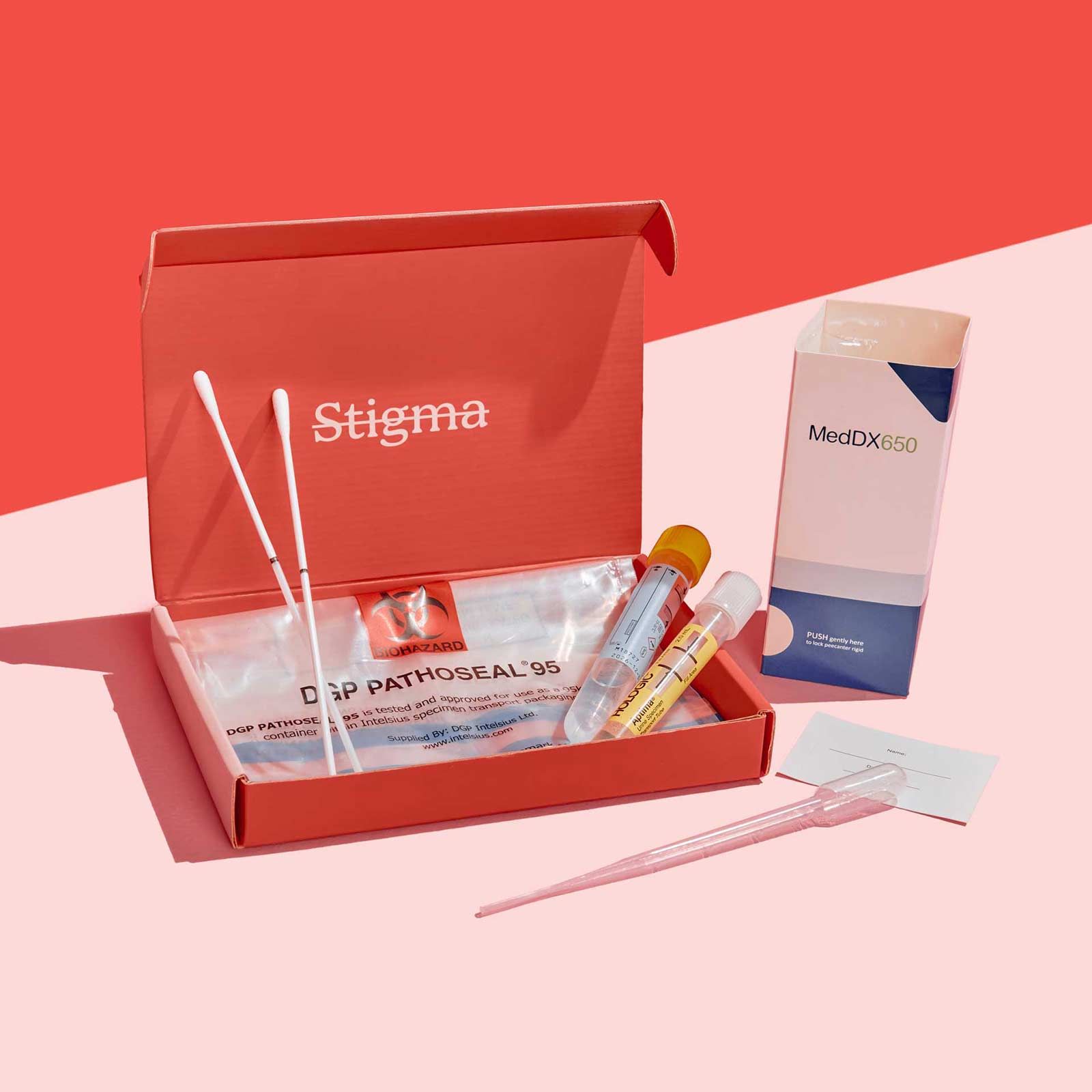
Not sure which test you need? Take our at-home testing & diagnostics quiz to find out.