Written by Kathleen Morrison
Medically Reviewed by Andrea Sleeth WHNP-BC, MSCP
Key takeaways
- About 70% of women with polycystic ovary syndrome (PCOS) experience unwanted facial hair growth, a condition commonly called hirsutism.
- Hormonal imbalance from polycystic ovarian syndrome causes dark or coarse hair to grow on your face, jawline, and body.
- Prescription treatments like birth control and anti-androgen medications can help get rid of excess facial hair associated with PCOS.
- Hair removal methods work best when combined with medical treatment to address PCOS facial hair growth long-term.
- Lifestyle changes may help support blood sugar levels in women with PCOS, which can help manage hormone balance.
If you’re dealing with PCOS and unwanted facial hair, first of all, deep breath. You’re far from alone. Excess facial hair is actually one of the most common and visible PCOS symptoms, even though no one really talks about it.
Here’s what’s going on behind the scenes: with PCOS, your hormones can get a little out of balance, signalling your body to produce thicker, darker hair instead.
It’s giving plot twist you did not ask for.
Now, what you should know is that this is manageable. Truly. Once you understand the cause, you’ve got options. Hormone-balancing prescription treatments, targeted medical care, and professional hair-removal methods can all help reduce hair growth and make it easier to maintain.
You’re not “doing something wrong,” and you don’t have to just live with it. Support, solutions, and confidence are very much on the table.
Why PCOS causes excess facial hair
The link between PCOS and facial hair comes down to hormones. When you're diagnosed with PCOS, your ovaries and adrenal glands produce higher-than-normal levels of androgens. These are the "male hormones” like testosterone.
Elevated androgen levels in women with PCOS cause hirsutism, the medical term for excessive hair growth in areas where women typically don't have noticeable hair.
Androgen hormones
Here's what happens: androgens bind to receptors in your hair follicles and transform fine vellus hair into thick terminal hair.
The enzyme 5-alpha reductase converts testosterone into DHT (dihydrotestosterone), which is even more potent at triggering hair to grow. This is why PCOS is different from just having naturally thick body hair. It's an actual hormonal condition causing unwanted hair growth.
Many women with PCOS experience hirsutism, making it one of the most recognizable signs of PCOS. The hair typically appears dark and coarse, growing in a male-pattern distribution.
While genetics play a role in how your follicles respond to hormones, the excess hair growth is directly connected to elevated androgen production.
What does PCOS facial hair look like?
PCOS facial hair usually shows up as coarse, dark, noticeable hair in places women don’t typically expect it. Think less peach fuzz, more “why is this here?”
Here are some common signs that indicate you might be experiencing hirsutism:
- Coarse, dark terminal hairs (not soft peach fuzz)
- Most commonly on the upper lip, chin, jawline, neck, and sideburns
- Grows in a male-pattern distribution rather than evenly
- Hair often grows faster, thicker, and more densely than typical facial hair
- May require frequent removal due to rapid regrowth
- Can lead to ingrown hairs, irritation, or skin darkening from repeated shaving or plucking
- Caused by elevated androgens activating facial hair follicles over time.
Recognizing PCOS symptoms beyond facial hair
While excess facial hair might be what brings PCOS to your attention, it rarely shows up alone.
Other common symptoms include:
- Irregular periods (cycles >35 days or fewer than 8/year)
- Difficulty losing weight
- Hormonal acne
- Thinning hair on the scalp
- Darkened skin patches in body folds
- Fertility challenges
Consider seeing a healthcare provider if you're noticing these patterns. Blood tests can measure hormone levels in women and confirm whether PCOS is behind your symptoms.
Wisp treatment options are available only after consultation with a licensed medical professional. You should consult with your healthcare provider before starting a new supplement or treatment regimen. Individual results may vary.
Prescription treatments that address the root cause
The most effective way to treat PCOS facial hair growth is by addressing the hormonal imbalance driving it. Prescription medications work at the source, what androgen production or blocking how those hormones affect your hair follicles.
This approach doesn't just mask symptoms. It actually slows hair growth over time, so you can receive proper treatment results.
Birth control pills
Combined oral contraceptive pills are commonly used to treat PCOS symptoms, including hirsutism.
These pills increase sex hormone-binding globulin (SHBG), which binds to testosterone and reduces the amount available to stimulate hair growth. They also suppress luteinizing hormone production, decreasing ovarian androgen output.
Not every birth control pill works the same for excess hair. Some progestins can actually worsen hirsutism.
Your provider will possibly consider pills containing:
These have anti-androgenic properties.
Most women see improvement in PCOS facial hair within a few months of starting an effective treatment regimen with birth control.
Anti-androgen medications
Spironolactone is a popular anti-androgen medication used to treat hirsutism in premenopausal women.
Starting doses typically range from 50-100mg daily, with results visible after three months.
Finasteride is another option that blocks the conversion of testosterone to DHT, only given to women who are post menopausal or have had a hysterectomy since they can affect fetal development.
Finasteride also has common side effects such as chills, cold sweats, confusion, etc. Less common side effects include bloating, breast enlargement, rapid weight gain/loss, etc.
You'll need regular blood work to monitor side effects, though most are mild and temporary.
Topical creams and other prescription options
Eflornithine cream offers a topical treatment for hair on your face. Applied twice daily, it slows the growth of dark or coarse hair and may make remaining hair finer.
Metformin is another option that helps with insulin resistance, which is common in PCOS. It's particularly helpful if you're managing blood sugar alongside hirsutism.
Hair removal options for immediate results
While medical treatments tackle the hormonal root of PCOS hair growth, hair removal helps you deal with what’s already there right now.
The goal isn’t perfection. It’s finding what works for your skin, budget, and daily life.
Professional options usually last longer, especially when paired with hormone support, but you’ve got choices.
Laser hair removal (great for coarse hair)
Laser targets pigment in dark hair to slow regrowth. PCOS-related coarse hair actually responds really well to this.
For at-home options, FDA-cleared Intense Pulsed Light (IPL) or diode devices work best on light to medium skin with dark, coarse hair. Plan on weekly use for 8-12 weeks, then maintenance sessions.
While less powerful than professional lasers, at-home devices offer convenience and affordability for ongoing treatment of PCOS facial hair.
Electrolysis (the permanent option)
Electrolysis is the only FDA-approved permanent method to remove hair. It works on all hair colors and skin tones, making it ideal for light or red facial hair that lasers can't target.
Expect 15-30 sessions over 12-18 months for complete clearance of facial hair.
While time-intensive, electrolysis can truly help get rid of excess hair when combined with medications that address the hormonal side of PCOS.
Temporary, day-to-day fixes
- Shaving: does not make hair thicker (that’s a myth)
- Waxing/threading: longer-lasting, but can irritate sensitive skin
- Skip plucking: it can mess with follicles, cause ingrowns, and trigger dark spots
Avoid plucking PCOS facial hair if possible.
It can distort follicles over time, potentially making hair in women grow back thicker or in different directions, plus it increases the risk of ingrown hairs and
hyperpigmentation.
Lifestyle changes that may help support hormone balance
While lifestyle changes alone won't cure PCOS or eliminate facial hair, they can help support the treatment of PCOS alongside medical interventions.
Losing body weight can help reduce androgen levels in women with PCOS, which may help slow the growth of excess facial or body hair.
What can help support hormones:
- Healthy eating: whole grains, lean protein, veggies → steadier blood sugar, less insulin chaos, and potentially help create hormone balance.
- Anti-inflammatory foods: fatty fish, nuts, colorful produce = hormone-friendly basics
Always remember, best results happen alongside medical treatment, not instead of it.
Taking control of PCOS and unwanted facial hair
Managing PCOS facial hair takes patience—but you’re not powerless here. Once you understand how polycystic ovarian syndrome fuels excess facial hair (hello, elevated androgens), you can stop guessing and start choosing options that actually work. Think less whack-a-mole, more strategy.
The most effective plan is usually a combo approach. Prescription support like birth control or spironolactone to calm hormones at the source, paired with professional hair removal to handle the hair that’s already there.
Together, these help reduce existing facial hair and slow new growth. Most people see real progress within a few months when they stay consistent.
Ready to explore your options? A licensed provider at Wisp can walk you through birth control, anti-androgens, and other PCOS treatments, online, discreetly, and on your schedule.
Smooth skin, but more importantly, confidence back in your hands!
This blog post is for informational and educational purposes only and should not be taken as professional advice. Always consult with a qualified professional before making any decisions based on the information provided here.
Trusted Treatments
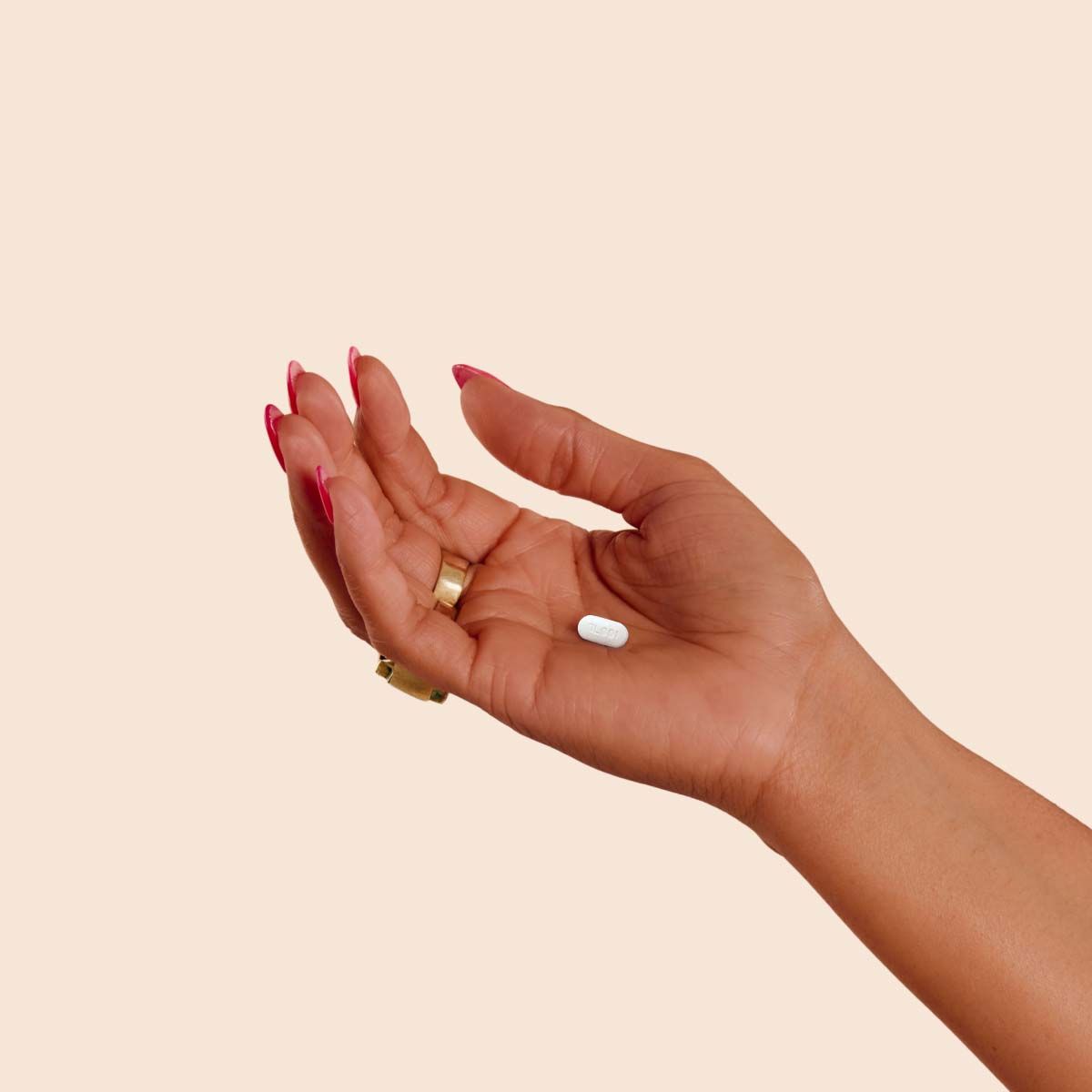
Metformin Prescription for PCOS
Starting at $24
Prescription Metformin tablets to treat PCOS-related weight gain, irregular cycles, and more.
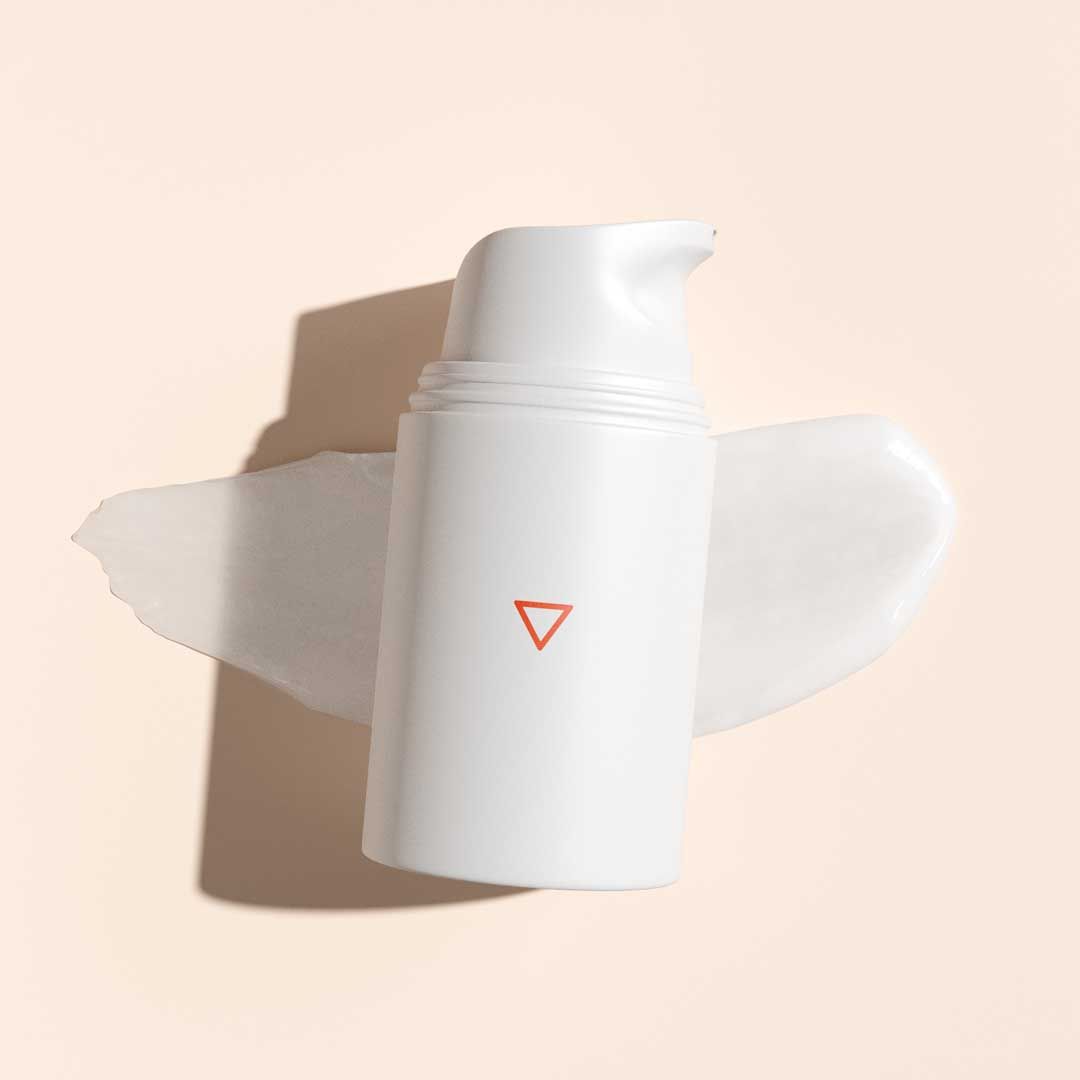
Slow the Grow! Prescription Facial Hair Reduction Cream (Eflornithine Hydrochloride 13.9%)
Starting at $58/ month
A prescription topical to help you feel more comfortable managing unwanted facial hair.
Oral Minoxidil
Starting at $36
A trusted prescription solution for hormone-related hair loss.
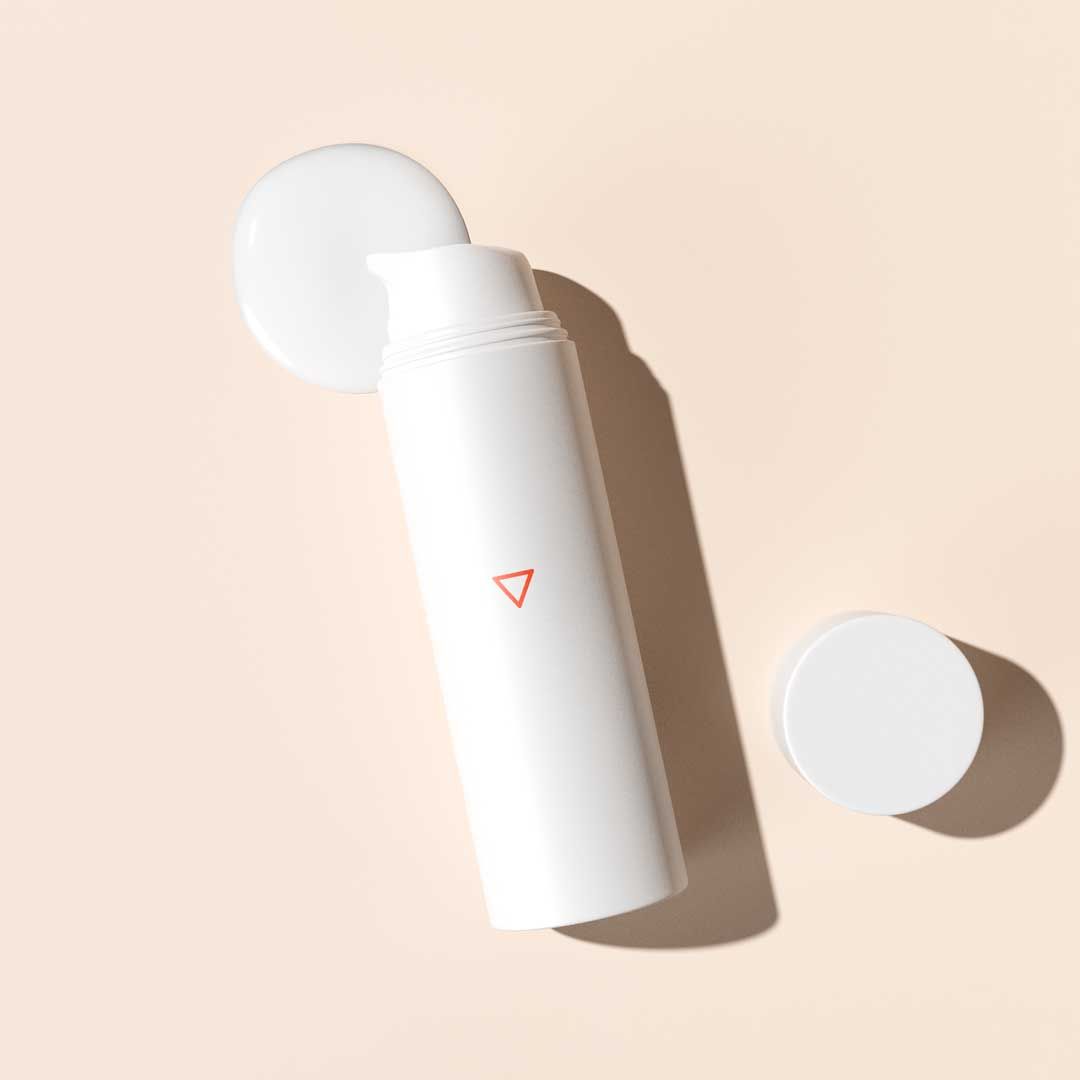
Wisp Topical Spironolactone Prescription (Acne Treatment)
Starting at $39
Prescription hormonal acne solution, no pills required.