Written by Kathleen Morrison
Medically Reviewed by Andrea Sleeth WHNP-BC, MSCP, a healthcare provider affiliated with Wisp
Key takeaways
- Tazarotene is a prescription topical retinoid used to treat acne vulgaris, plaque psoriasis, and certain signs of aging (like fine wrinkles and mottled pigmentation).
- It comes in multiple formulations (cream, gel, lotion) and concentrations (0.045%, 0.05%, and 0.1%), so the right pick depends on your skin type and what you're treating.
- Skin irritation, including dryness, peeling, burning, and redness, is the most common side effect, especially during the first few weeks.
- Tazarotene is contraindicated during *pregnancy; effective birth control is required before and during treatment if you can become pregnant.
*Wisp does not provide tazarotene treatment during pregnancy. For some skin concerns during pregnancy, Azelaic Acid may be an option to discuss with your provider.
So picture this: it's 11:47 p.m., you're three pages deep in a Reddit thread about tretinoin, and somewhere between r/SkincareAddiction and a screenshot of someone's "Week 6 progress," you spot it: Tazarotene.
Wait, what's that?
And just like that…you're deep in the rabbit hole.
Tazarotene is one of several prescription retinoids you might bump into when you start digging, right alongside tretinoin, adapalene, retinol, and trifarotene. They're all distant cousins, but they don't all act the same. Tazarotene tends to sit on the stronger end of the family tree.
It's a topical retinoid used to treat acne vulgaris, plaque psoriasis, and certain signs of sun-related skin aging.
Here's what's worth knowing before you (and your skin) go any deeper.
Wisp treatment options are available only after consultation with a licensed medical professional, if medically appropriate. You should consult with your healthcare provider before starting a new supplement or treatment regimen. Individual results may vary. Must be 18 or older. For medication details and risks, see site for details.
So…what even is Tazarotene? And, how does it work?
Tazarotene is a retinoid, meaning it belongs to a family of vitamin A–derived compounds.
It's a third-generation topical retinoid, which is just a fancy way of saying it's a newer version designed to target skin receptors more selectively than older retinoids.
When you apply Tazarotene to your skin, your body converts it into its active form, tazarotenic acid. That active form binds to specific retinoic acid receptors in your skin cells, which then influences how those cells grow, mature, and shed.
In plain English? It tells your skin to turn over faster and behave more like calm, well-adjusted skin.
Tazarotene is generally considered one of the more potent prescription retinoids available today, alongside options like adapalene and tretinoin.
The strengths (and forms) of Tazarotene available
Tazarotene comes in a few different strengths, each FDA-approved for slightly different jobs. Here's the lay of the land:
0.1% Tazarotene
The most potent of the bunch and FDA-approved Tazarotene treatment of acne vulgaris, plaque psoriasis, and certain signs of photodamaged skin (like fine wrinkles and mottled pigmentation).
0.05% Tazarotene
A middle-ground strength, FDA-approved for plaque psoriasis.
Wisp does not offer Tazarotene 0.05%. If this strength is the right fit for your skin, please consult an in-person provider for evaluation, a prescription, and ongoing monitoring.
0.045% Tazarotene
A newer lotion formulation that's FDA-approved for the treatment of acne. Designed to balance potency with comfort and tolerability.
Wisp does not offer Tazarotene 0.045% lotion. If you'd like to explore this option, please consult an in-person provider for evaluation, a prescription, and ongoing monitoring.
What can Tazarotene help with?
Quick truth bomb: Different concentrations and formulations of Tazarotene are made for different jobs.
The 0.1% strength offers three skin benefits: clearer skin, smoother texture, and a more even tone.
Here's the breakdown:
Helps clear out acne
If breakouts are the boss battle, 0.1% Tazarotene Cream is FDA-approved for the treatment of acne vulgaris.
It can also help with comedonal acne (those stubborn blackheads and whiteheads) and may also help with mild to moderate inflammatory lesions like papules and pustules.
Approved for treating plaque psoriasis
Plaque psoriasis is the most common type of psoriasis, a long-term skin condition caused by an overactive immune system. In people with plaque psoriasis, skin cells are produced much faster than normal.
Instead of taking about a month to reach the skin's surface, they can build up in just a few days. This causes thick, raised patches of skin called plaques.
0.1% Tazarotene Cream is FDA-approved to help reduce plaque thickness and scaling, and is often used as part of combination therapy alongside a topical corticosteroid.
Wisp does not offer treatment for psoriasis with 0.1% tazarotene. Please consult an in-person healthcare provider for psoriasis treatment.
Supports improvement of photodamaged skin
If fine wrinkles and uneven tone are the storyline, Tazarotene cream 0.1 is FDA-approved as an adjunctive treatment of photodamaged skin (think fine wrinkles, mottled hyperpigmentation, rough texture).
Just remember, it's not a fountain of youth. It works best alongside daily sunscreen and a real sun protection routine.
The not-so-fun part: side effects of Tazarotene
Common side effects of topical Tazarotene may include:
- Photosensitivity (sunscreen required)
- Dryness
- Pruritus (itching)
- Skin peeling and desquamation
- Erythema (redness)
- Burning/stinging at application site
- Skin irritation and pain
Adverse effects associated with Tazarotene that may require urgent medical attention can include severe skin irritation, blistering or peeling skin, swelling, warmth, oozing, or other signs of skin infection, or worsening of your condition.
If any of these show up, stop using Tazarotene and seek in-person medical advice.
_This is not a complete list of risks and side effects, and others may occur. If symptoms worsen or you notice signs of an allergic reaction, contact a provider right away. _
The purge phase: what to expect
Yep, the purge is real (though it doesn't happen to everyone).
Because Tazarotene is a more powerful retinoid than tretinoin, your skin may need a bit more time to adjust. Here's a loose roadmap of what people often experience:
- Weeks 1–3: Intense redness, peeling, or dryness can show up as your skin gets acquainted with a stronger retinoid.
- Weeks 3–6: Cell turnover speeds up, which can push congestion to the surface more aggressively, though it tends to resolve quickly, too.
- Weeks 8–12: Visible improvement in breakouts as the "purge" phase wraps up; fine lines may start to smooth as collagen begins building.
- Months 3–6: Deeper wrinkles may soften, firmness can improve, and skin texture continues to refine.
Individual response times vary, so consider this a general guide, not a guarantee. If irritation feels relentless past the 6–8 week mark, check in with a provider.
Tazarotene vs. tretinoin: How do they really stack up?
When comparing Tazarotene and tretinoin, both are well-studied prescription retinoids, but there are some real differences worth knowing:
- Key Benefits:
0.1% Tazarotene Cream has three skin benefits: acne, psoriasis, and photoaging, while Tretinoin has two: acne and photoaging.
- Mechanism:
Tazarotene offers a more targeted mechanism that may deliver more aggressive results. Tretinoin is widely considered the gold standard in anti-aging treatment.
- Adjustment period:
With Tazarotene, you may experience a longer adjustment period, but also potentially faster results once your skin settles. Tretinoin is clinically proven for acne, hyperpigmentation, and wrinkles, with a generally gentler ramp-up.
Who can use Tazarotene?
This is the part a lot of people skip. Tazarotene isn't usually anyone's first retinoid.
Because it's more potent than tretinoin (and the irritation curve is steeper), 0.1% Tazarotene Cream is generally meant for people whose skin has already been broken in.
To be eligible for 0.1% Tazarotene Cream, you'll typically need to have previously used tretinoin 0.05% or 0.1% successfully. That prior retinoid experience matters because it tells your provider your skin can likely handle the adjustment period that Tazarotene brings.
There's a second requirement that isn't about your skin at all. Tazarotene can cause serious harm to a developing pregnancy, so an adequate method of birth control is also required if you plan to use Tazarotene Cream.
Adequate methods can include birth control pills, rings, or patches, an implant, or an intrauterine device (IUD). Condoms alone are not considered an adequate form of birth control in this case.
If you've never used a prescription retinoid before, your provider will usually recommend starting with tretinoin first and graduating to Tazarotene later, if appropriate.
How to use 0.1% Tazarotene Cream
A few simple rules go a long way:
- Apply a pea-sized amount to your entire face once daily in the evening, after cleansing.
- Avoid the mouth and eye areas (your delicate skin will thank you).
- Tazarotene is generally more irritating than tretinoin during the initial adjustment period (the first 2–4 weeks). Limiting application to every other day can help reduce side effects.
- Use a fragrance-free moisturizer to help cushion your skin.
- Wear sunscreen and protective clothing during the day; Tazarotene can make your skin more sensitive to sunlight.
Who should skip Tazarotene?
Topical treatment with Tazarotene isn't a one-size-fits-all solution. You should generally avoid it (or wait for a thorough chat with a provider) if you:
- Have never used a prescription retinoid before (tretinoin is typically the better starting point).
- Are pregnant or could become pregnant (see note below)
- Are breastfeeding
- Have had an allergic reaction to Tazarotene or other retinoids.
- Have eczema, sunburn, or actively broken skin where you'd apply it.
- Spend lots of time outdoors; your provider will typically warn you about sun sensitivity, especially if you have outdoor occupations or face high UV exposure.
Note: Tazarotene can cause serious harm to a developing pregnancy. If you could become pregnant, your provider will typically ask for a negative urine pregnancy test within two weeks before you start, and may recommend beginning during your period. You'll also need an adequate method of birth control throughout treatment; condoms alone aren't considered adequate here.
Ready to take the next step for your skin?
If you've already done your time with tretinoin and your skin is ready for the next chapter, Wisp now offers 0.1% Tazarotene Cream as a prescription option for eligible patients.
It's the next-gen retinoid built to help deliver fast, powerful results.
And, if you’re brand-new to prescription retinoids, tretinoin is usually the smarter place to start.
Wisp can connect you with a licensed provider through a quick online visit, and if medically appropriate, your provider may prescribe:
- Tretinoin Cream: It’s the topical form of Vitamin A that helps speed up cell turnover to help clear breakouts, soften fine lines and wrinkles, and reveal smoother, glowier skin. It's the usual starting point for anyone new to prescription retinoids.
- Firm Up! Wrinkle Cream: It helps smooth the look of fine lines, improve skin texture, and support healthier-looking skin over time.
- Clear Up! Prescription Acne Cream: Clindamycin in the cream soothes the look of your skin, while Tretinoin supports natural cell turnover to reveal clear-looking skin. Together, they help calm the look of redness, breakouts, and clogged pores for a clearer-looking complexion.
Whether you're stepping up to Tazarotene or just getting your retinoid era started, your skin doesn't need another late-night Reddit deep dive; it needs a real plan.
Your future skin will thank you!
Wisp is not affiliated and does not sponsor or endorse any company names, logos, or brands shown or mentioned. All product names, logos, brands, and other trademarks or images shown or mentioned are the property of the respective brand owners and are only used to identify the products and services of their respective owners.
This blog post is for informational and educational purposes only and should not be taken as professional advice. Always consult with a qualified professional before making any decisions based on the information provided here.
Trusted Treatment
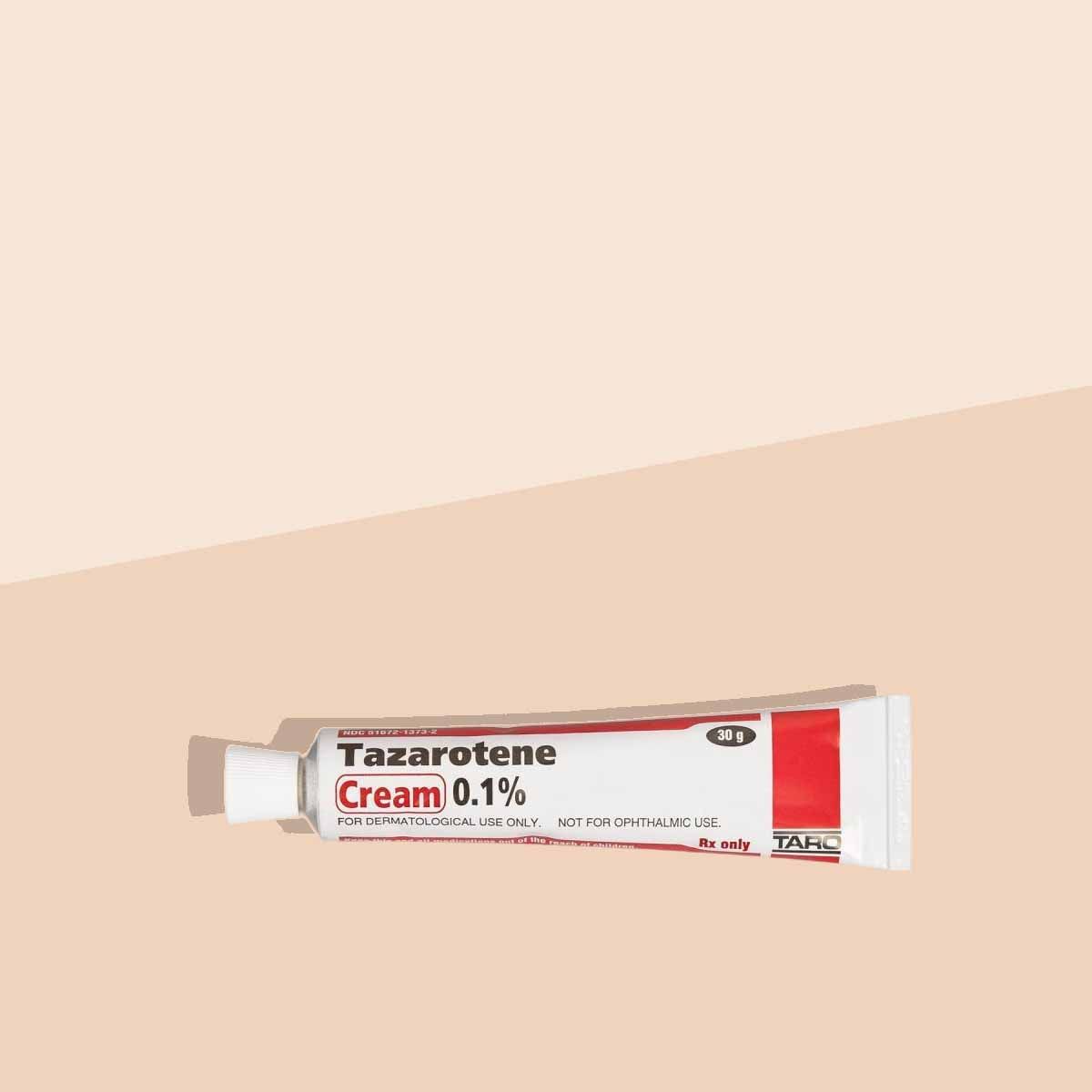
Tazarotene Cream (0.1%)
Starting at $38
The most potent topical retinoid on the market for faster results.
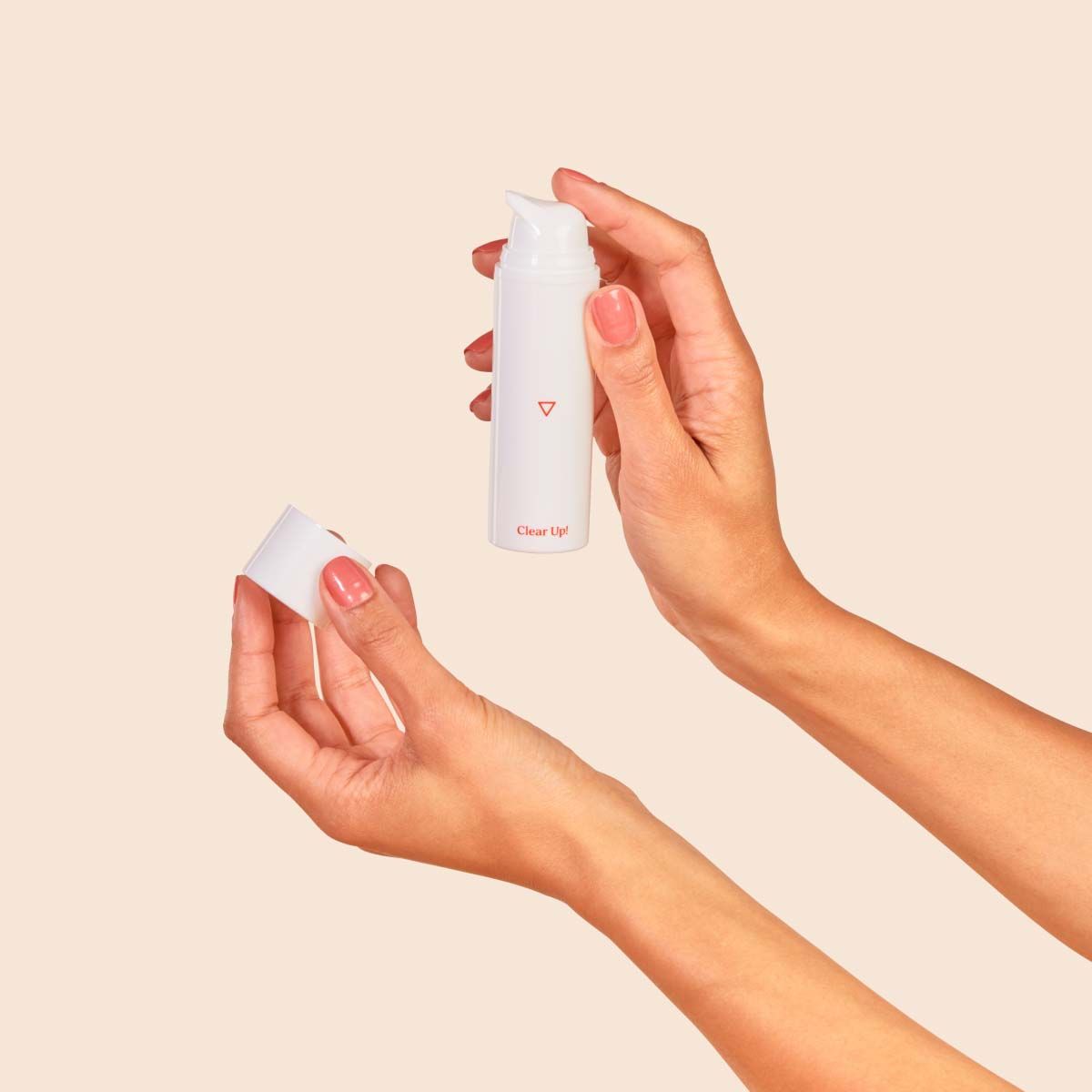
Clear Up! Prescription Acne Cream (Clindamycin + Retin A)
Starting at $75
Tretinoin 0.04%, Clindamycin 1.25%, Niacinamide 4% Prescription treatment for inflamed and stubborn acne.
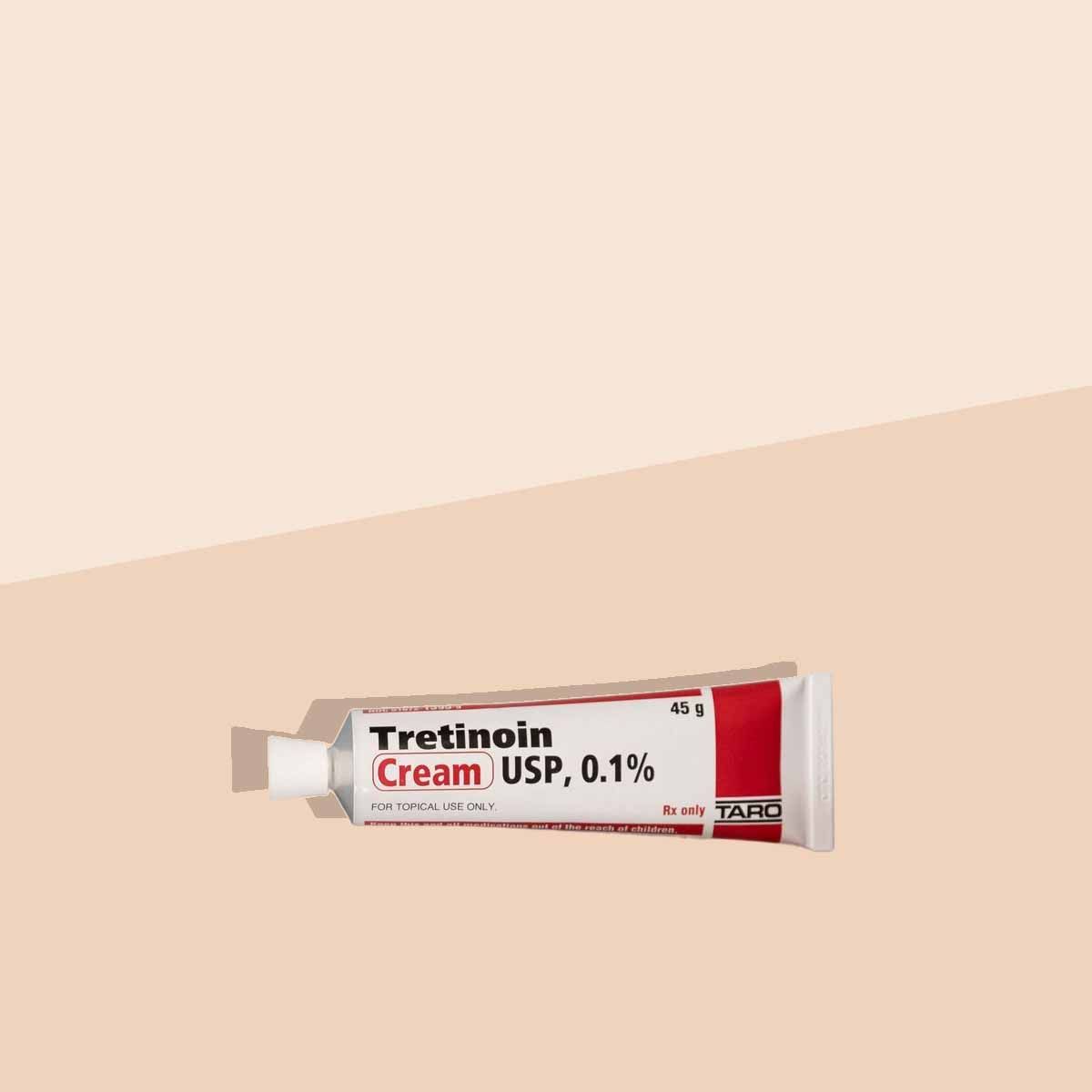
Tretinoin Cream (Generic Retin-A) 0.025%, 0.05%, and 0.1%
Starting at $28
The gold standard prescription treatment for both acne and anti-aging.