Tazarotene vs Tretinoin:
Uses, Suitability & Risks
Compared
Published on August 20, 2026
Written by Kathleen Morrison
Medically Reviewed by Dr. Shannon Chatham, DO: a healthcare provider affiliated with Wisp
Key takeaways
- Tazarotene and Tretinoin are two prescription topical retinoids used to treat acne vulgaris and help with signs of skin aging such as fine lines, wrinkles, and hyperpigmentation.
- Tazarotene is also FDA-approved for plaque psoriasis; Tretinoin is not.
- Certain formulations of Tazarotene and Tretinoin are also FDA-approved to help mitigate photodamage (damage caused by the sun).
- Tazarotene can sometimes be more effective for some patients, while Tretinoin has decades of research behind it.
- Both Tazarotene and Tretinoin work by binding to retinoid receptors in the skin and supporting faster cell turnover, smoother texture, and collagen production over time.
- Tretinoin is considered the starting point for retinoid usage.
If "Tazarotene vs Tretinoin" has been living rent-free in your search bar, here's the short version: both are prescription retinoids that help speed up how quickly your skin renews itself, which can mean clearer pores, smoother texture, and softer-looking fine lines.
Tazarotene tends to pack more punch.
Tretinoin has the longer résumé and comes in more concentrations, so you can start low and work up as tolerated.
Ultimately, the right pick really comes down to your goals, your skin's tolerance, and how consistently you'll actually use the thing (be honest).
So, let’s break it all down!
Wisp treatment options are available only after consultation with a licensed medical professional. You should consult with your healthcare provider before starting a new supplement or treatment regimen. Individual results may vary.
How Tazarotene and Tretinoin work
Both Tazarotene and Tretinoin are topical retinoids, which means they're part of the vitamin A family of skin care ingredients.
They work by binding to retinoid receptors in the skin and nudging skin cells to turn over faster.
Tazarotene
Tazarotene is a third-generation retinoid. That means it’s a newer, synthetic option developed to more selectively target retinoid receptors in the skin.
It's a prodrug, meaning your skin converts it into its active form (tazarotenic acid) after application.
Tazarotene is also stable in the presence of light and benzoyl peroxide, which is a nice bonus if you're layering products.
Links to medications on this page lead to additional information, including potential side effects and safety details. Always review medication information carefully and talk to a healthcare provider if you have questions or concerns.
Strengths and formulations
When it comes to strength and concentration, both retinoids typically come in a few different versions.
Tazarotene
- 0.045% lotion
- 0.05% cream and gel
- 0.1% cream, gel, and foam
Wisp offers 0.1% Tazarotene Cream as a prescription option for eligible patients. For other strengths or formulations, please consult an in-person provider.
Tretinoin
- 0.01% gel
- 0.025% cream and gel
- 0.04% microsphere gel (available as a compounded cream through Wisp)
- 0.05% cream, solution, and lotion
- 0.06% and 0.08% microsphere gel
- 0.1% cream and microsphere gel
Wisp offers 0.025%, 0.04%, 0.05%, and 0.1% Tretinoin Cream as a prescription option for eligible patients. For other strengths or formulations, please consult an in-person provider.
Uses: Where they overlap and where they don't
Here's where Tazarotene and Tretinoin are two prescription medications that look similar on the outside but diverge underneath.
Tazarotene can help with:
- Acne vulgaris: all available strengths and formulations help treat acne
- Plaque psoriasis: 0.05% and 0.1% cream or gel formulations work to treat plaque psoriasis
- Signs of sun-damaged skin (photodamage): 0.1% cream helps with fine facial wrinkling, mottled hyperpigmentation (patchy or uneven areas of darker skin color), mottled hypopigmentation (patchy lighter skin), benign lentigines (sun spots), and rough skin texture
Wisp does not offer treatment for psoriasis with tazarotene. Please consult an in-person healthcare provider for psoriasis treatment.
Tretinoin can help with:
- Acne vulgaris: multiple strengths help with treating acne, depending on the formulation
- Signs of sun-damaged skin (photodamage): helps smooth fine facial wrinkles, mottled hyperpigmentation (patchy or uneven areas of darker skin color), and rough skin texture as part of a comprehensive skincare and sun-protection program
So if psoriasis is in the mix, tretinoin is not FDA-approved for psoriasis.
How they perform across skin concerns
Same family, slightly different superpowers.
Here's how Tazarotene versus Tretinoin stack up across the stuff people actually want to address: acne, fine lines, and pigmentation.
For treating acne
Both are used to treat acne and are FDA-approved at certain concentrations for the treatment of acne vulgaris.
Clinical studies support that tazarotene may be more effective at treating non-inflammatory acne (think blackheads and whiteheads).
For inflammatory acne lesions, both perform well.
For fine lines, signs of aging, and that ✨glow✨
For wrinkles and skin aging, Tazarotene and Tretinoin work in similar ways:
- Helping support collagen
- Helping speed skin cell turnover
- Helping soften the appearance of wrinkles tied to sun-damaged skin.
Research indicates Tazarotene may produce visible changes for photoaging.
Tretinoin, meanwhile, has the longest research history for the treatment of photodamaged facial skin.
For acne and fine facial wrinkles together, either option can be reasonable.
For hyperpigmentation and acne scars
This is where things get a little nuanced.
Neither Tretinoin nor Tazarotene is FDA-approved for:
- Melasma
- Post-inflammatory hyperpigmentation (the dark marks left after acne)
- Acne scars.
However, certain concentrations of both can help with facial mottled hyperpigmentation.
As for acne scars, they can help improve overall skin texture, but neither will erase scars overnight.
Which one's stronger? (And does it actually matter?)
Is Tazarotene better than Tretinoin in terms of strength?
Generally, yes. Tazarotene shows greater clinical efficacy than Tretinoin in comparative studies.
That said, "stronger" doesn't automatically mean "better for you."
This is exactly why providers typically start patients on Tretinoin first. Tretinoin gives your skin a chance to build retinoid tolerance gradually, and once your skin has adjusted, a provider may consider stepping up to Tazarotene if your goals call for something stronger.
Tolerability: How easy are they on your skin?
Strength is one thing; comfort is another.
Both topical retinoids can cause dryness, redness, peeling, and stinging, especially in the first few weeks while your skin gets used to them.
Tazarotene
Tazarotene is generally more irritating than Tretinoin during the initial adjustment period (the first 2–4 weeks).
Because it's a more powerful retinoid, the early redness, peeling, or dryness phase can feel more intense, but it tends to settle as your skin adjusts.
However, some people don't tolerate it well even after the adjustment period and may need to switch to a gentler option.
Tretinoin
Tretinoin is generally easier to ease into compared with Tazarotene. The adjustment period is typically gentler, and the purge and irritation curve varies from person to person and depends on factors like strength, frequency of use, and individual skin tolerance, which is something a provider can help guide.
Side effects: The uninvited plus-ones
Tazarotene and Tretinoin share similar side effects, especially in the first few weeks. The skin needs a beat to adjust. Be patient with it.
Common side effects of Tazarotene may include:
- Photosensitivity (sunscreen required)
- Dryness
- Pruritus (itching)
- Skin peeling and desquamation
- Erythema (redness)
- Burning/stinging at the application site
- Skin irritation and pain
Important: Tazarotene causes birth defects. Do not use if *pregnant, planning to become pregnant, or nursing. Before starting Tazarotene, you must:
- Have a negative pregnancy test within 2 weeks of starting the medication
- Begin treatment during your menstrual cycle.
*Wisp does not provide tazarotene treatment during pregnancy. For some skin concerns during pregnancy, Azelaic Acid may be an option to discuss with your provider.
This is not a complete list of risks and side effects, and others may occur. If symptoms worsen or you notice signs of an allergic reaction, contact a provider right away.
Common side effects of Tretinoin may include:
- Skin dryness
- Peeling
- Redness
- Mild irritation
- Increased sun sensitivity
Important: Tretinoin is not safe to use during *pregnancy, while trying to conceive, or while breastfeeding. Unlike Tazarotene, it does not require a negative pregnancy test before starting or initiation during your menstrual cycle, but you should still talk to your provider about contraception and timing if pregnancy is a possibility.
This is not a complete list of risks and side effects, and others may occur. If symptoms worsen or you notice signs of an allergic reaction, contact a provider right away.
*Wisp does not provide tretinoin treatment during pregnancy. For some skin concerns during pregnancy, Azelaic Acid may be an option to discuss with your provider.
The switch-up: when to swap one for another
Lots of people start with one retinoid and stay there forever. Some people switch.
Tretinoin → Tazarotene:
A switch to Tazarotene typically comes up when you're chasing more dramatic results, whether that's stubborn acne that hasn't responded to Tretinoin after consistent use, or there’s a desire for stronger comedolytic action.
That said, providers don't make this jump lightly.
To minimize irritation, a provider will generally step you up to Tazarotene only after you have successfully used Tretinoin first. That prior retinoid experience tells your provider your skin can likely handle the adjustment period that Tazarotene brings.
Also, if plaque psoriasis is in the mix, an in-person provider may consider switching you from Tretinoin to Tazarotene as part of a broader treatment plan for that condition.
To be eligible for Tazarotene treatment on Wisp, you must have previously used Tretinoin 0.05% or 0.1%.
Tazarotene → Tretinoin:
Sometimes the switch goes the other way. If you've already moved up to Tazarotene after using Tretinoin, but the irritation, dryness, or peeling is throwing your routine off (or your adherence is slipping), your provider may move you back to Tretinoin if that was a better fit for your skin.
Tretinoin isn't a downgrade. It's a different tool, and for some people, it just works better long term.
Why Tretinoin is the more sensible starting point
Tretinoin's broad strength range, decades of clinical experience, and gentler tolerability profile make it the more sensible introduction to prescription retinoids for most people.
Starting with Tretinoin helps your skin build retinoid tolerance gradually, which lowers the risk of giving up early because of irritation and sets you up to safely graduate to something stronger like Tazarotene later if your provider recommends it.
For most first-time users, Tretinoin checks the "useful, flexible, and livable" boxes without much fuss.
The Wisp wrap (a.k.a. your next move)
When you're weighing Tazarotene vs Tretinoin, there's no universal winner.
Wherever you are on the retinoid journey, Wisp can connect you with a licensed provider through a quick online consultation.
Depending on your skin, your goals, and your prior retinoid experience, that might mean:
- New to retinoids? Tretinoin Cream (available in 0.025%, 0.05%, and 0.1%) may be an appropriate entry point, whether your focus is acne, fine lines and wrinkles, hyperpigmentation, or overall texture and tone.
- Already used Tretinoin and considering a next step? 0.1% Tazarotene Cream, a next-gen retinoid built to deliver fast, powerful results for acne and signs of photoaging.
If a prescription medication is medically appropriate, it can be sent to your local pharmacy or shipped to your door in discreet packaging. No in-person waiting rooms, no awkward small talk.
Your skin's next chapter is one online visit away.
Most prescriptions are sent to your pharmacy within 3 hours of completing your patient intake form and secure chat or video call when necessary. Pending retail pharmacy hours.
This blog post is for informational and educational purposes only and should not be taken as professional advice. Always consult with a qualified professional before making any decisions based on the information provided here.
Trusted Treatments
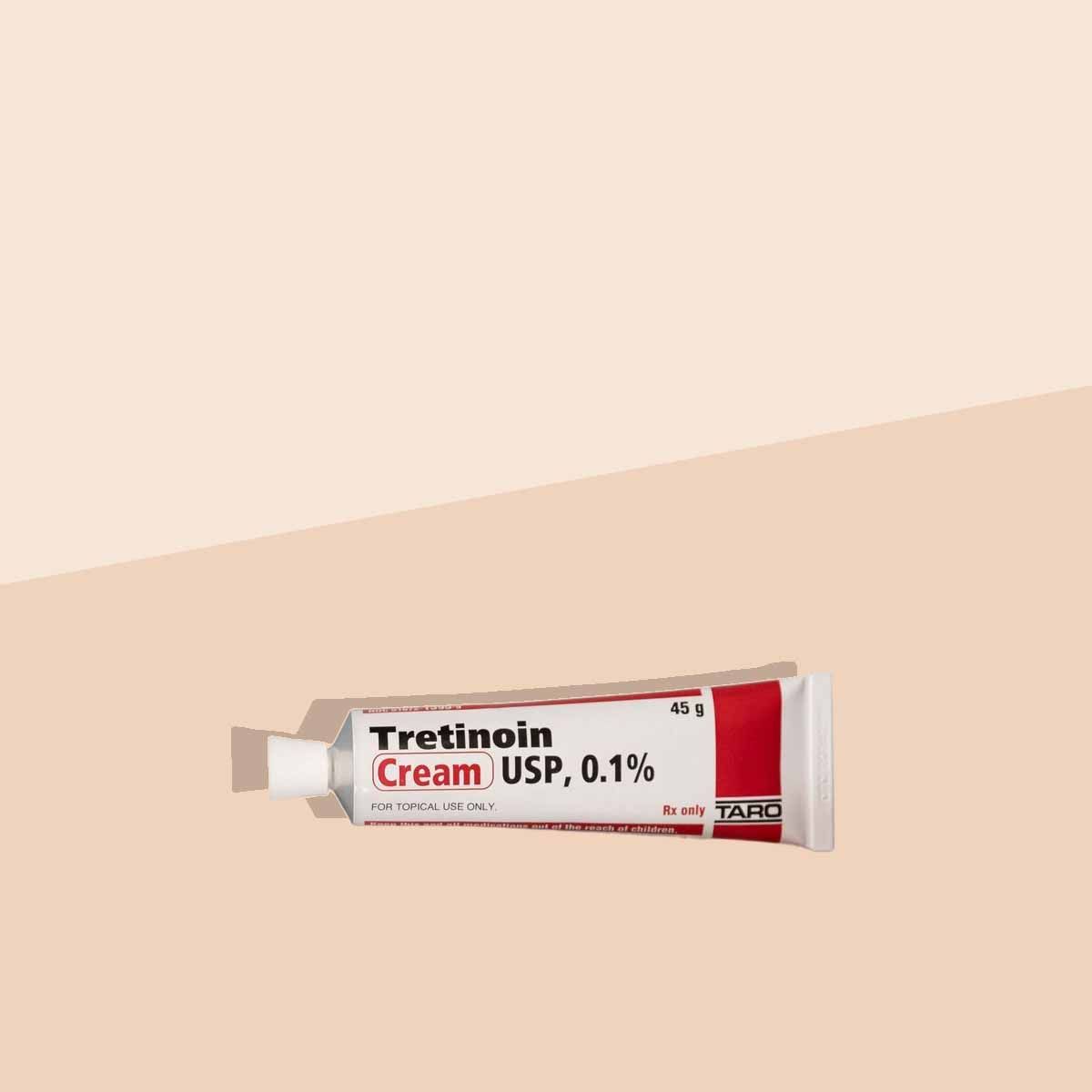
Tretinoin Cream (Generic Retin-A) 0.025%, 0.05%, and 0.1%
Starting at $28
The gold standard prescription treatment for both acne and anti-aging.
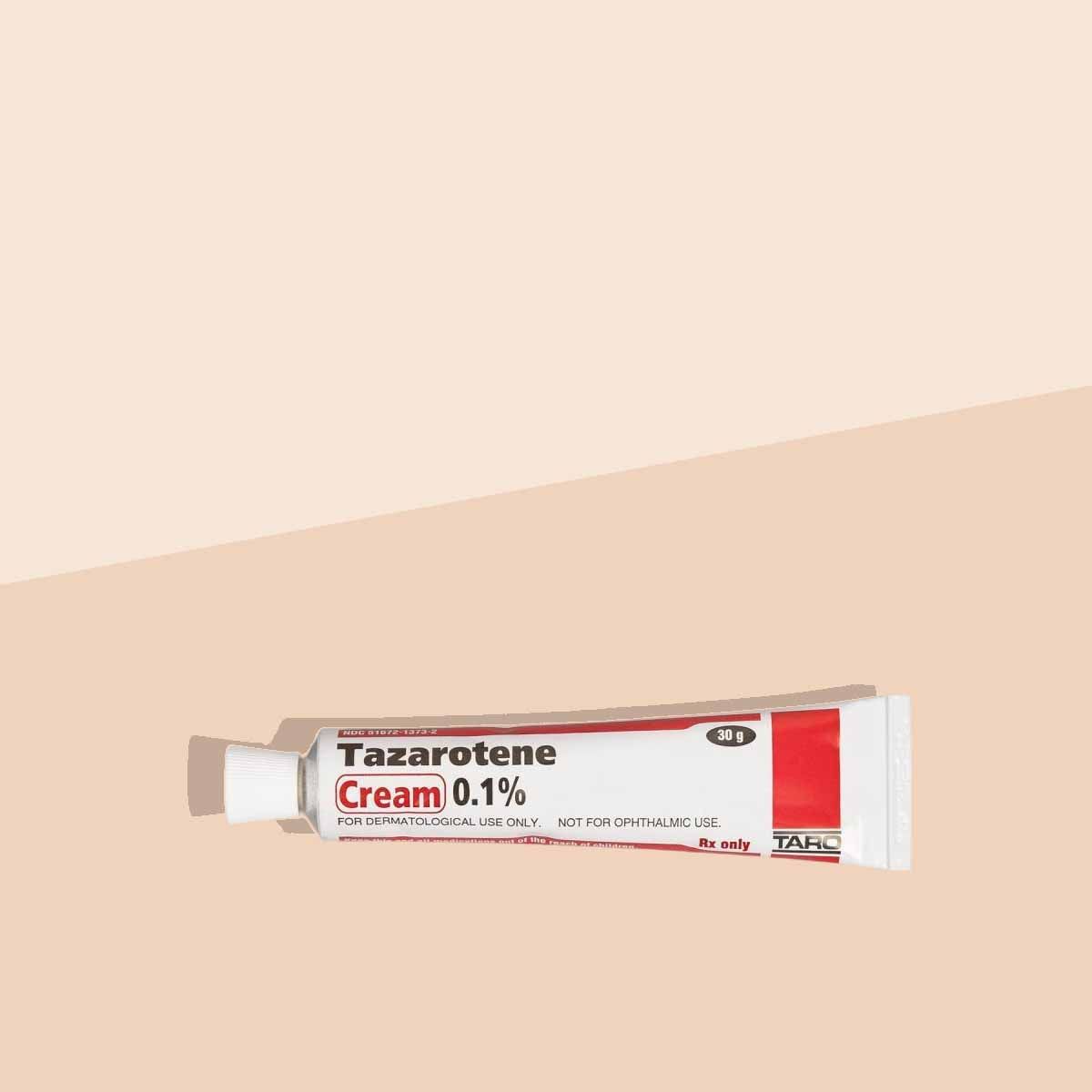
Tazarotene Cream (0.1%)
Starting at $38
The most potent topical retinoid on the market for faster results.